At SL VOYO, Sri Lanka’s first travel platform, we help travellers go beyond basic sightseeing and experience the island in a more meaningful way. Whether you are joining our tours or planning your own adventure, here is our friendly guide to discovering the sweet tradition of Aasmi in Sri Lanka.
A Sweet Symbol of Sri Lankan Tradition
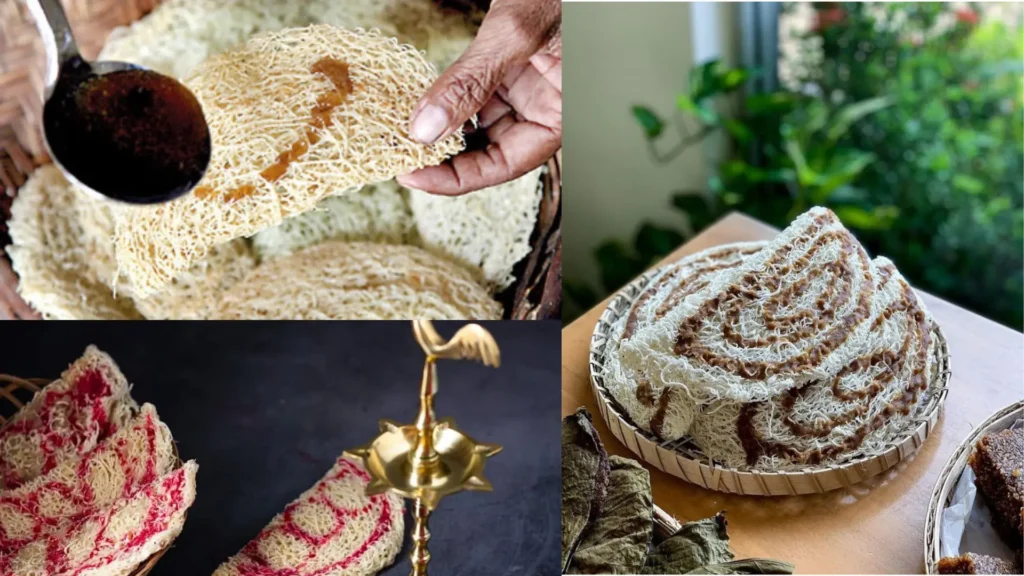
Among the many festive treats prepared during the Sinhala and Tamil New Year, few sweets are as unique and admired as Aasmi. Known for its delicate lace-like appearance and crispy texture, Aasmi is considered one of the most difficult traditional sweets to prepare in Sri Lankan cuisine.
This treasured delicacy is especially popular in the southern coastal regions of Sri Lanka, where generations of families have carefully preserved the art of making it. Its beautiful appearance and sweet flavour make it an essential part of New Year celebrations across the island.
More than simply a dessert, Aasmi reflects the patience, skill, and cultural heritage deeply rooted in Sri Lankan traditions.
The Art Behind Making Aasmi
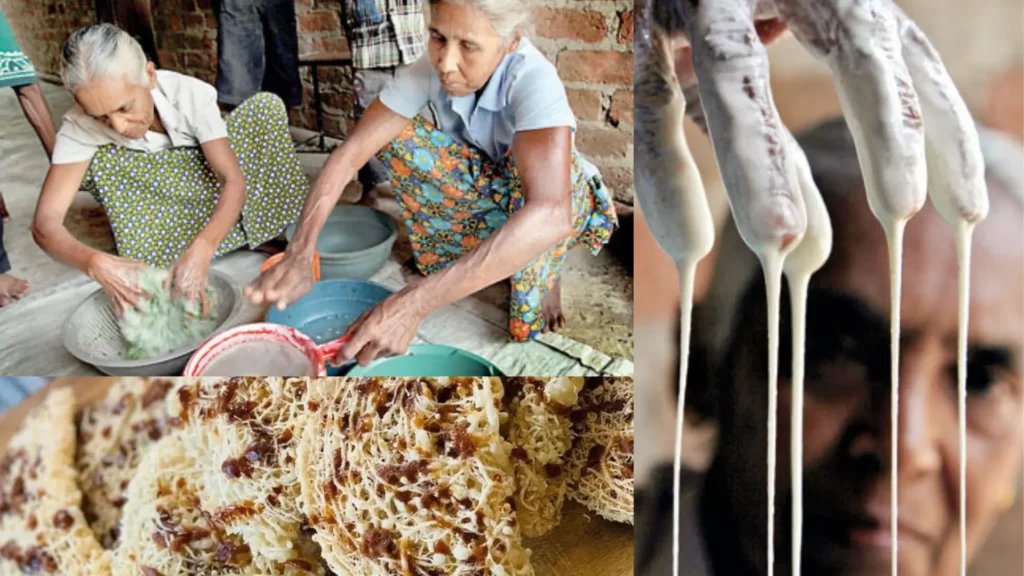
Preparing Aasmi is a delicate process that requires precision and experience. The main ingredients include rice flour, coconut milk, and a special herbal extract traditionally made using Dawul Kurundu leaves, which give the mixture its distinctive texture and colour.
The rice is carefully soaked, dried, and finely ground before being mixed with coconut milk and the herbal extract. The batter must reach the perfect consistency to create the signature web-like design when fried.
Using skilled hand movements, the batter is poured into hot oil in thin circular patterns, creating the intricate honeycomb texture that makes Aasmi so visually striking. Once fried, it is often topped with sweetened pink or white sugar syrup, giving it both colour and sweetness.
A Delicacy of Patience and Skill
Unlike many modern sweets, Aasmi cannot be rushed. Every step of the process demands patience, concentration, and years of practice. The delicate threading must be created with perfect timing, while the temperature of the oil and consistency of the batter must remain carefully balanced.
This is why Aasmi is often prepared by experienced family members during festive seasons. In many Sri Lankan homes, the making of Aasmi becomes a shared family activity, bringing generations together in preparation for the New Year celebrations.
The effort involved in making Aasmi is also one reason why it is so highly respected among traditional Sri Lankan sweets.
A Taste of the Sinhala and Tamil New Year
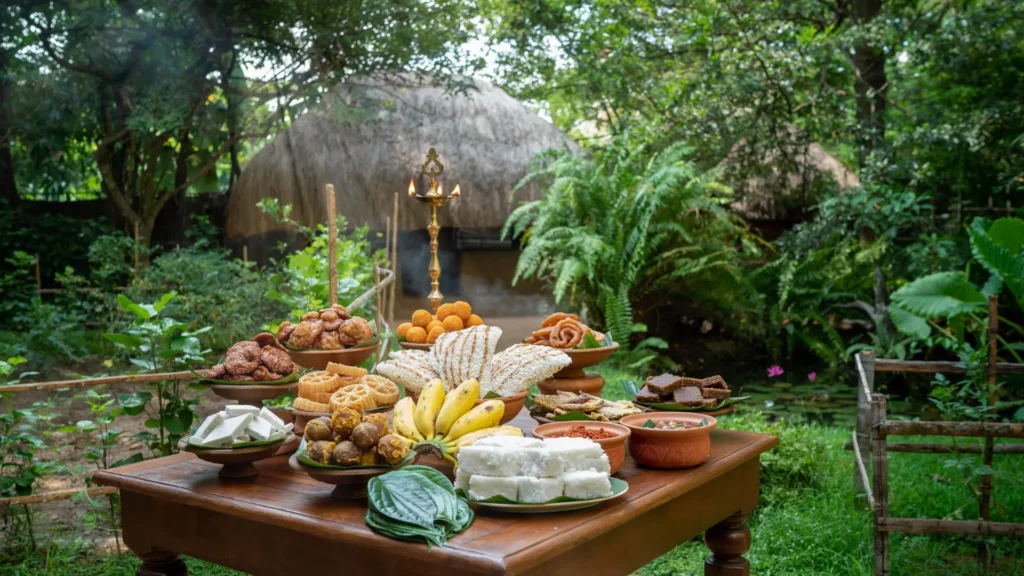
During the Sinhala and Tamil New Year, homes across Sri Lanka are filled with the aromas of traditional sweets and festive foods. Aasmi is proudly displayed alongside treats such as Kavum, Kokis, Aluwa, and Mung Kavum during family gatherings and celebrations.
The sweet symbolises hospitality, togetherness, and celebration. Visitors arriving at homes during the New Year are often welcomed with tables filled with colourful traditional delicacies, where Aasmi always stands out because of its intricate design and unique appearance.
Its crispy texture combined with its light sweetness creates a taste that is both nostalgic and unforgettable.
Table of Contents
Tours you might like
We care about our people. That’s why we offer Heartfelt Expedition
What is it?
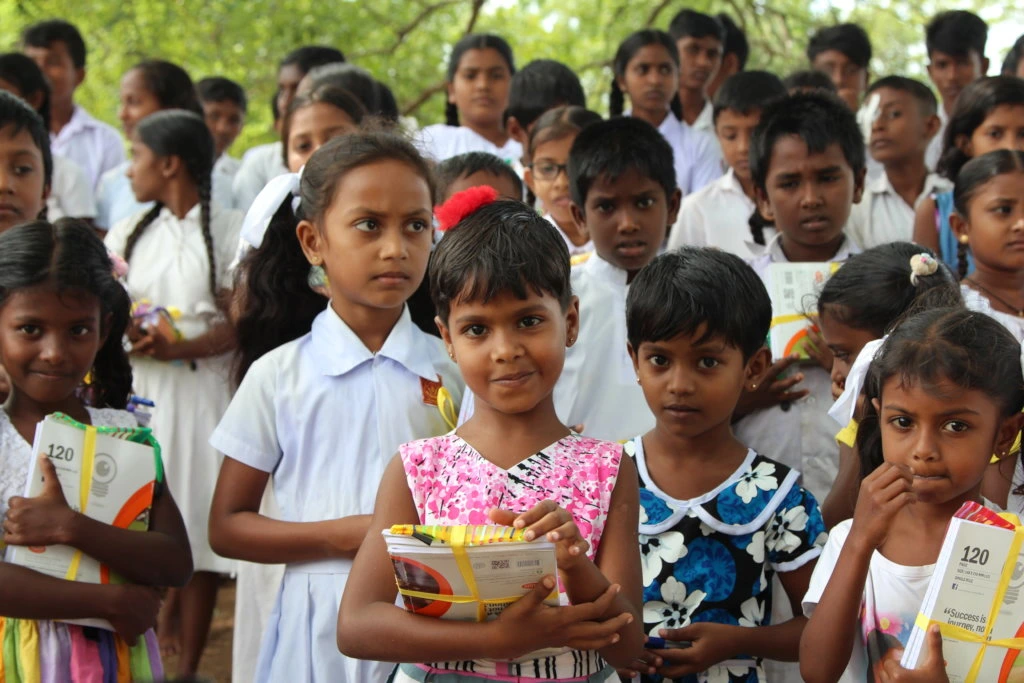
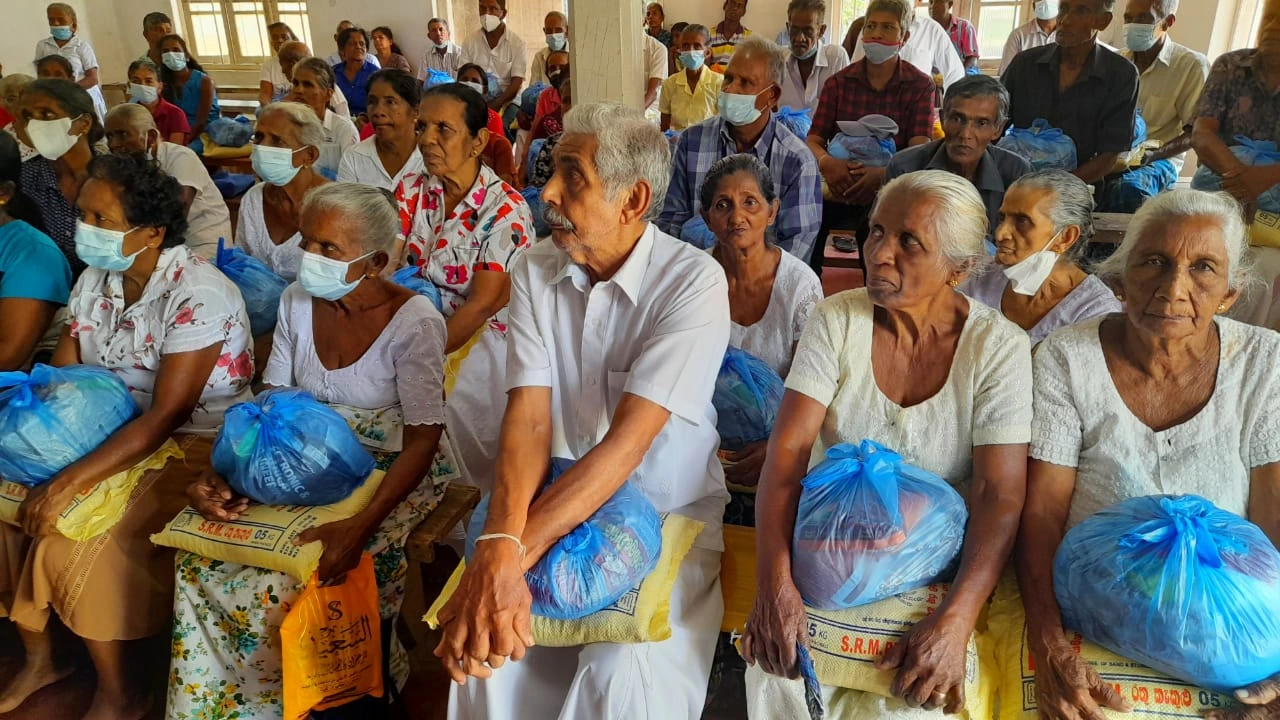
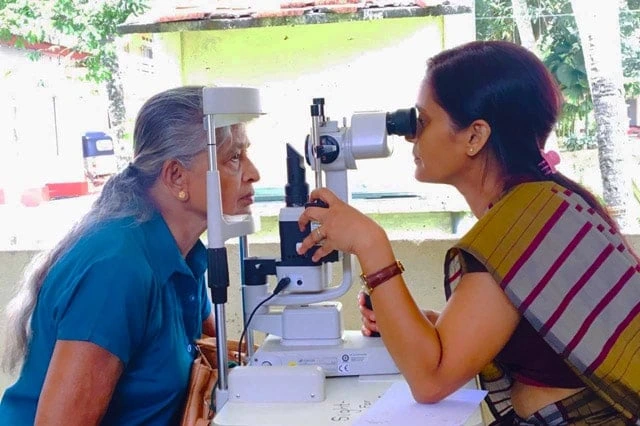
Google Ranked #1, the Heartfelt Expedition is a unique tour that invites tourists to personally engage in charitable events from the perspective of a local donor. Participants will be involved in school initiatives, elderly adoption, and community assistance throughout Sri Lanka.
Discover authentic culture and make a difference by helping local communities.