At SL VOYO, Sri Lanka’s first travel platform, we help travellers go beyond basic sightseeing and experience the island in a more meaningful way. Whether you are joining our tours or planning your own adventure, here is our friendly guide to the traditional games of Sri Lanka – playful memories from a simpler time that still live on in villages across the island.
Childhood Before Screens
Long before smartphones, gaming consoles, and social media, Sri Lankan childhood was filled with outdoor adventures and traditional games played beneath shady trees and open village skies.
These games were simple, creative, and deeply social. Children gathered after school or during holidays, using sticks, stones, chalk, and handmade equipment to create endless hours of entertainment.
Even today, some rural villages continue to preserve these joyful traditions, reminding us that happiness once came from imagination, friendship, and the outdoors rather than technology.
The Spirit of Village Playgrounds
Sri Lanka’s traditional games were more than just pastimes. They encouraged teamwork, quick thinking, balance, strategy, and physical activity while strengthening bonds within communities.
Schoolyards, village paths, and open fields transformed into lively playgrounds where children laughed, competed, and created memories together.
Many of these games required little or no money, proving that fun did not depend on expensive toys or equipment.
Hopscotch and Simple Childhood Joys
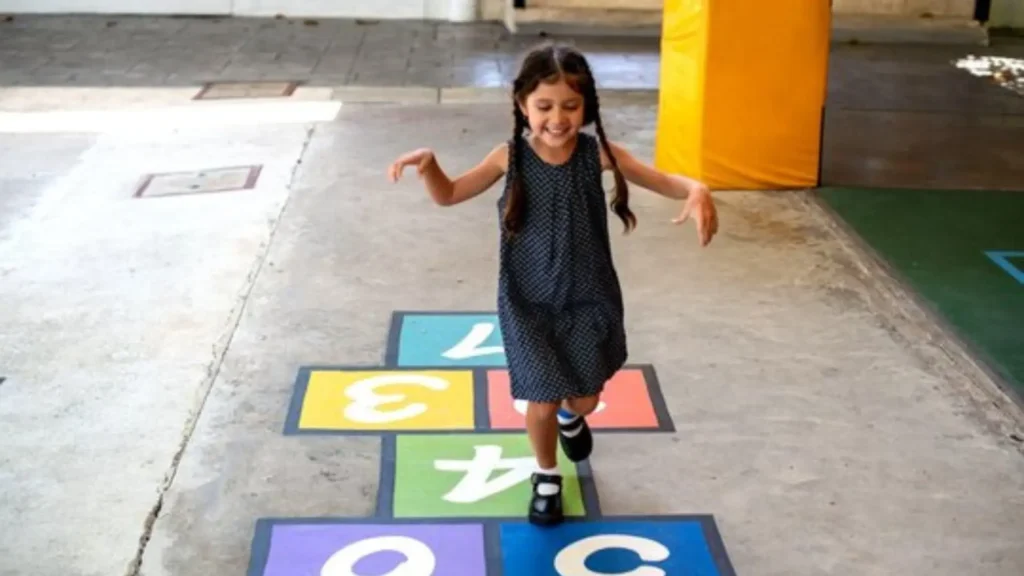
One of the most loved traditional games was Batta, Sri Lanka’s version of hopscotch. Children would draw squares on the ground and hop skillfully across them while balancing on one foot.
The game demanded coordination, patience, and concentration, yet it remained wonderfully simple. A small stone and a patch of ground were enough to keep children entertained for hours.
Even today, travellers visiting rural villages may occasionally spot children continuing this timeless tradition.
Sri Lanka’s Own Version of Cricket
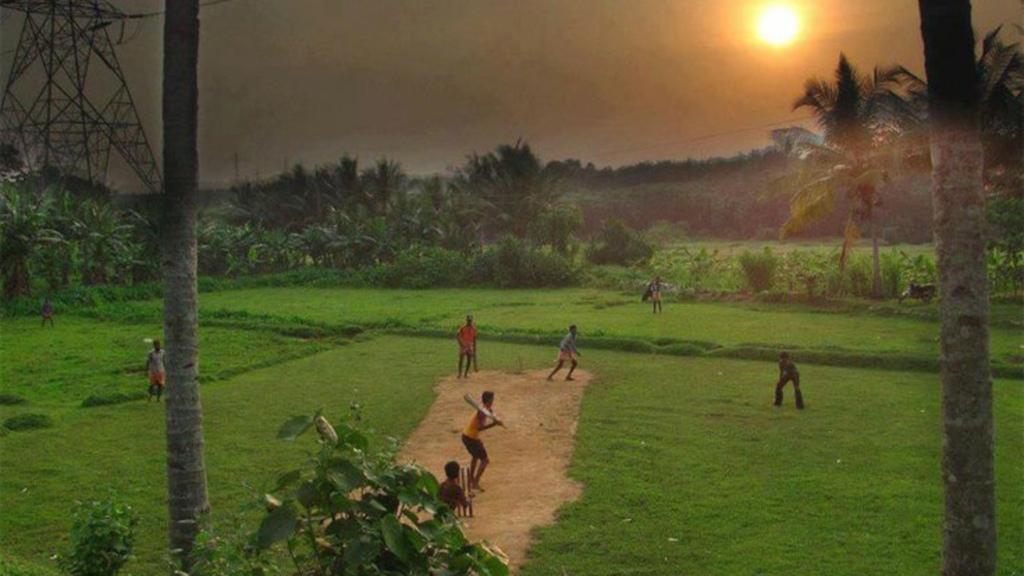
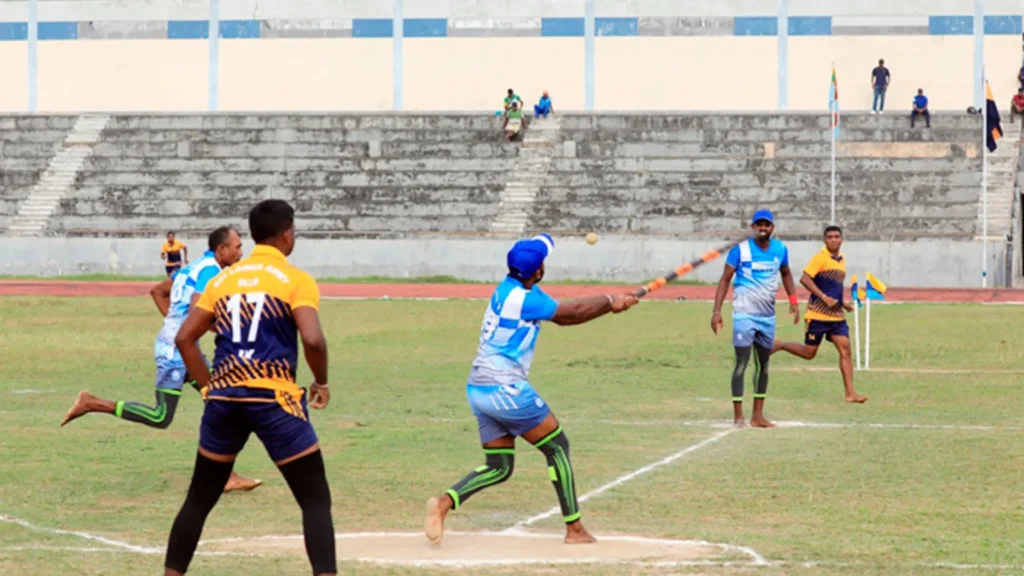
Long before organised cricket became the island’s national obsession, children played Elle, a traditional bat-and-ball game often described as Sri Lanka’s version of baseball.
Played in open fields and village roads, Elle brought together groups of energetic children who competed with handmade bats and improvised balls.
The fast-paced game demanded agility, teamwork, and quick reflexes, while also creating a strong sense of community spirit. Many older Sri Lankans still remember Elle as one of the highlights of their childhood years.
Games That Cross Generations
Traditional games in Sri Lanka were not limited to children alone. Board games such as draughts and other strategy games were enjoyed by both the young and the old.
These games often brought generations together, with grandparents teaching younger family members patience, skill, and friendly competition.
Even today, in village homes and roadside gathering spots, it is not unusual to see elders quietly engaged in an intense game while sharing stories and laughter.
More Than Entertainment
Sri Lanka’s traditional games reflect the island’s culture, creativity, and community values. They remind travellers of a time when people spent more moments outdoors, connected closely with neighbours, and found joy in the simplest activities.
These games also reveal how childhood experiences can shape memories that last a lifetime. The laughter, dust-covered feet, and excitement of village play remain deeply rooted in Sri Lankan identity.
For travellers seeking authentic cultural experiences, these small glimpses into everyday village life can often become the most meaningful memories of all.
Keeping Traditions Alive
As modern technology continues to dominate entertainment, many traditional games risk slowly disappearing. However, schools, cultural groups, and local communities are making efforts to preserve these valuable traditions for future generations.
By sharing and celebrating these games, Sri Lanka continues to protect an important part of its cultural heritage.
Travellers who venture beyond major cities often discover that the island’s true charm lies not only in famous attractions, but also in these beautiful everyday traditions that still survive quietly in village life.
Table of Contents
Tours you might like
We care about our people. That’s why we offer Heartfelt Expedition
What is it?
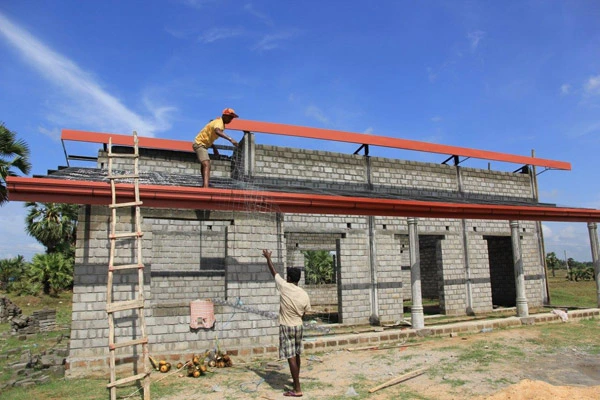
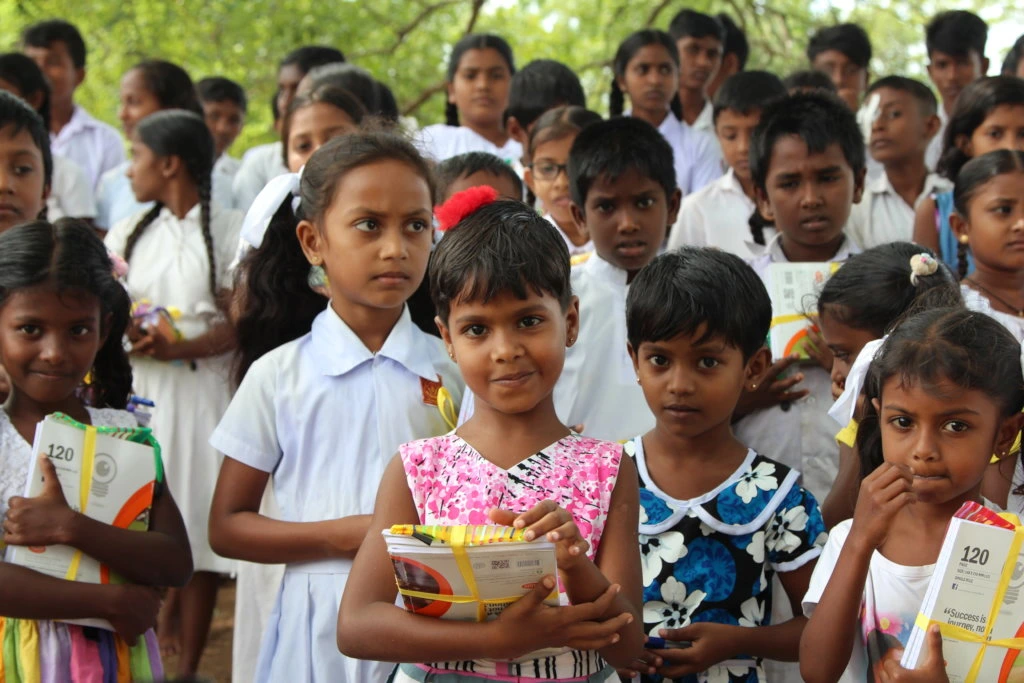
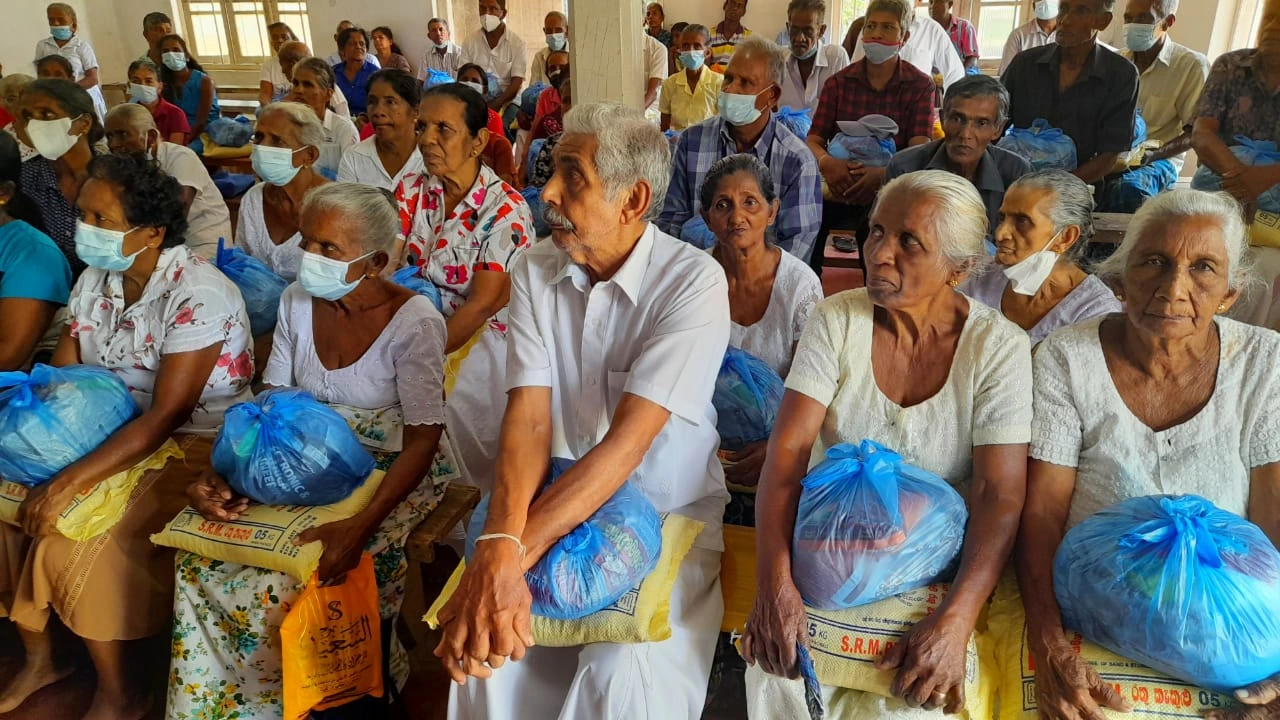
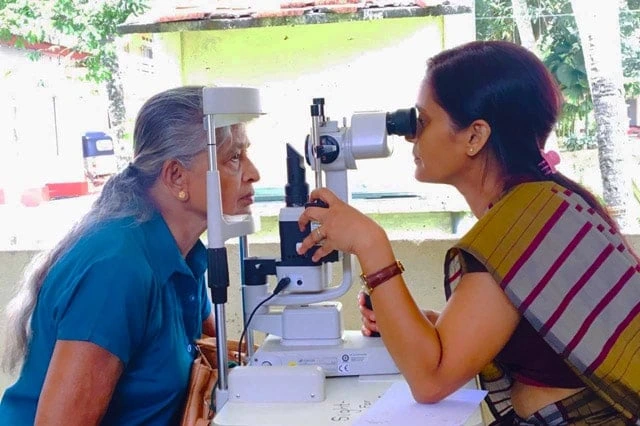
Google Ranked #1, the Heartfelt Expedition is a unique tour that invites tourists to personally engage in charitable events from the perspective of a local donor. Participants will be involved in school initiatives, elderly adoption, and community assistance throughout Sri Lanka.
Discover authentic culture and make a difference by helping local communities.