At SL VOYO, Sri Lanka’s first travel platform, we help travellers go beyond basic sightseeing and experience the island in a more meaningful way. Whether you are joining our tours or planning your own adventure, here is our friendly guide to Sri Lanka’s traditional dance culture a timeless artistic expression filled with rhythm, colour, and history.
The Soul of Sri Lankan Performing Arts
Dance in Sri Lanka is far more than entertainment. It is a powerful cultural tradition that blends storytelling, spirituality, music, and ritual into one captivating performance.
For centuries, traditional dance forms have been passed down through generations, preserving the island’s rich artistic heritage. Every graceful hand movement, facial expression, and rhythmic step carries meaning and symbolism deeply rooted in Sri Lankan history and belief systems.
Watching a live traditional dance performance is an unforgettable experience that allows travellers to witness the energy and elegance of Sri Lanka’s cultural identity.
A Tradition Shaped by History
Sri Lankan dance traditions evolved through royal courts, temple rituals, and village ceremonies. Over time, different regions of the island developed their own distinctive dance styles, costumes, and musical rhythms.
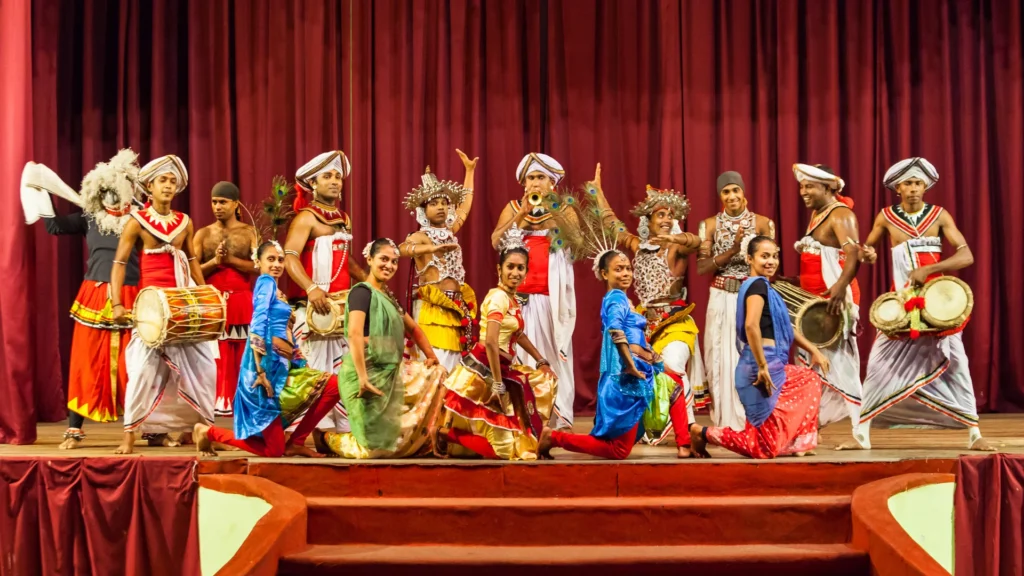
Among the most famous are Kandyan dancing from the central hills, Low Country dancing from the southern coast, and Sabaragamuwa dancing from the hill country regions. Each style reflects the customs, spirituality, and lifestyle of the communities where it originated.
These performances often combine drumming, chanting, and dramatic storytelling, creating a truly immersive cultural experience.
Grace in Every Movement
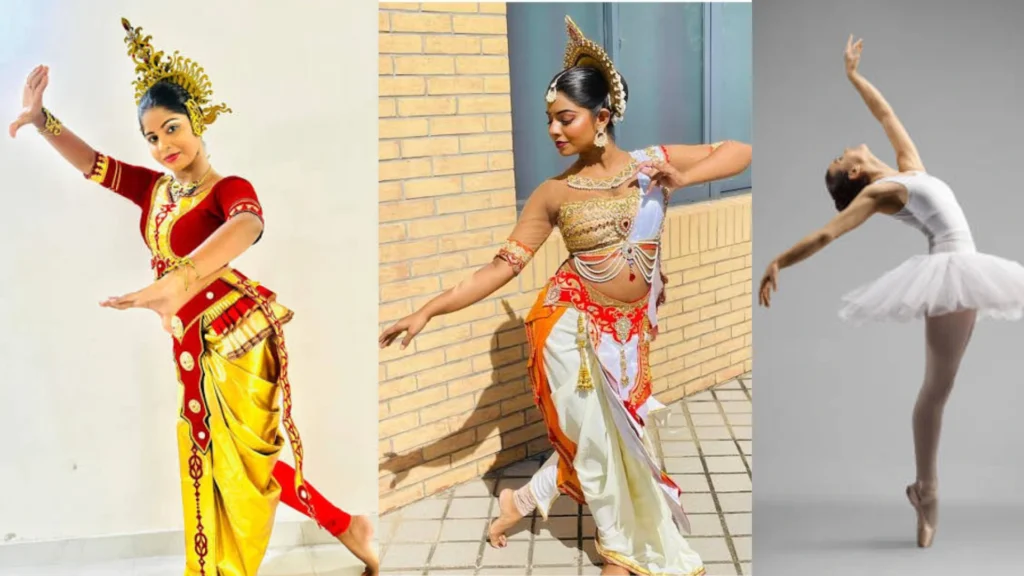
Sri Lankan traditional dance is known for its expressive beauty and controlled movements. Dancers use their eyes, hands, posture, and body language to communicate emotion and narrative without speaking a single word.
Female dancers often perform with extraordinary elegance and fluidity, wearing colourful costumes decorated with jewellery and floral ornaments. Their performances reflect themes of devotion, nature, love, and mythology.
The coordination between movement and music creates a mesmerising rhythm that draws audiences into the story unfolding on stage.
Rhythm Driven by Drums
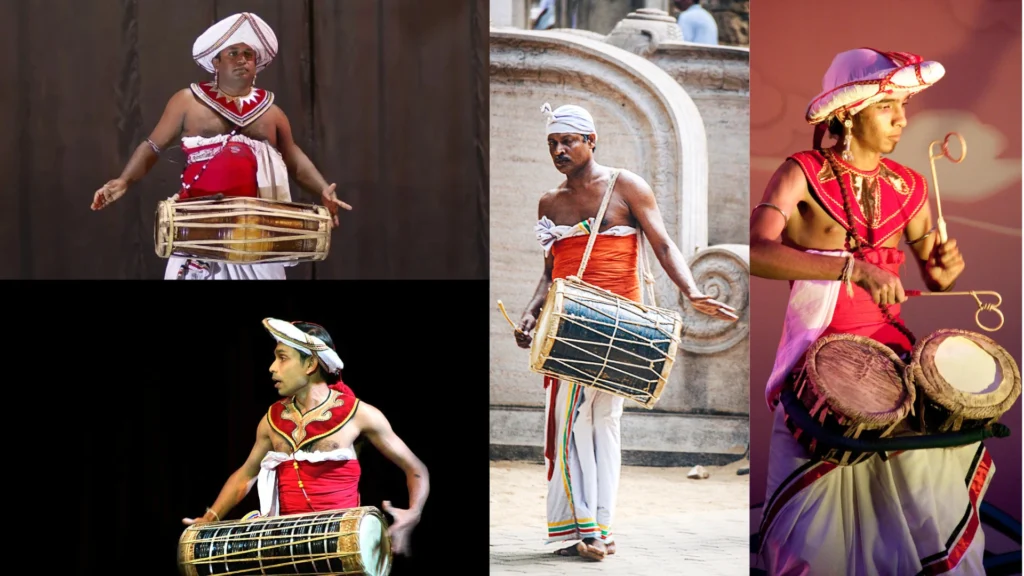
No traditional Sri Lankan dance performance is complete without the powerful sound of drums. The beat of the geta bera, yak bera, and davula forms the heartbeat of the performance, guiding every step and movement.
Drummers are highly respected performers who often train for years to master the complex rhythms and techniques required for traditional ceremonies and stage performances.
The combination of energetic drumming and dynamic dance creates an atmosphere filled with excitement and cultural intensity.
Dance as Storytelling
Traditional dance in Sri Lanka often portrays stories from folklore, Buddhist traditions, village legends, and ancient mythology. Through movement and expression, performers bring historical characters and spiritual narratives to life before the audience.
Some performances are deeply ceremonial and linked to healing rituals or religious celebrations, while others are theatrical and designed for cultural festivals and public entertainment.
This connection between dance and storytelling makes each performance feel meaningful rather than simply decorative.
Preserving Cultural Heritage
Today, schools, cultural institutions, and performance groups across Sri Lanka continue to preserve and promote these traditional art forms. Young dancers dedicate years to training, ensuring that the island’s artistic traditions survive in a rapidly modernising world.
Cultural performances remain an important part of national celebrations, religious festivals, and tourism experiences, allowing both locals and visitors to appreciate the beauty of Sri Lankan heritage.
For travellers, attending a traditional dance performance offers more than visual entertainment. it provides a deeper understanding of the island’s identity and spirit.
Table of Contents
Tours you might like
We care about our people. That’s why we offer Heartfelt Expedition
What is it?
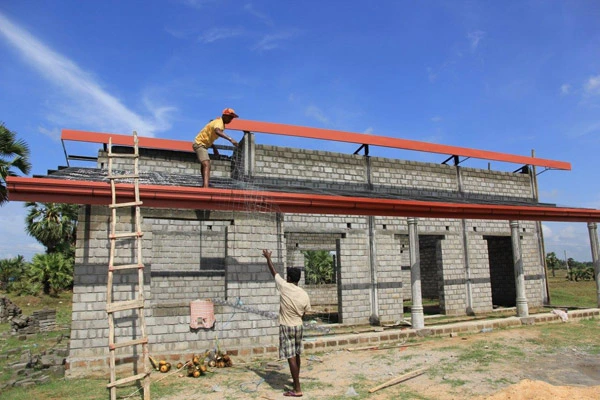
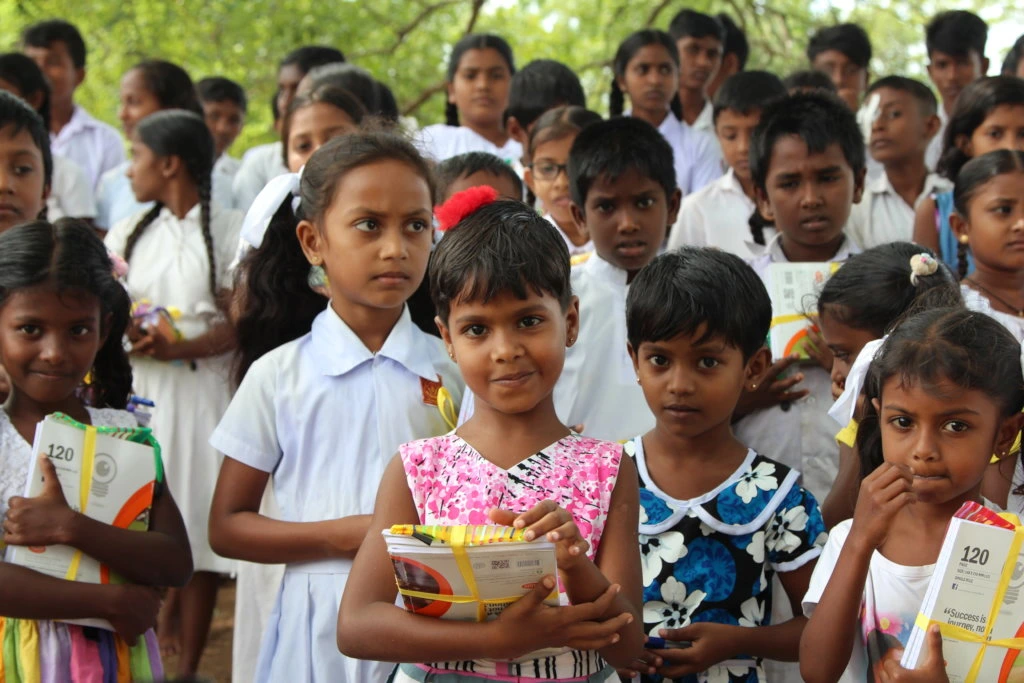
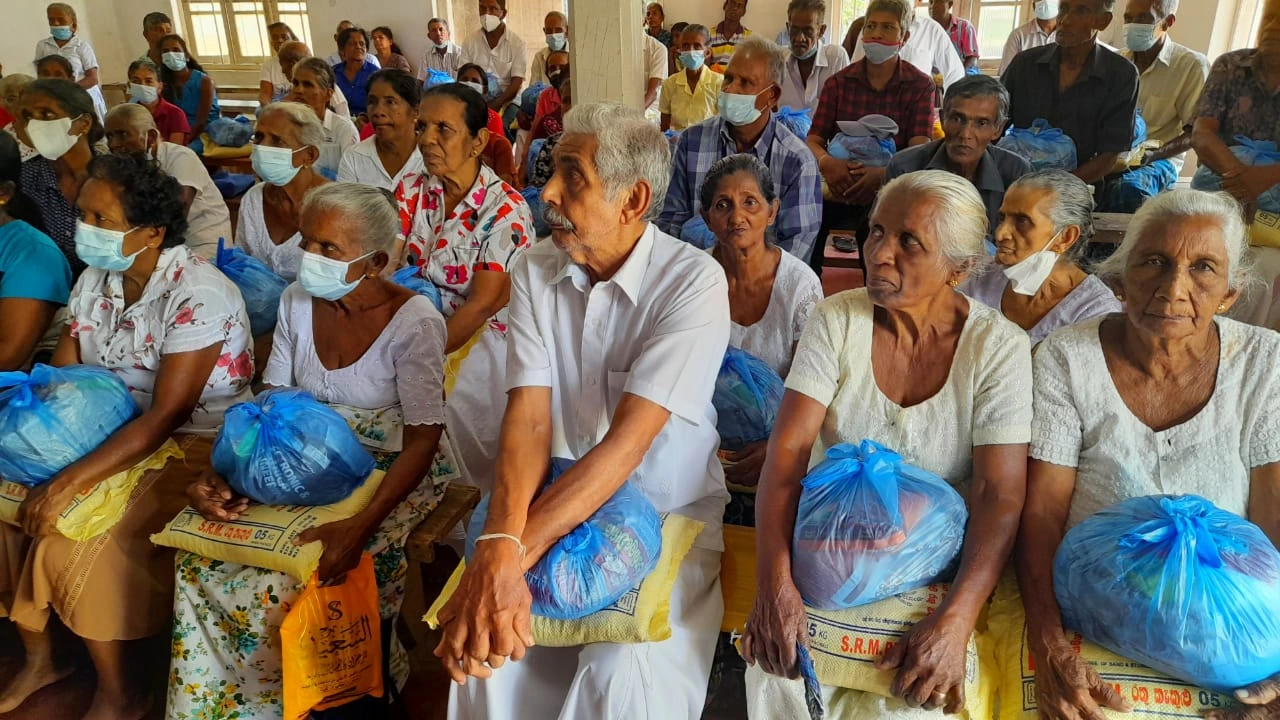
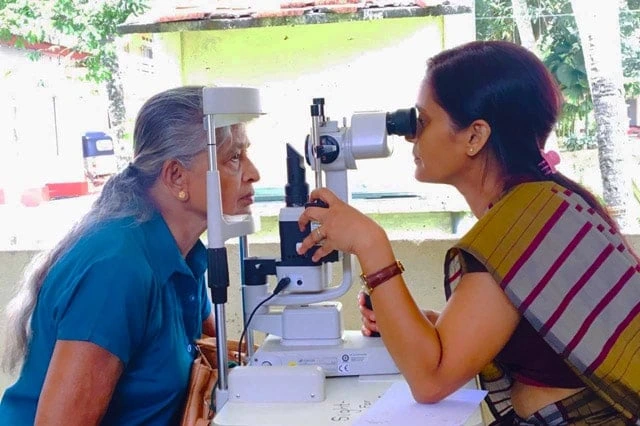
Google Ranked #1, the Heartfelt Expedition is a unique tour that invites tourists to personally engage in charitable events from the perspective of a local donor. Participants will be involved in school initiatives, elderly adoption, and community assistance throughout Sri Lanka.
Discover authentic culture and make a difference by helping local communities.