At SL VOYO, Sri Lanka’s first travel platform, we help travellers go beyond basic sightseeing and experience the island in a more meaningful way. Whether you are joining our tours or planning your own adventure, here is our friendly guide to the historic streets of Colombo – a city where colonial history, modern development, and everyday local life blend together in remarkable ways.
A City Built Through Centuries
Colombo is more than Sri Lanka’s commercial capital. Beneath its busy roads and modern skyline lies a city shaped by centuries of trade, colonial influence, and cultural exchange.
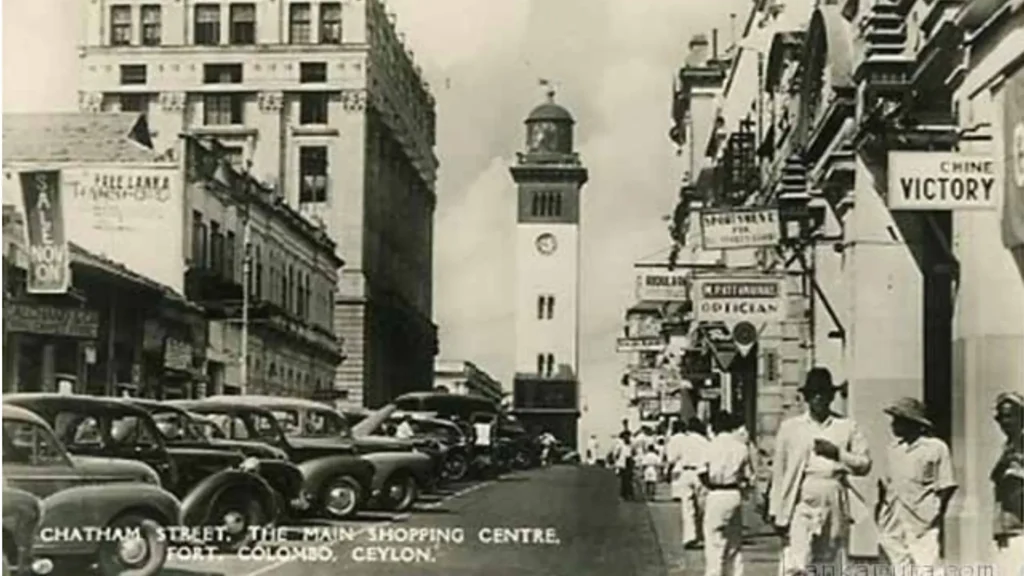
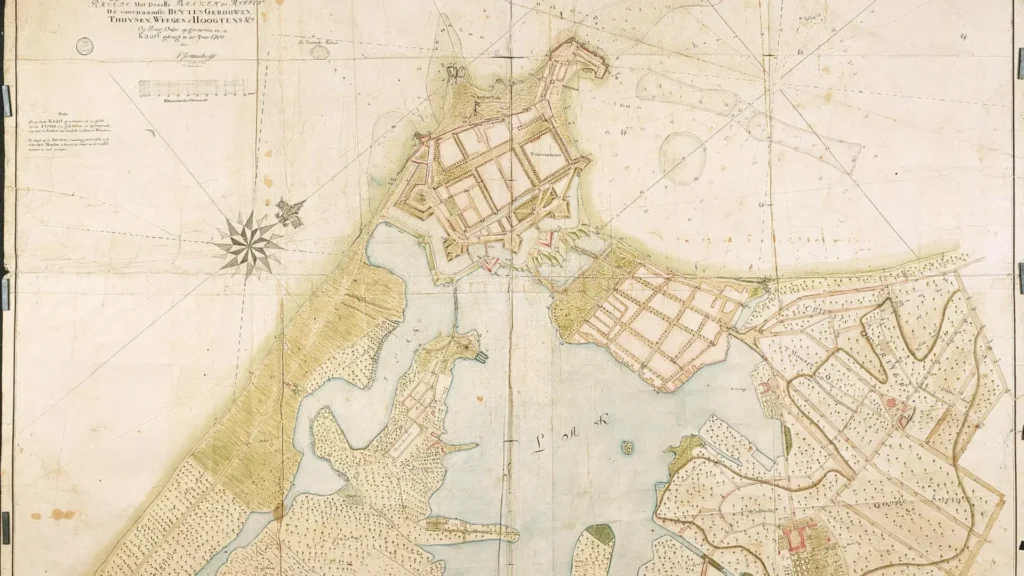
From the Portuguese and Dutch periods to British colonial rule, many streets within Colombo still carry stories connected to the island’s past. Old trading routes, administrative buildings, and harbour roads helped transform Colombo into one of the most important cities in the Indian Ocean region.
Walking through these streets today feels like stepping between different eras of history.
Streets That Tell Stories
Some of Colombo’s streets were once canals, trading routes, or residential roads used during colonial times. Areas such as Fort and Pettah still preserve traces of this fascinating past through architecture, street names, and urban layouts.
Historic roads like Chatham Street, York Street, and Janadhipathi Mawatha played important roles during different periods of colonial administration and trade.
Even as the city modernises rapidly, echoes of old Colombo remain visible in the buildings, narrow streets, and surviving colonial structures scattered throughout the city.
Colonial Architecture Meets Modern Colombo
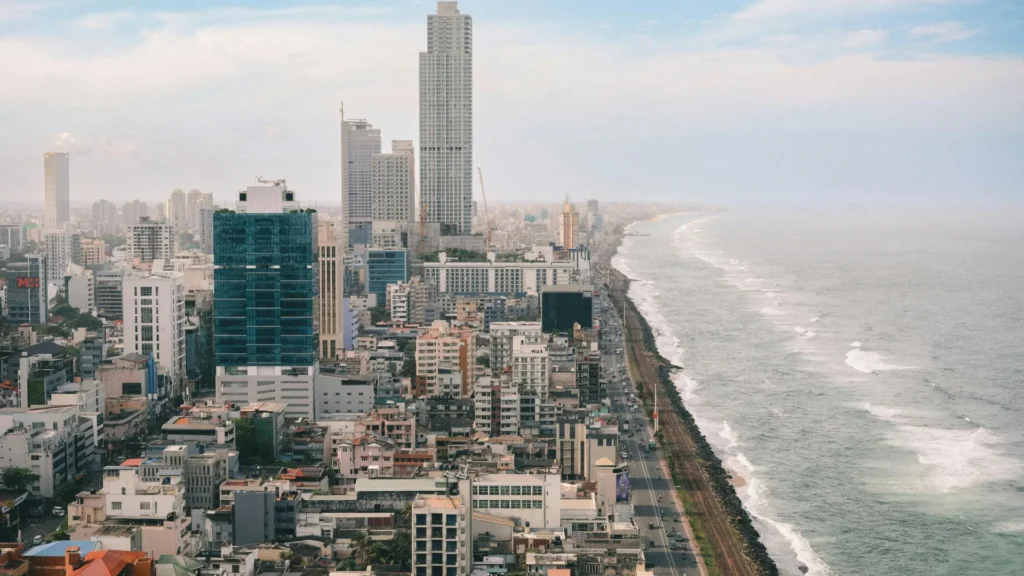
One of the most unique aspects of Colombo is the contrast between old and new. Colonial-era buildings stand beside glass towers, luxury hotels, and busy commercial centres.
In areas like Fort, visitors can admire restored Dutch and British architecture while also experiencing the energy of Sri Lanka’s rapidly developing capital city.
This mixture of heritage and modernity gives Colombo a character unlike any other city on the island.
Exploring Colombo on Foot
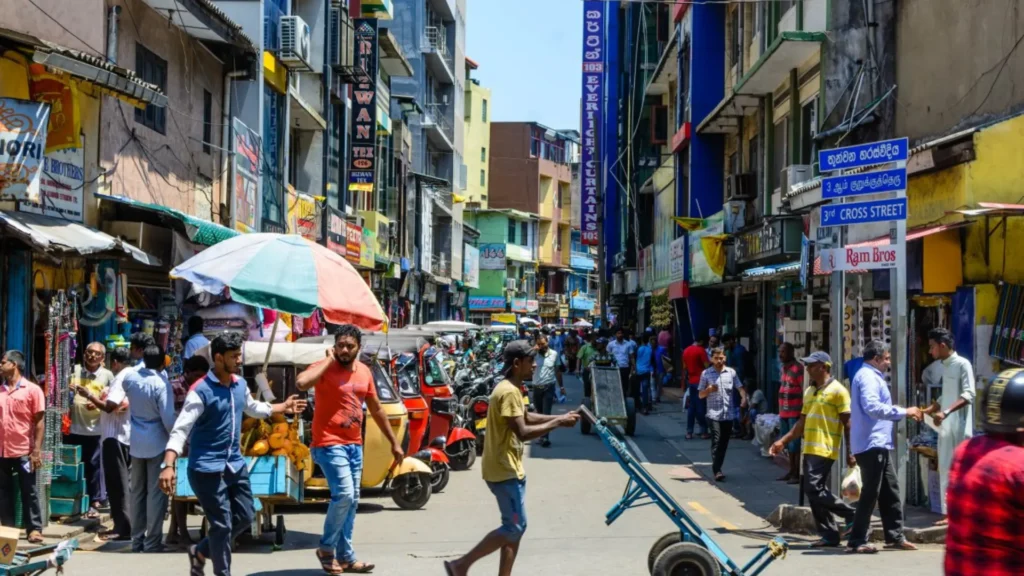
Walking through Colombo allows travellers to experience the city beyond tourist attractions. The sounds of street vendors, the aroma of local food, and the movement of everyday life create an atmosphere full of energy and authenticity.
From busy markets in Pettah to quiet colonial streets in Fort, every neighbourhood reveals a different side of Colombo’s identity.
Travellers who explore on foot often discover hidden buildings, old churches, traditional shops, and historical landmarks missed by passing vehicles.
A City Influenced by Many Cultures
Throughout history, Colombo welcomed traders and communities from many parts of the world including Portugal, the Netherlands, Britain, India, Arabia, and China.
These influences helped shape the city’s architecture, food, religion, language, and multicultural identity that still exists today.
Modern Colombo continues to reflect this diversity, making it one of South Asia’s most vibrant and cosmopolitan cities.
Best Places to Explore Colombo’s History
Travellers interested in Colombo’s heritage should visit areas such as Fort, Pettah, Galle Face Green, Independence Square, and the Old Dutch Hospital precinct.
Early mornings and late afternoons are ideal for walking tours due to cooler temperatures and softer lighting for photography.
Comfortable walking shoes, water, and sun protection are recommended for those exploring the city streets on foot.
Table of Contents
Tours you might like
We care about our people. That’s why we offer Heartfelt Expedition
What is it?
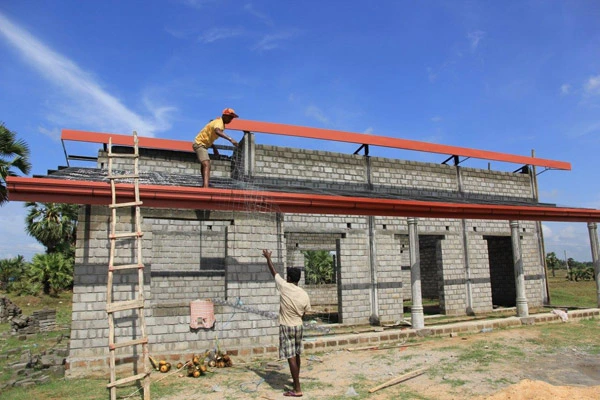
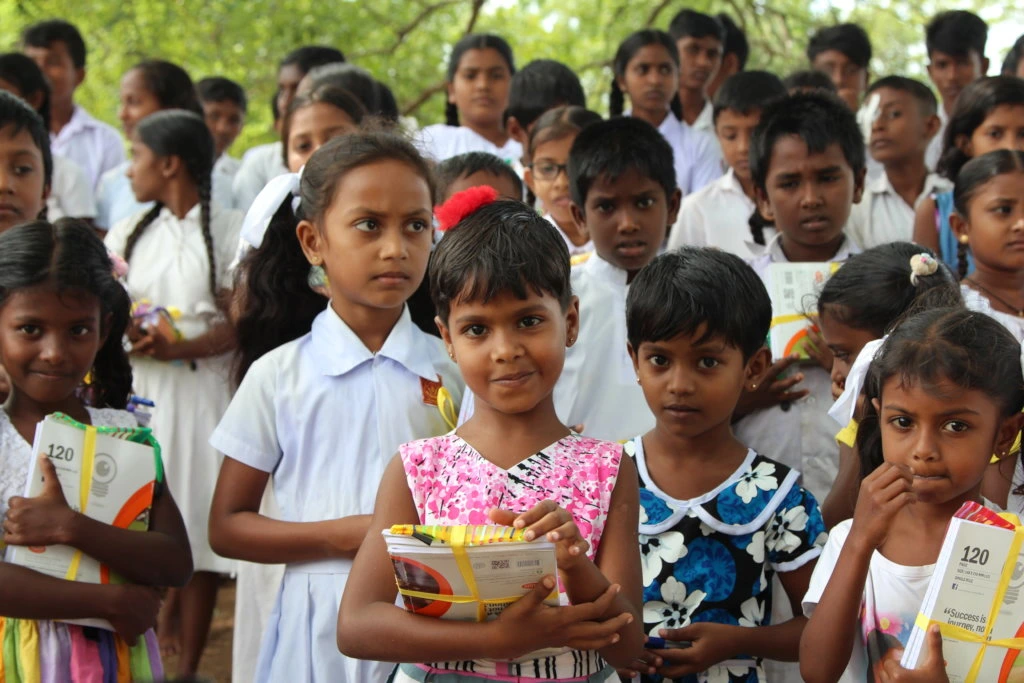
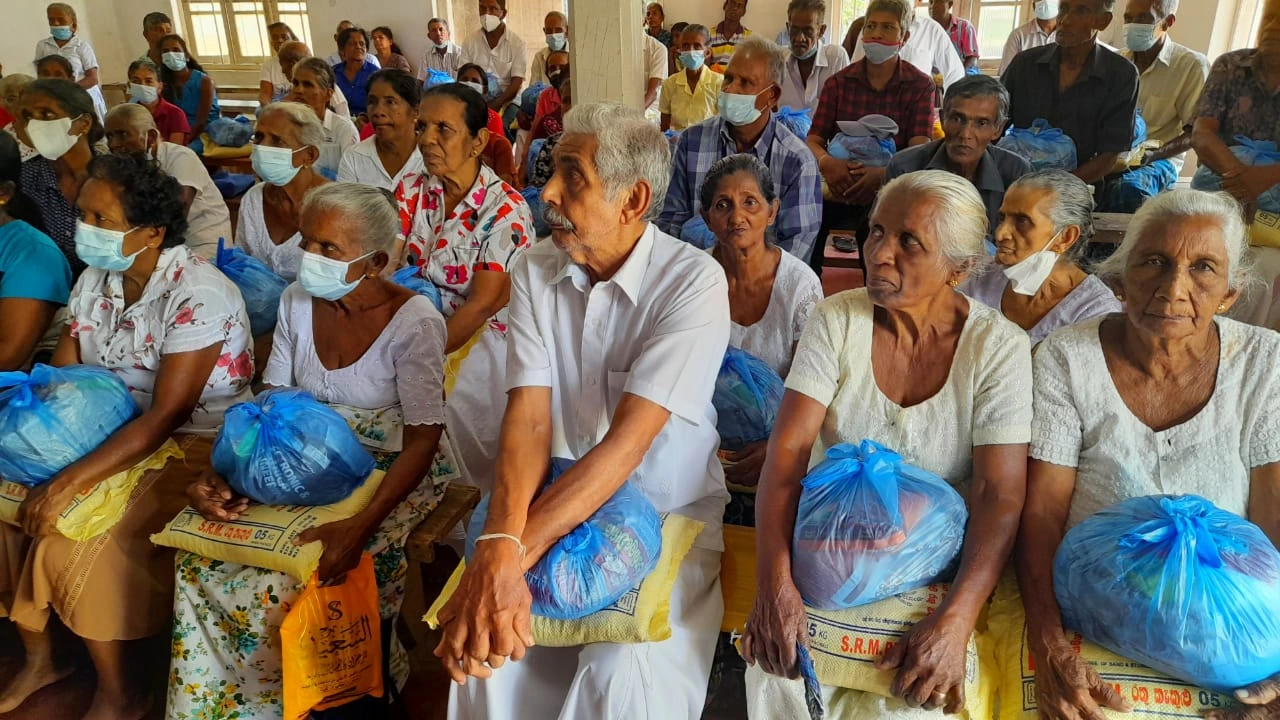
Google Ranked #1, the Heartfelt Expedition is a unique tour that invites tourists to personally engage in charitable events from the perspective of a local donor. Participants will be involved in school initiatives, elderly adoption, and community assistance throughout Sri Lanka.
Discover authentic culture and make a difference by helping local communities.