Olai Art – The Timeless Craft of Sri Lanka’s Decorative Palm Leaf Traditions
Table of Contents
At SL VOYO, Sri Lanka’s first travel platform, we help travellers go beyond basic sightseeing and experience the island in a more meaningful way. Whether you are joining our tours or planning your own adventure, here is our friendly guide to the fascinating world of Sri Lanka’s traditional olai art – a vibrant craft where palm leaves are transformed into stunning decorative creations that reflect the island’s rich cultural heritage.
An Ancient Art Woven Through Generations
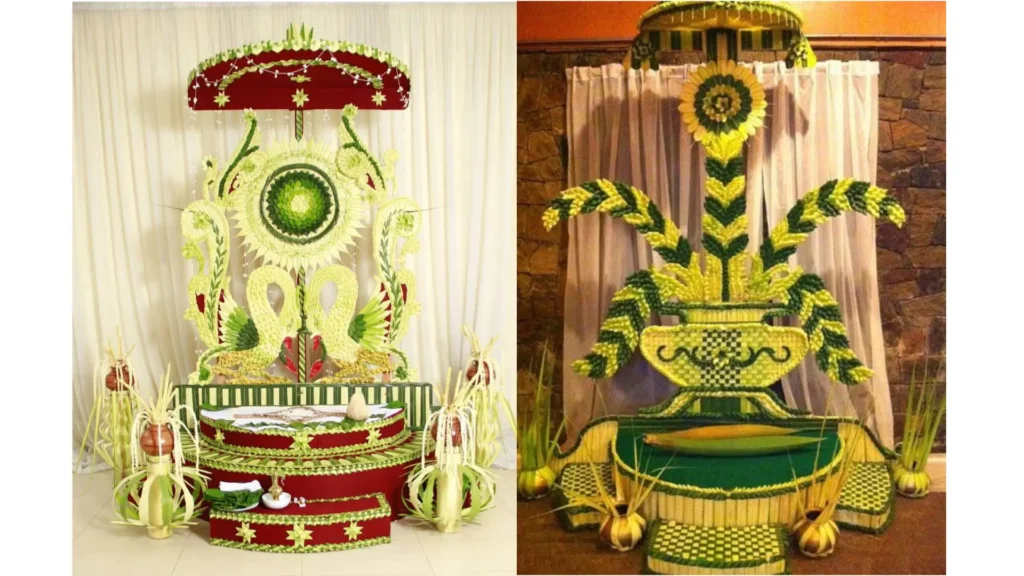
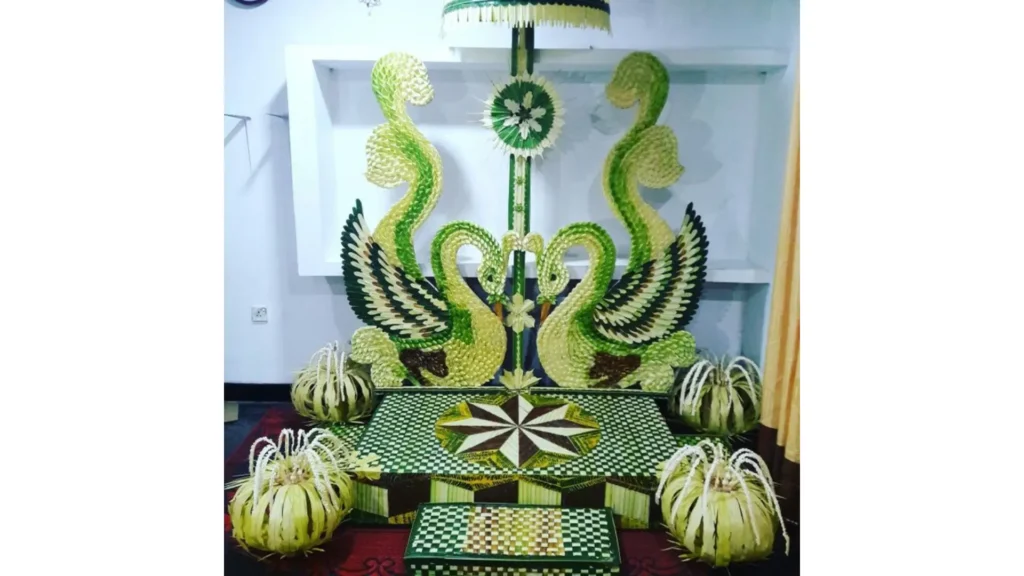
For centuries, Sri Lankan artisans have transformed simple palm leaves into intricate works of art. Known as olai art, this traditional craft combines creativity, patience, and cultural symbolism to create decorative pieces used in festivals, ceremonies, and religious celebrations.
The craft has been passed down through generations, preserving techniques that remain largely unchanged despite the passing of time.
Today, these colourful creations continue to be admired as symbols of Sri Lanka’s artistic heritage.
The Beauty of Palm Leaf Craftsmanship
The process begins with carefully selected palm leaves that are dried, treated, and sometimes naturally coloured before being woven into elaborate patterns.
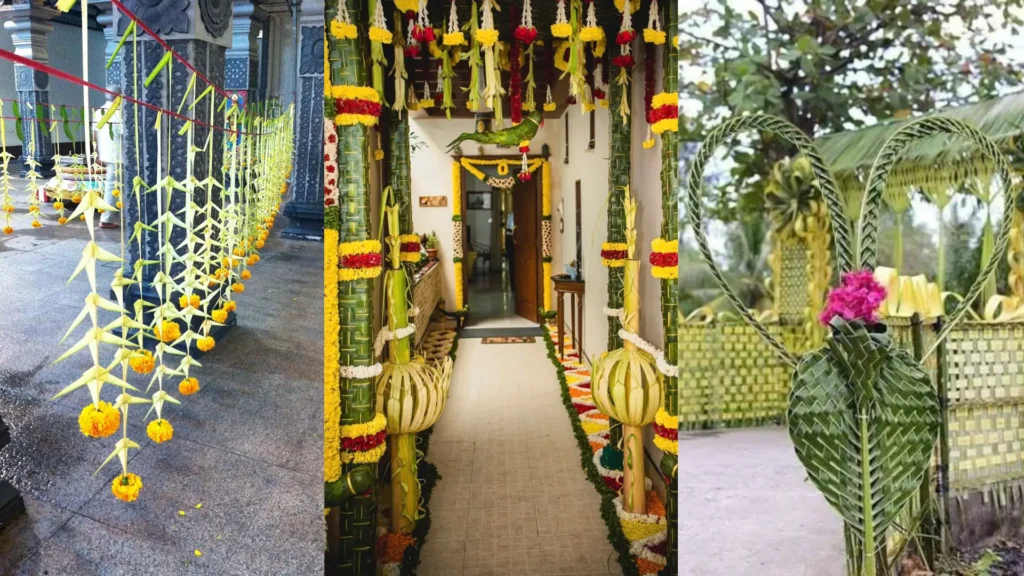
Artisans create circular ornaments, decorative panels, ceremonial decorations, and symbolic designs using remarkable precision and skill.
The vibrant colours and geometric patterns often reflect local traditions, spiritual beliefs, and regional artistic styles found across Sri Lanka.
A Highlight of Religious Festivals
One of the most spectacular uses of olai art can be seen during Sri Lanka’s religious festivals and cultural processions. These handcrafted decorations often accompany temple ceremonies, peraheras, and community celebrations.
Their colourful appearance adds beauty and grandeur to sacred events while showcasing the creativity of local craftsmen.
Many of these decorative pieces are specially designed for important annual festivals, making them a cherished part of Sri Lanka’s living traditions.
Preserving a Unique Cultural Heritage
Although modern materials have become widely available, many communities continue to preserve the traditional methods of olai craftsmanship.
Cultural organisations, temples, and local artisans work together to ensure these valuable skills are passed on to younger generations.
By preserving olai art, Sri Lanka safeguards not only a beautiful craft but also an important part of its cultural identity and collective memory.
A Symbol of Creativity and Tradition
What makes olai art truly special is its ability to transform simple natural materials into extraordinary works of beauty. Each piece reflects the imagination, dedication, and craftsmanship of the artisan who created it.
For visitors, these handcrafted decorations offer a deeper understanding of Sri Lanka’s artistic traditions and the cultural values that continue to inspire local communities.
Whether displayed during festivals or admired as decorative art, olai creations remain a vibrant expression of Sri Lankan culture.
Table of Contents
Tours you might like
We care about our people. That’s why we offer Heartfelt Expedition
What is it?
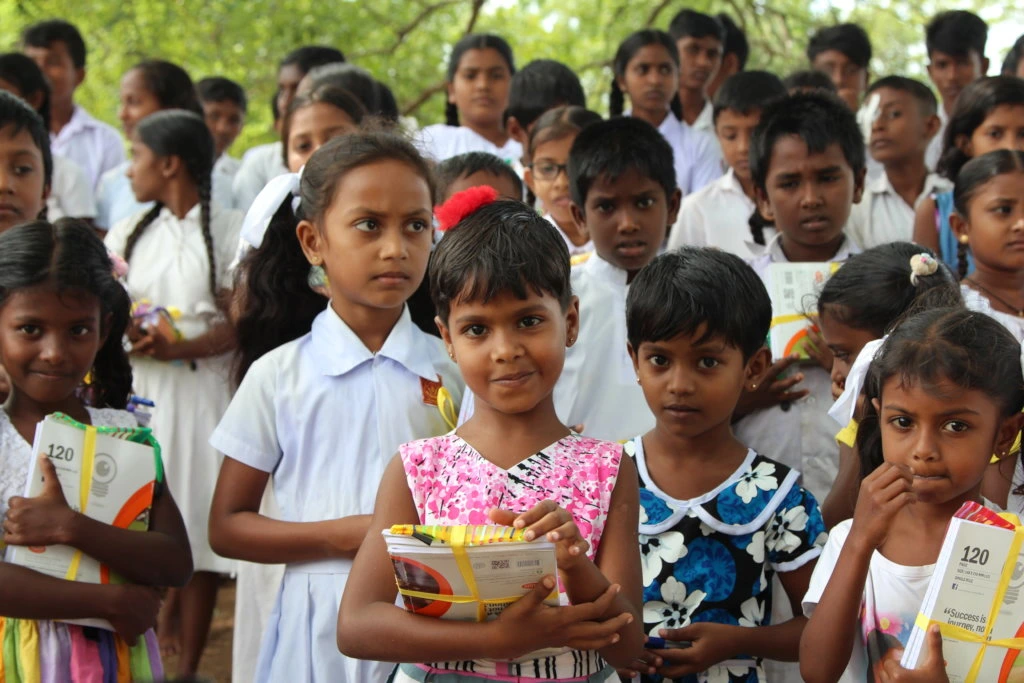
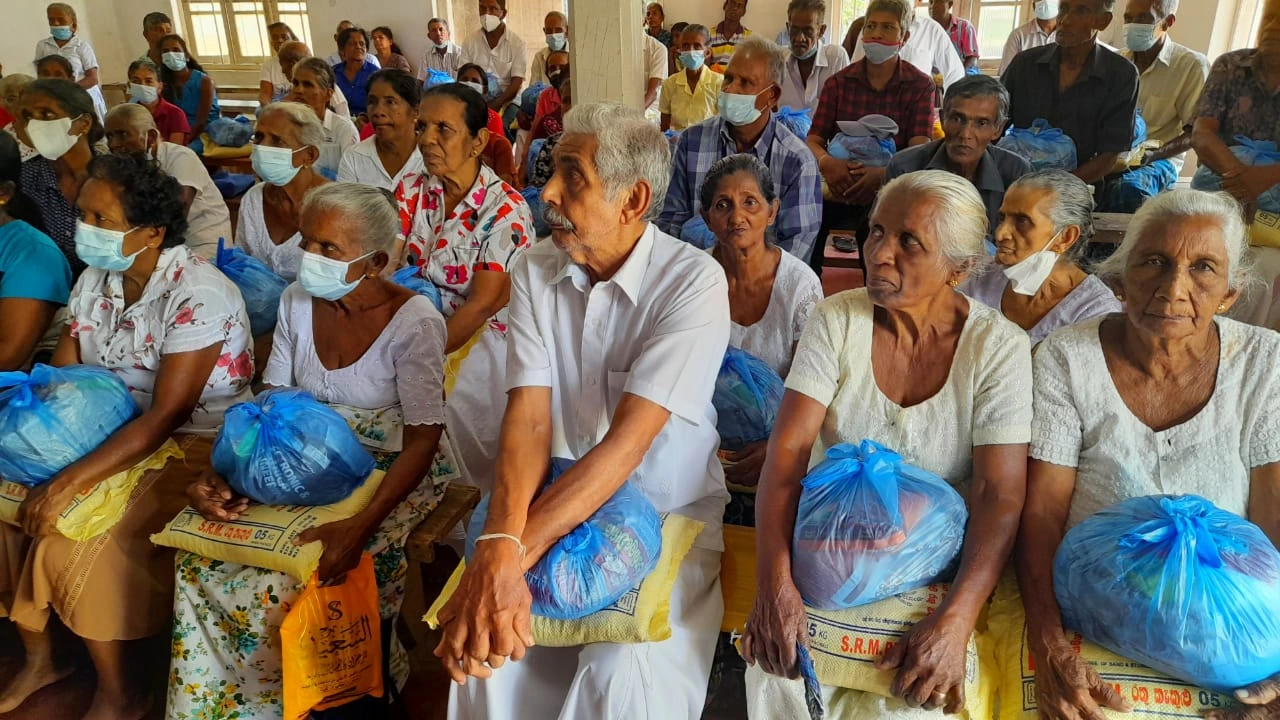
Google Ranked #1, the Heartfelt Expedition is a unique tour that invites tourists to personally engage in charitable events from the perspective of a local donor. Participants will be involved in school initiatives, elderly adoption, and community assistance throughout Sri Lanka.
Discover authentic culture and make a difference by helping local communities.