The Power of Pani Pol: A Taste of Sri Lanka’s Sweet Coconut Tradition
Table of Contents
At SL VOYO, we believe that discovering Sri Lanka is not only about visiting ancient temples, beautiful beaches and wildlife parks. Sometimes, the best way to understand the island is through its food.
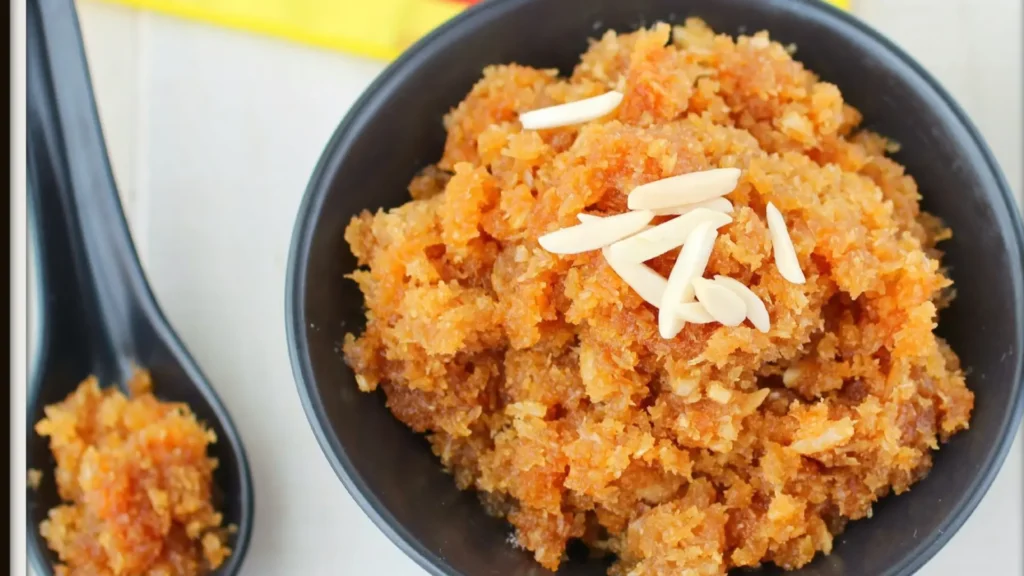
One of Sri Lanka’s most loved combinations is wonderfully simple: golden treacle and fresh coconut. Together, they create pani pol a sweet, fragrant mixture that appears in many traditional Sri Lankan dishes, from pancakes and string hoppers to festive sweets and village treats.
The Sweet Combination of Coconut & Treacle
Coconut has been part of Sri Lankan life for centuries. It is used in curries, sambols, desserts, drinks and countless everyday dishes.
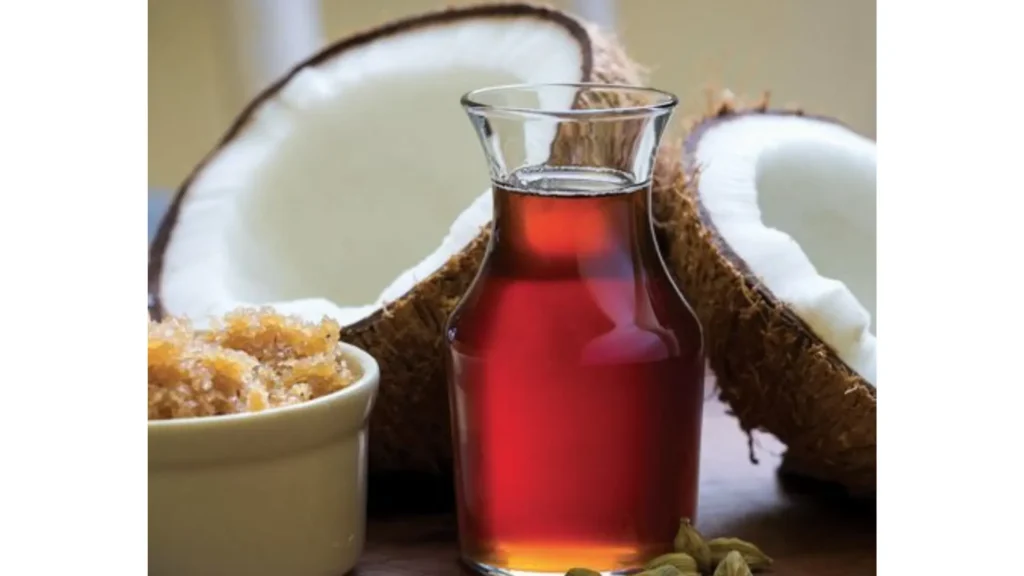
Treacle, traditionally made from the sap of the kithul palm, adds a deep caramel-like sweetness and distinctive flavour.
When these two ingredients come together, they create pani pol — a mixture of grated coconut cooked with treacle and often flavoured with spices such as cardamom, cinnamon and cloves.
It is simple, but incredibly versatile.
For generations, Sri Lankan families have used pani pol as a filling, topping and sweet accompaniment to some of the island’s favourite traditional foods.
What Makes Pani Pol So Special?
The beauty of pani pol is its simplicity.
Freshly grated coconut is combined with treacle and gently cooked until the mixture becomes thick and fragrant. Spices can then be added to give it extra warmth and character.
The flavour is rich but not overwhelming. You get the natural sweetness of treacle, the softness of coconut and the gentle aroma of Sri Lankan spices.
The recipe can also vary from household to household.
Some people prefer more coconut, while others like a sweeter mixture with plenty of treacle. Cinnamon, cardamom and cloves can also be adjusted according to taste.
This flexibility is part of what makes pani pol such a familiar part of Sri Lankan food culture.
Ten Delicious Ways to Enjoy Pani Pol
1. Pani Pol Pancakes
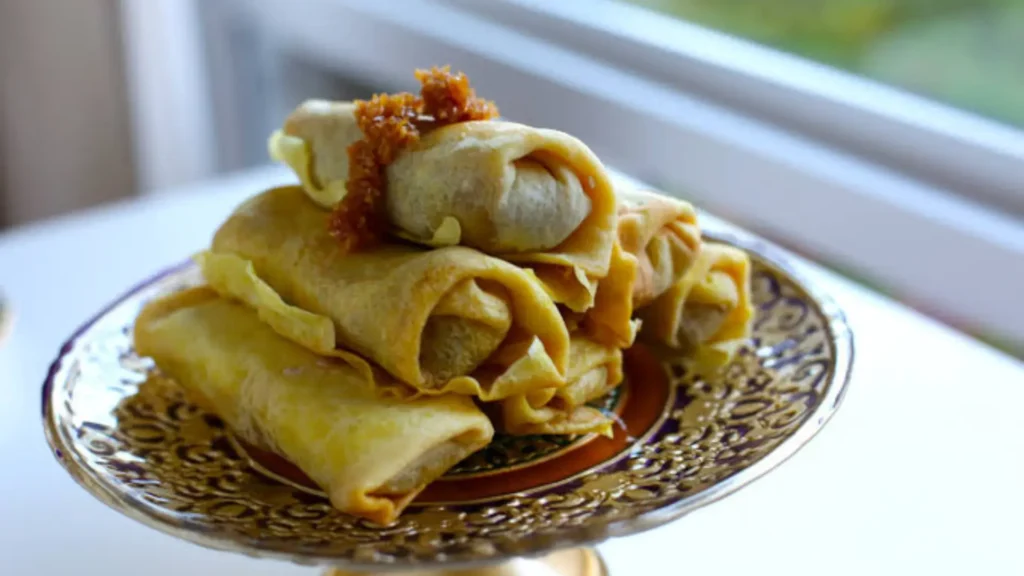
One of the most popular ways to enjoy pani pol is inside a soft Sri Lankan pancake.
Thin pancakes are filled with sweet coconut and treacle, then folded into neat rolls.
The combination of the soft pancake and warm coconut filling makes this a favourite Sri Lankan tea-time treat.
2. Imbul Kiribath
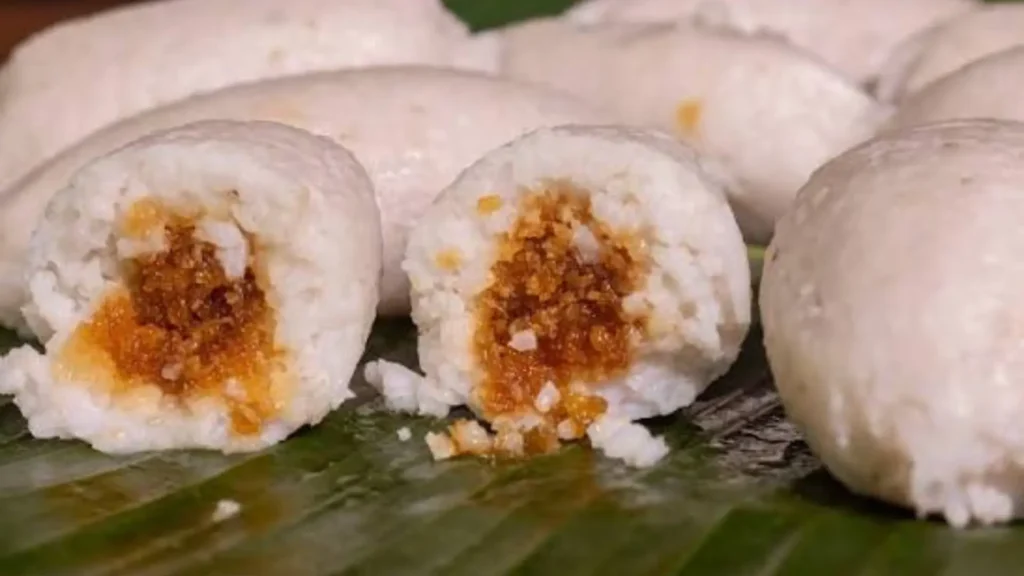
Imbul kiribath is a traditional sweet made from rice and coconut milk.
Small portions of kiribath are shaped and filled with pani pol before being folded into their familiar form.
It is particularly associated with special occasions, celebrations and New Year traditions, making it more than just a dessert – it is part of Sri Lanka’s cultural food heritage.
3. Wandu Appa
Wandu appa is a traditional steamed hopper preparation made using a hopper-style batter.
Pani pol can be used as a sweet filling, creating a soft and fragrant snack that combines the flavour of coconut, treacle and rice-based batter.
It is an excellent example of how one simple filling can be transformed into completely different dishes.
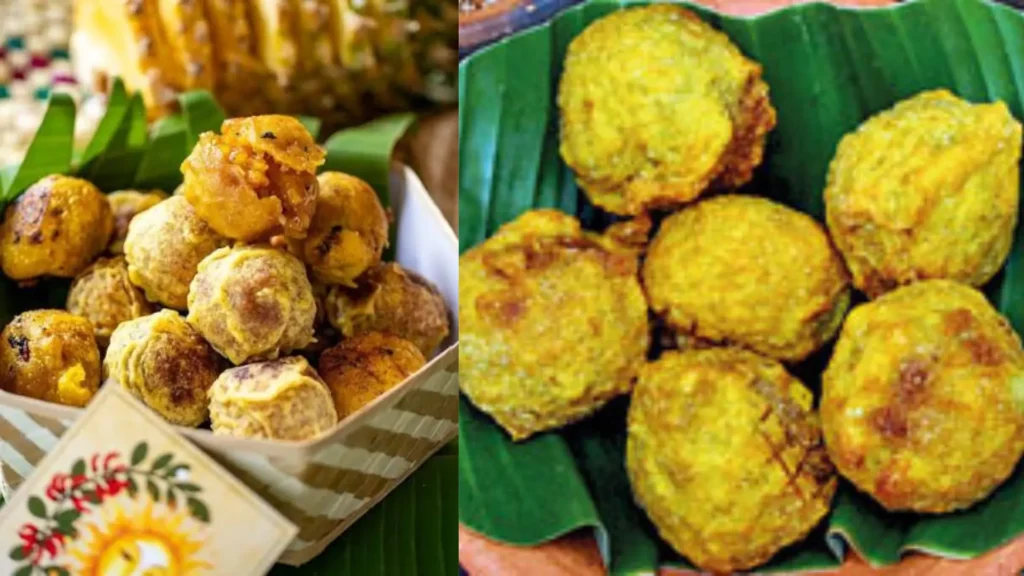
4. Naran Kavum
Naran kavum is another traditional Sri Lankan sweet where the flavours of coconut and treacle take centre stage.
Small portions of the sweet mixture are shaped, coated in batter and deep-fried until golden.
The result is crispy on the outside and soft and sweet inside.
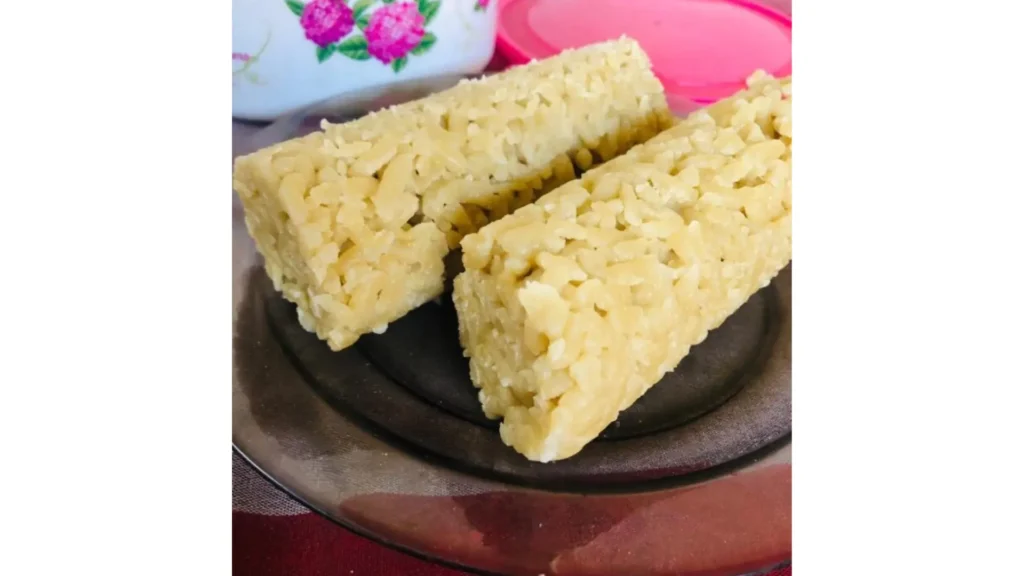
5. Madhu Pittu
Another traditional village-style sweet is madhu pittu.
Made using rice flour and coconut, this simple treat demonstrates how Sri Lankan cooks have traditionally turned a few basic local ingredients into something delicious.
Its sweetness and chewy texture make it a memorable traditional snack.
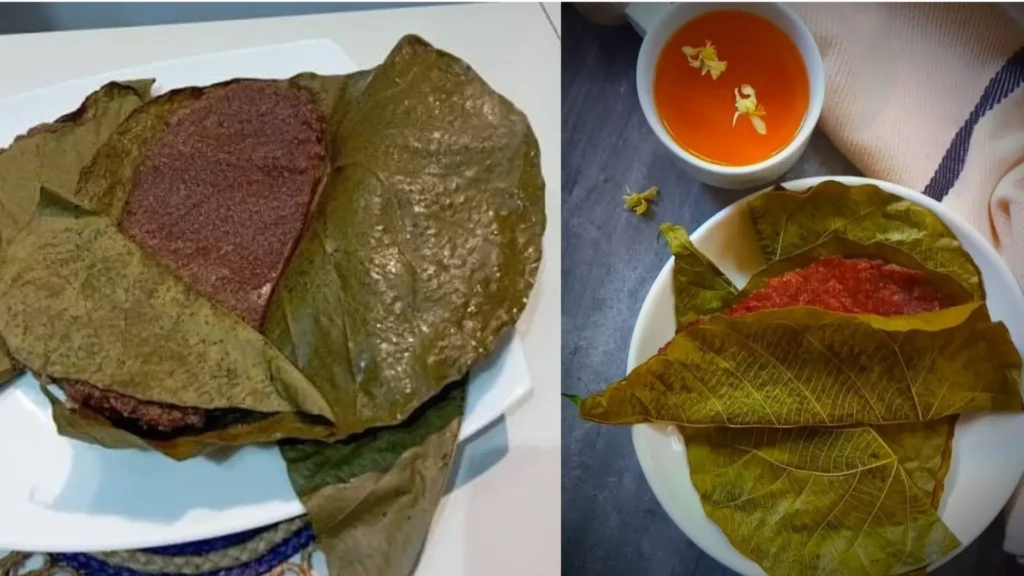
6. Helapa
Helapa is a traditional Sri Lankan sweet prepared using ingredients such as kurakkan and rice flour, coconut and treacle.
The mixture is wrapped in leaves and steamed, giving the dish its distinctive shape and earthy aroma.
It is a wonderful example of Sri Lanka’s traditional cooking methods, where natural leaves were used not only for presentation but also to add character during cooking.
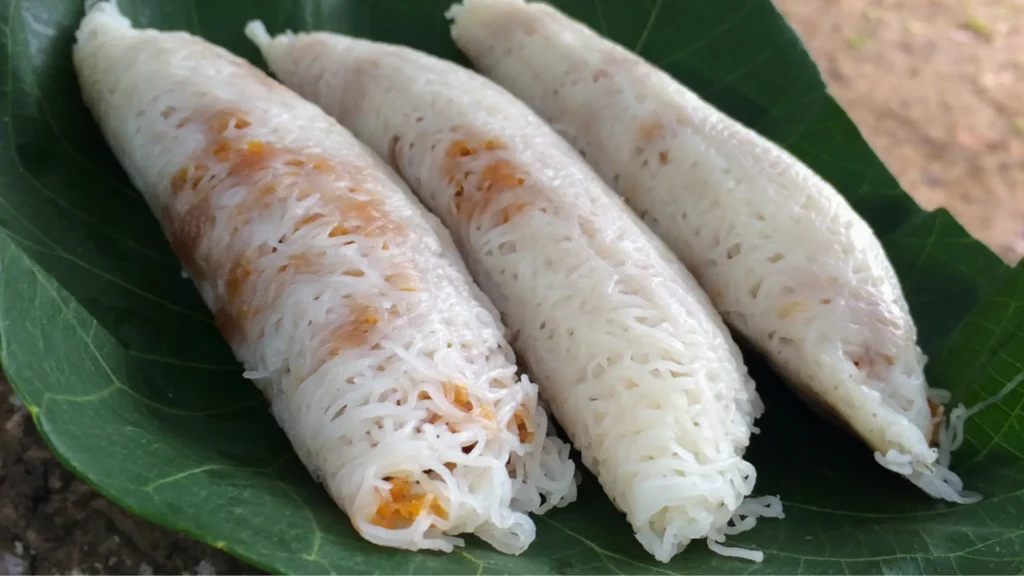
7. Lavariya
Lavariya is made by filling string-hopper dough with sweet coconut and treacle before steaming it.
The result is a soft, delicate snack with a naturally sweet centre.
It is commonly enjoyed with tea and is a perfect example of the creativity found in Sri Lankan home cooking.
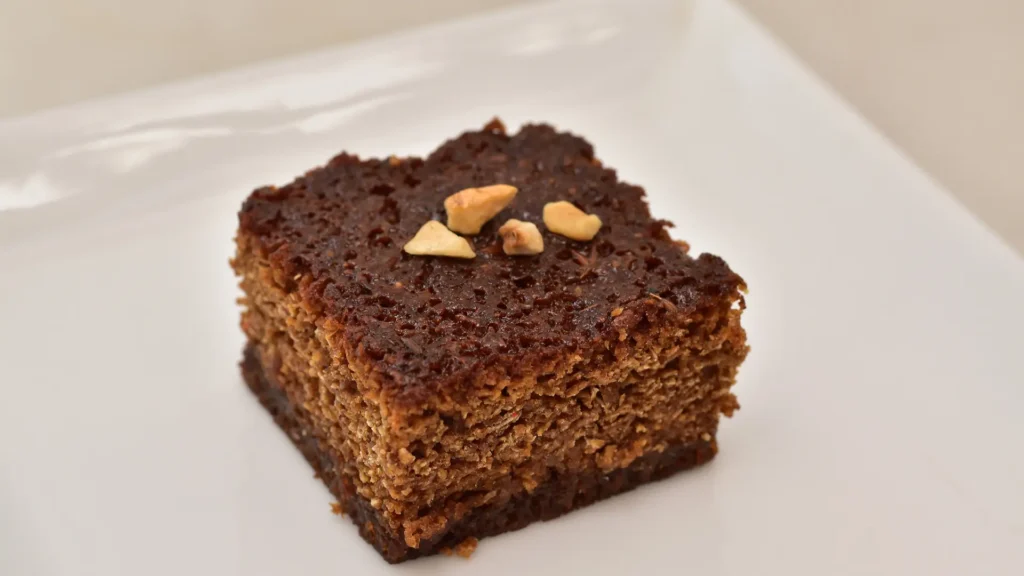
8. Bibikkan
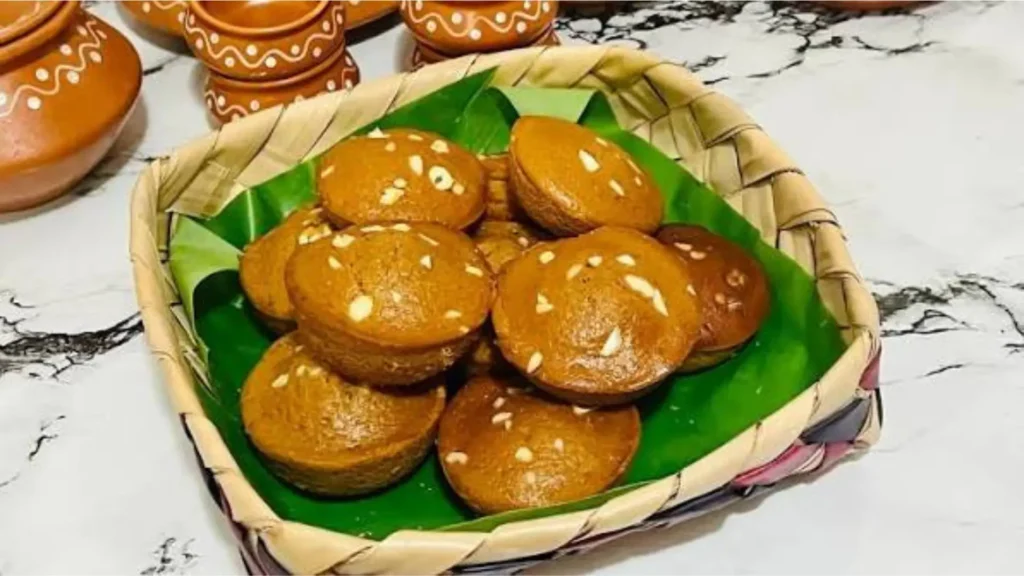
Bibikkan is a rich Sri Lankan coconut cake made with ingredients including grated coconut, treacle, flour and spices.
It is particularly associated with festive occasions and celebrations.
Dense, moist and packed with coconut flavour, bibikkan shows just how important the coconut-and-treacle combination is to Sri Lankan sweets.
9. Moong Guli
Moong guli is another traditional sweet inspired by the flavours of coconut and treacle.
Made using ingredients such as green gram, rice flour and coconut, the mixture is shaped into small balls and cooked until golden.
It is a simple village-style treat that reflects Sri Lanka’s long tradition of creating sweets from locally available ingredients.
More Than Just a Sweet Filling
Pani pol may begin with only a few ingredients, but its place in Sri Lankan cuisine is much bigger.
It connects everyday tea-time snacks with New Year celebrations, village traditions, family recipes and festive occasions.
The combination of coconut and treacle has been passed from one generation to another, with each family adding its own small variations.
For travellers, trying pani pol is a simple way to experience a side of Sri Lanka that cannot be found in a sightseeing itinerary.
Taste Sri Lanka with SL VOYO
At SL VOYO, we believe travelling through Sri Lanka means experiencing the island through its people, traditions, landscapes and food.
From a warm pani pol pancake at tea time to traditional sweets found in local homes, Sri Lankan cuisine tells stories about the island’s history and culture.
So, when you travel around Sri Lanka, don’t just look at what is on the plate.
Taste the story behind it.
Table of Contents
Tours you might like
We care about our people. That’s why we offer Heartfelt Expedition
What is it?
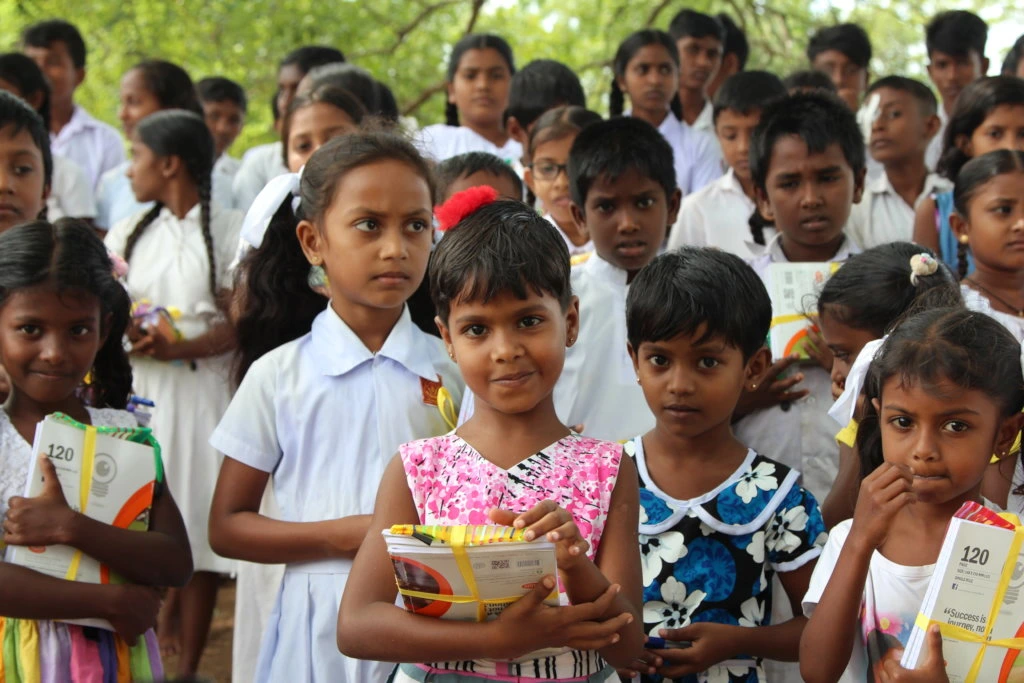
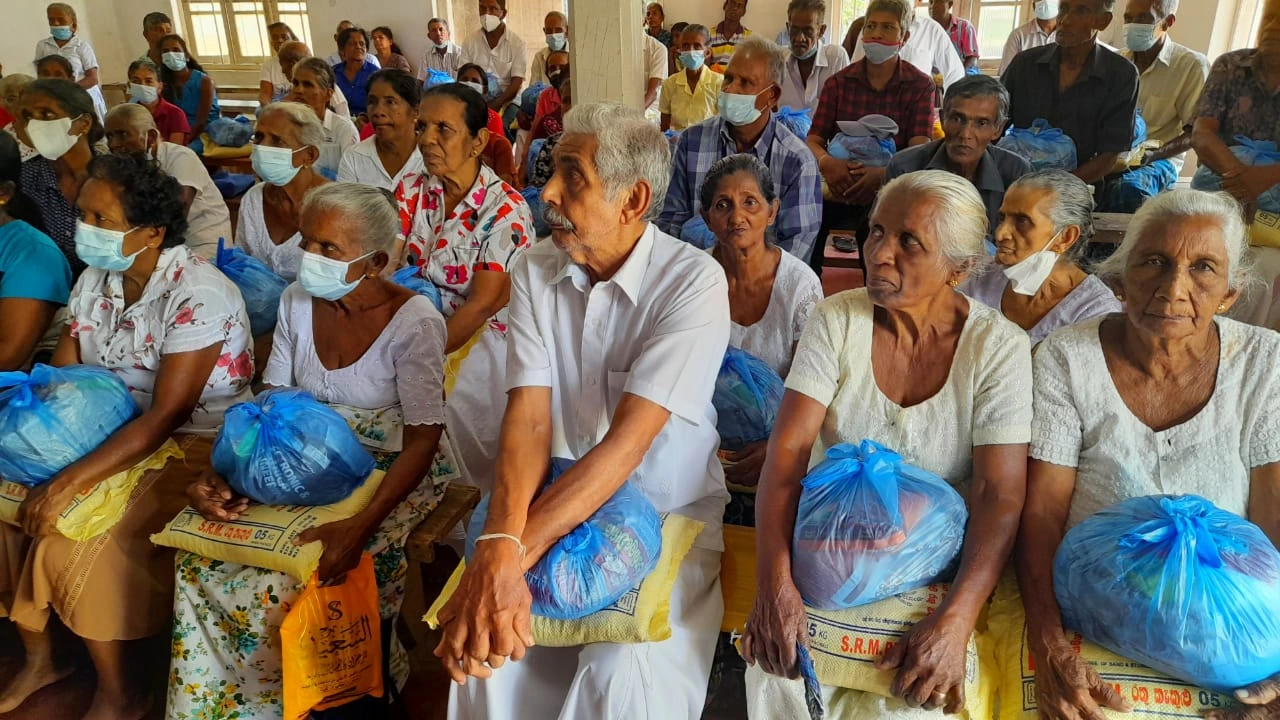
Google Ranked #1, the Heartfelt Expedition is a unique tour that invites tourists to personally engage in charitable events from the perspective of a local donor. Participants will be involved in school initiatives, elderly adoption, and community assistance throughout Sri Lanka.
Discover authentic culture and make a difference by helping local communities.