Tales of Sloth Bears – A Hidden Treasure of Yala National Park
Table of Contents
At SL VOYO, Sri Lanka’s first travel platform, we help travellers go beyond basic sightseeing and experience the island in a more meaningful way. Whether you are joining our tours or planning your own adventure, here is our friendly guide to the sloth bear of Yala National Park – one of Sri Lanka’s most fascinating and elusive wild animals.
Searching for Sri Lanka’s Elusive Sloth Bear
Yala National Park is famous for its leopards, elephants and beautiful landscapes, but the park is also home to another remarkable creature that is much harder to find – the sloth bear.
Unlike the more commonly seen animals of Yala, sloth bears are shy, unpredictable and often difficult to spot. A safari in search of one can therefore become a particularly exciting experience.
During the dry season, wildlife activity changes as animals search for food and water. For the patient visitor, this can create rare opportunities to encounter a sloth bear moving through the scrub, grasslands and forests of Yala.
Seeing one in the wild is a special moment – one that many safari enthusiasts remember long after leaving the park.
A Bear Built for the Dry Forest
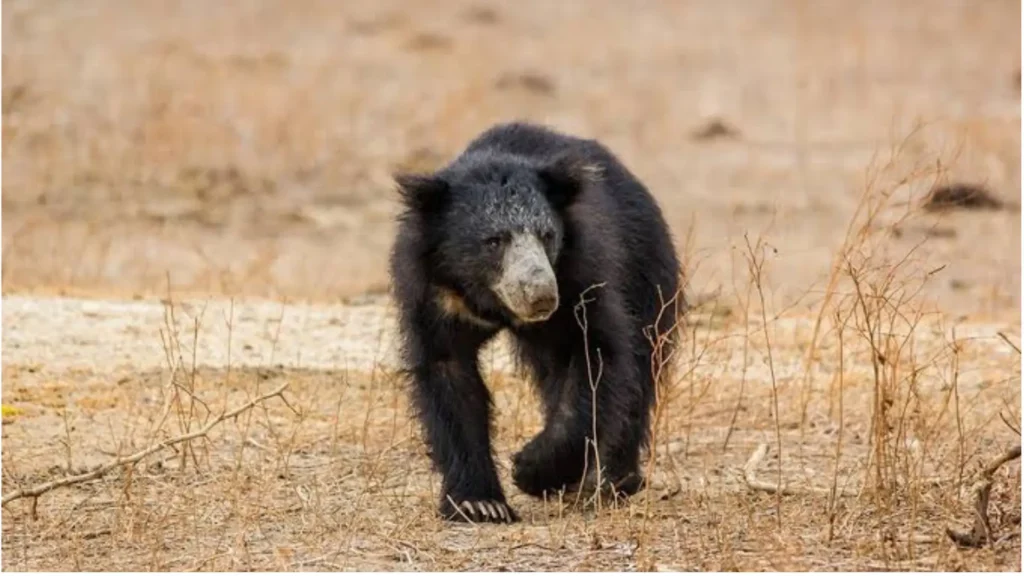
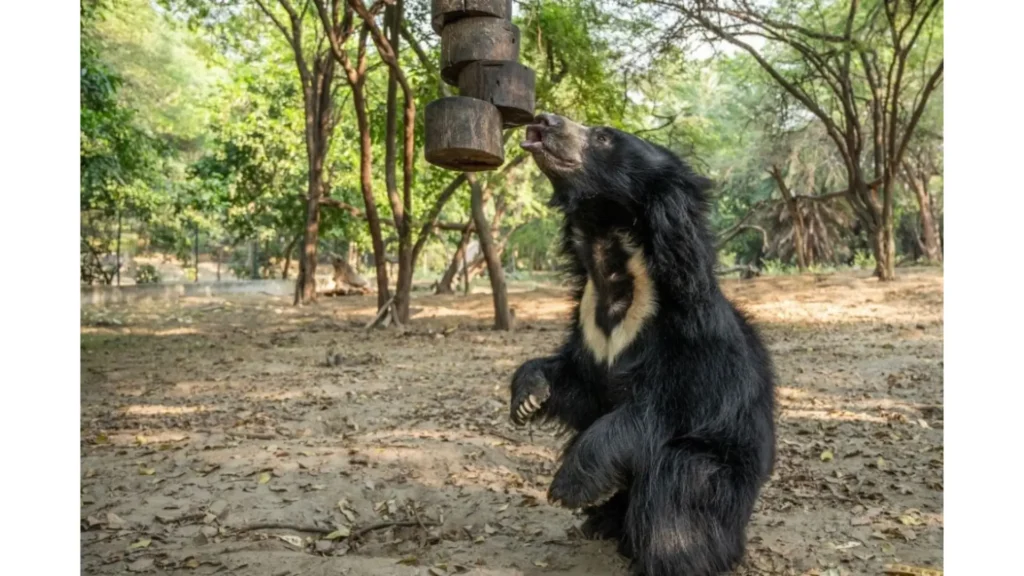
Sri Lankan sloth bears have a distinctive appearance, with long, shaggy black fur, a pale muzzle and powerful claws.
Their bodies are perfectly adapted to their environment. Their long claws help them climb trees and dig into the ground in search of food, while their strong sense of smell allows them to locate hidden sources of nourishment.
They are particularly fond of seasonal fruits, insects and honey. During the Palu fruiting season, the trees produce golden fruits that can attract sloth bears into more open areas.
A bear carefully searching beneath a tree or climbing in search of fruit can be an unforgettable sight.
A Powerful Sense of Smell
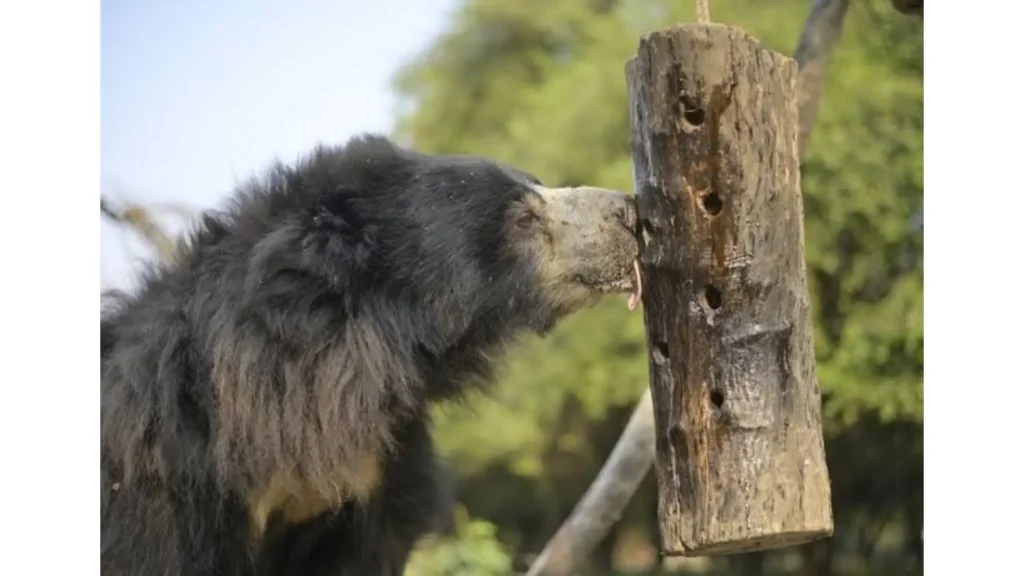
The sloth bear relies heavily on its exceptional sense of smell.
It can use this powerful ability to locate food hidden beneath leaves, soil and vegetation. Insects and termites can be dug out of mounds using its long claws, while honey provides another favourite source of food.
The bear’s diet can change depending on what is available in the forest. Fruits, insects, honey and other plant material all contribute to its varied diet.
This adaptability is important in the changing environment of Yala, where food availability shifts with the seasons.
The Magic of the Palu Season
One of the most interesting times to search for sloth bears is when Palu trees begin producing their seasonal fruits.
The golden fruits become an important food source, bringing bears into areas where they may be easier to observe.
During this period, patience becomes essential.
A safari vehicle may stop near a fruiting tree while the guide carefully watches the surrounding forest. Sometimes nothing happens for several minutes. Then, suddenly, a dark shape may emerge from the vegetation.
An Encounter to Remember
A sloth bear encounter is not always dramatic.
Sometimes the most memorable experience is simply sitting quietly and watching.
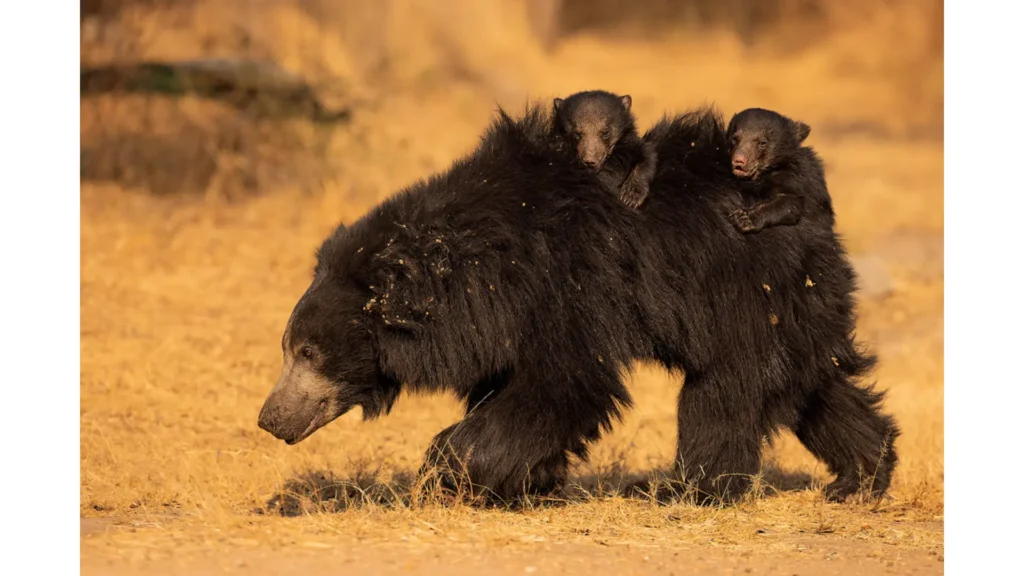
A bear may slowly search the ground for food, stop to smell the air or move cautiously through the vegetation. Mothers may also be seen with cubs, making an encounter particularly special.
Their behaviour can appear almost playful at times, but visitors should never forget that these are powerful wild animals.
The best safari experiences come from allowing the animal to behave naturally rather than attempting to get too close.
One of Yala’s Most Special Encounters
Leopards may be the stars of Yala National Park, but the sloth bear represents another side of the park’s extraordinary wildlife.
Its secretive nature makes every sighting feel like a discovery.
From searching for Palu fruit to digging for insects and wandering through the dry forest, the sloth bear has developed remarkable ways of surviving in Sri Lanka’s challenging wilderness.
For travellers lucky enough to encounter one, the experience becomes more than another photograph from a safari.
It becomes a story.
At SL VOYO, we believe Sri Lanka’s wildlife is best experienced with patience, respect and a sense of wonder.
Table of Contents
Tours you might like
We care about our people. That’s why we offer Heartfelt Expedition
What is it?
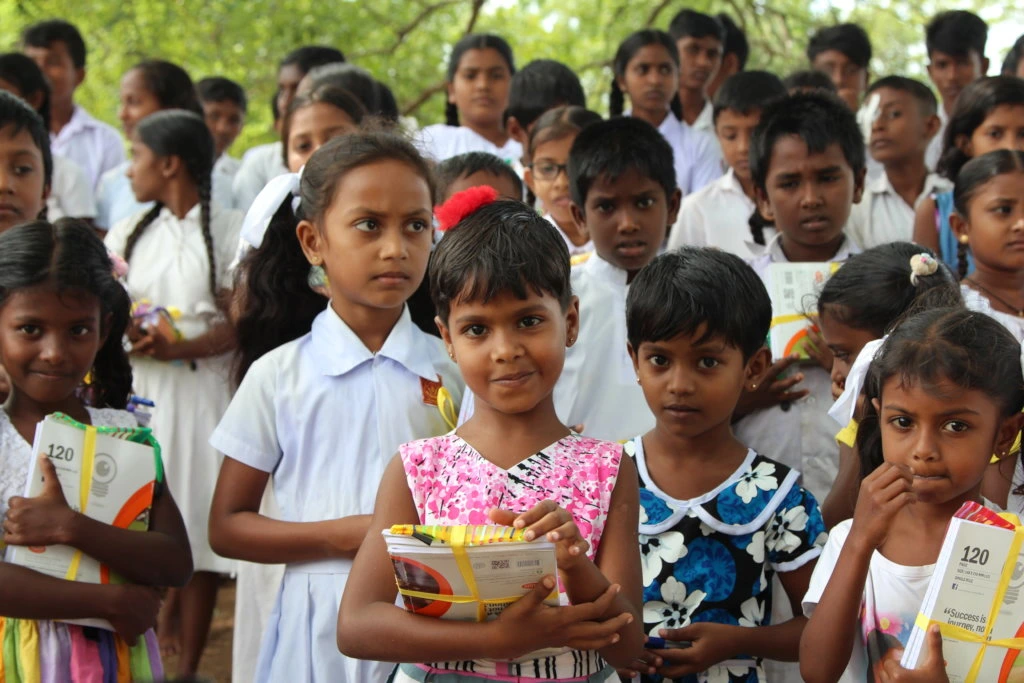
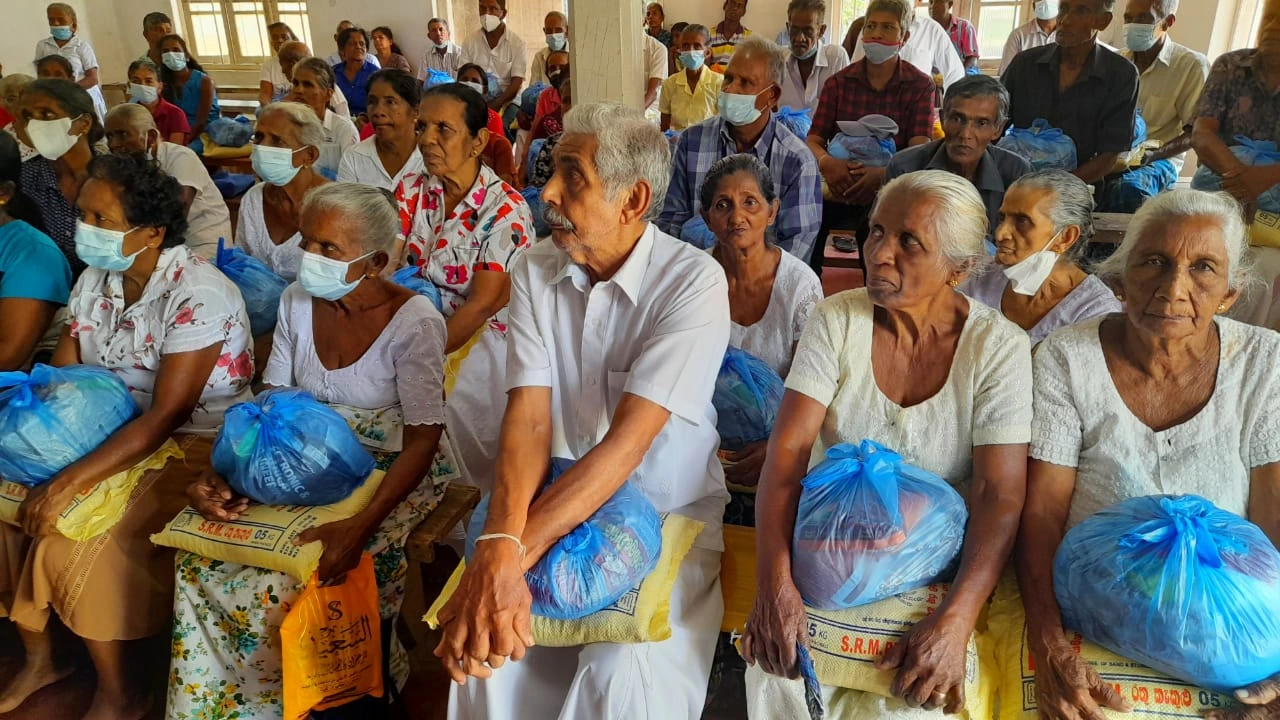
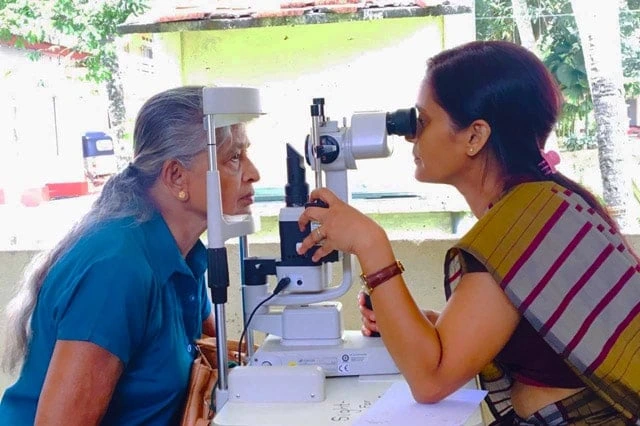
Google Ranked #1, the Heartfelt Expedition is a unique tour that invites tourists to personally engage in charitable events from the perspective of a local donor. Participants will be involved in school initiatives, elderly adoption, and community assistance throughout Sri Lanka.
Discover authentic culture and make a difference by helping local communities.