Anuradhapura is Sri Lanka’s first capital, shaped around great dagobas that placed Buddhism at the very centre of Sinhala culture. From the earliest times, kings built these sacred monuments not just for worship, but to create a capital protected by the Buddha and the Dhamma.
Whether you travel here today or imagine walking this land in the ancient 5th century, the feeling is the same. The dagobas define the city. Sacred sites such as the revered Sri Maha Bodhi and the great stupas of Ruwanwelisaya and Jetavanaramaya show how faith shaped not only worship but the very idea of a capital in Sri Lanka.
At SL VOYO, Sri Lanka’s first travel platform, we help travellers discover Sri Lanka through experiences that go beyond basic sightseeing. Whether you are joining our Sri Lanka tours or planning your own adventure, this is our friendly guide to the top things to do in Anuradhapura.
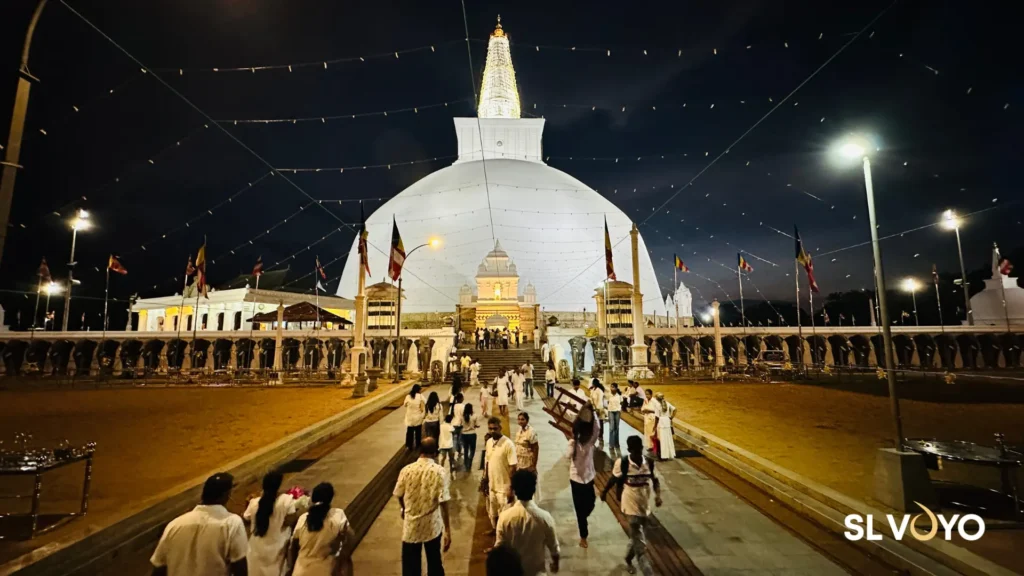
Discover the ancient city of Anuradhapura, located in Sri Lanka’s North Central Province, and experience the island’s rich history, culture, and spiritual heritage. Surrounded by peaceful landscapes and ancient ruins, this city offers a calm escape from the busy modern world. Explore serene reservoirs, majestic stupas, sacred temples, and historic monasteries that make Anuradhapura a truly unforgettable destination.
Visitors can easily reach the city by train, bus, or private car from Colombo, Kandy, or Dambulla. Once there, you can walk among ancient ruins, visit the Sri Maha Bodhi, Ruwanwelisaya, Jetavanaramaya, and Abhayagiri Monastery, and discover the ancient water systems. Experience the city’s history up close, admire its ancient engineering, enjoy the peaceful surroundings, and capture stunning photos of iconic sites.
Anuradhapura is also a hub for cultural and spiritual experiences. Whether you are interested in history, archaeology, or spirituality, this city offers a unique mix of all three, providing every visitor with a memorable and meaningful journey through Sri Lanka’s ancient heritage.
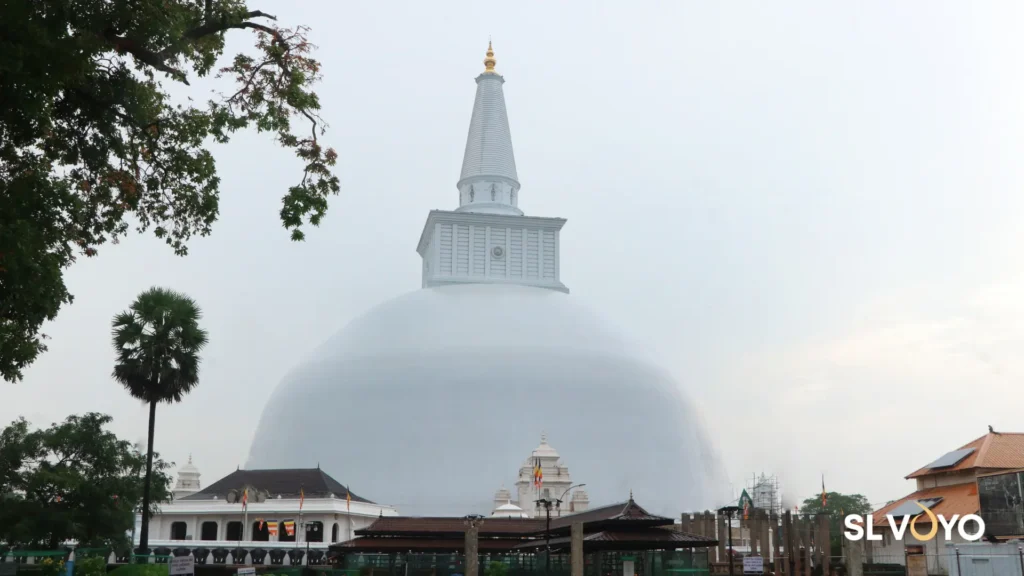
Ruwanwelisaya, also known as Ruwanweli Seya or the Pagoda of Golden Dust, is one of Sri Lanka’s most sacred and popular tourist attractions. Located in the ancient city of Anuradhapura, it is admired for its majestic white dome, golden pinnacle, elephant carvings, and peaceful surroundings.
The stupa is open every day from 5:00 AM to 8:00 PM, and no entrance ticket is required. Visitors should wear modest clothing covering shoulders and knees, and remove shoes and hats before entering. They can walk around the stupa clockwise, offer flowers, light oil lamps, meditate, observe Buddhist rituals, take photographs, and enjoy the serene atmosphere.
The best time to visit is early in the morning or late in the afternoon when the weather is cooler. Weekdays are quieter for a peaceful experience, while weekends may be busier with local pilgrims. A visit to Ruwanwelisaya is a memorable and spiritual experience for any tourist in Anuradhapura.
Tips for Visiting Ruwanwelisaya (other Temples in Anuradhapura)
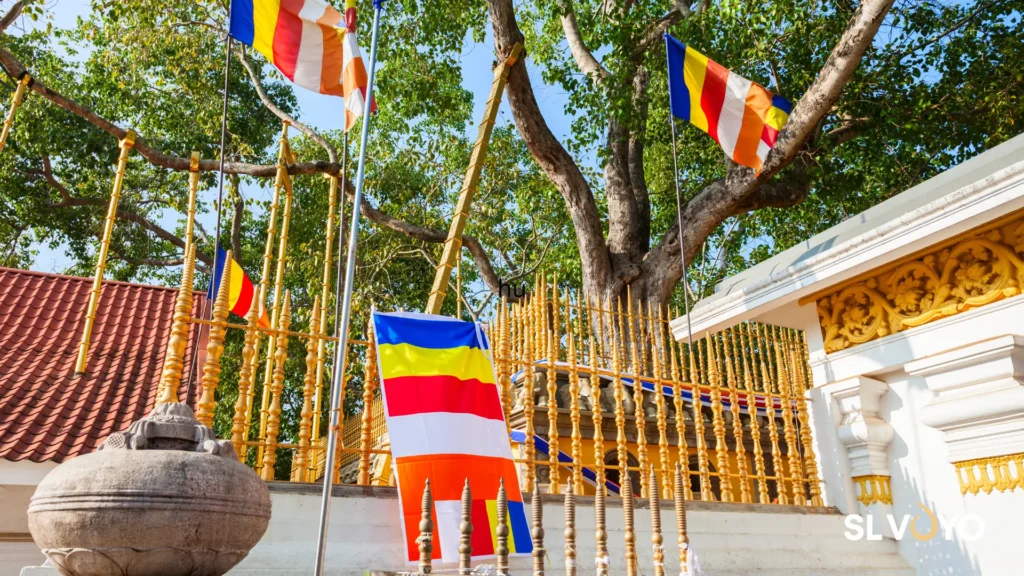
The Jaya Sri Maha Bodhi, located in the Mahamewna Gardens, Anuradhapura, North Central Province, Sri Lanka, is a sacred and respected Bodhi tree. It was brought to Sri Lanka from Bodh Gaya, India, by King Devanampiya Tissa in the 3rd century BC and planted in 288 BC. It is an important Buddhist landmark that attracts pilgrims and tourists from around the world.
Visitors can walk clockwise around the tree, meditate, offer flowers, light oil lamps, and watch Buddhist rituals. They can also see the shrines, stone carvings, and ancient structures around the tree. The calm gardens are perfect for photography, reflection, and learning about Sri Lanka’s Buddhist heritage.
The site is open daily from 5:00 AM to 8:00 PM, and no entrance ticket is needed. The best time to visit is early morning or late afternoon. Visitors should dress modestly. Women should avoid sleeveless shirts, and both men and women should avoid shorts. Wearing white or light-colored clothing is recommended. Tourists should respect rituals, stay quiet, and walk carefully. Visiting the Jaya Sri Maha Bodhi is a peaceful, spiritual, and memorable experience.
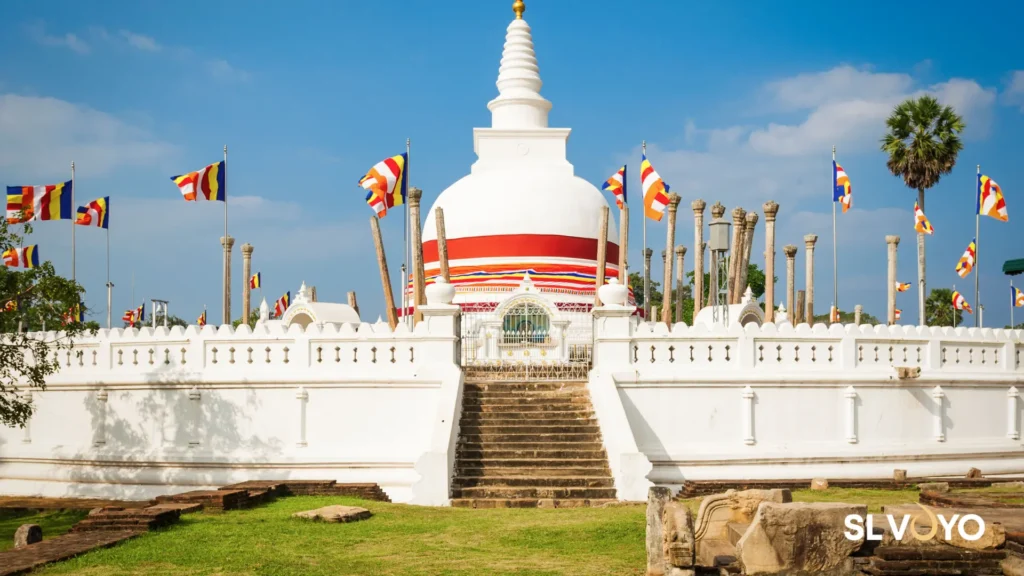
Thuparamaya is a sacred stupa in Anuradhapura, North Central Province, Sri Lanka. It was built by King Devanampiya Tissa to enshrine the right collar-bone of Lord Buddha and is one of the most important Buddhist sites in the country.
Visitors can admire the stupa’s bell-shaped structure, stone carvings, guard stones, elephant figures, and small shrines around it. They can walk clockwise, meditate, offer flowers, light oil lamps, observe rituals, and take photographs. The peaceful surroundings provide a perfect place for reflection and learning about Sri Lanka’s Buddhist heritage.
The site is open daily from 5:00 AM to 8:00 PM, and no entrance ticket is required. The best time to visit is early in the morning or late in the afternoon when the weather is cooler and the atmosphere is calm. Visitors should dress modestly, covering shoulders and knees, and remove shoes and hats before entering. Thuparamaya is a spiritual and memorable experience for pilgrims and tourists alike.
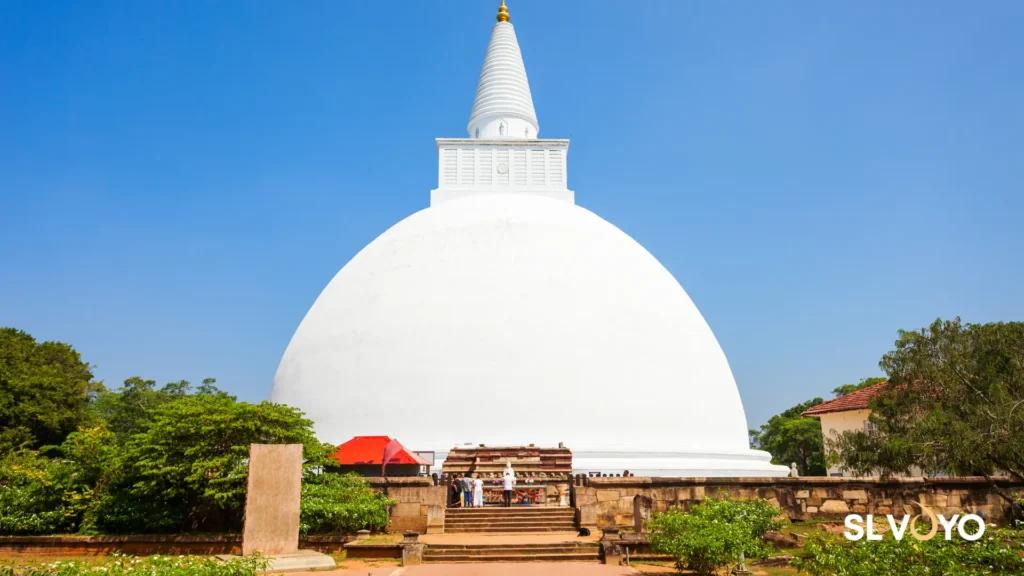
Mirisawetiya Stupa is one of the most sacred and historically important Buddhist monuments in Anuradhapura, located in Sri Lanka’s North Central Province. Situated near Tissa Wewa, the stupa is part of the city’s UNESCO World Heritage listed sacred area and is easy to reach from other major religious sites. Because of its location and importance, it is a popular place for both pilgrims and tourists.
The stupa was built by King Dutugemunu (161–137 BCE) after his victory over King Elara and is closely connected to Sri Lankan history and legend. Ancient chronicles say that the king placed sacred relics of the Buddha inside his royal sceptre. After leaving the sceptre near Tissa Wewa and going for a bath, he found that it could not be moved. Believing this to be a divine sign, the king built the Mirisawetiya Stupa on that spot to permanently enshrine the relics.
Today, Mirisawetiya Stupa is about 59 meters high and 42 meters in diameter, showing the great engineering skills and religious devotion of ancient Sri Lanka. There is no entrance fee, and the site is open daily from 6:00 a.m. to 6:00 p.m. The best time to visit is early morning or late afternoon, when the weather is cooler, the light is beautiful, and the surroundings are quiet and peaceful. Visitors can see the large white stupa, stone carvings, ancient ruins, and the calm reservoir area. Tourists should wear modest clothing that covers the shoulders and knees, and shoes and hats must be removed before entering the sacred area. Visitors can walk clockwise around the stupa, offer flowers, light oil lamps, meditate, and enjoy the serene atmosphere.
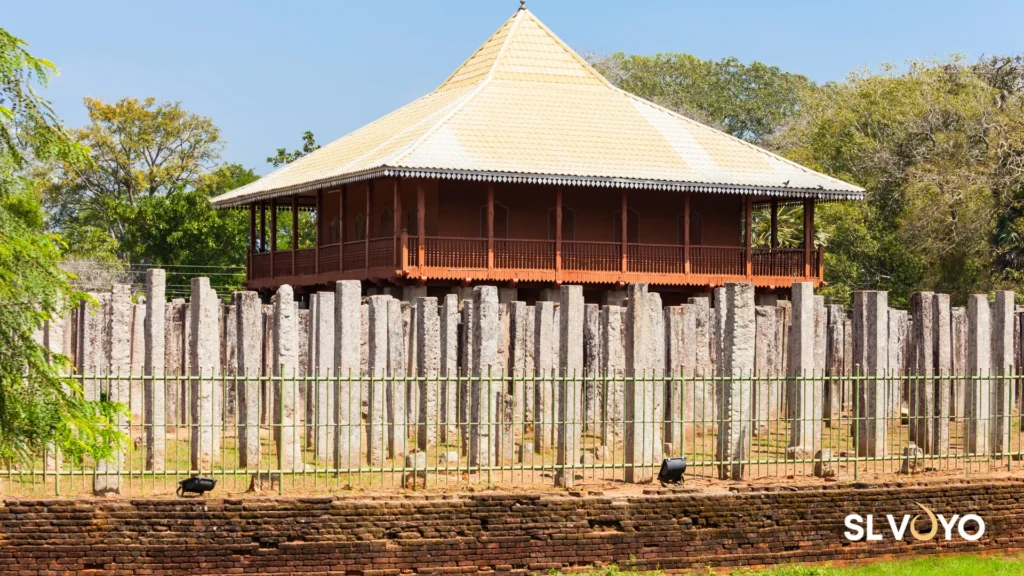
If you visit Anuradhapura, do not miss Lovamahapaya, also called the Brazen Palace or Lohaprasadaya. This ancient building is located between the Ruwanweliseya Stupa and the Sri Maha Bodhi. It is named after the bronze tiles that once covered its roof, giving it a shining appearance. Today, visitors can see the stone foundations and rows of granite pillars that show how grand it once was. Lovamahapaya was used as a residence and monastery for Buddhist monks, highlighting the important role of Buddhism in ancient Sri Lanka.
The palace was first built by King Devanampiyatissa and later redesigned by King Dutugemunu, taking about six years to complete. It had seven or nine storeys and could house nearly 1,000 monks and attendants, making it more like a monastery than a royal residence. Visiting Lovamahapaya lets you admire its advanced architecture and learn about Buddhist history in Anuradhapura.
The site is open daily from 6:00 a.m. to 6:00 p.m., and there is no entrance fee, making it accessible to all visitors. The best time to visit is early morning or late afternoon. Visitors should wear modest clothing, covering shoulders and knees, and remove shoes before entering. You can walk among the pillars, take photos, enjoy the calm surroundings, and explore ancient architecture. Lovamahapaya is a must-visit attraction for anyone interested in Anuradhapura’s rich culture, history, and spirituality.
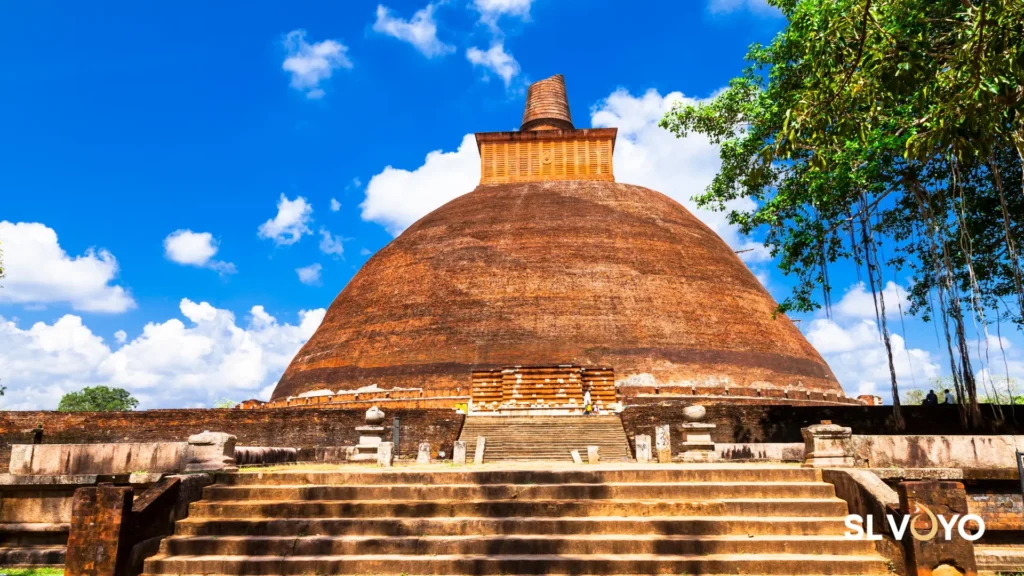
Jetavanaya Stupa is one of the most important ancient monuments in Anuradhapura, Sri Lanka, and a sacred place for Buddhists. It was built in the 3rd century CE by King Mahasena and later completed by King Maghavanna I. The stupa belongs to the Jetavana Monastery, which once housed thousands of Buddhist monks and played a key role in the religious life of the ancient capital.
The history of Jetavanaya is linked to an important religious change in Sri Lankan Buddhism. King Mahasena built the stupa to support the Jetavana monastic sect, which was different from the Mahavihara tradition. The construction of Jetavanaya showed royal support for religious reform and unity and marked a turning point in Buddhist history on the island.
Originally, Jetavanaya stood about 122 meters tall, making it one of the tallest structures in the ancient world, second only to the pyramids of Egypt. Today it rises to around 70 meters, showcasing the advanced engineering and brick-making skills of ancient Sri Lanka. The stupa enshrines important relics of Lord Buddha, making it a major place of worship and pilgrimage.
Jetavanaya Stupa is open daily from about 6:00 a.m. to 6:00 p.m. There is no entrance fee, making it accessible to all visitors. The best time to visit is early morning or late afternoon, when the weather is cooler, and the atmosphere is peaceful. Visitors should wear modest clothing, covering shoulders and knees, and remove footwear before entering. At the site, visitors can walk around the stupa, offer flowers, meditate, explore the ruins, and enjoy beautiful views, especially at sunrise and sunset. Because of its size, history, and calm atmosphere, Jetavanaya Stupa is a must-visit attraction in Anuradhapura.
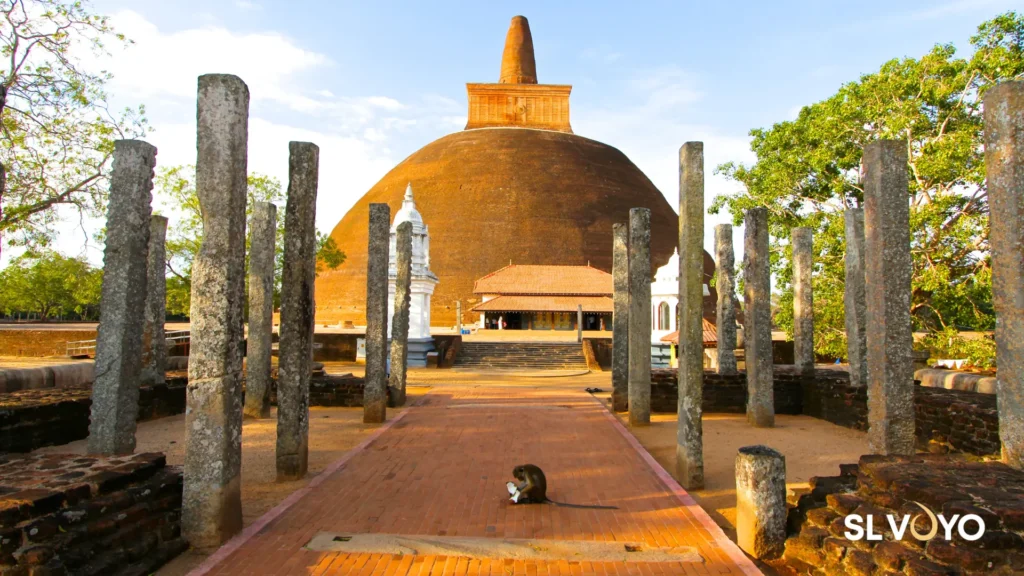
Abhayagiri Stupa is one of the most important ancient monuments in Anuradhapura, Sri Lanka, dating back to the 1st century BCE. Built by King Vaṭṭagāmaṇi Abhaya (King Valagamba) after regaining his throne, the stupa was constructed as an act of gratitude and devotion to Buddhism. It later became the centre of the Abhayagiri Monastery, a major religious and learning centre where thousands of monks once lived and studied.
This great stupa represents the strength of Buddhism and royal support for the Sangha. Originally rising to about 370 feet, it was one of the tallest structures in the ancient world, showcasing the advanced engineering skills of ancient Sri Lanka. Its massive structure, peaceful surroundings, and nearby ruins make it a powerful symbol of the country’s religious and cultural heritage.
Abhayagiri Stupa is open daily from 6:00 a.m. to 6:00 p.m., and there is no entrance fee, making it accessible to everyone. The best time to visit is early morning or late afternoon when the atmosphere is calm and cool. Visitors should wear modest clothing, covering shoulders and knees, and remove footwear before entering the sacred area.
Around Abhayagiri, visitors can see ancient monastery ruins, stone pathways, ponds, guard stones, moonstones, and meditation halls, which reflect the daily life of monks long ago. Visitors can walk around the stupa, offer flowers, light oil lamps, and meditate in the calm surroundings. For staying nearby, Anuradhapura town offers hotels, guesthouses, and homestays, making it easy for visitors to explore the stupa and other nearby attractions over one or more days. With its rich history, spiritual atmosphere, and scenic ruins, Abhayagiri Stupa is a must-visit destination for pilgrims, history lovers, and travellers seeking peace and inspiration.
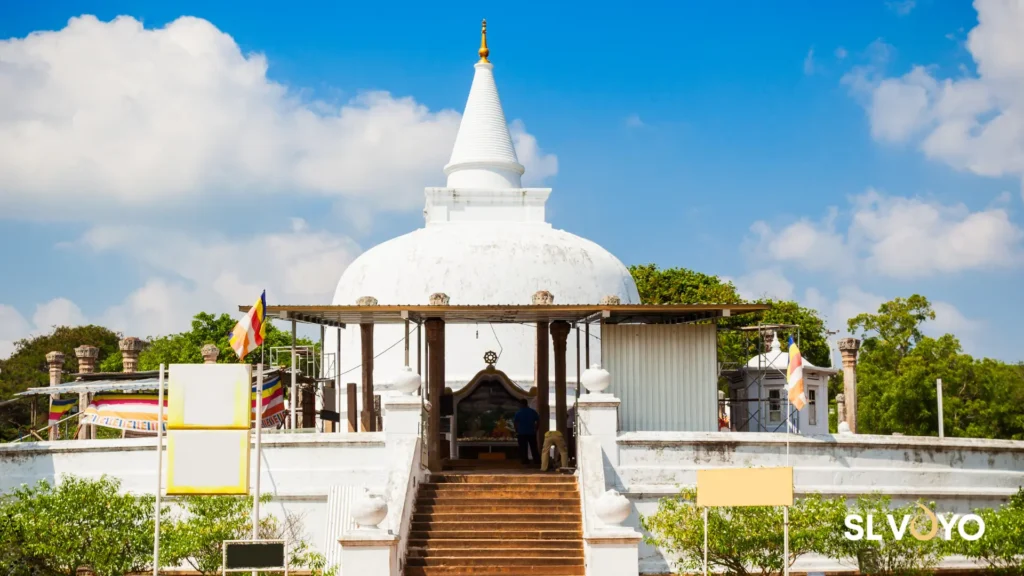
Step into history at Lankarama Stupa, an ancient stupa built by King Vaṭṭagāmaṇi Abhaya (King Valagamba) in Galhebakada, Anuradhapura, around the 1st century BCE. This sacred site remains a place of devotion and spiritual reflection for Buddhists and is a must-visit for anyone interested in Sri Lanka’s rich Buddhist heritage. Built during a period of religious revival, Lankarama Stupa reflects the deep faith and history of the ancient kingdom.
Although smaller than other stupas in Anuradhapura, Lankarama offers a calm, peaceful, and spiritual atmosphere that makes it unique. Visitors can walk clockwise around the stupa, observe its structure, meditate, offer flowers, and light oil lamps. The surrounding area features ancient ruins, stone pathways, smaller shrines, and a serene landscape, giving a glimpse into the lives of monks and the architectural style of the time. Spending 45 minutes to an hour here allows you to fully enjoy the tranquillity and spiritual energy of this sacred site.
Located in Galhebakada, near the heart of Anuradhapura, Lankarama Stupa is open daily from 6:00 a.m. to 6:00 p.m., and there is no entrance fee, making it easy for everyone to visit. The best time to experience the stupa is early morning or late afternoon, when the atmosphere is calm and the weather is cool. Visitors are advised to wear modest clothing, covering shoulders and knees, and remove footwear before entering the sacred area. With its rich history, spiritual significance, and peaceful surroundings, Lankarama Stupa is a perfect destination for pilgrims, history lovers, and travellers seeking inspiration and reflection, an unforgettable experience in the heart of ancient Sri Lanka.
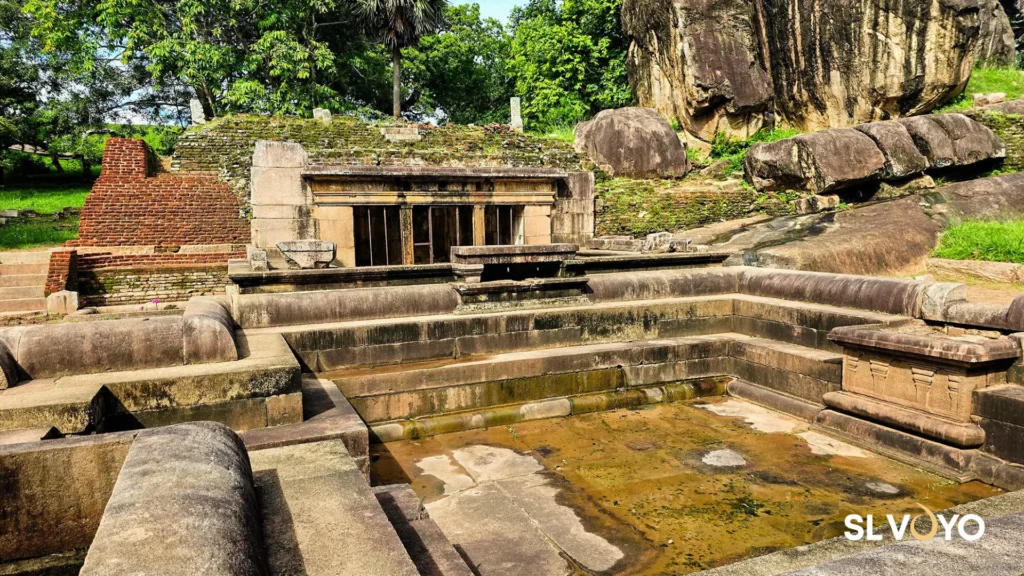
Ranmasu Uyana is one of the most fascinating ancient royal gardens in Sri Lanka, located in the Sacred City of Anuradhapura beside the historic Isurumuniya Temple and near Tissa Wewa. Dating back to the 3rd century BC during the reign of King Tissa, this royal pleasure garden once served as a retreat for kings and nobles of the Anuradhapura Kingdom. Surrounded by lush greenery, ancient stone structures, and calm water features, it offers visitors a peaceful atmosphere that reflects the refined lifestyle of Sri Lanka’s ancient civilisation.
Visitors to Ranmasu Uyana can explore rock-cut bathing ponds, admire ancient stone carvings, and learn about the advanced hydraulic water system that once brought water from Tissa Wewa using pressure differences, showcasing impressive ancient engineering skills. One of the main attractions is the mysterious Sakwala Chakraya, a circular stone carving that continues to spark curiosity and legends. As part of the UNESCO World Heritage Site of Anuradhapura, the garden holds great cultural, historical, and technological importance.
Ranmasu Uyana is usually open daily from around 7:00 AM to 6:00 PM, making it easy to include in a city tour. The best time to visit is early morning or late afternoon when the weather is cooler, and the surroundings are quieter. Visitors can enjoy walking through the garden, photography, quiet relaxation, and cultural exploration. Comfortable shoes and drinking water are recommended, and visitors should respect the archaeological site. A separate and affordable entrance fee applies to foreign visitors. Whether you love history, nature, or photography, Ranmasu Uyana offers a calm and memorable experience.
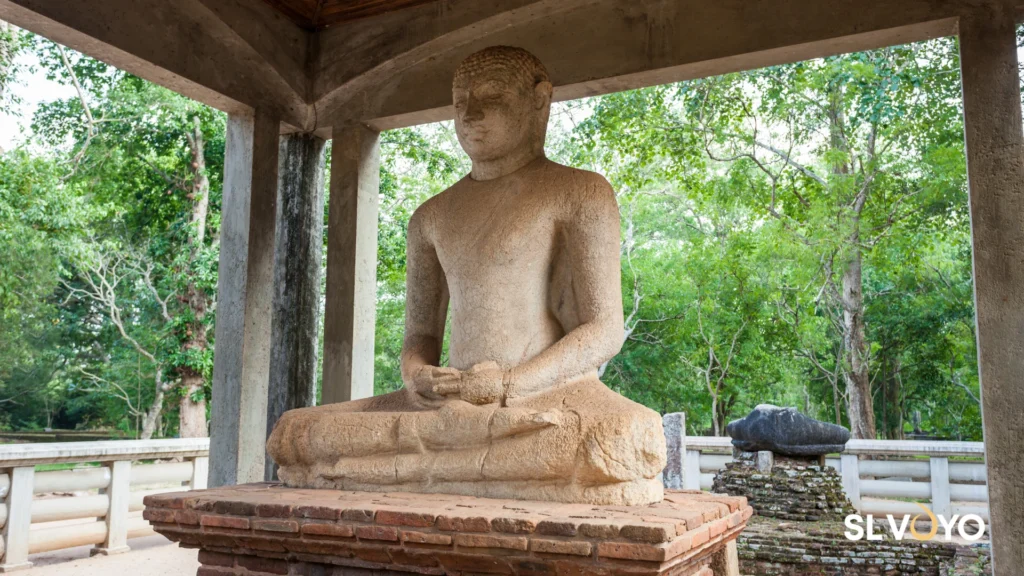
The Samadhi Buddha Statue at Rambodagalla is a breathtaking masterpiece carved from live rock by skilled Indian craftsmen led by Muthu Muthiah Sathapathi. The statue was constructed over a period of 13 years and stands 67.5 feet tall, representing the Buddha in a state of deep meditation. Its serene facial expression and graceful posture symbolise inner peace and spiritual focus, reflecting the essence of Buddhist meditation practice. Historically, the statue was created to honour the spiritual teachings of the Buddha and to serve as an inspiration for devotees and visitors, showcasing the remarkable artistry and devotion of its creators.
Set in the lush, tranquil surroundings of Rambodagalla, the site offers scenic views perfect for meditation, quiet reflection, and photography. Visitors can walk around the statue, enjoy the peaceful ambience, and connect with Sri Lanka’s rich spiritual and cultural heritage. The site is generally open daily from early morning until evening (around 7:00 AM to 6:00 PM), and the best time to visit is early morning or late afternoon when the surroundings are calm and the weather is pleasant. A small entrance fee helps preserve this iconic landmark, making it a must-visit for history lovers, spiritual seekers, and travellers seeking serenity.
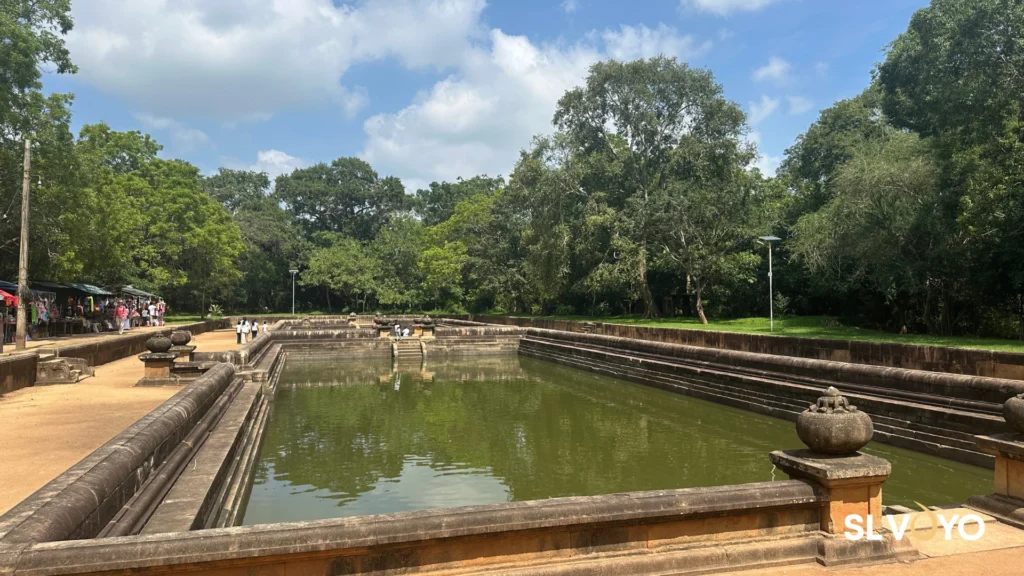
Kuttam Pokuna, or the Twin Ponds, is one of Anuradhapura’s most remarkable historical and architectural treasures. Built in the 8th century during King Aggabodhi II’s reign, these stone bathing pools were used by Buddhist monks for ritual baths. Crafted by skilled Sinhalese artisans, the smaller pond is 4.3 metres (14 ft) deep and the larger 5.5 metres (18 ft), with 18 feet (5.5 m) between them. The underground water channels that supplied the ponds are an outstanding example of ancient hydrological engineering, making the site a must-see for history and architecture enthusiasts.
Visitors can explore the ponds, admire the stonework, and enjoy the serene monastic atmosphere, ideal for photography, quiet reflection, and appreciating ancient engineering. Walking around the lush, well-maintained grounds, one can imagine how monks performed their sacred rituals while soaking in the calm, spiritual environment.
Kuttam Pokuna is open daily from 7:00 AM to 6:00 PM, with early morning or late afternoon being the best time to visit. It is easily accessible by bus or train from Colombo, with a short drive from Anuradhapura city centre. A small entrance fee for foreign visitors helps preserve this iconic site, and nearby stalls offer souvenirs, snacks, and refreshments. Whether you are a history lover, photographer, or traveller seeking tranquillity, Kuttam Pokuna offers a captivating glimpse into ancient Sri Lankan engineering, architecture, and monastic life.
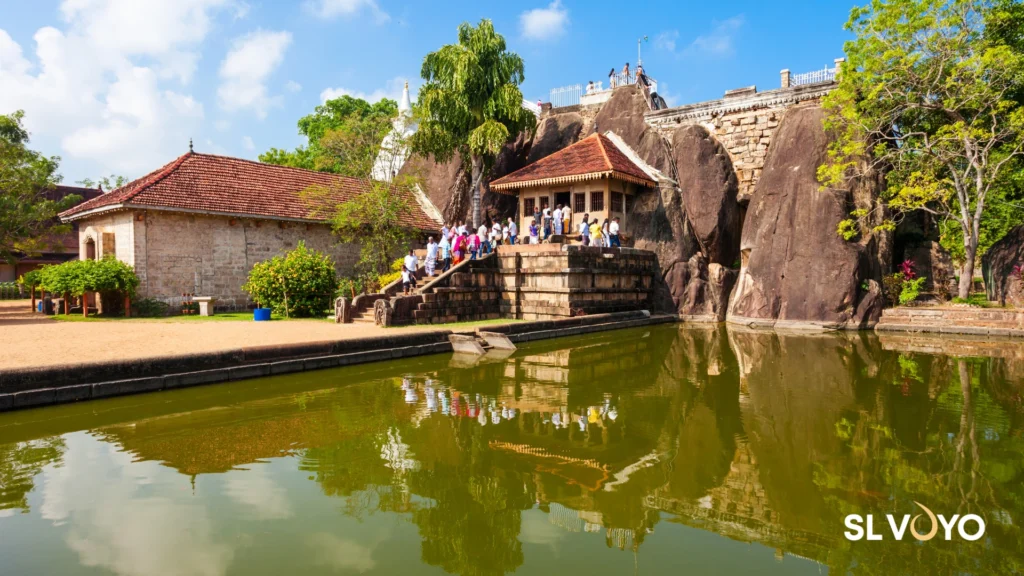
Isurumuniya Temple is a stunning ancient Buddhist temple located in Anuradhapura, near Tissa Wewa and just minutes from the Sacred City. Originally known as Meghagiri Vihara, it was built in the 3rd century BC by King Devanampiya Tissa. With a history of over 2,300 years, the temple is a remarkable symbol of Sri Lanka’s early Buddhist heritage and ancient craftsmanship.
The temple is world-famous for its beautiful stone carvings, especially the legendary Isurumuniya Lovers, believed to represent Prince Saliya and Asokamala, a romantic story of love over royalty. Another legend links the figures to Shiva and Parvati. Visitors can also admire the Horseman carving, Elephant Pond, ancient inscriptions, monk caves, and peaceful Buddha statues.
Open daily from 8.00 a.m. to 6.00 p.m., Isurumuniya offers a calm and spiritual experience—perfect for walking, photography, meditation, and learning history. Foreign adults pay around LKR 500 as the entrance fee. Visitors should wear modest clothing and remove footwear before entering. With its rich history, romantic legends, and serene surroundings, Isurumuniya Temple is a must-visit attraction that captures the timeless spirit of ancient Sri Lanka.
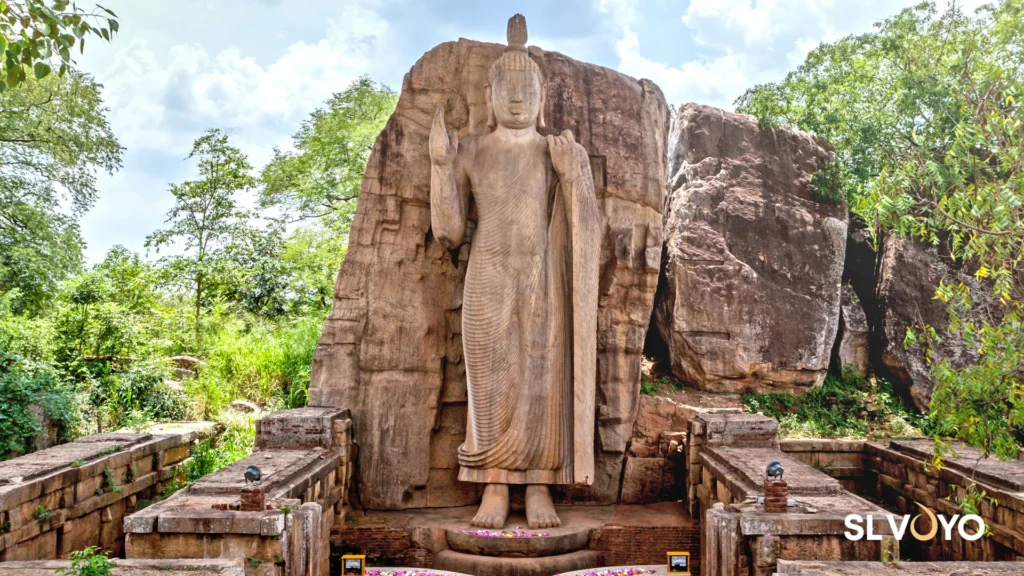
The Avukana Buddha Statue is a breathtaking standing statue located in Avukana village, Anuradhapura District, near Kekirawa and the Kala Wewa reservoir, about 30 km northwest of Dambulla. Carved from a single rock, it stands gracefully beside the tranquil Kala Wewa tank, offering a serene and spiritual atmosphere. Believed to have been built by King Dhatusena in the 5th century AD, or sculpted by Barana, this masterpiece is a stunning symbol of devotion and the rich Buddhist art of ancient Sri Lanka.
Standing at about 12 meters (39 feet) tall, the Avukana Buddha statue is one of the tallest standing Buddha statues in the country. Visitors are amazed by its intricate carvings, peaceful expression, and flowing robe folds, reflecting the skill of ancient Sri Lankan sculptors. The site is ideal for meditation, photography, and exploring cultural heritage, and nearby, the Buddha statue at Sasseruwa adds another fascinating stop for history and art lovers.
The temple is open daily from 8:00 a.m. to 5:00 p.m., with the best times to visit early in the morning or late afternoon when the sunlight beautifully highlights the statue. Foreign visitors pay around LKR 300–500 for entry, and locals pay a smaller fee. Visitors should wear modest clothing covering shoulders and knees, and remove footwear before approaching the statue. You can walk around, meditate, take photos, and soak in the peaceful surroundings. For a richer experience, hiring a local guide will help you learn the fascinating history, artistry, and legends behind this ancient marvel.
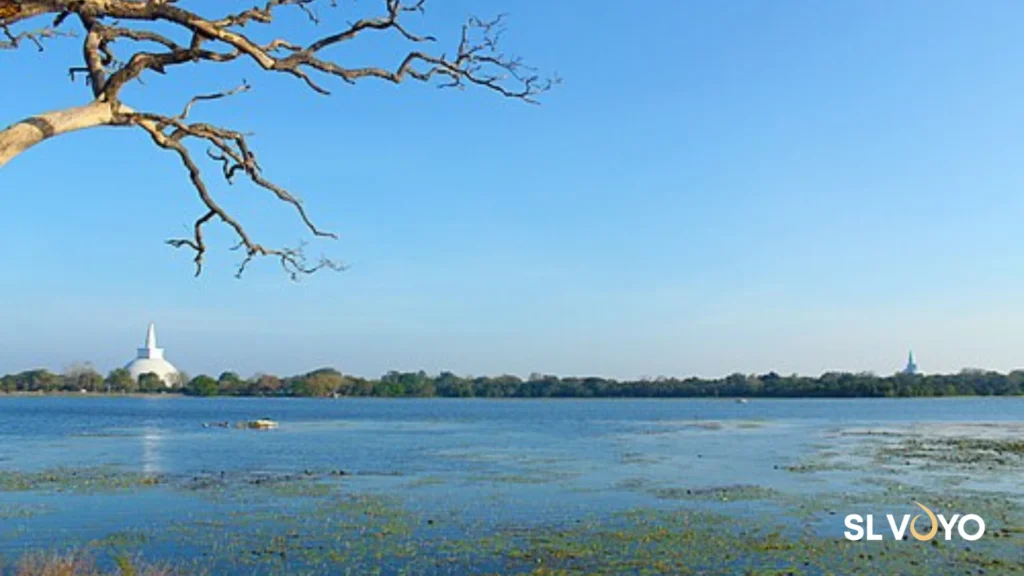
Basawakkulama Wewa, also known as Abhaya Wewa, is Sri Lanka’s first recorded reservoir, located near Anuradhapura. It was first built by Prince Anuradha and later expanded by King Pandukabhaya (437–367 BCE) to supply water to his growing capital. Named after one of the king’s uncles, the reservoir was designed to collect rainwater, provide water for bathing, and irrigate nearby farmland. Stretching about 3,900–5,910 feet long, it covers a large area and has remained an important water source for the city and pilgrims for centuries.
Basawakkulama Wewa is historically important because it marks the beginning of Sri Lanka’s famous hydraulic engineering and demonstrates the skill of ancient water management systems. It still provides irrigation for around 916 acres and water for the city. Visitors can enjoy peaceful walks along the embankments, admire the stunning views, watch spectacular sunsets, and even bathe in the clean waters of the reservoir, making it a refreshing and relaxing experience. It is also a perfect spot for photography, relaxation, and learning about the rich history and culture of ancient Sri Lanka. The entrance is usually free, and the best time to visit is early morning or late afternoon, when the weather is cool and the surroundings are peaceful.
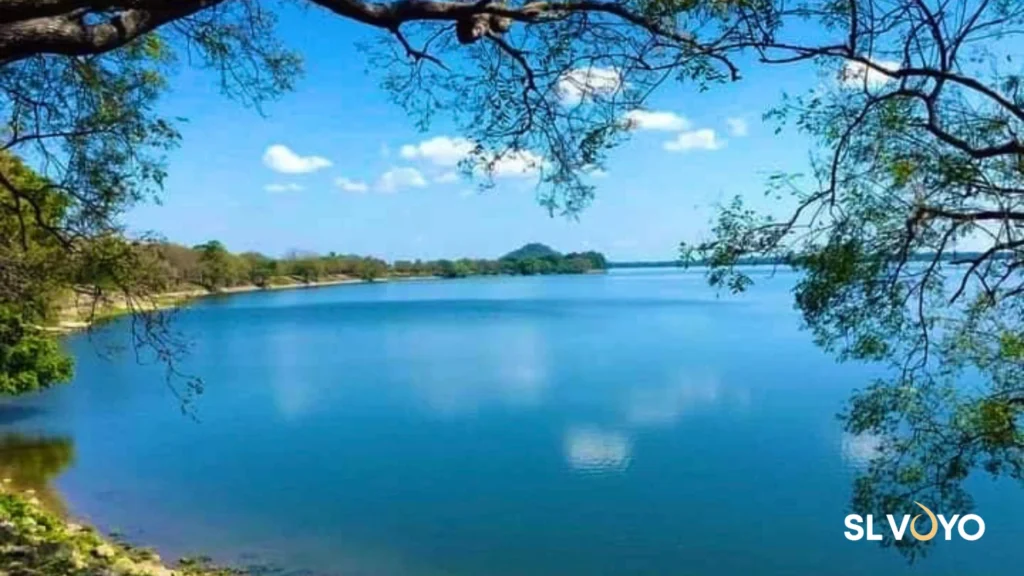
Kala Wewa is a huge ancient irrigation reservoir in the Anuradhapura District, North Central Province of Sri Lanka, near the town of Kekirawa, about 7 km southwest. It was built by King Dhatusena (454–473 CE) to increase agricultural production in the Anuradhapura region and provide a reliable water supply for the growing city. The reservoir stretches about 40 miles in circumference and was later joined with Balalu Wewa, forming a massive combined tank often called Kala-Balalu Wewa.
Visitors to Kala Wewa can enjoy peaceful walks along the embankments, boating, birdwatching, and photography, while admiring the beautiful natural scenery and calm surroundings. The nearby Aukana Buddha statue makes it easy to combine history, culture, and nature in one trip. With its vast size and tranquil waters, Kala Wewa is perfect for relaxation, learning about ancient irrigation engineering, and experiencing Sri Lanka’s rich history, making it a must-visit destination for tourists. The entrance is usually free, and the best time to visit is early morning or late afternoon, when the sunlight highlights the reservoir and the surroundings are peaceful.
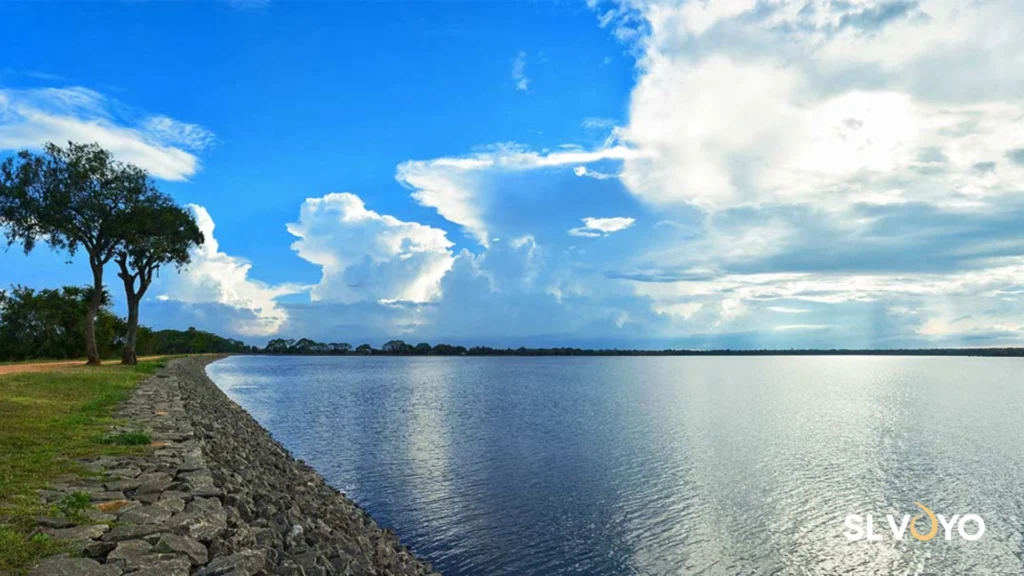
Tissa Wewa is a major ancient reservoir in Anuradhapura, North Central Province of Sri Lanka. Built in the 3rd century BC by King Devanampiya Tissa, it supplied water to the capital and the Royal Gardens, forming a vital part of the city’s irrigation system. With an embankment about 2 miles (3.2 km) long and 25 feet (7.6 m) high, it remains a remarkable example of ancient Sri Lankan engineering.
Visitors to Tissa Wewa can enjoy peaceful walks along the embankments, scenic views, photography, and soaking in the serene atmosphere. The reservoir offers a perfect mix of history, culture, and natural beauty, making it a must-visit destination for tourists. The entrance is usually free, and the best time to visit is early morning or late afternoon, when the weather is cooler and the surroundings are calm and peaceful.
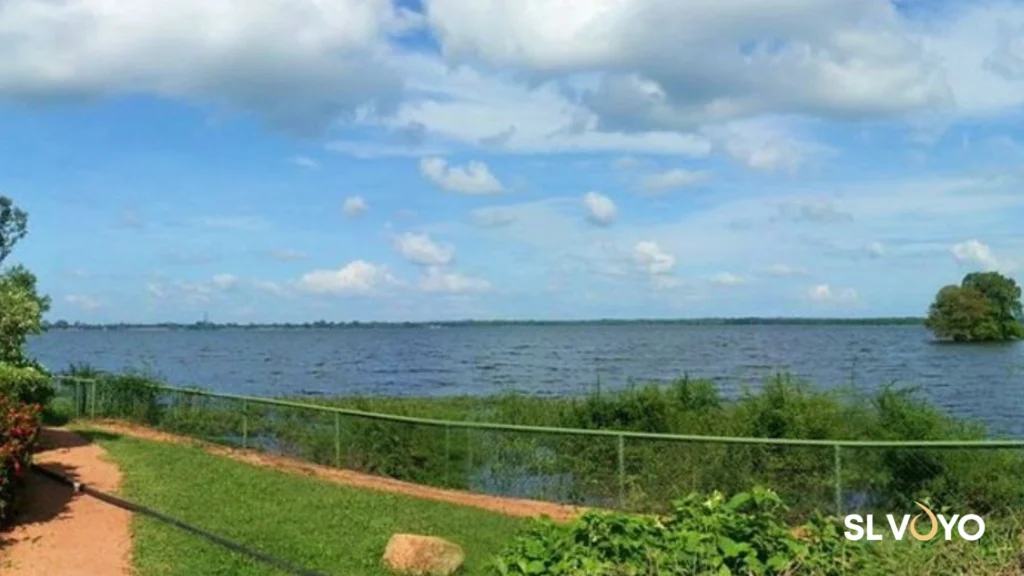
Nuwara Wewa is a beautiful ancient reservoir located in Anuradhapura, covering approximately 12 square kilometres. It was built by King Valagamba in the 1st century BC to provide water to the city and support irrigation for surrounding farmland, ensuring a reliable water supply for both residents and agriculture. The reservoir is held by a bund (embankment) that carefully regulates its water level and flow.
The area around Nuwara Wewa is surrounded by ancient ruins, shrines, and green embankments planted with trees, creating a peaceful and scenic environment. Visitors can enjoy walking along the embankments, sightseeing, photography, and soaking in the serene atmosphere. The entrance is usually free, and the best time to visit is early morning or late afternoon, when the weather is cool, and the sunlight highlights the reservoir. With its combination of history, culture, and natural beauty, Nuwara Wewa is a must-visit destination for anyone exploring Anuradhapura.
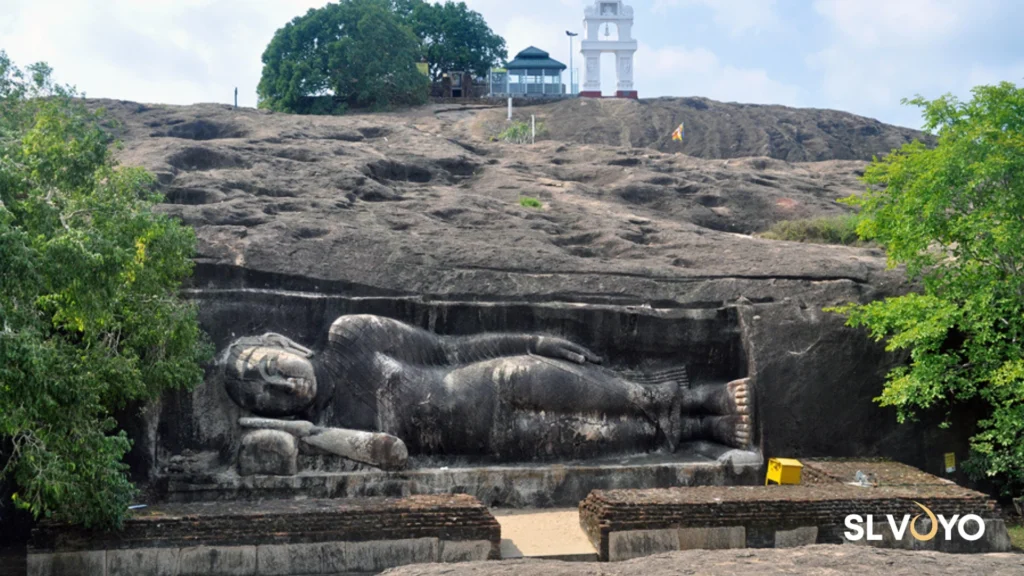
Tantirimale Rajamaha Viharaya is an ancient and sacred Buddhist temple located about 20 km from Anuradhapura, and it takes around 30–40 minutes by car to reach. The temple is surrounded by forests and rocky hills, creating a very calm and peaceful environment.
Tantirimale Rajamaha Viharaya is important because it is believed to be one of the places where Queen Anula, Sri Lanka’s first Buddhist nun, practiced meditation. The temple is famous for its large reclining Buddha statue, ancient rock inscriptions, cave shelters used by monks, and spiritual atmosphere. Today, it is a respected pilgrimage site and a beautiful place for visitors who want to experience Sri Lanka’s ancient Buddhist heritage and peaceful nature.
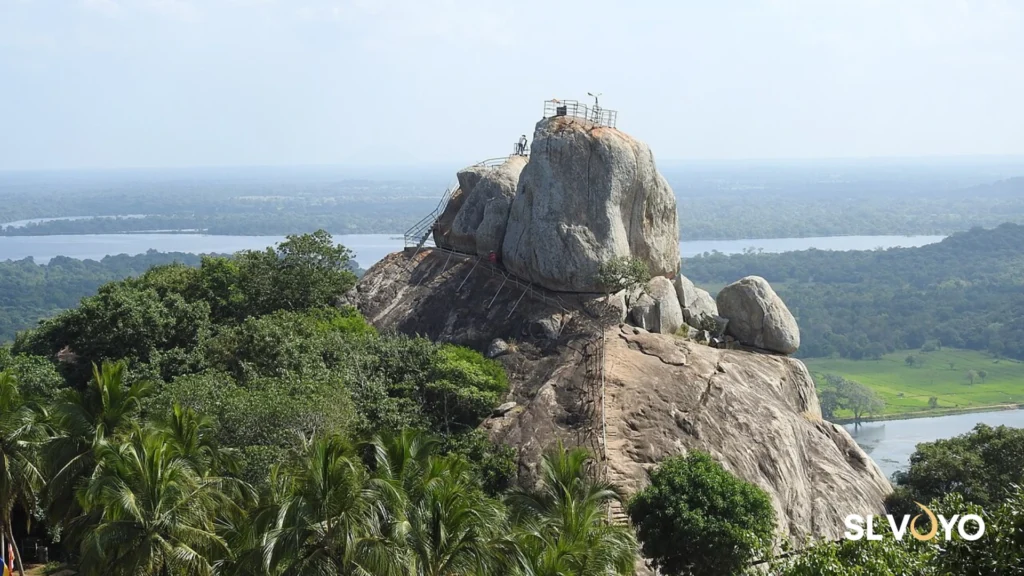
Mihintale Rajamaha Viharaya is an ancient and sacred Buddhist temple located about 13 km from Anuradhapura, which takes around 25–30 minutes by car. It is considered the cradle of Buddhism in Sri Lanka, as it was here that Arahant Mahinda, the son of Emperor Ashoka of India, met King Devanampiya Tissa and introduced Buddhism to the island.
The temple is important for its ancient stupas, cave dwellings, and meditation halls, as well as the sacred Bodhi tree planted by Mahinda. Mihintale is also famous for its festivals and pilgrimage activities, attracting devotees and visitors who want to experience Sri Lanka’s early Buddhist heritage and spiritual atmosphere.
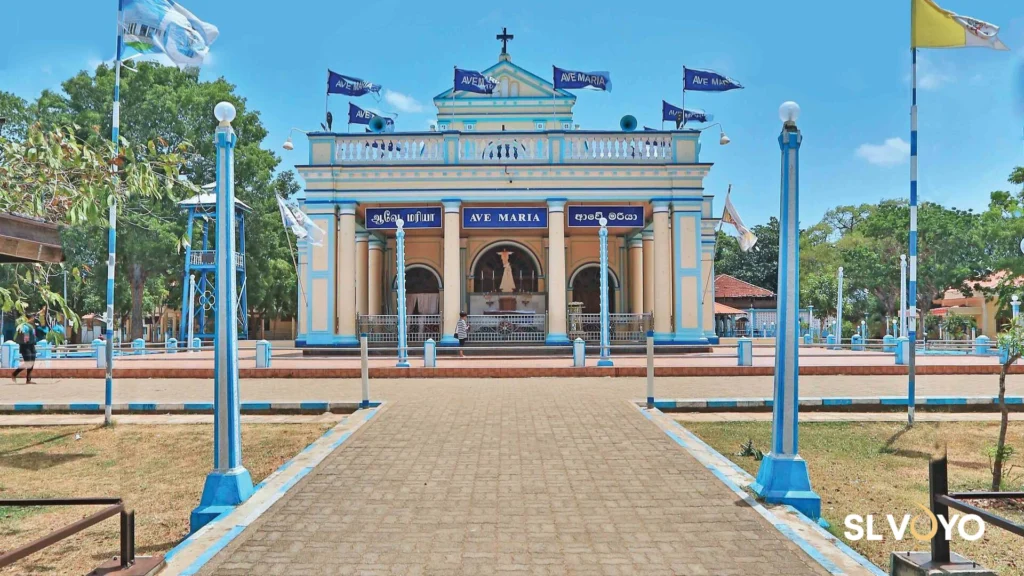
The National Shrine of Our Lady of Madhu is a major Catholic pilgrimage site in Sri Lanka, located in Madhu, Mannar District, about 130 km from Anuradhapura, which takes approximately 3–3.5 hours by car. It is one of the oldest and most venerated Marian shrines in the country, with a history of over 400 years.
The shrine is significant because it houses the statue of Our Lady of Madhu, believed to possess miraculous powers, and it attracts thousands of devotees every year from across Sri Lanka and abroad. It serves as a symbol of faith, hope, and peace, and is especially important during annual festivals and religious ceremonies. Visitors can pray, attend Mass, and experience the serene and spiritual atmosphere of this historic shrine.
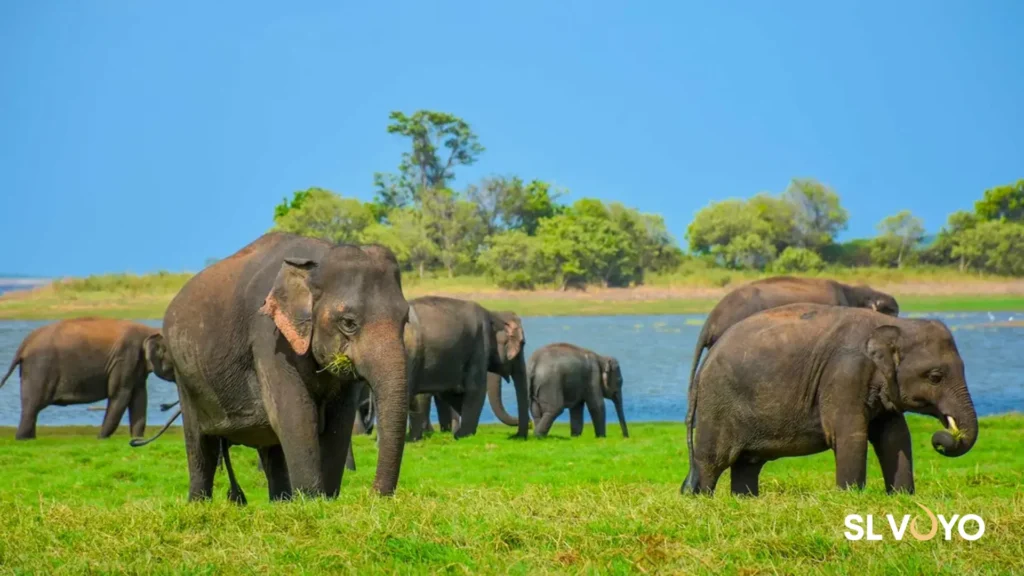
Wilpattu National Park is one of Sri Lanka’s largest and most famous wildlife parks. It is located in the North-Western Province, about 110 km from Anuradhapura, which takes approximately 2.5–3 hours by car.
The park is notable for its unique natural lakes called “Willus”, dense forests, and rich wildlife. It is home to leopards, elephants, sloth bears, deer, and numerous bird species, making it a top destination for safaris, wildlife photography, and nature lovers. Wilpattu offers visitors the chance to experience Sri Lanka’s pristine natural beauty and diverse ecosystem in a serene and peaceful environment.
Anuradhapura is in the North Central Province of Sri Lanka, about 205 km from Colombo. It takes around 5 hours to reach Anuradhapura from Colombo.
The best time to visit is from December to March, when the weather is dry, cooler, and comfortable for sightseeing.
You can reach Anuradhapura by car, bus, or train from Colombo, Kandy, or other major cities. Driving takes about 4–5 hours from Colombo.
Top attractions include Sri Maha Bodhi, Ruwanwelisaya, Jetavanaramaya, Abhayagiri Monastery, Tissa Wewa, Nuwara Wewa, Basawakkulama Wewa, and the Aukana Buddha statue.
It usually takes 1,2 full days to explore the main attractions, depending on how much time you spend at each site.
Some sites charge an entrance fee, especially for foreign tourists, while many reservoirs and public areas are free. Fees vary from $30-35 for foreigners at major sites.
Anuradhapura is a sacred Buddhist city, so wear modest clothing that covers shoulders and knees, and remove footwear before entering temples or stupas.
Yes, you can hire local guides, tuk-tuks, or bicycles to explore the archaeological park and surrounding sites easily.
You can explore on your own, but hiring a local guide is recommended to understand the history, legends, and cultural importance of the sites.
Basic facilities like small restaurants, snack shops, and public restrooms are available near the main attractions, but remote areas may have limited options, so carrying water and snacks is recommended.
What is it?
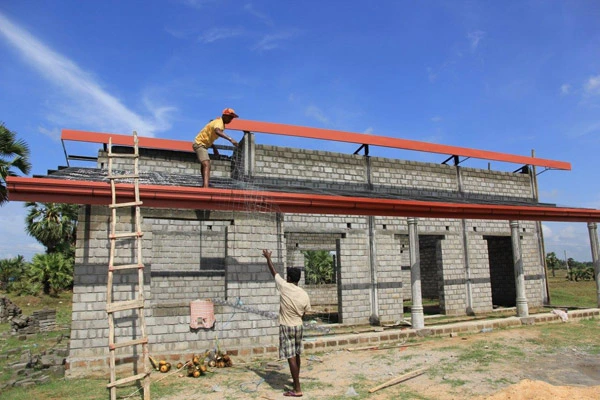
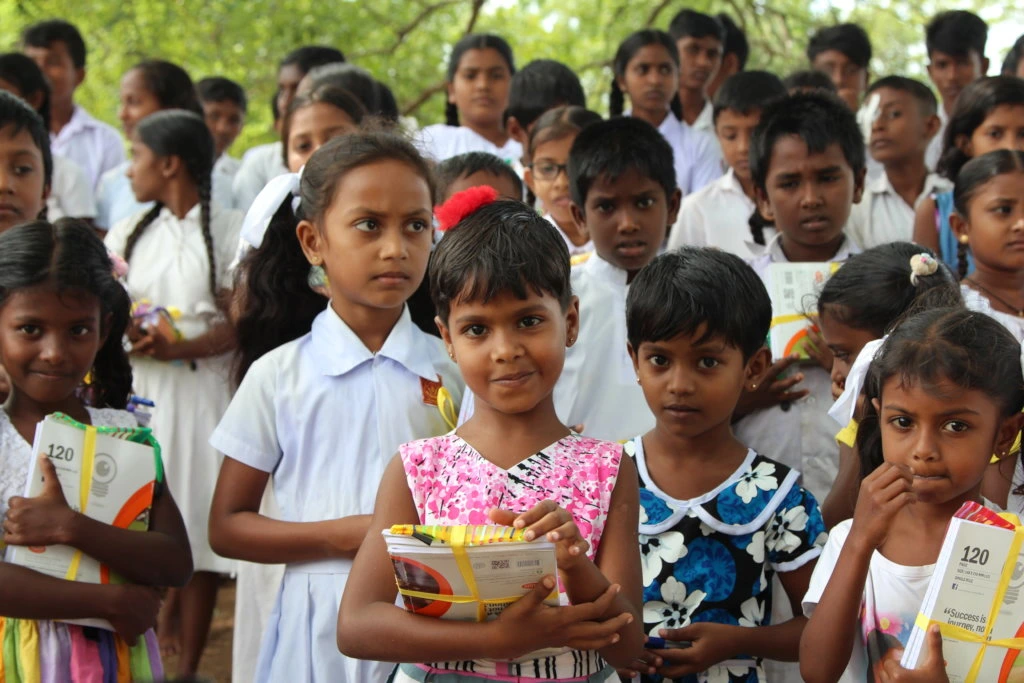
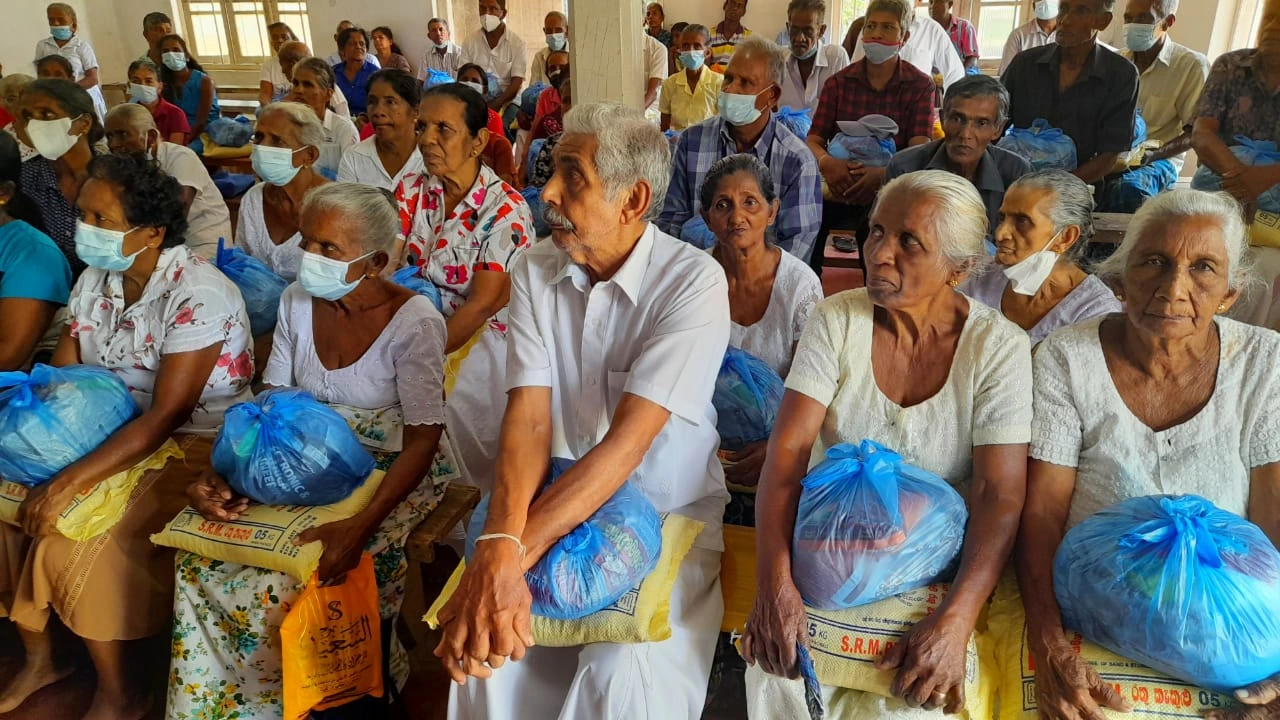
Google Ranked #1, the Heartfelt Expedition is a unique tour that invites tourists to personally engage in charitable events from the perspective of a local donor. Participants will be involved in school initiatives, elderly adoption, and community assistance throughout Sri Lanka.
Discover authentic culture and make a difference by helping local communities.