Yala is famous among tourists because it offers a high chance of seeing the Sri Lankan leopard. The park is also rich in biodiversity, where it is possible to see many other animals, including the sloth bear. With tight travel schedules, tourists book Yala because they can experience an all-in-one safari in one visit. We are proud to say that we operate the largest safari chain in Sri Lanka.
Whether you visit Yala today or imagine what life was like here centuries ago, the feeling remains the same. Nature is at the heart of everything. From roaming elephants and shy leopards to colourful birdlife, Yala is shaped by wildlife. Ancient places like Sithulpawwa show how this land supported life, worship, and a strong connection between nature and people in Sri Lanka.
At SL VOYO, Sri Lanka’s first travel platform, we help travellers discover Sri Lanka through experiences that go beyond basic sightseeing. Whether you are joining our Sri Lanka tours or planning your own adventure, this is our friendly guide to the top things to do in Yala.
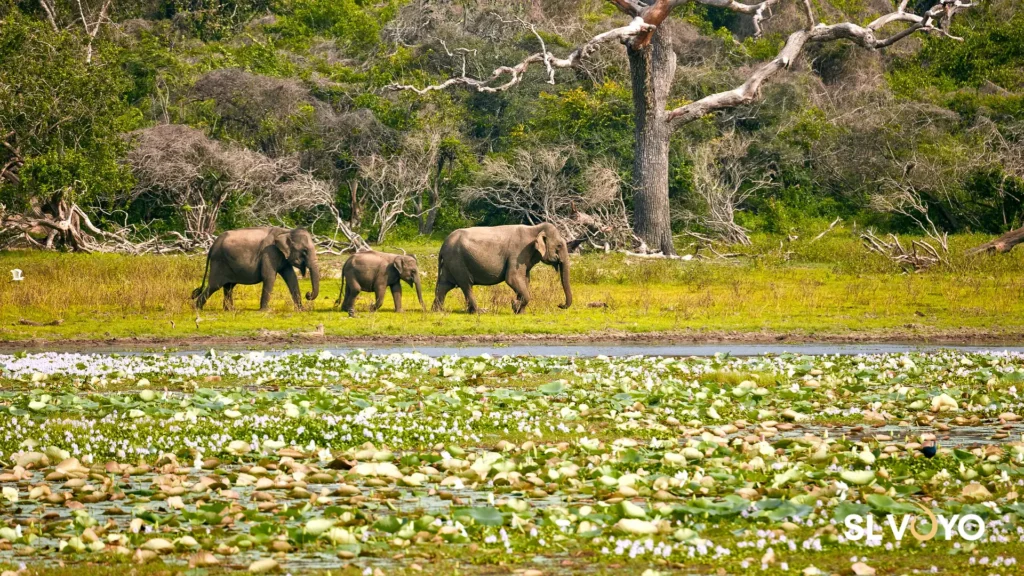
Discover the wild beauty of Yala, Sri Lanka’s largest and most visited national park, spanning 979 square kilometres across the Southern and Uva Provinces. Surrounded by dense forests, open grasslands, tranquil lagoons, and rocky outcrops, Yala offers an unforgettable escape into nature, with scenic coastlines and historic ruins adding to the experience.
Yala is easily reached by private car or organized tour from Colombo, Galle, Ella, or Tissamaharama. The main attraction is a 4×4 jeep safari, where visitors can spot leopards, elephants, sloth bears, mugger crocodiles, and a variety of birds. The park is open daily from 6:00 a.m. to 6:00 p.m., with morning safaris recommended for the best wildlife sightings. Visitors can also enjoy birdwatching, wildlife photography, nature walks, and explore cultural sites like the Sithulpawwa Rock Temple and the Kataragama shrine.
For a comfortable visit, wear lightweight, breathable clothing in neutral colours, long sleeves and pants, a hat, sunglasses, sunscreen, and closed-toe shoes. Entrance fees range from USD 20 to 25 for foreign adults, with jeep and guide costs arranged via tour operators. Spending around three days allows time for multiple safaris and relaxed exploration. Yala is perfect for adventure lovers, wildlife enthusiasts, and photographers seeking an unforgettable Sri Lankan experience.
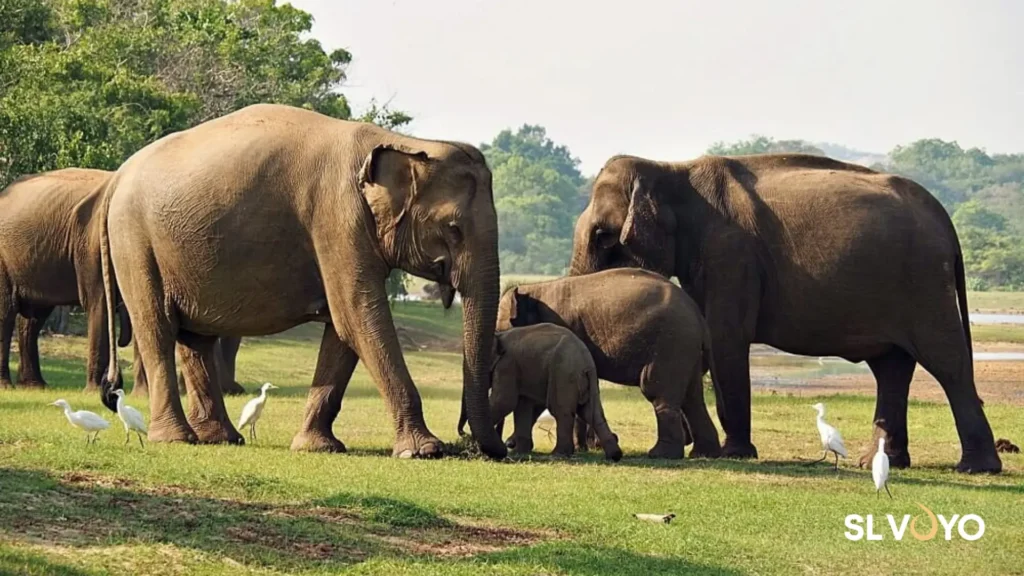
Yala National Park is home to around 200–250 Sri Lankan elephants, living in forests, grasslands, and lagoons. These herbivores eat grasses, leaves, fruits, and bark, helping maintain the park’s ecosystem. Full-grown elephants reach 2.4–3 meters in height and weigh 3,000–5,000 kg, while babies drink 10–12 litres of milk per day. Elephants usually live in herds led by a matriarch, though adult males may live alone or in small groups. They live 60–70 years, and watching them in their natural habitat is a memorable experience. The general colour of Asian elephants, including Sri Lankan elephants, is grey, sometimes with lighter or darker patches and pinkish depigmented areas on the ears, face, trunk, and forehead. Visitors should always keep a safe distance and follow their guide’s instructions.
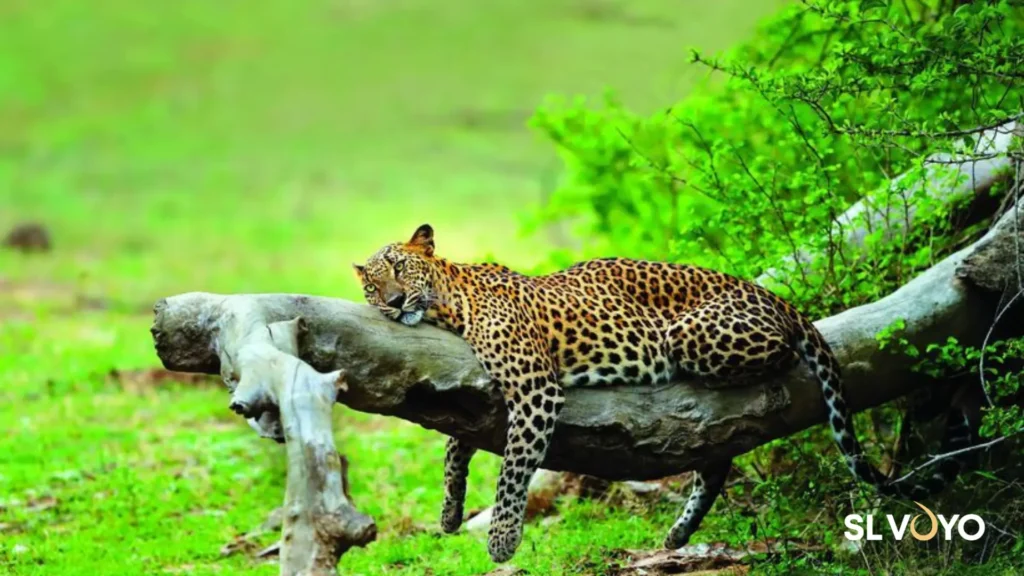
Yala National Park is home to one of the highest densities of Sri Lankan leopards (Panthera pardus kotiya), with around 35-40 leopards per 100 sq km. Leopards are solitary carnivores, feeding on deer, wild boar, monkeys, and smaller mammals. They mostly live in forests, scrublands, and rocky areas. A full-grown male can reach 1.2-1.5 meters in body length and weigh 50-70 kg, while females are smaller. Female leopards give birth to 1-3 cubs at a time. Their golden-yellow coat with black rosettes provides excellent camouflage. Leopards are vital to the park’s ecosystem, helping to control prey populations. Observing these stealthy predators in Yala is a thrilling experience, but visitors should always keep a safe distance and follow their guide’s instructions.
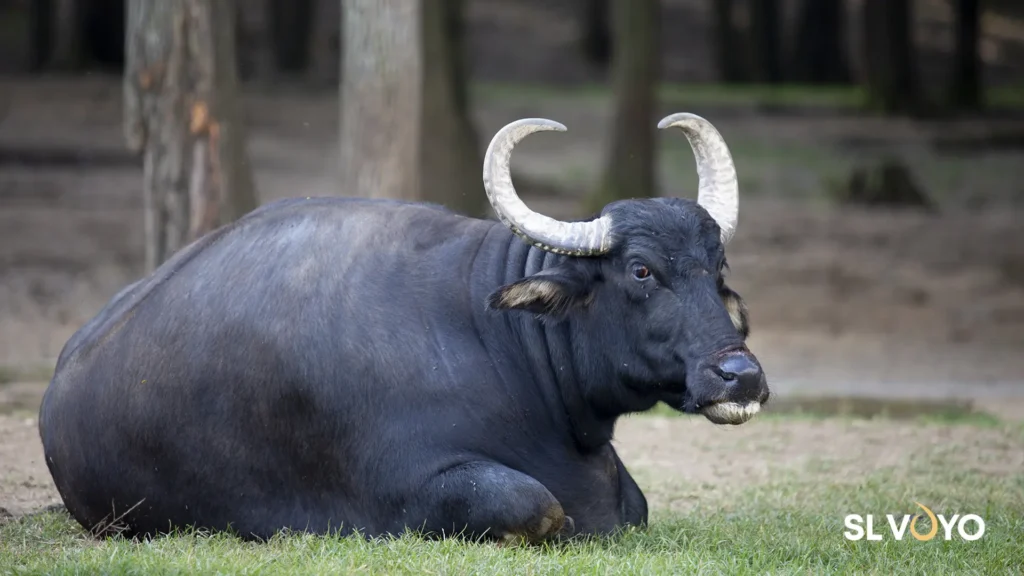
Yala National Park is home to around 500–600 Sri Lankan water buffaloes (Bubalus bubalis), living mainly in wetlands, grasslands, and lagoons. These herbivores feed on grasses, aquatic plants, leaves, and shrubs, helping maintain the ecosystem and supporting predator species. Full-grown buffaloes reach 1.5–1.8 meters in height and weigh 400–600 kg. They usually live in herds, though some adult males may be solitary. Females give birth to 1 calf at a time, and babies drink about 6–8 litres of milk per day. Their colour ranges from dark grey to black. Water buffaloes are vital for wetland health and biodiversity, and observing them in Yala is a memorable wildlife experience.
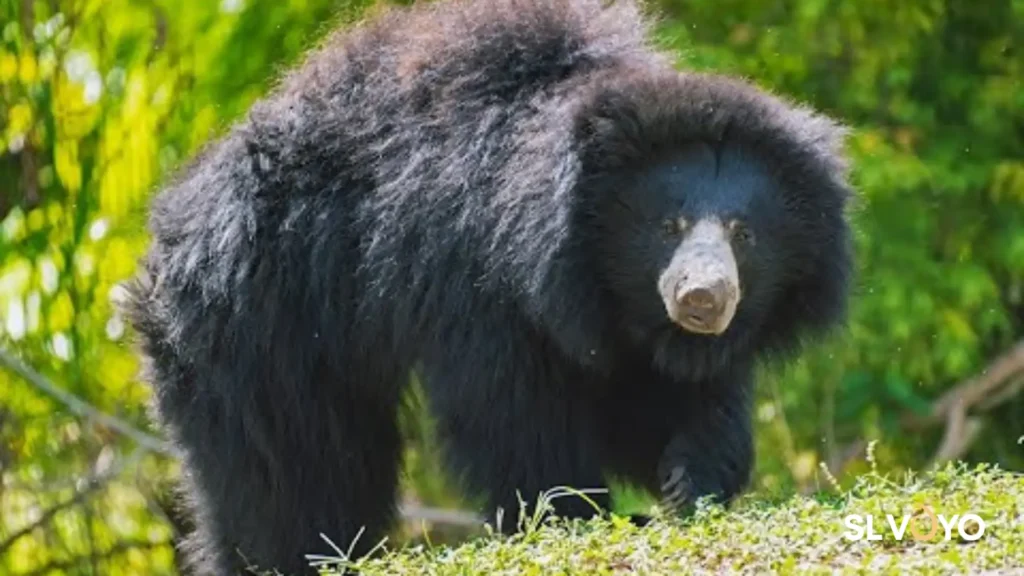
Yala National Park is home to around 150-200 Sri Lankan sloth bears (Melursus ursinus inornatus), living mainly in forests, rocky areas, and scrublands. These omnivores eat termites, ants, fruits, flowers, and honey, helping to control insects and disperse seeds. Full-grown sloth bears reach 1.4-1.9 meters in length and weigh 80–140 kg. They are usually solitary, though mothers are often seen with 1–3 cubs, which feed on milk for 6-8 months. Their black fur features a distinctive white or cream “V” or “Y” shape on the chest. Sloth bears are important for biodiversity, and observing them in Yala is a memorable wildlife experience.
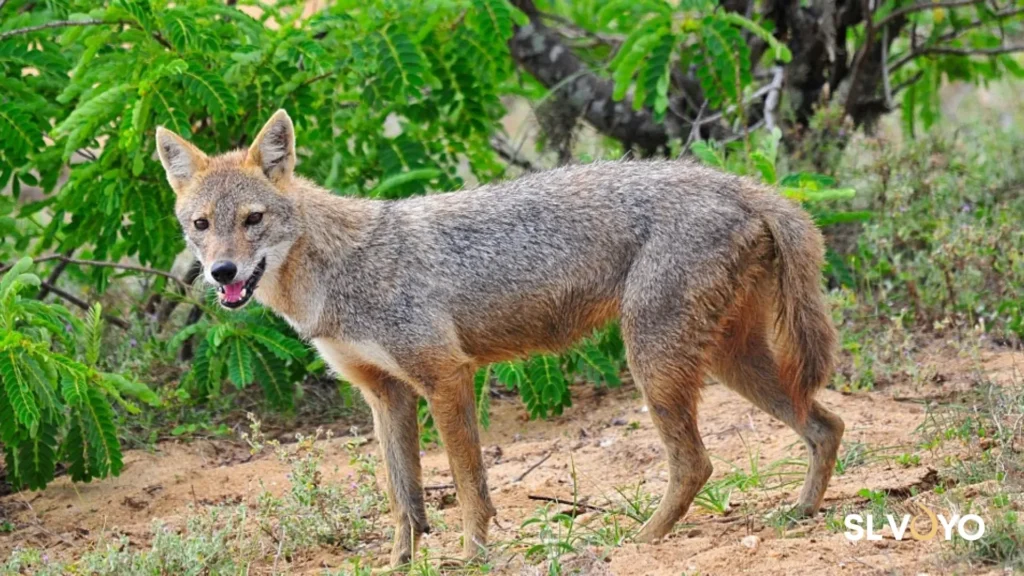
Yala National Park is home to around 50–70 Sri Lankan foxes (Golden Jackal, Canis aureus naria), living in grasslands, scrublands, and forest edges. These omnivores eat small mammals, birds, insects, fruits, and carrion, helping to maintain the ecosystem. Full-grown foxes reach 50–60 cm in height and weigh 7–14 kg. They usually live alone or in pairs, and females give birth to 3–6 pups, which feed on milk for 6–8 weeks. Their golden-brown coat provides excellent camouflage. Foxes are important for biodiversity, and observing them in Yala is a memorable wildlife experience.
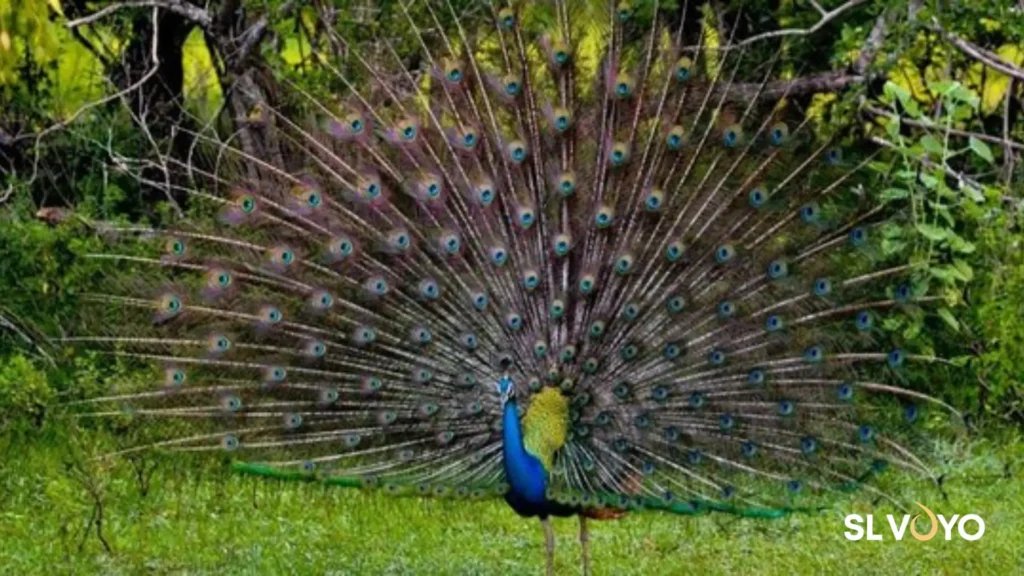
Yala National Park is home to hundreds of Sri Lankan peafowl (Peacocks, Pavo cristatus), living in forests, grasslands, and scrublands. These omnivorous birds eat seeds, fruits, insects, and small reptiles, helping control insects and disperse seeds. A full-grown male can reach 2–2.5 meters, including its long tail, while females are smaller. Peacocks usually live in small groups or family flocks, though males may display alone during mating season. Their iridescent blue and green plumage is both beautiful and functional. Peafowl are important for Yala’s biodiversity, and observing them is a memorable wildlife experience.
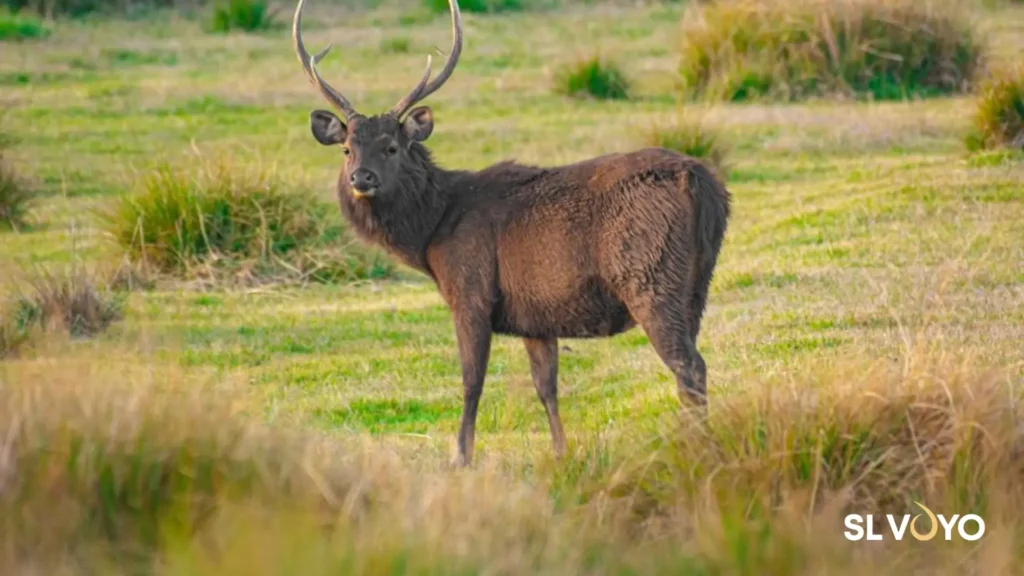
Yala National Park is home to around 1,000-1,200 Sri Lankan Sambar Deer (Rusa unicolor unicolor), living in forests, grasslands, and scrublands. These herbivores eat grasses, leaves, fruits, and bark, helping disperse seeds and supporting predators like leopards. Full-grown deer reach 1.2-1.5 meters at the shoulder and weigh 180-220 kg. They usually live in herds, and females give birth to 1 fawn, which feeds on milk for 3-4 months. Their dark brown coat provides camouflage. Sambar deer are vital for biodiversity, and observing them in Yala is a memorable wildlife experience.
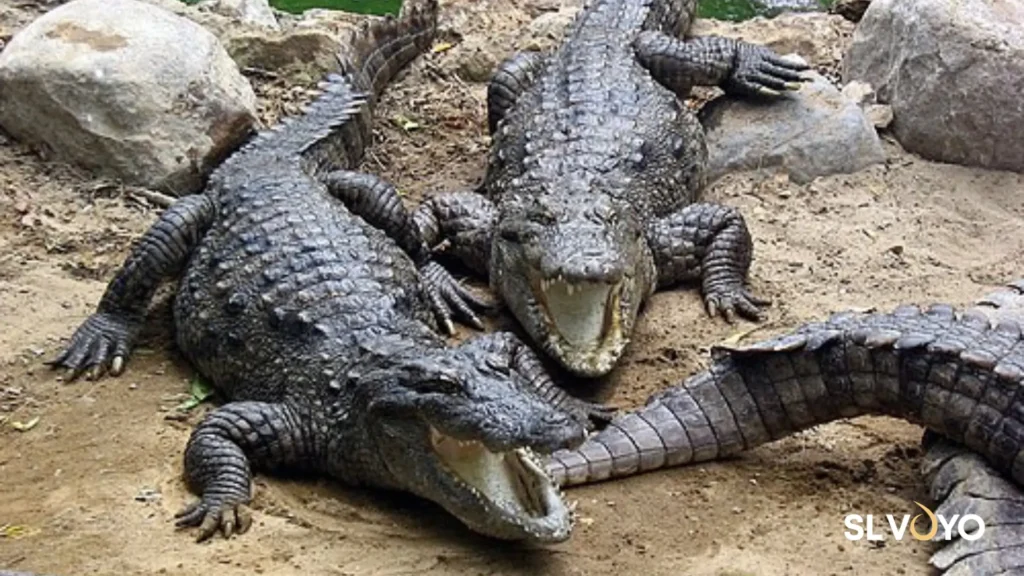
Yala National Park is home to around 300-400 Mugger Crocodiles (Crocodylus palustris), living mainly in rivers, lagoons, and freshwater tanks. These carnivores eat fish, birds, amphibians, and small mammals, helping maintain the aquatic ecosystem. Full-grown adults reach 4-5 meters in length and weigh 200-400 kg. They usually live alone, and females lay 20-60 eggs per clutch. Their olive to dark brown skin provides camouflage. Mugger crocodiles are vital for ecosystem balance, and observing them in Yala is a thrilling wildlife experience.
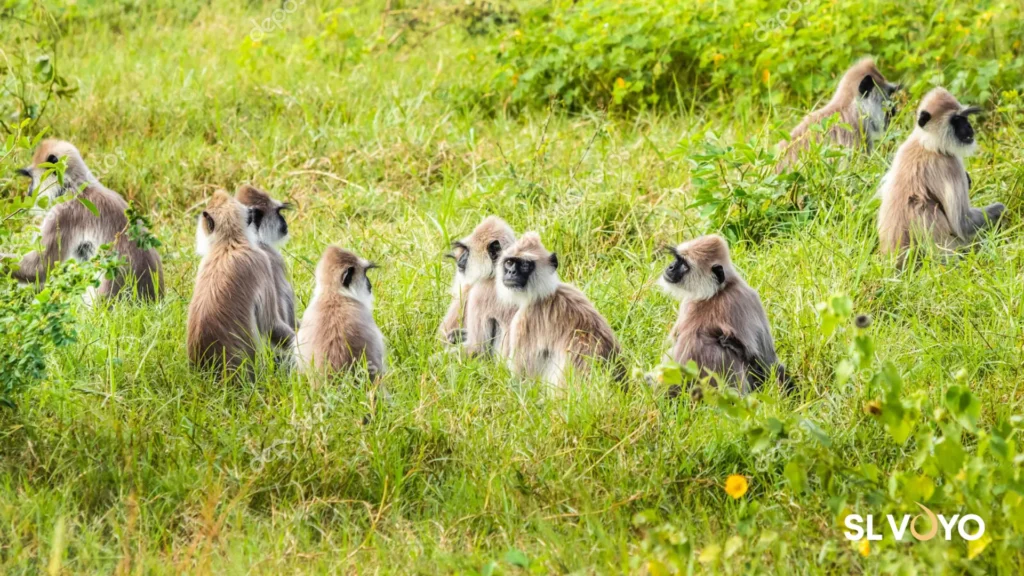
Yala National Park is home to around 400–500 Sri Lankan Grey Langur Monkeys (Purple-faced Langur, Semnopithecus vetulus), living mainly in forests, scrublands, and rocky areas. These herbivores eat leaves, fruits, flowers, and seeds, helping to disperse seeds and maintain forest ecosystems. Full-grown adults reach 50–60 cm in body length, weigh 7–12 kg, and usually live in troops of 10–30 individuals. Females give birth to 1 infant, which feeds on milk for 6–12 months. Their grayish-brown coat provides camouflage. Langurs are important for biodiversity, and observing them in Yala is a memorable wildlife experience.
Yala National Park is located in the southeastern part of Sri Lanka, mainly within the Hambantota and Monaragala districts.
Yala National Park is famous for having one of the highest leopard densities in the world, as well as its rich wildlife and beautiful landscapes.
Visitors can see leopards, elephants, sloth bears, crocodiles, deer, wild boar, peacocks, and a wide variety of bird species.
The best time to visit Yala National Park is from February to July, when animals are more likely to gather around water sources.
Yes, Yala National Park is safe for visitors when safaris are conducted with licensed guides and authorised vehicles, following park regulations.
Yala National Park consists of five blocks, with Block 1 being the most popular for safari tours.
Leopard sightings are not guaranteed, but Yala National Park offers one of the best opportunities in Sri Lanka to see leopards in the wild.
Yala National Park features dry-zone forests, grasslands, lagoons, and coastal ecosystems.
A typical safari in Yala National Park lasts between three and four hours, either in the morning or evening.
No, night safaris are not allowed in Yala National Park in order to protect wildlife and ensure visitor safety.
What is it?
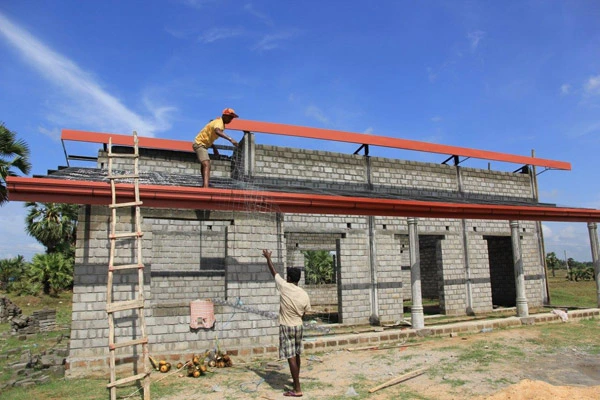
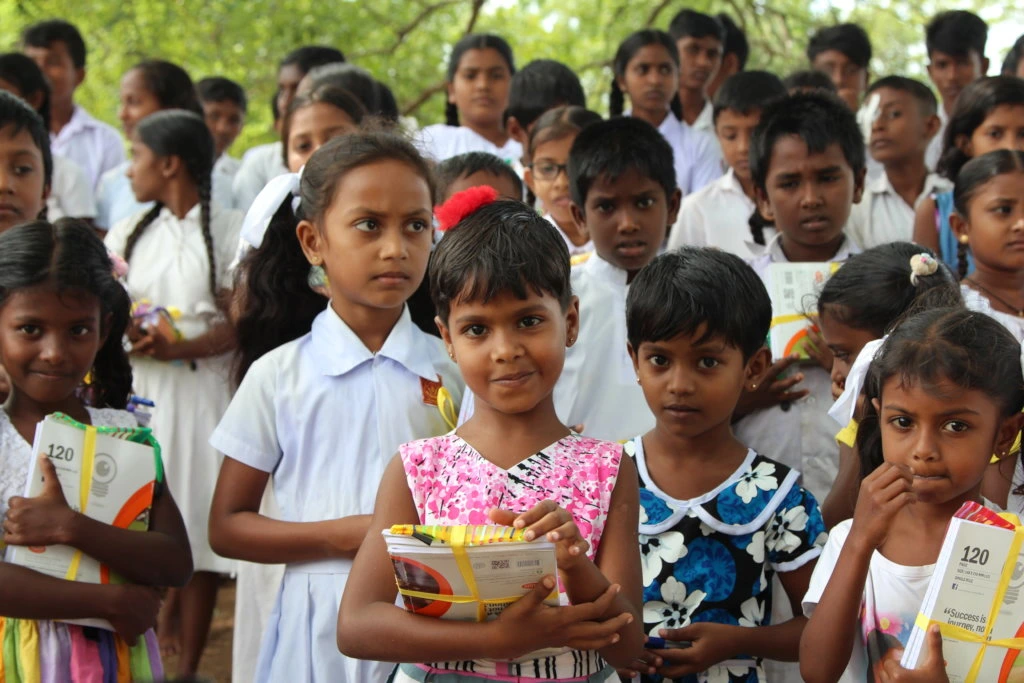
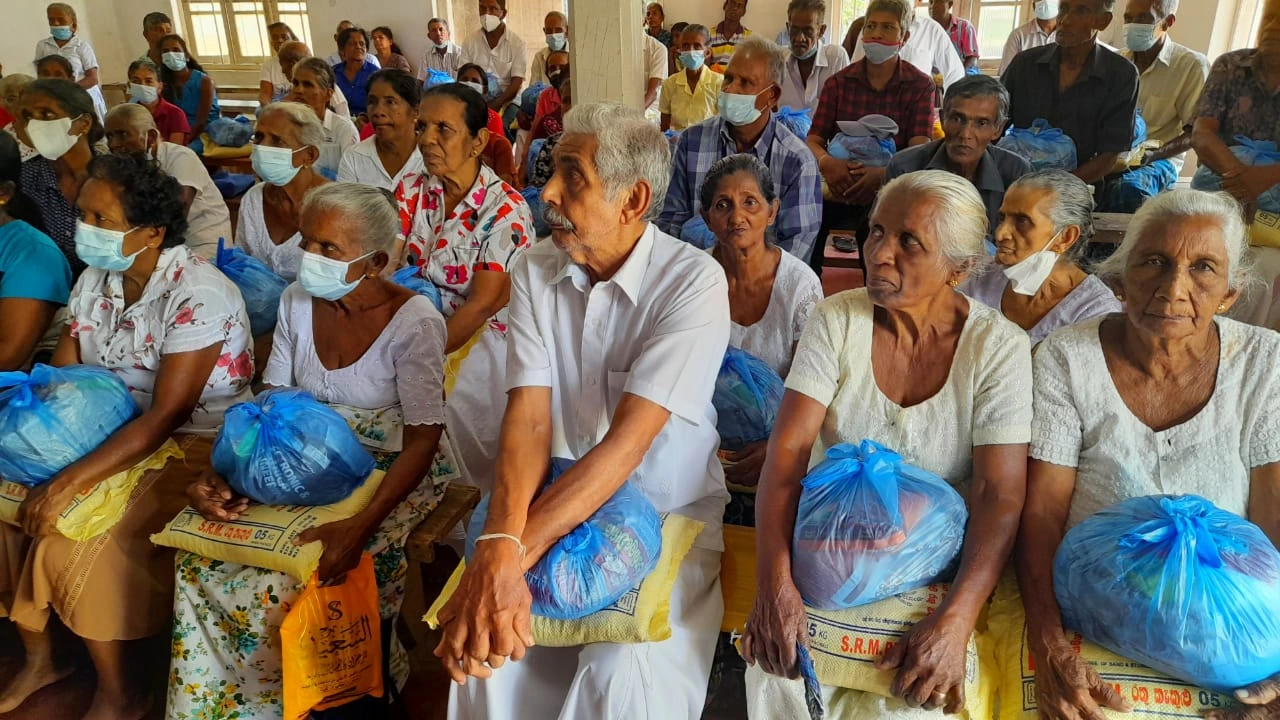
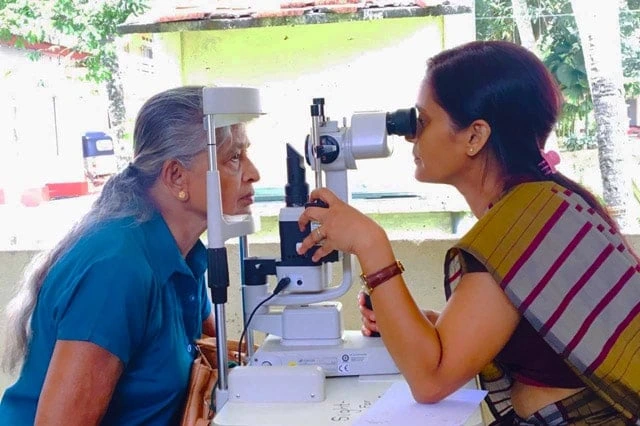
Google Ranked #1, the Heartfelt Expedition is a unique tour that invites tourists to personally engage in charitable events from the perspective of a local donor. Participants will be involved in school initiatives, elderly adoption, and community assistance throughout Sri Lanka.
Discover authentic culture and make a difference by helping local communities.