Polonnaruwa rose as Sri Lanka’s second capital, shaped by vast reservoirs, monasteries, and stone monuments that reflected a confident Buddhist kingdom. From dawn, kings planned this city not only for devotion, but to bring harmony, strength, and prosperity, believing a capital guided by the Buddha would endure.
Whether you walk these paths today or picture yourself in the twelfth century, the feeling remains unchanged. The landscape tells the story. Sacred places like Gal Vihara’s serene Buddhas, and the great stupas of Rankoth Vehera and Kiri Vehera, reveal how faith, stone, and royal vision shaped not just worship, but the living, breathing heart of Polonnaruwa.
At SL VOYO, Sri Lanka’s First travel platform, we help travellers discover Sri Lanka through experiences that go beyond basic sightseeing. Whether you are joining our Sri Lanka tours or planning your own adventure, this is our friendly guide to the top things to do in Polonnaruwa.
Discover the ancient city of Polonnaruwa, located in Sri Lanka’s North Central Province, and experience the island’s rich history, culture, and spiritual heritage. Surrounded by scenic reservoirs and well preserved ruins, this ancient city offers a peaceful escape from the busy modern world. Visitors can explore beautiful stone carvings, grand stupas, sacred temples, and ancient monasteries that make Polonnaruwa a unique destination.
Polonnaruwa is easy to reach by train, bus, or private vehicle from Colombo, Kandy, or Dambulla. Once there, you can visit famous sites such as the Royal Palace, Gal Vihara, Rankoth Vehera, Kiri Vehera, and Lankatilaka Temple.You can also admire the vast Parakrama Samudra reservoir and learn about the city’s advanced ancient irrigation system.
Polonnaruwa is a place of cultural and spiritual importance. Whether you are interested in history, archaeology, or Buddhism, this ancient capital offers a calm and meaningful experience, allowing every visitor to connect with Sri Lanka’s proud and timeless heritage.
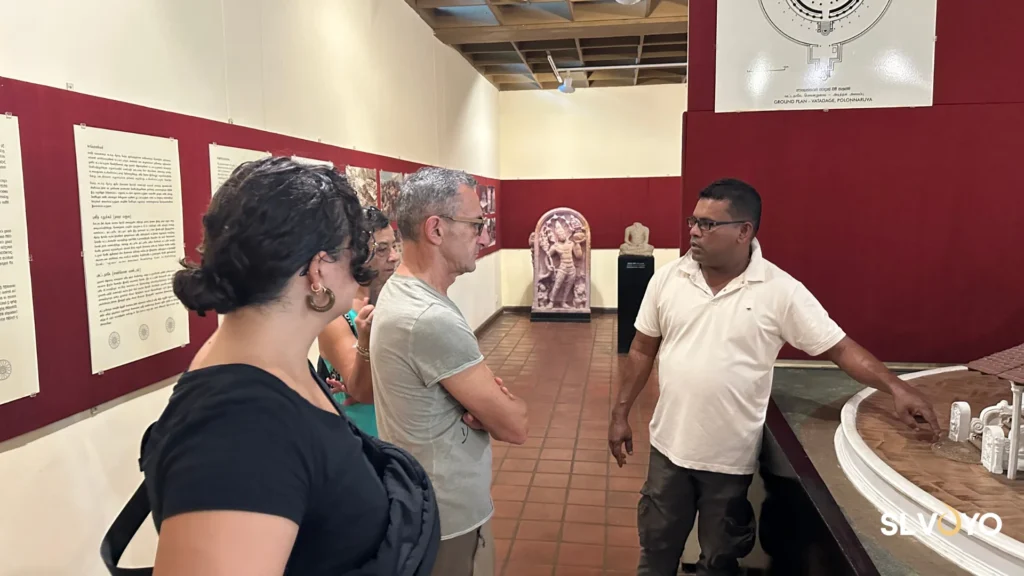
The Polonnaruwa Archaeological Museum is the perfect starting point for exploring the Polonnaruwa Ancient City, a UNESCO World Heritage Site. Located on Sudarshanarama Puranagama Road near the main sluice gate of the Parakrama Samudraya reservoir, it also serves as the official ticket counter for the archaeological park. Visiting first helps visitors understand the layout, history, and importance of the ancient capital, giving them an overall idea of the city before exploring the ruins. The museum is open daily from 8:00 a.m. to 5:00 p.m.
Exhibits are arranged in themed sections reflecting medieval Polonnaruwa. Scale models show how the Royal Palace, stupas, and monasteries originally appeared. The museum displays Chola-era bronze statues of Shiva Nataraja, Parvati, and Ganesh, as well as ancient tools, coins, jewelry, and everyday items, providing insight into daily life in the city.
The museum is air-conditioned, well maintained, and visitor-friendly, with clean restrooms. Photography is prohibited, and visitors are encouraged to spend 1-1.5 hours exploring. Tickets must be purchased at the official counter. Overall, the museum provides valuable historical context and greatly enriches any visit by giving a complete overview of Polonnaruwa Ancient City.
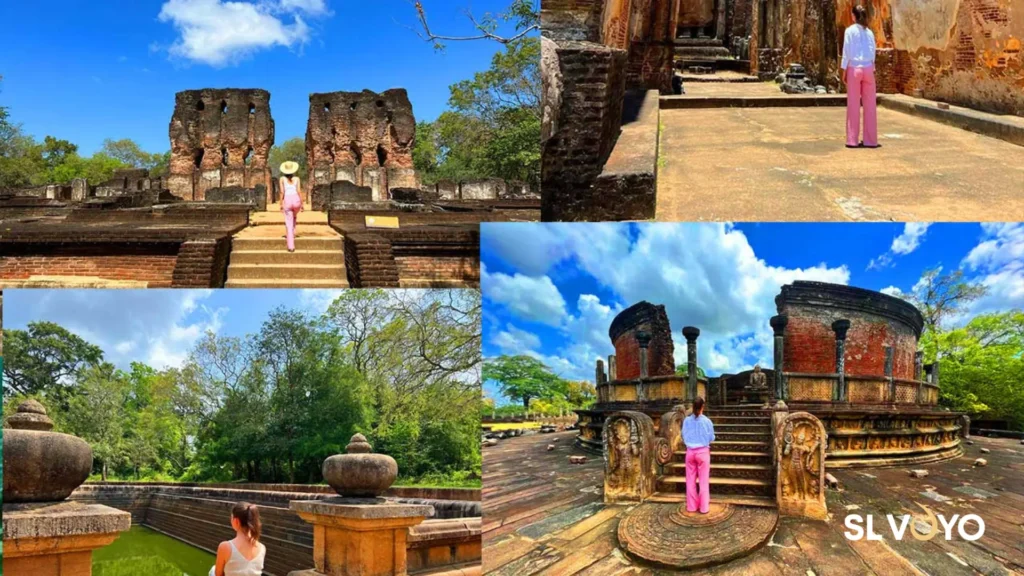
You can visit the Polonnaruwa Ancient City and experience the grandeur of Sri Lanka’s medieval capital. Marvel at the Royal Palace Complex, where ancient kings once ruled, and admire the stunning Gal Vihara, with its rock cut Buddha statues in standing, seated, and reclining poses. Discover the city’s rich Buddhist heritage through majestic stupas such as Rankoth Vehera and Kiri Vehera, the intricately carved Polonnaruwa Vatadage, and the impressive Lankatilaka Temple. Stroll through ancient monasteries, smaller temples, and peaceful gardens, taking in the artistic carvings, stone sculptures, and architectural marvels that make Polonnaruwa a must-visit destination. Whether you are a history enthusiast, a culture lover, or a spiritual traveler, Polonnaruwa offers an unforgettable journey back in time.
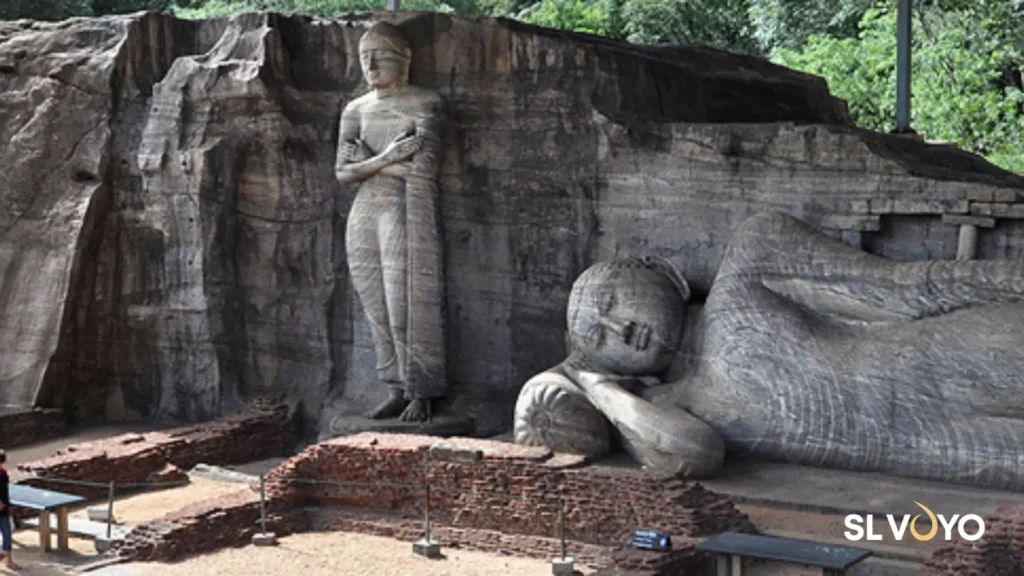
Gal Viharaya is located in the ancient city of Polonnaruwa, in Sri Lanka’s North Central Province, within the UNESCO listed Polonnaruwa Ancient City. The history of Gal Viharaya goes back to the 12th century, during the reign of King Parakramabahu the Great, when Polonnaruwa was an important center of Theravada Buddhism. The monument was built as part of a monastery to show Buddhist purity and discipline.
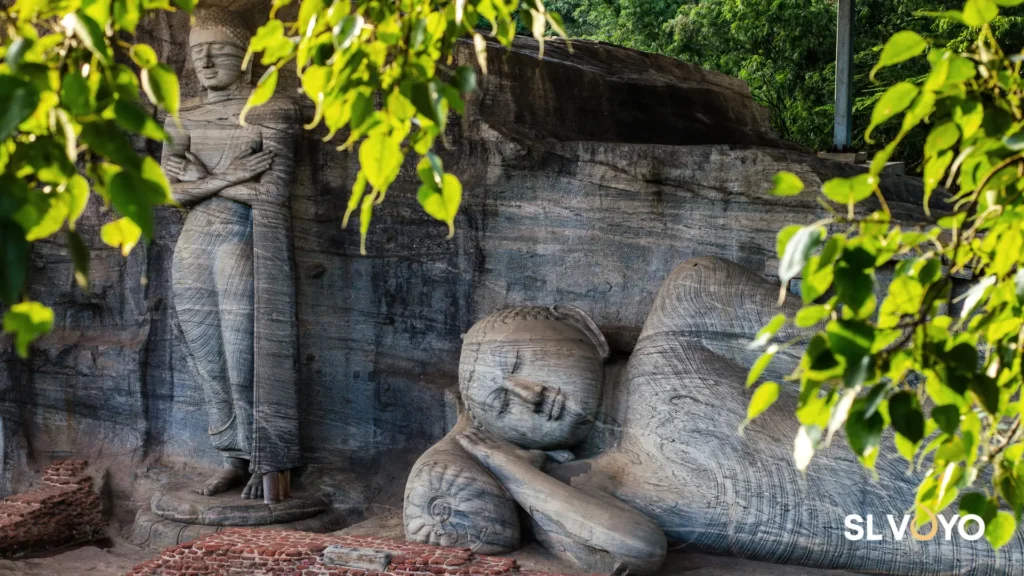
It is one of the most important Buddhist monuments in Sri Lanka and is famous for its art and religious value. Visitors can see four beautiful Buddha statues carved from a single large granite rock. These include a seated Buddha in meditation, a standing Buddha showing compassion and calm, a reclining Buddha showing Parinirvana, and another seated Buddha showing spiritual mastery. Each statue has a different posture and expression, showing peace, compassion, and skillful craftsmanship.
Gal Viharaya is open daily from 7.00 a.m. to 5.30 p.m. Visitors should wear modest clothes that cover the shoulders and knees and remove their shoes before entering. The best time to visit is early morning or late afternoon, when the weather is cooler and the sunlight is soft. The entrance fee is included in the Polonnaruwa Ancient City ticket, which usually costs USD 25-30 for foreign adults, while local visitors may pay less or enter for free.
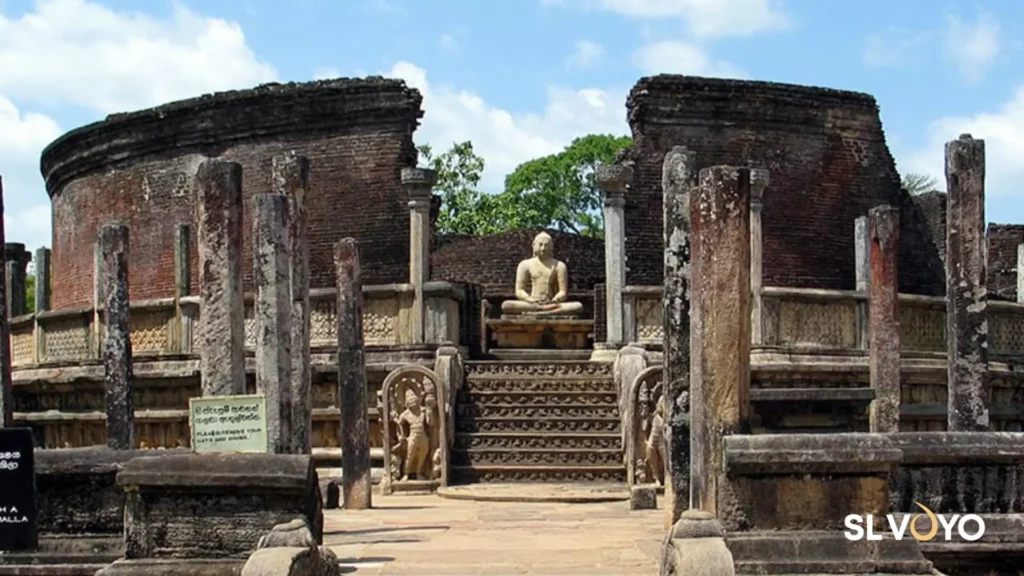
Polonnaruwa Vatadage is located in the ancient city of Polonnaruwa, in Sri Lanka’s North Central Province, within the UNESCO listed Polonnaruwa Ancient City. It is one of the most important monuments of ancient Sinhalese architecture, known for its circular design and detailed stone carvings. The word “Vatadage” means a circular relic house or shrine, and this monument represents the highest level of ancient architectural and artistic skill. It was built to house sacred Buddhist relics and is a major attraction for visitors exploring Polonnaruwa.
The Vatadage was first built in the 2nd century AD by King Kanittha Tissa and rebuilt in the 12th century by either King Parakramabahu I or King Nissanka Malla to hold the Sacred Tooth Relic or the Alms Bowl of the Buddha. It has stone pillars arranged in three concentric circles, four Buddha statues, and detailed carvings on the platforms and steps. Visitors can admire its precision, symmetry, and beauty, while appreciating its religious and historical importance.
Polonnaruwa Vatadage is open daily from 7.00 a.m. to 5.30 p.m., and the best time to visit is early morning or late afternoon. Guided tours are recommended to better understand its history and architecture. Visitors can walk around the platform, look at the carvings, see the Buddha statues, and take photographs. The entrance fee is included in the Polonnaruwa Ancient City ticket, making it easy to visit this and other major monuments. Polonnaruwa Vatadage provides a special chance to experience ancient Sinhalese art, architecture, and Buddhism in one place.
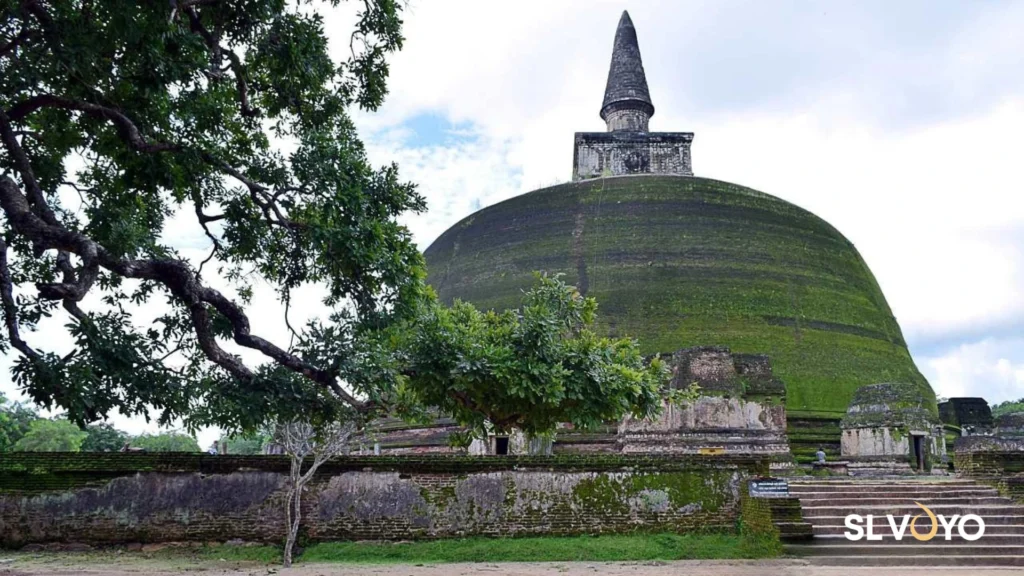
Rankoth Vehera is a great ancient Buddhist stupa in the Polonnaruwa Ancient City, Sri Lanka, and is one of the most important monuments of the Polonnaruwa period. It was built by King Nissanka Malla between 1187 and 1196 AD, as recorded in the Mahawamsa and Pujavaliya. The name Rankoth Vehera means “Stupa with the Golden Pinnacle”, showing its strong religious importance. Built entirely of brick, the stupa once stood taller than today and now rises about 108 feet, with a base circumference of around 550 feet, making it one of the largest stupas in Sri Lanka and believed to be the last mega stupa built by a Sri Lankan king.
The stupa follows the Anuradhapura architectural style, similar to Ruwanwelisaya, with four large vahalkadas, stone and sand terraces, and a strong brick dome supported by a solid central core. It is located between Alahana Pirivena (Gopala Pabbatha) and the Menik Vehera Complex, and includes remains of a 12th century Pabbata Vihara–type monastery. Visitors can see ancient monastic ruins, stone paths, open archaeological grounds, and peaceful surroundings while walking around the stupa.
Rankoth Vehera is open daily during daylight hours as part of the Polonnaruwa Ancient City Archaeological Park, with no separate entrance fee, as it is included in the city ticket. The best time to visit is during the dry season, especially in the early morning or late afternoon. Visitors can walk around the stupa, observe ancient brick work, take photos, and enjoy quiet reflection or meditation. Modest clothing covering shoulders and knees is required, and footwear must be removed near sacred areas. A visit to Rankoth Vehera offers history, culture, and a calm spiritual experience, making it a must-see site in Polonnaruwa.
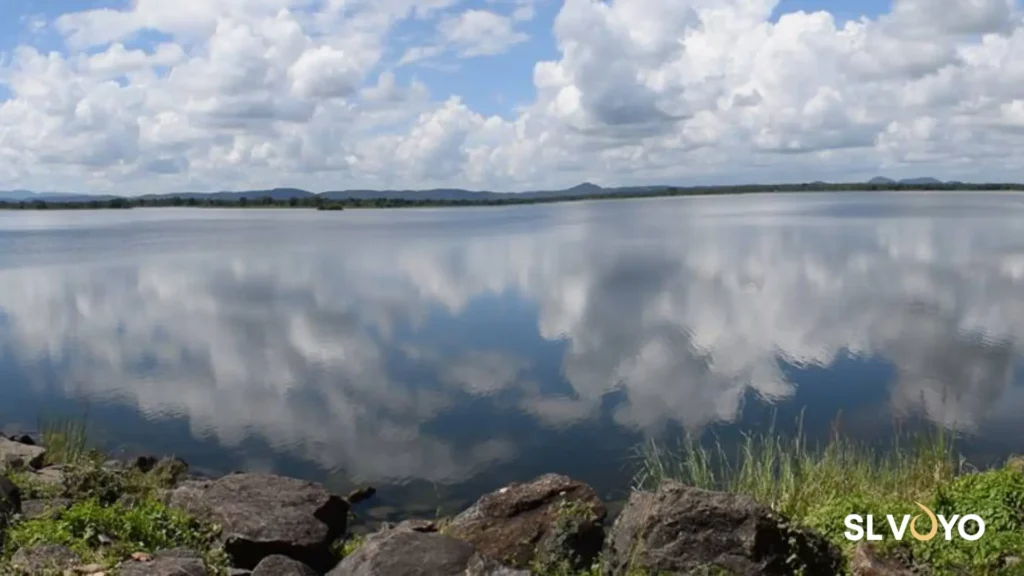
Parakrama Samudra, also called the Sea of King Parakrama, is a large man-made reservoir in Polonnaruwa, Sri Lanka, near the Polonnaruwa Ancient City. It was built in the 12th century by King Parakramabahu I, based on his belief that not a single drop of rainwater should be wasted. This reservoir is considered his greatest achievement in irrigation. Parakrama Samudra was created by joining five ancient tanks Thopa, Dumbutulu, Erabadu, Bhu, and Kalahagala into one large water system. It covers about 26 square kilometers and supports thousands of acres of farmland.
The reservoir has a large earthen bund that is about 8-8.5 miles long and around 40 feet high, showing the advanced engineering skills of ancient Sri Lanka. Today, visitors can enjoy wide water views, open landscapes, and nearby ruins of the Polonnaruwa kingdom. Kokduwa Island, located inside the reservoir, is home to many bird species, making bird watching a popular activity. Visitors can also enjoy cycling along the bund, fishing in the lake, photography, nature walks, and quiet relaxation, especially during peaceful hours.
Parakrama Samudra is open every day during daylight hours and can be visited as part of the Polonnaruwa Ancient City Archaeological Park. There is no separate entrance fee because it is included in the Polonnaruwa Ancient City ticket. The best time to visit is during the dry season, especially in the early morning or late afternoon, when the weather is cool and the scenery looks its best. Visiting Parakrama Samudra offers history, nature, and relaxation in one place, making it a must-see site for anyone visiting Polonnaruwa and learning about Sri Lanka’s ancient irrigation heritage.
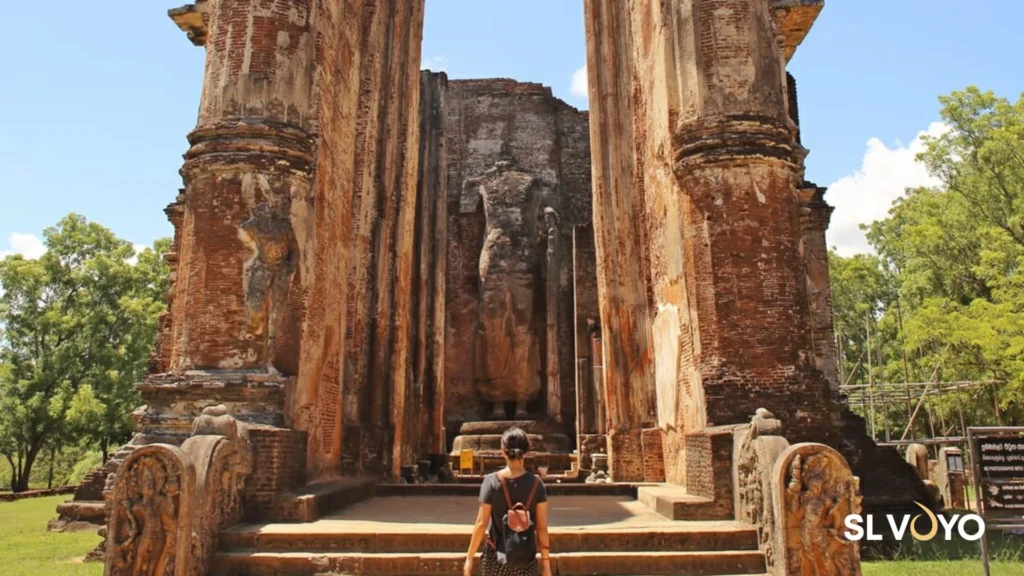
The Lankatilaka Image House, also called Lankathilaka Viharaya, is a large 12th century Buddhist temple in Polonnaruwa, Sri Lanka. It was built by King Parakramabahu I (1153–1186) as part of the Alahana Pirivena monastery, near the Kiri Vehera stupa. The temple is a great example of the gedige architectural style, made mainly of bricks with tall walls about 17 meters (58 feet) high, showing the advanced skills of ancient Sri Lankan builders.
The temple is famous for its giant standing Buddha statue, originally 41 feet tall, made of clay bricks, though the head is now destroyed. Visitors can also see beautiful carvings, decorative exterior walls, and two tall 58-foot pillars at the entrance. Lankatilaka reflects the rich Buddhist heritage of Polonnaruwa and is one of the most impressive monuments in the UNESCO World Heritage Site.
Lankatilaka Temple is open daily during daylight hours and can be visited as part of the Polonnaruwa Ancient City Archaeological Park. There is no separate entrance fee, as it is included in the city ticket. The best time to visit is early morning or late afternoon, when the weather is cooler and the site is peaceful. Tourists can explore the ruins, admire the architecture, take photographs, and enjoy a calm spiritual atmosphere. A visit to Lankatilaka Temple is a must see attraction for anyone exploring Polonnaruwa and its Buddhist and architectural heritage.
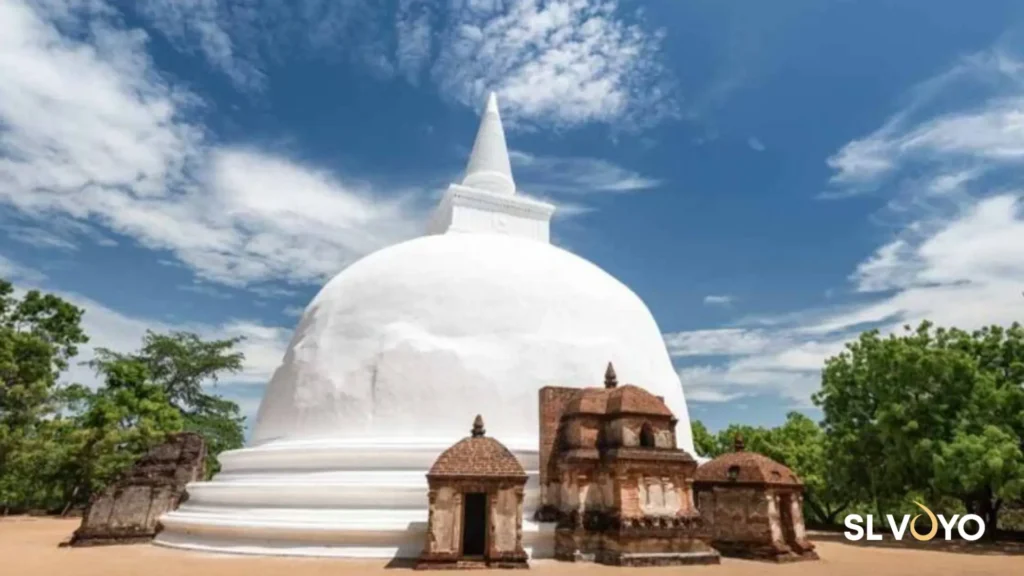
Kiri Vehera is an ancient Buddhist stupa in the Polonnaruwa Ancient City, just north of the Lankathilaka Image House. It is the second tallest stupa in the city after Rankoth Vehera, standing 28.5 meters (94 feet) tall with a base diameter of 88 feet. The exact builder is uncertain, but it was likely constructed by King Parakramabahu I (1153–1186 A.D.) in memory of his queen, Subhadra, or by the queen herself. The stupa is known for its well-preserved lime plaster, giving it a bright white color, which inspired its name.
The stupa is important for its religious, historical, and architectural value. It features a bubble-shaped dome on three receding terraces, with four frontispieces at the cardinal points, each next to small brick-roofed Buddha shrines.
Kiri Vehera is open daily during daylight hours and is included in the Polonnaruwa Ancient City ticket. The best time to visit is early morning or late afternoon when it is cool and peaceful. Visitors can walk around the stupa, explore the shrines, take photos, meditate, and enjoy the calm atmosphere. To respect the sacred site, tourists should wear modest clothing that covers shoulders and knees. A visit to Kiri Vehera is a must-see attraction for anyone exploring Polonnaruwa.
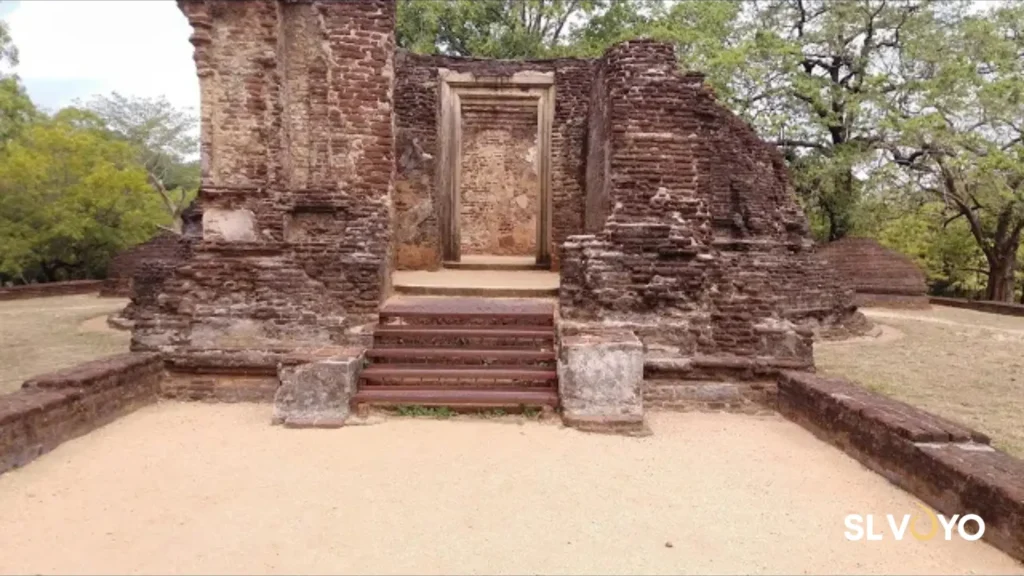
Pothgul Viharaya, also known as Potgul Vehera, is a must-visit attraction in the Polonnaruwa Ancient City, Sri Lanka. Located south of the main ruins near the peaceful Parakrama Samudra reservoir, and just 100 meters from the statue of King Parakramabahu I, this 12th-century site is believed to be the oldest library complex in Sri Lanka. Built by King Parakramabahu I and later renovated by Queen Chandrawathi, Pothgul Viharaya was an important center for learning, where sacred Buddhist books were stored and studied.
The temple is famous for its unique Gedige-style architecture and beautiful four-terraced layout. The highlight is the circular brick building, known as the Mandala Mandira (Circular House), which once served as the library. Visitors can also see four small stupas, ancient monks’ living quarters (kutis), stone pillars, and brick ruins. According to history, the king sat inside the circular building to listen to Jataka stories of Lord Buddha, adding great cultural value to the site.
Pothgul Viharaya is open daily during daylight hours and is included in the Polonnaruwa Ancient City entrance ticket, with no extra fee. The best time to visit is early morning or late afternoon, when the weather is cooler and the surroundings are calm. Visitors can enjoy walking through ancient terraces, taking photos, learning about Buddhist history, and relaxing in a quiet, spiritual atmosphere. A visit to Pothgul Viharaya offers a perfect mix of history, architecture, and peace, making it an essential stop when exploring Polonnaruwa.
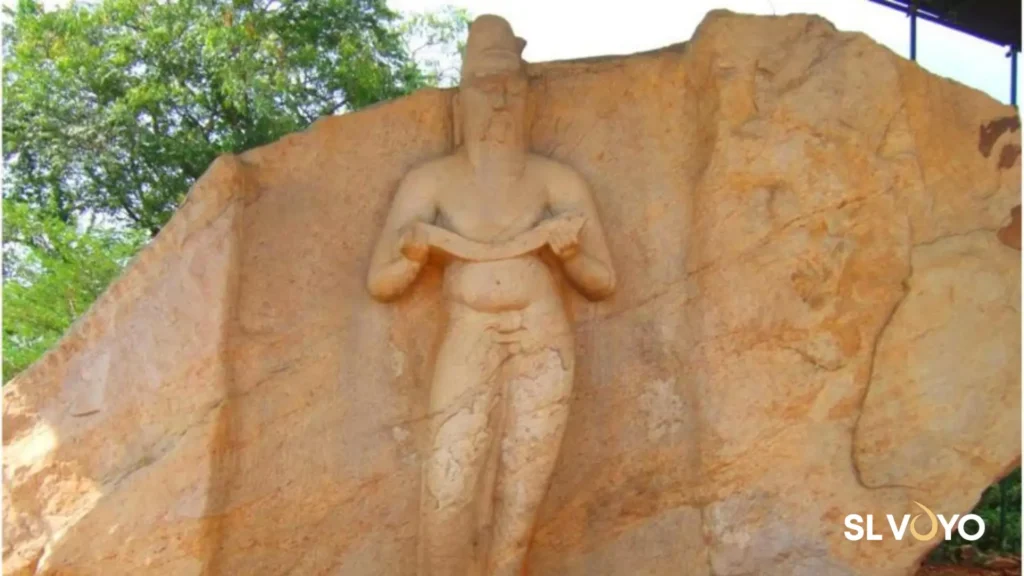
Visit the King Parakramabahu Statue, one of the most iconic monuments in Polonnaruwa Ancient City, Sri Lanka. Located near Pothgul Viharaya, it can be reached by a scenic 1.5 km walk along the Parakrama Samudra bund. Carved from a single granite rock, the statue stands 3.5 meters (11½ feet) tall and is believed to represent the great King Parakramabahu I (1153–1186 A.D.), though some say it may depict a wise sage like Pulasti or Kapila.
The statue holds a palm-leaf manuscript, symbolizing wisdom and learning, while its calm face, long beard, strong posture, and carefully carved cloth show the amazing artistry of the Polonnaruwa period. Nearby, you can also see a small ruined stupa, possibly connected to the king’s burial. Its location near an ancient library highlights the link between royal power and Buddhist scholarship.
Open daily and included in the Polonnaruwa Ancient City ticket, the best time to visit is early morning or late afternoon, when the area is peaceful. Tourists can walk along the bund, take photographs, enjoy the reservoir views, learn history, and feel the calm surroundings. Standing before the statue gives a sense of the presence of one of Sri Lanka’s greatest kings, making it a must-visit attraction in Polonnaruwa.
Polonnaruwa is in the North Central Province of Sri Lanka, about 4–5 hours from Colombo.
It is famous as Sri Lanka’s medieval capital and a UNESCO World Heritage Site, known for its well-preserved ruins, temples, and statues.
It was developed mainly by King Parakramabahu I in the 12th century.
Foreign tourist ticket prices usually range around $30 USD (may change).
Most visitors spend 3-5 hours exploring the ancient city.
Yes, cycling is one of the best and most popular ways to explore the ruins.
Early morning or late afternoon is best because of the hot weather.
Yes, but it involves walking in the sun, so water and hats are important.
Yes, monkeys, birds, and sometimes elephants can be seen near Parakrama Samudra.
What is it?
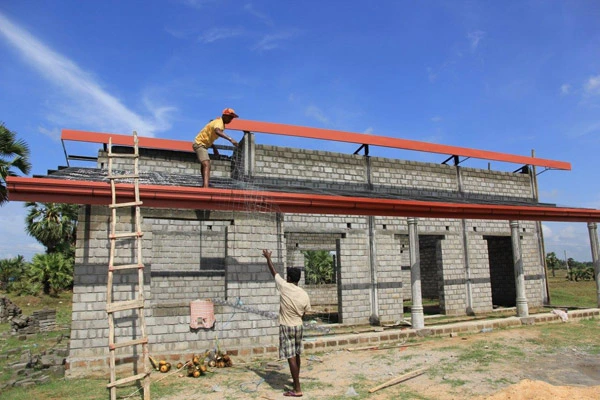
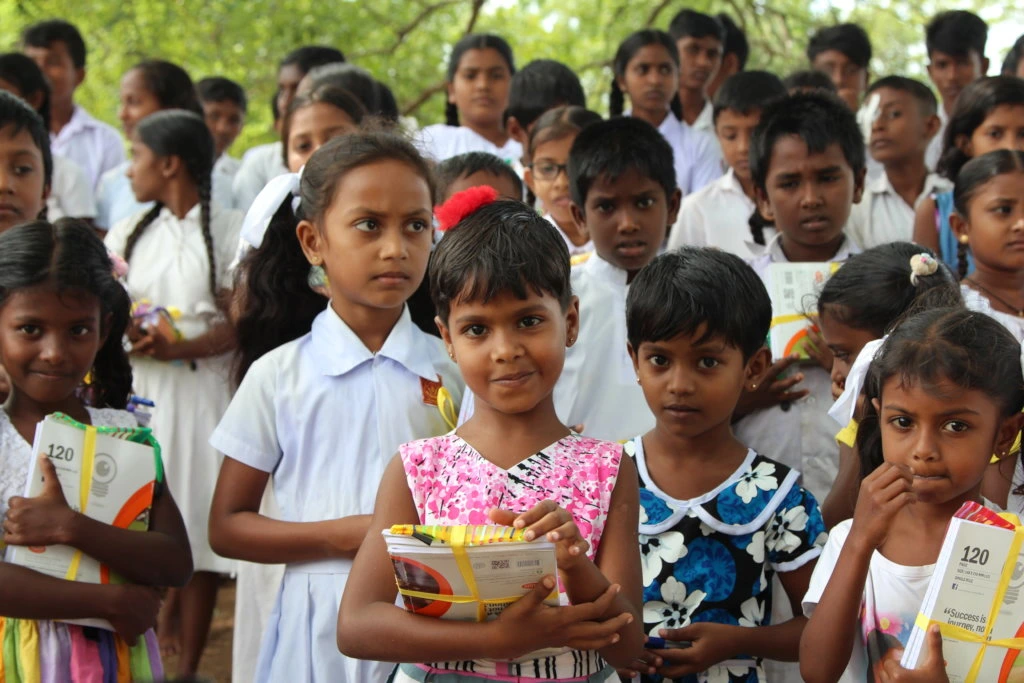
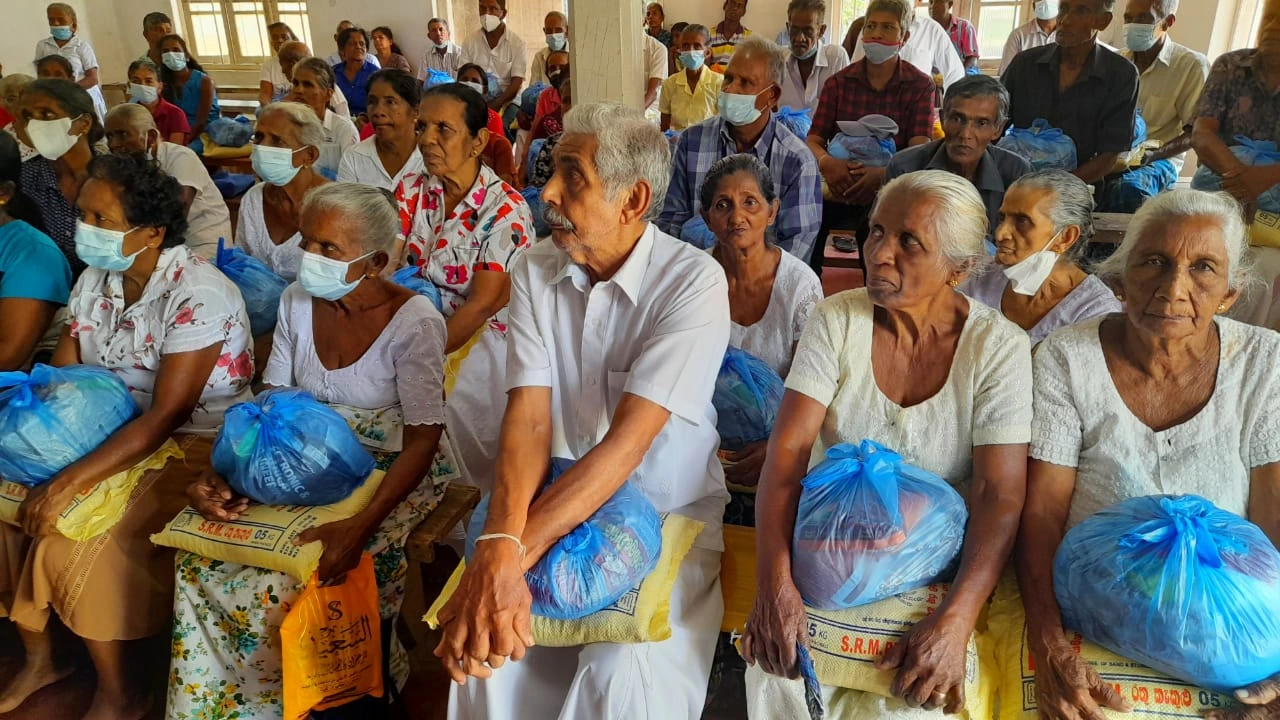
Google Ranked #1, the Heartfelt Expedition is a unique tour that invites tourists to personally engage in charitable events from the perspective of a local donor. Participants will be involved in school initiatives, elderly adoption, and community assistance throughout Sri Lanka.
Discover authentic culture and make a difference by helping local communities.