The Cave of the Traveller Monk – Pahiyangala

Table of Contents

Pahiyangala Cave History

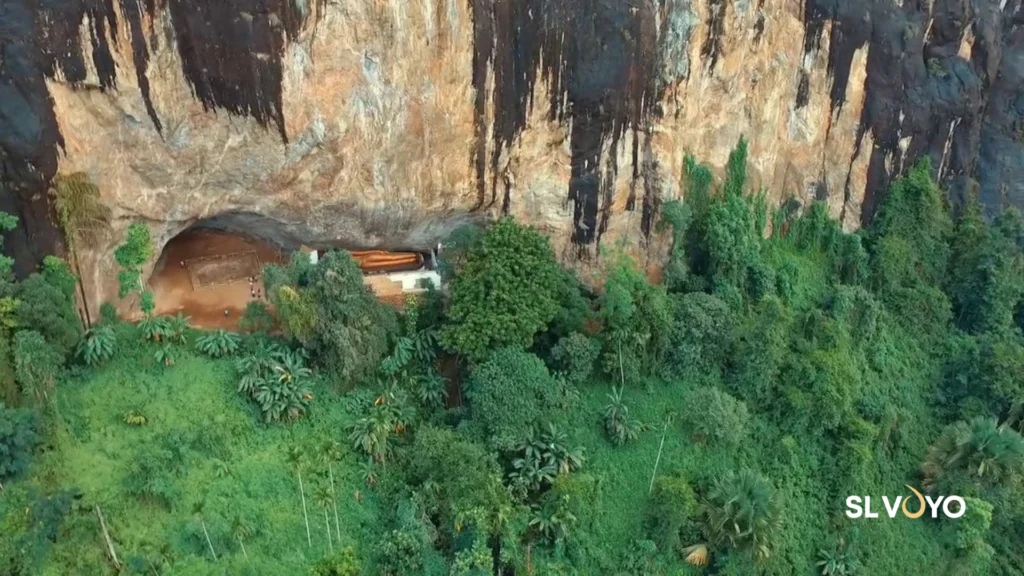
The great looming caves of Pahiyangala gave shelter to one of the most famous travellers of the ancient world. They have also yielded priceless proof of the lives led by our prehistoric ancestors.

pahiyangala-budhdha-statue

Pahiyangala, also known as Fa-hsien Cave, is located in the green and wild areas of Kalutara. The mountains around it are covered with rainforest, similar to Sinharaja, which is nearby. The area is very wet, cool, and shady, making it feel a little dark but peaceful. Among the rocky hills, Pahiyangala is one of the most famous and interesting places.

As you travel through the narrow roads of Yatagampitiya and Bulathsinhala, you will pass beautiful green surroundings. At the end, you reach the Pahiyangala temple, which was built in the 18th century. However, the cave itself was used by prehistoric humans about 33,000 to 37,000 years ago.

Inside the cave, sunlight hardly enters, and it stays cool and dark. You can hear the soft sound of water dripping almost all the time. From the temple, a path leads up to this large natural cave.

The cave got its name from an old story that a Chinese monk named Fa-hsien (Faxian) stayed here. He traveled across many places like Xinjiang, India, Nepal, and Bangladesh in search of Buddhist teachings. His journey in the 5th century was very long and difficult, but also full of adventure. He traveled across seas, deserts, mountains, and forests.

pahiyangala rock

When you climb the steps and reach the huge cave, it is a breathtaking sight. The large rock formation is very impressive, and it makes you think about the past. Long ago, early humans (Homo sapiens) lived here with their families. They probably stayed around fires while it rained outside, surrounded by forests and distant mountains.

Today, archaeological work at the site helps us understand that early time. It shows how hunter-gatherers lived inside the cave and depended on nature for survival.

It is also said that Fa-hsien stayed in Sri Lanka for two years. During a visit to Sri Pada (Adam’s Peak), he is believed to have taken shelter in this cave.

Below the cave, there is thick green forest with many plants, including a rare type of banana called eti-kehel.

Excavations done in the late 1960s discovered small stone tools (microliths) used as weapons. Near old fireplaces, scientists also found human and plant remains. Even today, you can feel the presence of that ancient past. There is also a large reclining Buddha statue painted in a golden color.

Archaeologists also found the skeleton of a child over 6,850 years old and a young woman who lived about 5,400 years ago. They also found evidence of what early humans ate, such as nuts, seeds, and grains that were ground using stones.

There is not much strong proof that Fa-hsien actually stayed in this cave, except for a story about a ceramic plate found there. However, the legend has continued for many years. The cave is still connected with his story and reminds us of the link between the Far East and South Asia.

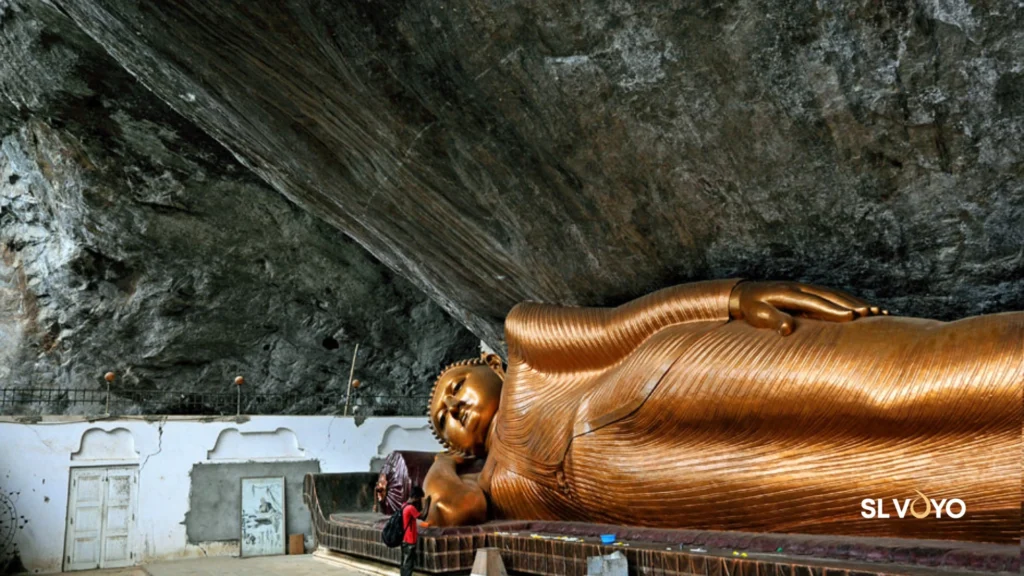
Table of Contents

Tours you might like

Dambulla Cave Temple with Guide

View Tour

Sigiriya Day Tour – Explore the Iconic Lion Rock Fortress

View Tour

Polonnaruwa Ancient City One Day Tour

View Tour

We care about our people. That’s why we offer Heartfelt Expedition

What is it?

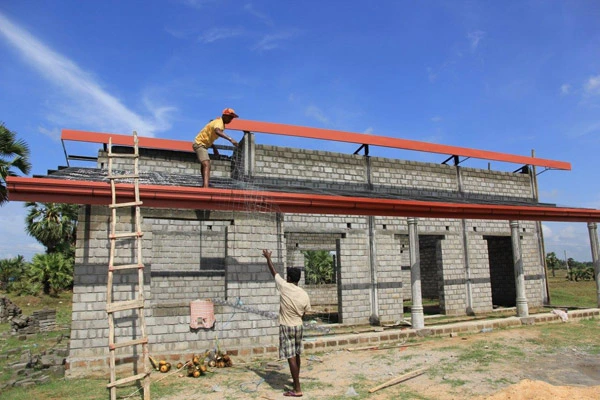
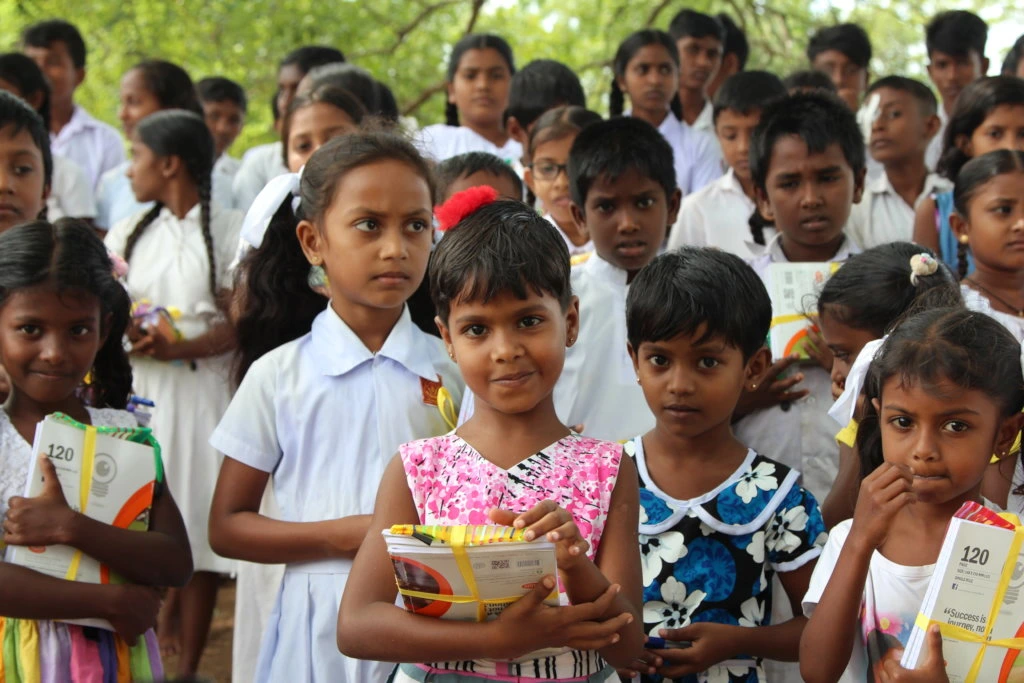
Google Ranked #1, the Heartfelt Expedition is a unique tour that invites tourists to personally engage in charitable events from the perspective of a local donor. Participants will be involved in school initiatives, elderly adoption, and community assistance throughout Sri Lanka.

Discover authentic culture and make a difference by helping local communities.

Discover Sri Lanka in a day! 🏝️

Your adventure awaits.