Without sunglasses, the sunlight is very bright. The sand dunes stretch as far as you can see. The strong sun of the Dry Zone has taken away almost all the colour from the sand. The horizon is hard to see because the wind blows sand and sea spray into the air. There are no buildings and no people living here. It is already 34°C at 10 in the morning. But around me, people are smiling with excitement. This is exactly why they came here. People have travelled from places like Brazil, France, Australia, and Hong Kong to come to Kalpitiya and enjoy riding the wind.
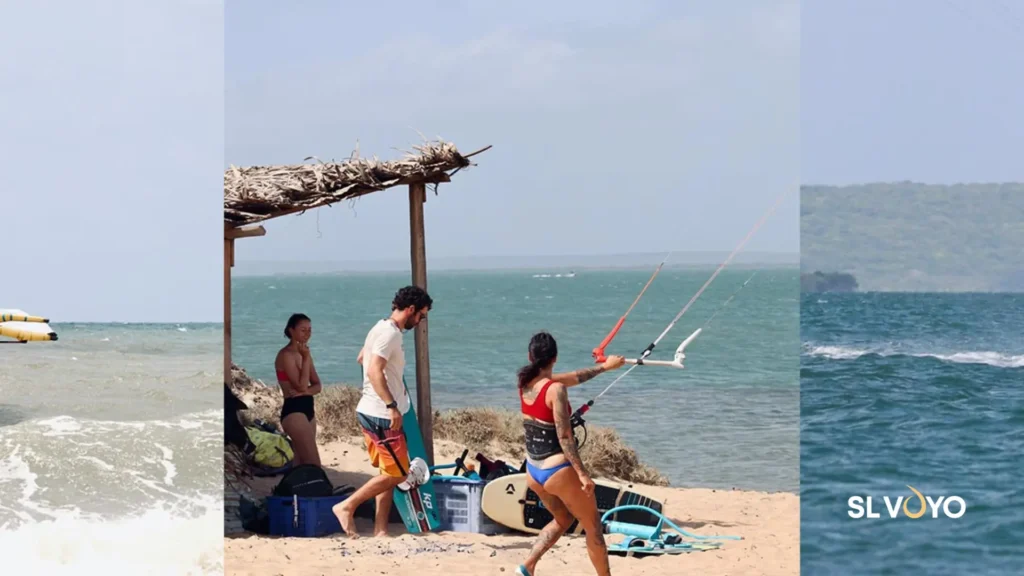
During the winter months in the northern hemisphere, the sea near western Sri Lanka becomes calmer and the air is cooler. At this time, Kalpitiya is popular for whale watching, diving, and boating. But from March to October, Kalpitiya becomes one of the most famous kiteboarding places in the world. Strong winds blow across the Arabian Sea and move around the southern tip of India before reaching this narrow piece of land about 150 km north of Colombo. In Kalpitiya, this land is very narrow, with the sea on one side and a lagoon on the other. This gives riders two different experiences for kitesurfing.
Donkey Point is named after the donkeys that live in the area. This place is best for experienced kitesurfers. It faces the open sea, where the waves are rough and strong. Riders move quickly across the tops of the waves and jump from one wave to another with their wind-powered kites. They race close to the beach and then turn their boards quickly to ride back out to catch more waves. The riders here love excitement and adventure.
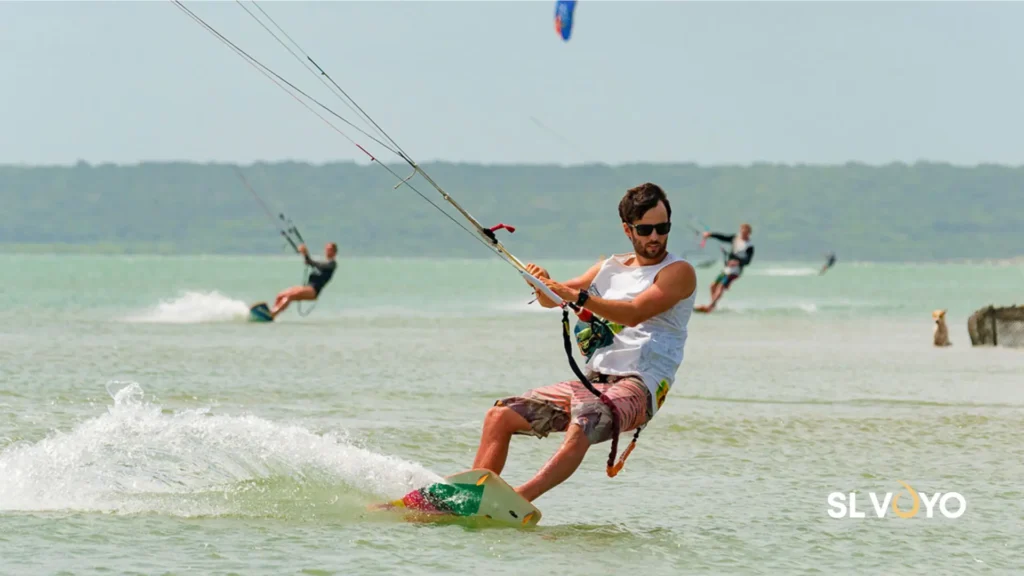
On the lagoon side, the sky is full of colourful kites, similar to the sky during kite-flying season. The wind pulls the riders across the calm water while they hold the long lines connected to their kites. The lagoon water is protected by high sand dunes, but the wind is still strong enough to move the riders fast. These riders are freeriders who often jump high into the air using their shorter boards.
There are no cafés, bars, or nightclubs along the beach. Life here is mostly about kitesurfing. When riders are not in the water, they spend their time eating, resting, and getting ready to surf again. The only buildings on the beach are small huts made of wood and palm leaves. Many old fishing huts called wadiyas have been turned into kitesurfing schools and stations where people can rent equipment or learn the sport. The community here is very friendly and close. Even though the sport has its own culture and lifestyle, newcomers are always welcome. Experienced riders are happy to share tips and help beginners learn.
Accommodation in Kalpitiya ranges from comfortable small resorts that stay open all year to simple surf camps with tents placed directly on the beach. During the kitesurfing season, these camps are very popular with both experienced riders and beginners. The friendly community feeling continues even after sunset. Some riders stay here for months, while others visit for only a week and try to spend as much time as possible on the water.
Many people know each other and often sit together at long tables while sharing stories about their day. You can hear conversations in Portuguese, French, German, and many other languages. Riders talk about techniques, equipment, wind conditions, and the best places to surf. They stay up late talking and enjoying the atmosphere, even though they will wake up early the next day to surf again.
Music plays loudly in the background, but you can still see riders explaining their tricks and moves with hand gestures. One thing is certain every day: there will be wind. As a sticker on one of the surf trucks says, “Life is better when it’s windy.”
If you want to learn kitesurfing, Kalpitiya is a great place to start. Beginners can take a training course that usually lasts 9 to 12 hours over two or three days, depending on the weather and personal fitness. Lessons are taught by instructors certified by the International Kiteboarding Organization. You will also need to pay equipment insurance for the kite, board, harness, and control bar in case anything gets damaged.
If you already know how to kiteboard but do not have your own equipment, many kitesurfing stations in Kalpitiya offer rental gear.
The best time for kitesurfing is from March to October, when the southeast winds blow strongly at about 18 to 20 knots all day. For serious kiteboarders, this is the best season of the year. From November to February, the winds are less consistent and usually become stronger only in the afternoons. However, this time is still good for visitors who want to combine kitesurfing with other activities such as diving or whale watching.
What is it?
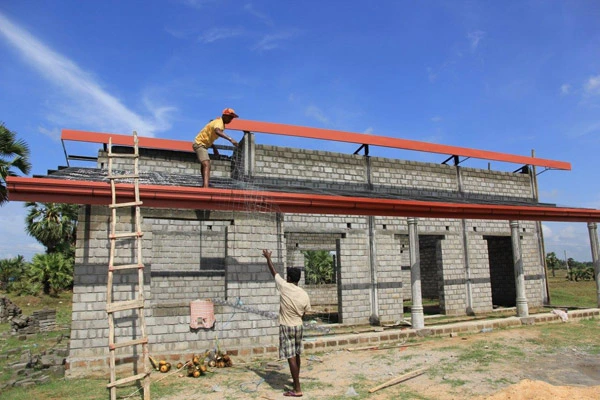
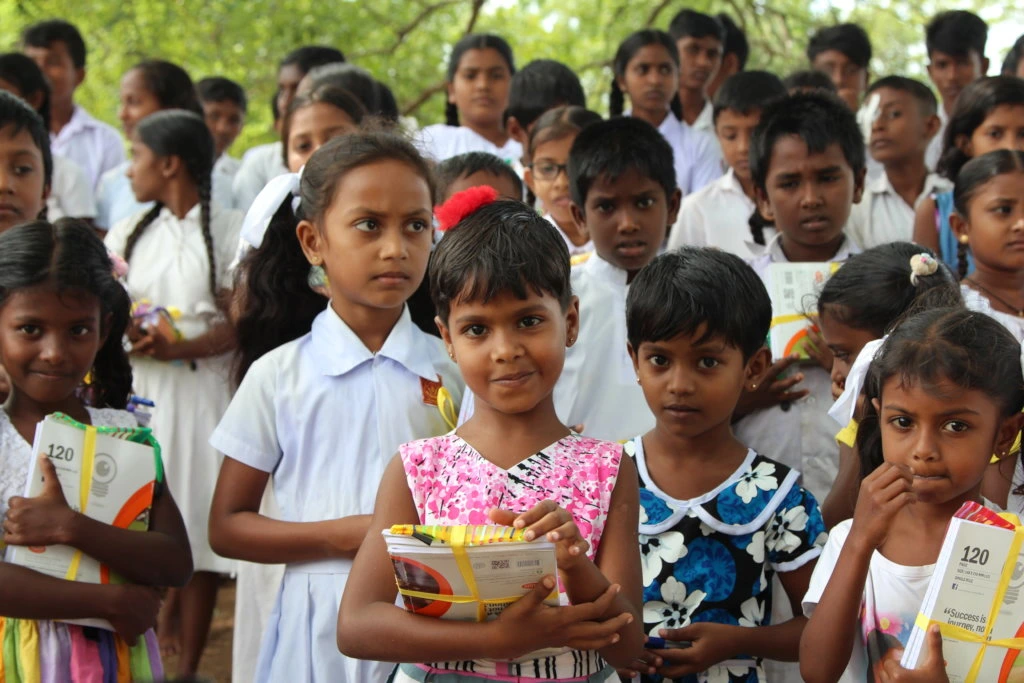
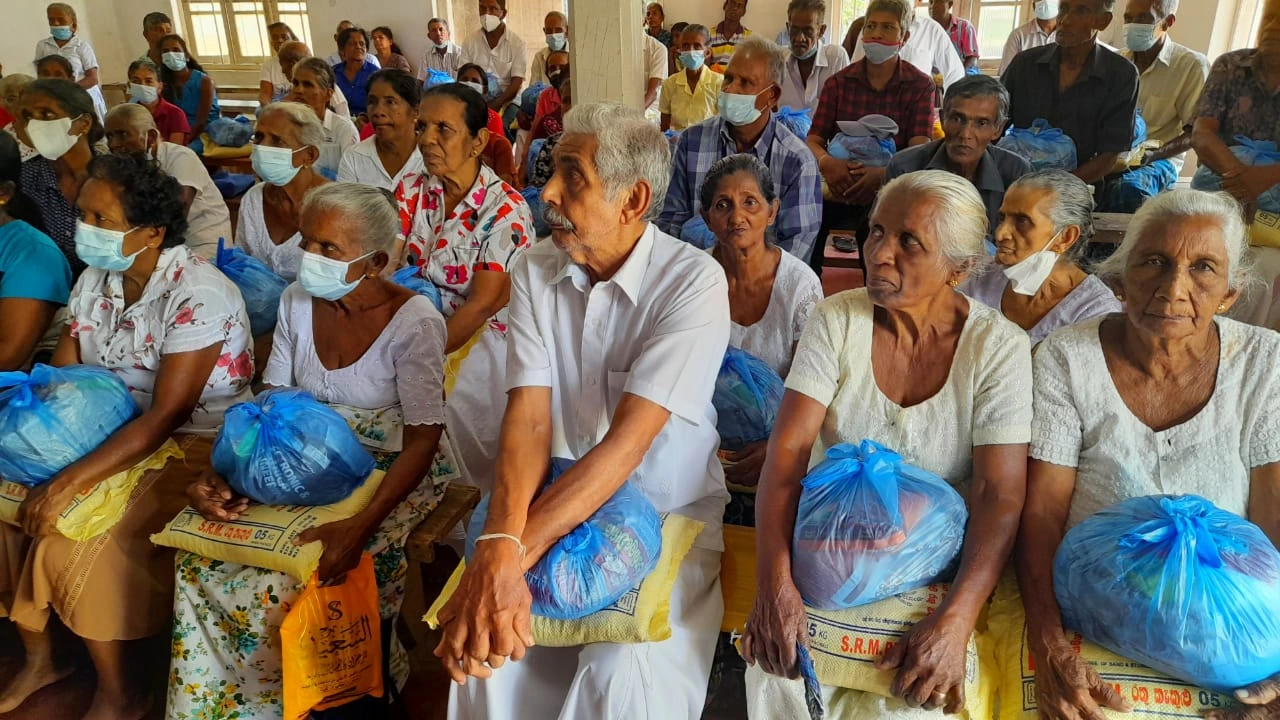
Google Ranked #1, the Heartfelt Expedition is a unique tour that invites tourists to personally engage in charitable events from the perspective of a local donor. Participants will be involved in school initiatives, elderly adoption, and community assistance throughout Sri Lanka.
Discover authentic culture and make a difference by helping local communities.