Sigiriya is often called the “Eighth Wonder of the World.” Even today, thousands of visitors come to see its beauty and history, which has lasted for many centuries.
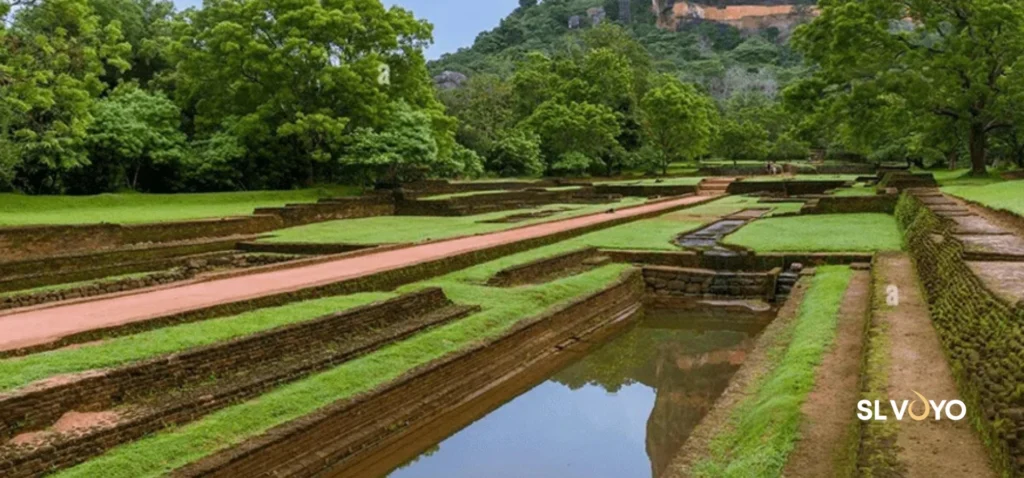
Sigiriya became famous during the time of Kashyapa I (477–495 AD). He built a strong fortress on top of this huge rock. The amazing architecture and engineering skills of ancient Sri Lanka can still be seen in the carefully planned gardens and buildings. Because of its historical importance, Sigiriya is now a UNESCO World Heritage Site known around the world.
As visitors walk along the neat garden paths, it is easy to see that King Kasyapa loved beauty and nature. The water gardens have many ponds with beautiful fountains and an advanced water system that still works during the rainy season. The ponds come in different shapes. Some are rectangular, while one special pond is shaped like an octagon.
The boulder garden is another interesting part of Sigiriya. It is made up of large natural rocks that were used to create open spaces connected by stone steps.
As you climb higher up the rock, you can see many remains that show the skills of the ancient builders and engineers. Straight grooves carved into the rock helped move rainwater from the top of the rock to the ponds below. These water channels also helped cool the royal buildings in the fortress. The steps built into the rocks show clear patterns and side grooves where wooden railings were once placed.
The climb becomes steeper as you go higher, which can make the journey tiring. Many of the steps are almost vertical, making it difficult for enemies to reach the palace. This design helped protect the king, especially because King Kasyapa lived in fear of attacks.
There are also stone seats carved from large rocks that were probably used as meeting places for the king. In one cave, there are unusual grooves on both sides of a granite seat. These may have been decorations or part of a cooling system to keep the king comfortable.
Although King Kasyapa is the most famous ruler connected to Sigiriya, the site was also used as a monastery both before and after his time. Because of this, remains from these periods can still be seen. Some wall paintings and rock inscriptions can still be found inside the caves.
One of the most famous attractions of Sigiriya is the Sigiriya Frescoes. These paintings are believed to show heavenly maidens called Apsaras. Although only a few paintings remain today, their natural colours, clothing, and jewellery show the rich culture of ancient Sri Lanka.
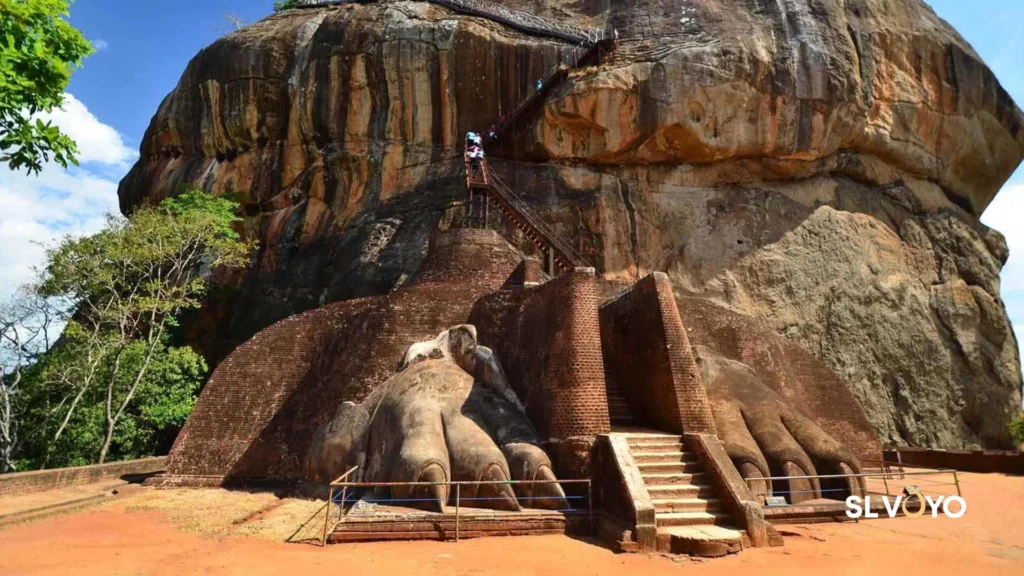
When you walk along the Sigiriya Mirror Wall, you can see ancient writings called Kurutu Gee that were written by visitors many years ago. Soon after, you reach a platform where you can see the huge stone carvings known as the Lion’s Paws.
From here, the climb to the top continues. It feels like you are walking into the mouth of a lion. The climb becomes steeper but also exciting. Sometimes Toque macaque monkeys sit near the steps, making the journey even more interesting.
After a few more minutes of climbing, you finally reach the top. The view from the summit is truly amazing, with a full 360-degree view of the surrounding land. It is easy to imagine King Kasyapa standing here in his palace and looking over his kingdom.
Many visitors often wonder how such a palace with large ponds could have been built at such a height so long ago. When people walk around the site and think about its history, they cannot help but feel proud of the great achievements of ancient Sri Lanka.
What is it?
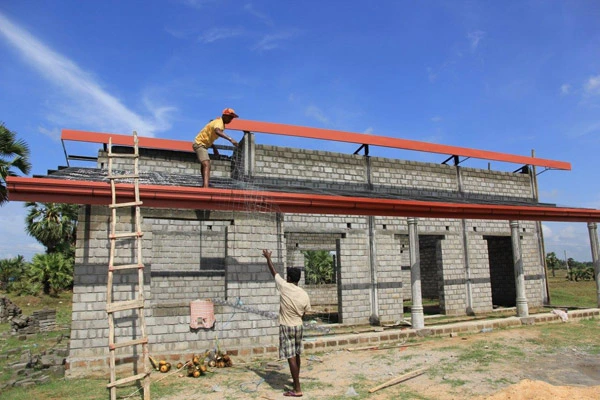
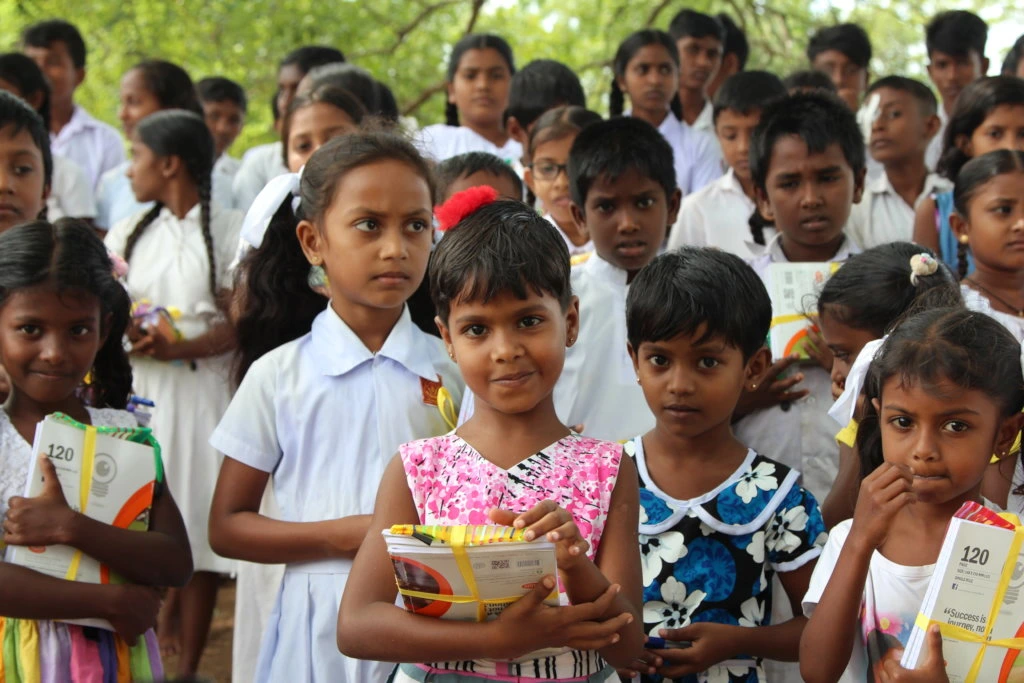
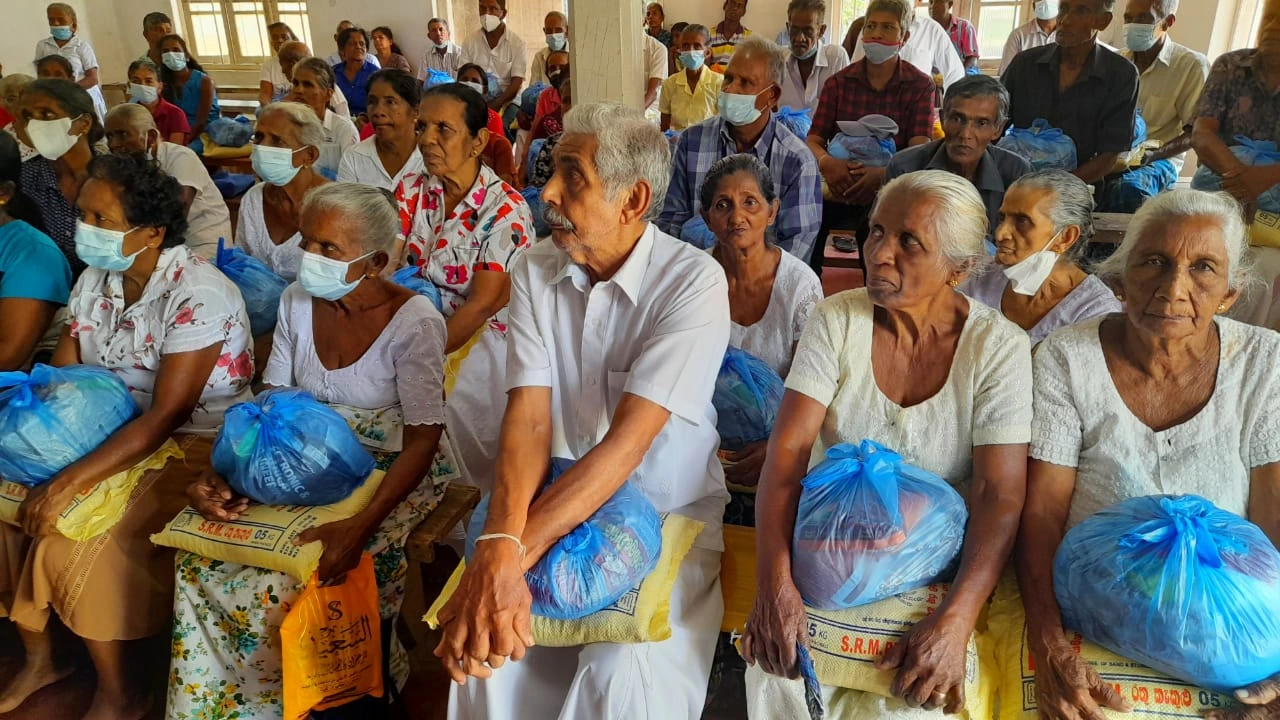
Google Ranked #1, the Heartfelt Expedition is a unique tour that invites tourists to personally engage in charitable events from the perspective of a local donor. Participants will be involved in school initiatives, elderly adoption, and community assistance throughout Sri Lanka.
Discover authentic culture and make a difference by helping local communities.