Trincomalee is one of Sri Lanka’s most beautiful coastal destinations. It is known for its clear blue waters and long sandy beaches that show the island’s natural beauty. From early times, this area was important not only for its natural harbor, but also as a place where culture, religion, and coastal life grew together.
Whether you visit Trincomalee today or imagine exploring this coast centuries ago, the feeling is very similar. The sea shapes the experience. Famous places like Nilaveli Beach, Pigeon Island, and the historic Koneswaram Temple, along with calm bays and marine life, show how the landscape has shaped daily life and beliefs, and the strong connection between people and the ocean in Sri Lanka.
At SL VOYO, Sri Lanka’s first travel platform, we help travellers discover Sri Lanka through experiences that go beyond basic sightseeing. Whether you are joining our Sri Lanka tours or planning your own adventure, this is our friendly guide to the top things to do in Trincomalee.
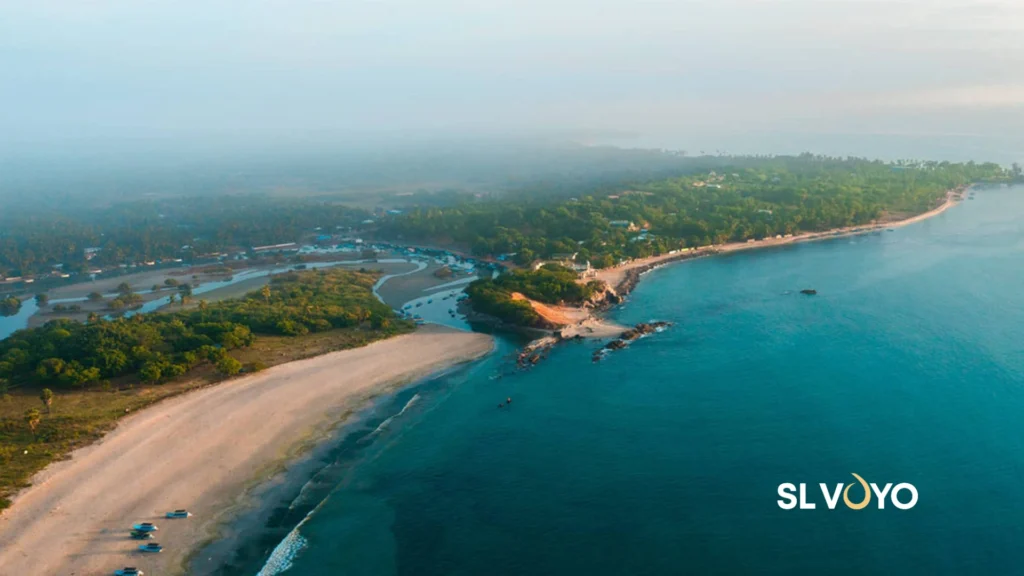
Trincomalee is a beautiful coastal city in the Eastern Province of Sri Lanka. It is one of the country’s most famous beach and cultural destinations. Trincomalee has been an important port city for centuries because of its natural harbor and strategic location. The area has a rich history influenced by different kingdoms and cultures, making it a unique place to explore.
Trincomalee is especially known for its deep natural harbor, which has been used by traders and travelers since ancient times. The city is home to the famous Koneswaram Temple, built on a high cliff overlooking the ocean, offering amazing views. Nearby beaches, such as Nilaveli and Uppuveli, have soft sand and clear blue water, perfect for relaxing and enjoying the sea.
Visitors to Trincomalee can enjoy many activities, such as swimming, snorkeling, and boat tours. Pigeon Island National Park is a popular spot where people can see coral reefs and colorful marine life. Whale watching is also popular during the right season. Visitors can also explore Fort Frederick and learn about the area’s colonial history.
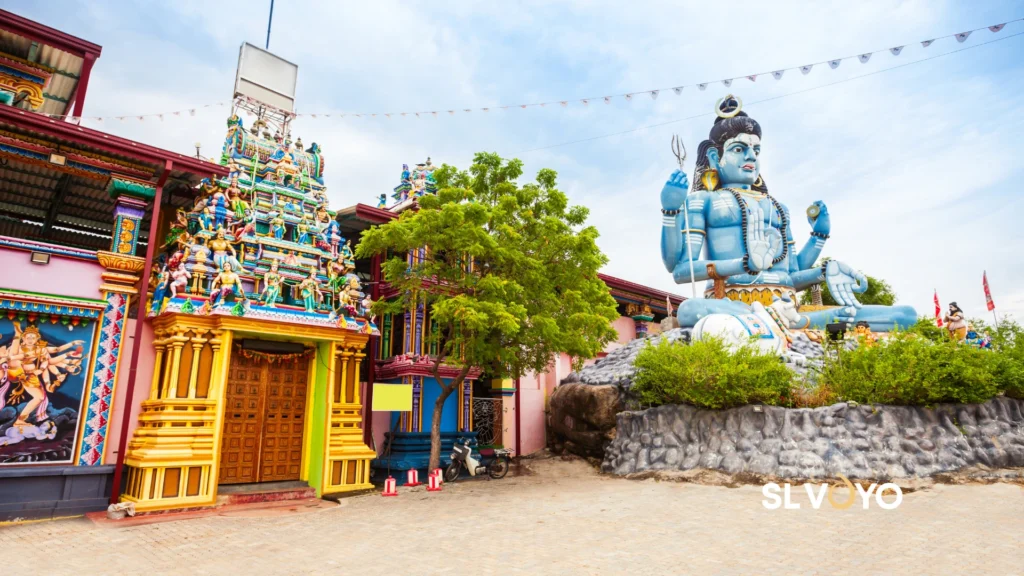
Believed to date back to 400 BC, the Koneswaram Temple in Trincomalee is an important Hindu temple that has experienced both prosperous times and difficult periods, especially during European colonization. It is located on a cliff within the historic Fort Frederick, overlooking the Bay of Trincomalee, and combines Sri Lanka’s unique culture with a European historical setting, making it a fascinating place for visitors.
The temple is one of the Pancha Ishwaram, or five abodes of Lord Shiva, and was originally built and protected by ancient kingdoms including Anuradhapura, Chola, Pandyan, and Jaffna, all of which helped preserve it. In the 17th century, the Portuguese destroyed the temple, which was known as the ‘Temple of a Thousand Pillars,’ causing the loss of many priceless artifacts. Later, the Dutch and British allowed it to be rebuilt, and archaeologists recovered several lost artifacts, keeping its historical and cultural importance for future generations.
Visitors can explore the temple complex, admire its architecture and carvings, and enjoy stunning views of the ocean. Nearby, you can also visit Fort Frederick, watch local religious rituals, and take photos of the beautiful surroundings. The temple is open from 5:00 AM to 8:00 PM, and the best time to visit is early morning or late afternoon. Entrance is free, but donations are welcome, and visitors should wear modest clothing that covers shoulders and knees.
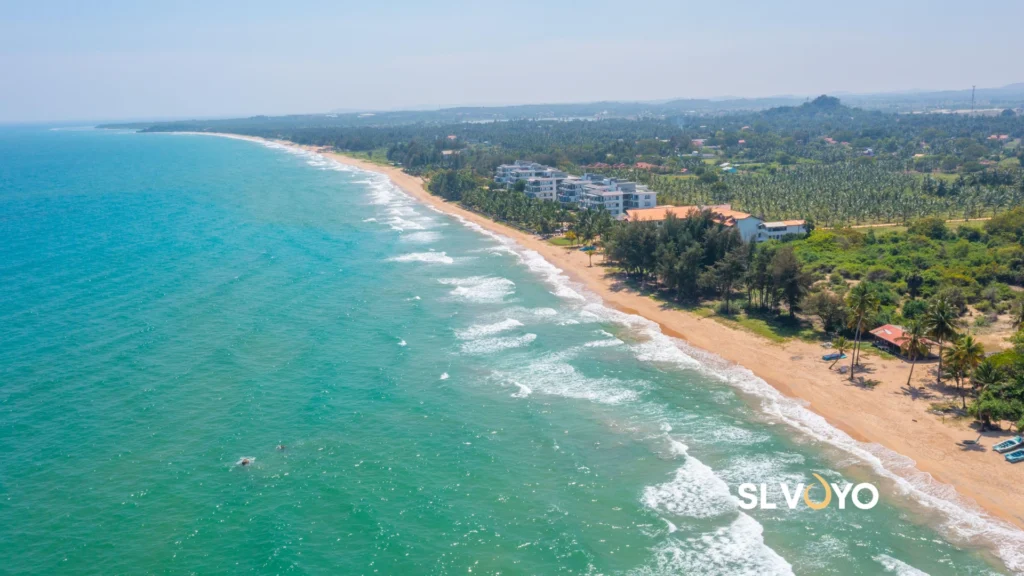
Nilaveli Beach is one of the most stunning and peaceful beaches on the east coast of Trincomalee, perfect for anyone looking to relax and unwind. These coastal areas almost feel like private beaches, so isolated and untouched, with a long stretch of golden sand and clear blue waters extending over a kilometre, inviting leisurely walks, gentle sea breezes, and a true connection with Sri Lanka’s natural beauty. Known for its clean surroundings, calm sea, and vibrant marine life, Nilaveli Beach is a top coastal destination attracting travelers from around the world.
Visitors can enjoy swimming in calm, shallow waters, stroll along soft sandy shores, or simply relax and soak in the peaceful atmosphere. From here, you can also visit Pigeon Island and Angel Rock, while adventure seekers can enjoy activities like snorkelling, scuba diving, and fishing, providing unforgettable experiences in a breathtaking setting.
The best time to visit Nilaveli Beach is from May to September, when the weather is sunny and the sea is calm. Early morning or late afternoon visits are ideal, with cooler temperatures and beautiful coastal views.
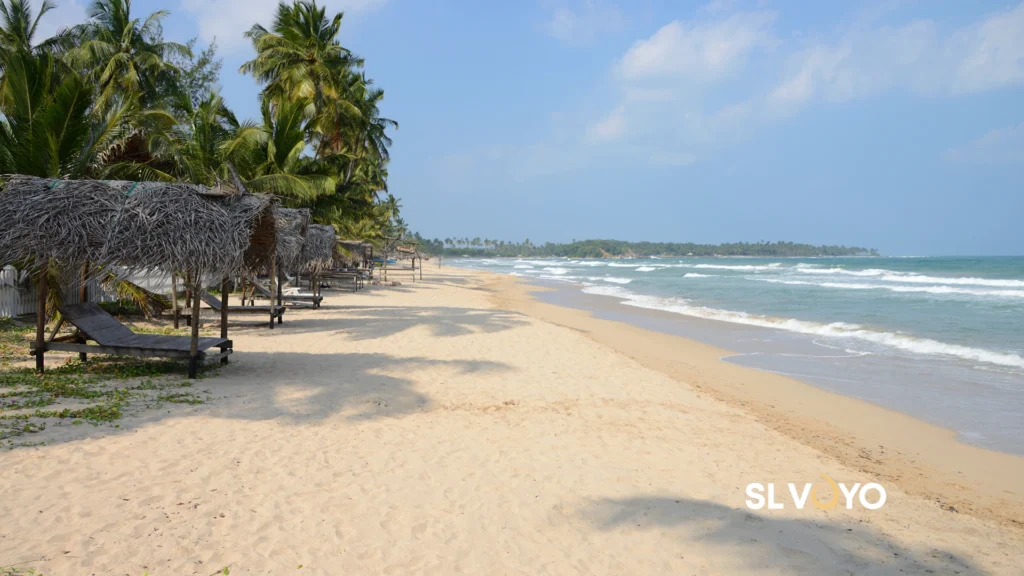
Uppuveli Beach is a charming and lively beach near Trincomalee, ideal for travelers seeking both relaxation and adventure. Though smaller in size, its peaceful atmosphere, soft sandy shores, and clear blue waters make it a perfect spot to unwind and enjoy the beauty of Sri Lanka’s east coast. As a popular tourist destination, it supports local tourism and offers unique marine experiences that make every visit memorable.
Visitors can swim in the calm sea, take quiet walks along the shore, or simply relax and enjoy the soothing sea breeze. Adventure lovers can enjoy snorkelling and deep sea diving, exploring fascinating underwater shipwrecks from ancient times. The sunset here adds a magical touch, making it a great place to spend time with friends and family.
The best time to visit Uppuveli Beach is from May to September, when the weather is sunny and the sea is calm. Early morning or late afternoon visits are ideal, offering cooler temperatures and breathtaking coastal views. A trip to Uppuveli Beach is not just a visit it’s an unforgettable seaside experience.
Where to eat
Fernando Bar is like a beachside food court with many restaurants in one place. If you come from the main road, you will find a long stretch of restaurants with plenty of choices. If you come from the beach, you will arrive directly at Fernando Bar. You can find many types of food here, including sushi, hamburgers, pizza, and Mexican dishes.
Keep in mind that, according to SL VOYO and many travelers across Sri Lanka, Trincomalee is one of the most expensive places compared to other areas. Unfortunately, food here can also be quite costly,but it is usually worth it for the experience.
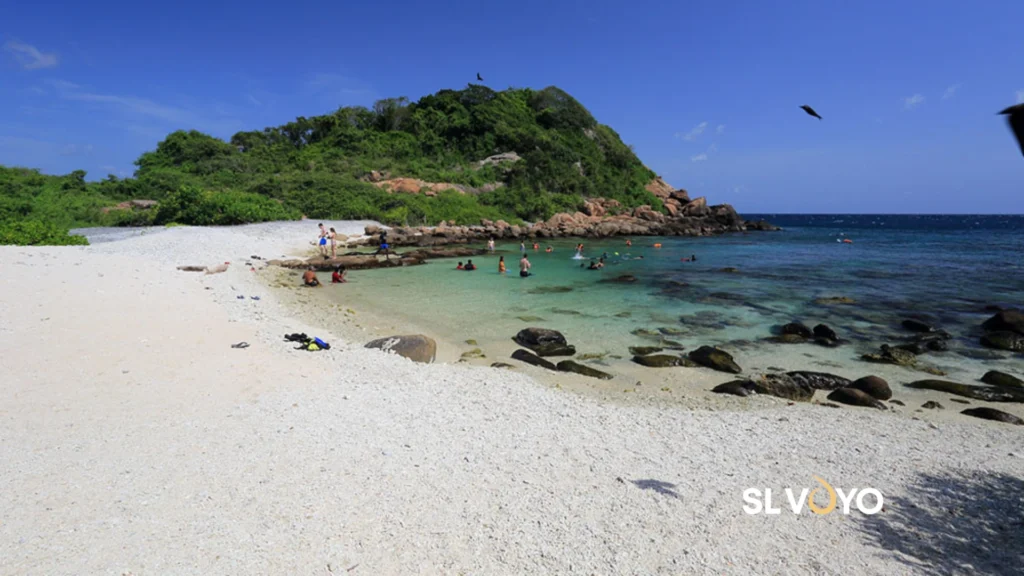
Pigeon Island National Park, near Trincomalee, is one of Sri Lanka’s most exciting national parks, offering an unforgettable marine adventure. Declared in 2003, it has two small islands connected by vibrant coral reefs, home to around 100 coral species and countless tropical fish, making it a paradise for nature lovers and snorkelers.
At Pigeon Island, visitors can swim in crystal-clear waters, snorkel among colorful corals, and explore a wide variety of marine life, including tropical fish, sea urchins, and other fascinating underwater creatures. You can also relax on the sandy shore, enjoy the peaceful surroundings, and take a short boat ride to reach the islands, which adds both excitement and scenic views.
The best time to visit is from December to April, when the sea is calm and sunny perfect for swimming, snorkelling, and all water activities. A trip to Pigeon Island National Park is more than a visit it’s a magical experience where you can see vibrant coral reefs, colorful marine life, and enjoy an amazing tropical marine adventure.
Pigeon Island National Park Entrance Fee:
The entrance fees for Pigeon Island National Park are set according to visitor categories. Non-SAARC foreign adults pay US$25 and children pay US$15. SAARC foreign adults pay US$20 and children pay US$10. The park is a great place for visitors to enjoy Sri Lanka’s marine life and natural beauty.
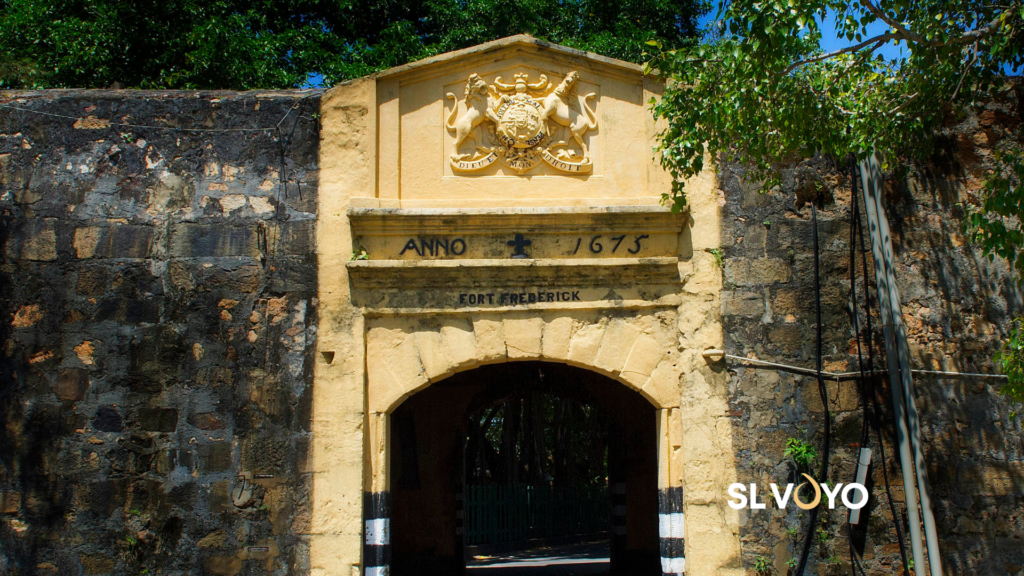
Fort Frederick, located in Trincomalee, is a historic fortress built in 1623 by the Portuguese, overlooking the busy Trincomalee Harbour, one of Asia’s key natural harbours. Its strategic location made it central to maritime trade and military operations, later controlled by the Dutch and British, with short periods under the French and Danish.
Visitors can explore its massive stone walls, watchtowers, and cannons, walk along cliff-edge paths, and enjoy panoramic views of the harbour, sea, and coastline. The peaceful surroundings are ideal for photography, leisurely walks, and soaking in history.
A visit to Fort Frederick is more than sightseeing—it’s an immersive experience combining history, stunning coastal views, and the grandeur of a strategic fortress, perfect for history lovers, photographers, and anyone seeking a scenic and educational adventure.
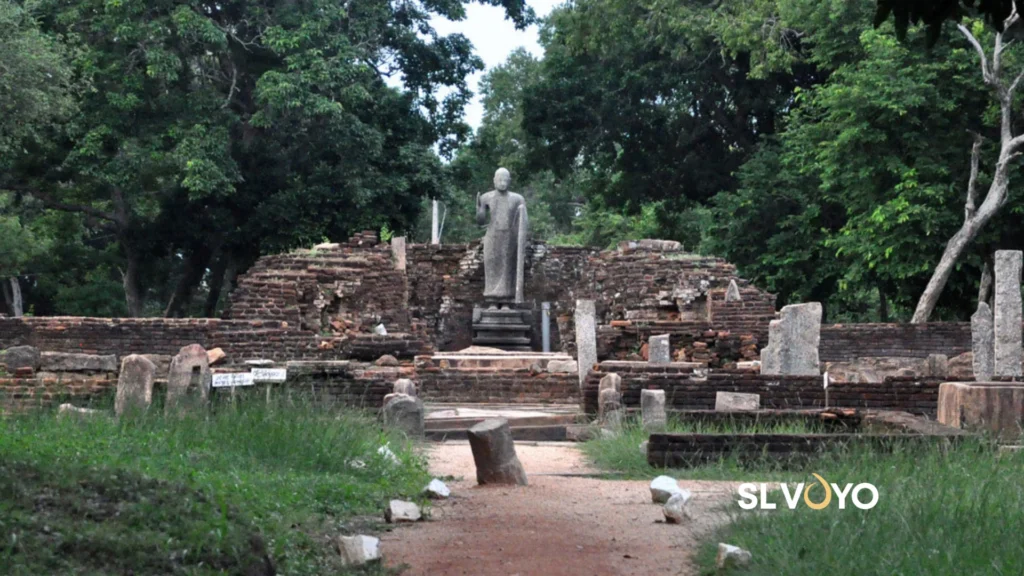
Velgam Vehera, in the heart of Trincomalee, is an ancient Buddhist temple from the 3rd century BC, built during King Devanampiytissa’s reign. Maintained by later kings even during the Polonnaruwa era, it remarkably survived the Chola invasions, making the ruins a testament to centuries of history and Sri Lanka’s rich Buddhist heritage.
Visitors can explore ancient stupas, stone pillars, and fragments of Buddha statues, all showcasing early Sri Lankan Buddhist architecture. Walking through the historic grounds, admiring intricate stone carvings, and enjoying the peaceful surroundings provides a serene and spiritual experience. Photography enthusiasts will also find scenic spots capturing the perfect blend of history and nature.
A visit to Velgam Vehera offers reflection, learning, and relaxation in a calm environment. Early morning visits are ideal for a quiet and meditative experience. Whether you love history, photography, or simply seek tranquility, Velgam Vehera promises a memorable journey into Sri Lanka’s Buddhist past and cultural heritage.
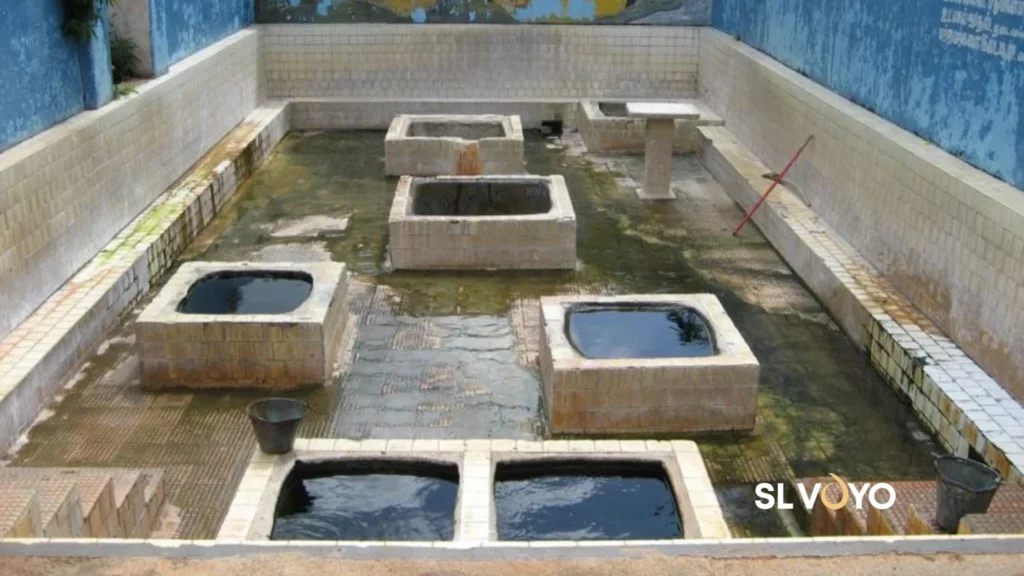
Kanniya Hot Springs, near Trincomalee, is a historic and sacred site famous for its natural hot springs. According to the Ramayana, the springs formed when King Ravana performed his mother’s final rites by striking his sword in seven places. The Mahabharata also mentions the springs as a Hindu pilgrimage site with healing waters.
The springs spread across several wells that continuously release warm water, making them some of Sri Lanka’s oldest natural hot springs. Visitors can see the seven main wells, bathe in the therapeutic water, explore the historic wells, and enjoy the peaceful surroundings. The entrance fee to visit Kanniya Hot Springs is US$1.5, which helps maintain and preserve this sacred site.
For a smooth visit, wear modest swimwear or traditional bathing clothes, and bring a towel, drinking water, and sunscreen. Early mornings are ideal to avoid crowds and enjoy a calm, relaxing experience. Respect the sacred nature of the site, and your visit to Kanniya Hot Springs will be safe, enjoyable, and memorable.
“At SL VOYO, we do not recommend visiting this place. It is not worth it, as for political reasons the site has been reconstructed on top of the natural hot spring, ruining its authenticity. Additionally, they charge an entrance fee for tourists.”
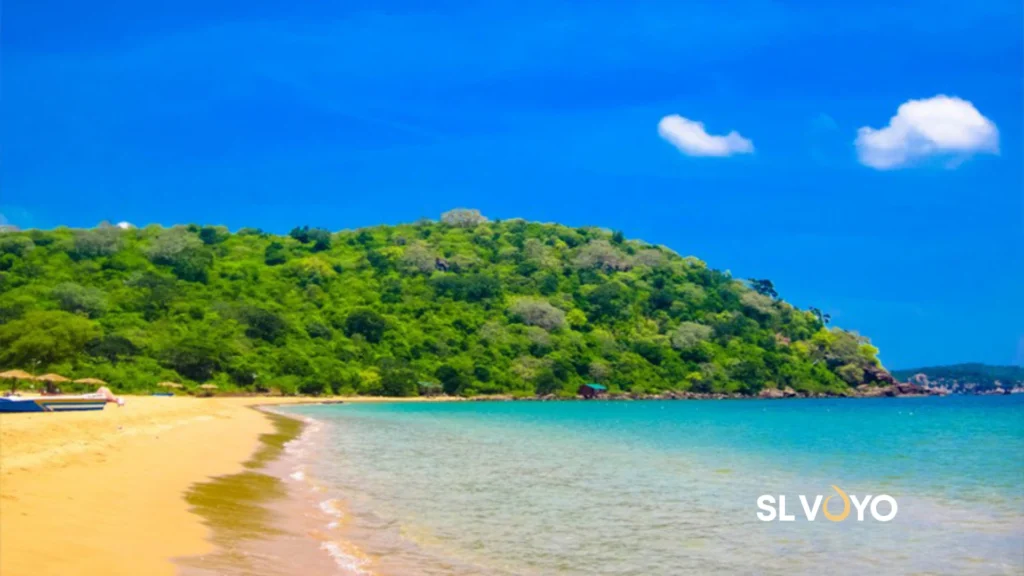
Marble Beach, located about a 30 minute drive from Trincomalee on Sri Lanka’s east coast, is a beautiful beach that is completely worth the visit and is known as one of the top beaches in Sri Lanka. It has clean white sand, clear blue water, and a calm, peaceful atmosphere, making it perfect for relaxing, swimming, and enjoying nature away from crowded places. The beach is maintained by the Sri Lankan Navy, so it is clean, safe, and well looked after.
Visitors can walk along the shore, swim in the calm sea, sunbathe, or just relax and enjoy the sea breeze. There are two areas at the beach: a public side and another side with sunbeds and a Navy-run restaurant. It is better to visit the Navy side, order some food, and relax there, as this area has no rocks and offers a beautiful clear ocean view. It is also a great place for photos, picnics, and spending time with friends or family.
The entrance fee is US$1.5, and the beach is open daily from 6:00 AM to 6:00 PM. The best time to visit is from May to September when the weather is sunny and the sea is calm. Try to visit in the early morning or late afternoon for a better experience. Wear comfortable clothes, bring sunscreen, water, and towels, and help keep the beach clean for everyone to enjoy.
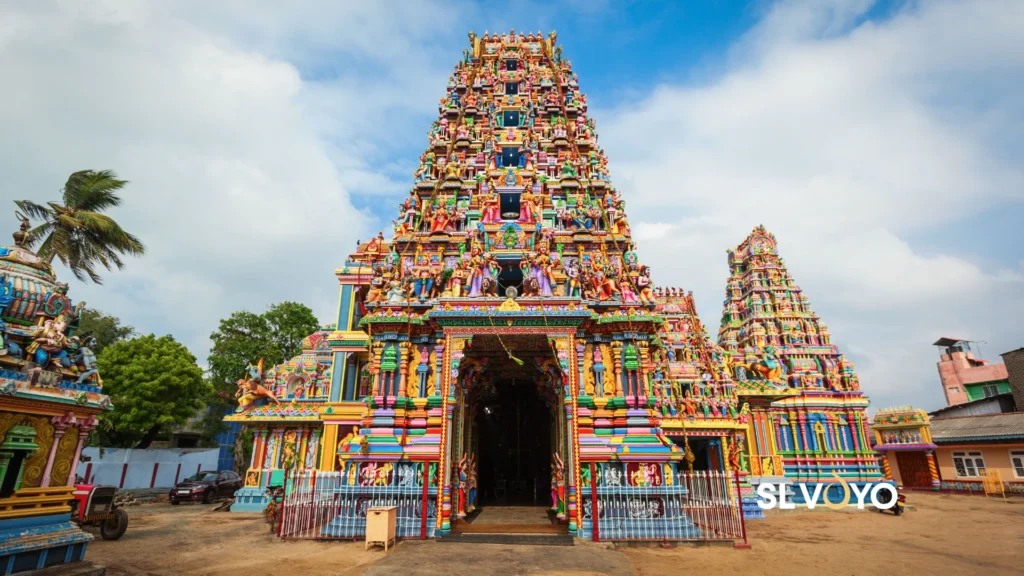
Visitors love to visit the Sri Pathrakali Amman Temple, one of the most important Hindu temples in Trincomalee. Its history goes back to before the 11th century CE, and it became more important during the time of Rajendra Chola I, who expanded the temple. His inscription can still be seen today, showing its strong cultural and religious value as a sacred place and a symbol of Tamil Hindu heritage in Sri Lanka.
Visitors are especially attracted to its beautiful Dravidian architecture, with colorful gopurams, detailed carvings, and bright statues of Hindu gods. They can explore shrines dedicated to Goddess Kali, admire fine sculptures, and enjoy traditional artwork. The temple is also mentioned in the novel Birds of Prey by Wilbur Smith, which adds to its cultural importance.
Many visitors come here to enjoy a calm and spiritual atmosphere, watch daily pooja rituals, and experience the devotion of local people while learning about Hindu traditions. The temple is usually open from 6:00 AM to 12:00 PM and 4:00 PM to 8:00 PM, and the best time to visit is early morning or evening. Visitors should wear modest clothes that cover the shoulders and knees, and they must remove their shoes before entering to show respect for the temple.
The best time to visit is May to October, when the sea is calm. It is ideal for beaches, snorkeling, and water activities.
Yes! Pigeon Island National Park and nearby reefs are perfect for snorkeling and diving. You can see colorful corals and marine life.
Yes, there are many hotels, guesthouses, and beach resorts. You can also enjoy Sri Lankan food and fresh seafood at local restaurants.
Yes, it is generally safe. Take normal precautions like keeping your belongings safe and avoiding isolated areas at night.
2 to 3 days are enough to visit the main beaches, temples, and do activities like snorkeling or whale watching.
What is it?
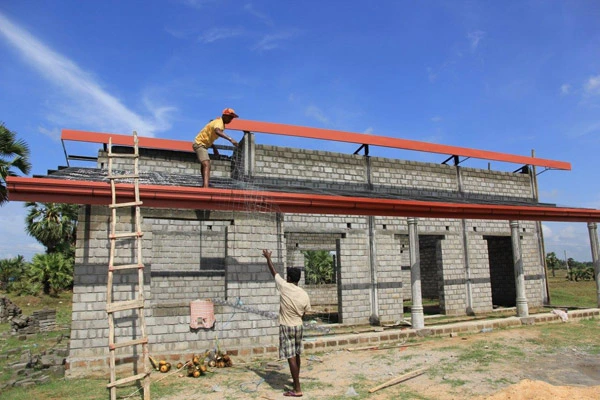
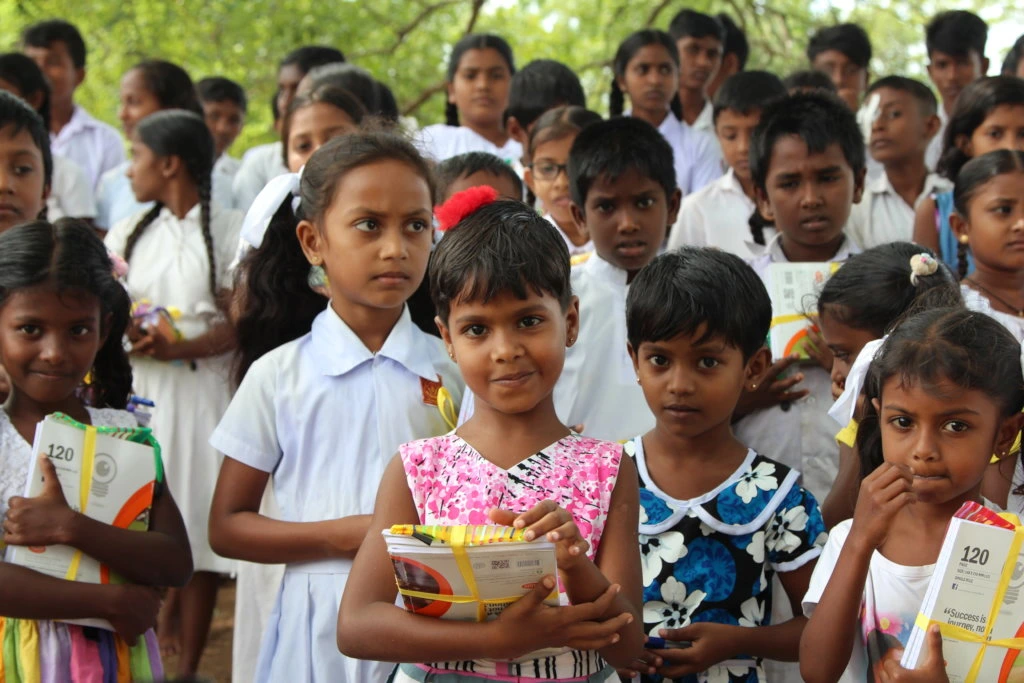
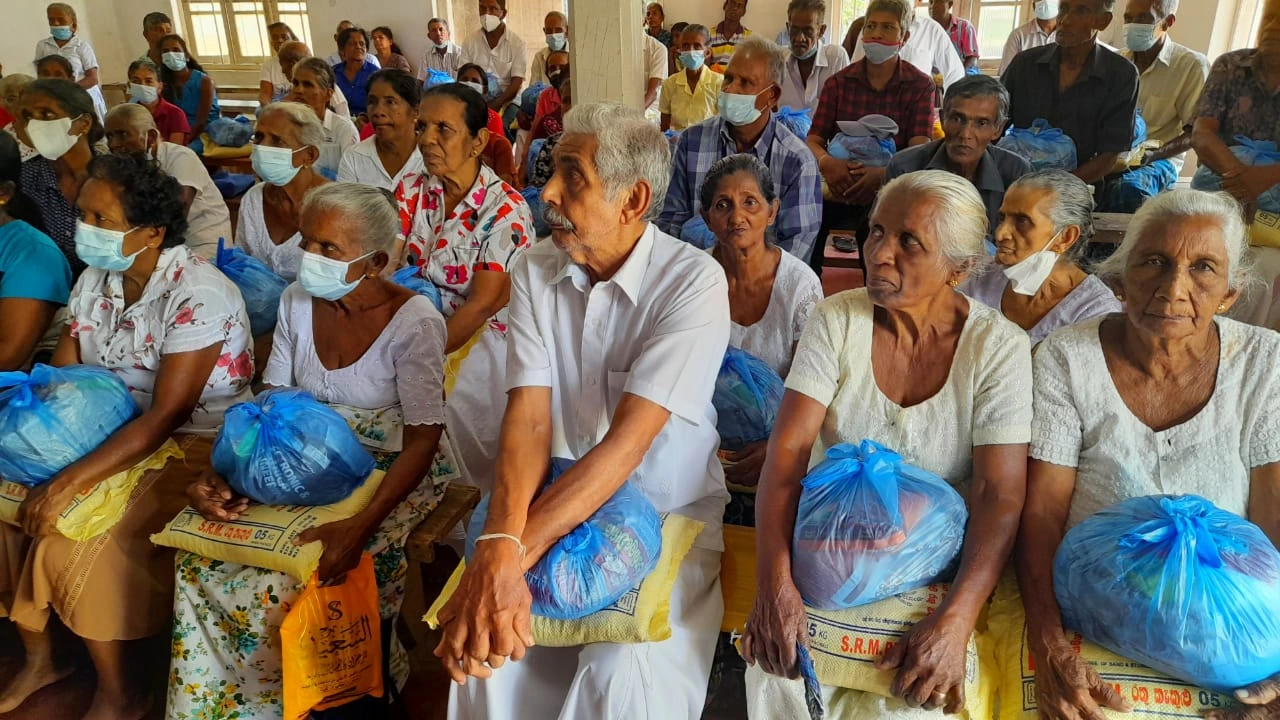
Google Ranked #1, the Heartfelt Expedition is a unique tour that invites tourists to personally engage in charitable events from the perspective of a local donor. Participants will be involved in school initiatives, elderly adoption, and community assistance throughout Sri Lanka.
Discover authentic culture and make a difference by helping local communities.