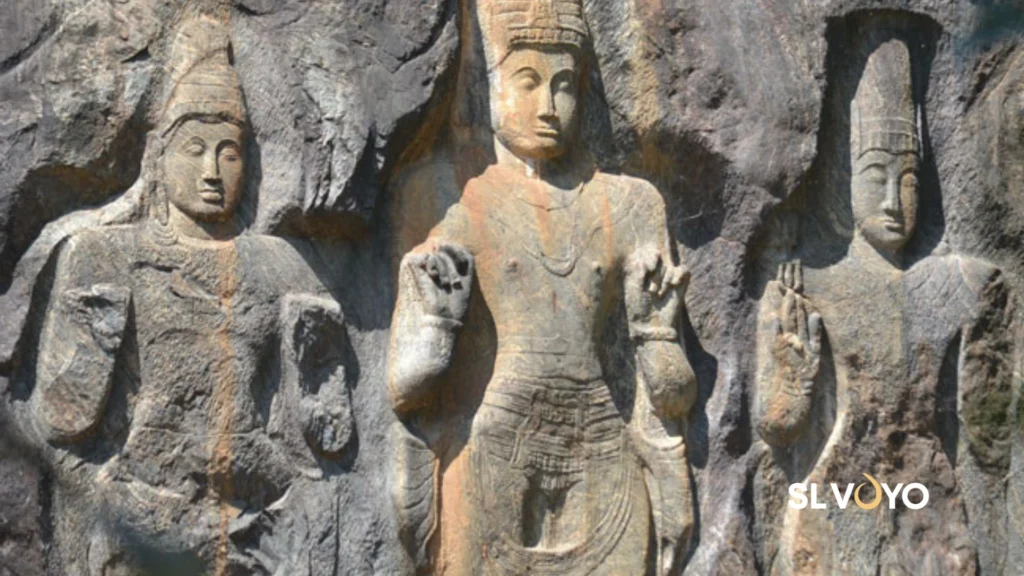
Buduruwagala is a historic and peaceful place in Sri Lanka that many travelers do not visit often. However, it is one of the most important archaeological sites in the country. Buduruwagala is famous for having the tallest standing Buddha statue carved from solid rock in Southern Asia. The central statue is surrounded by six other rock carvings, three on each side, all carved on the same rock surface. Even though these sculptures are very impressive, the exact history and origin of Buduruwagala are still a mystery.
This archaeological site is located about four kilometers from the Buduruwagala junction, which is connected to the main A2 road between Wellawaya and Thanamalvila. The site is situated in the Monaragala District at the edge of Sri Lanka’s central highlands. Several well-known places are located nearby. To the north is Ella Gap, to the east are the beaches of Arugam Bay, to the south is Hambantota, and to the west are Belihuloya and Ratnapura.
After several days of monsoon rain, the dry zone landscape becomes fresh and beautiful. Early in the morning, drops of dew shine on the green paddy fields. From the Buduruwagala junction, the road turns uphill toward the site, passing through quiet countryside and village areas.
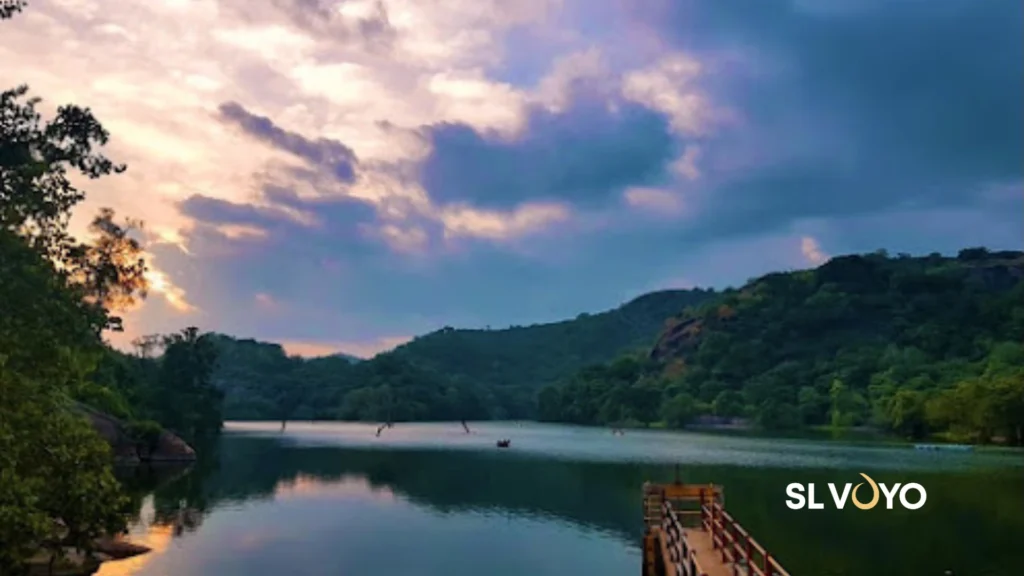
Near the site is the Buduruwagala wewa (reservoir) where visitors can see calm water and beautiful natural scenery. Village life here is simple, and many people depend on the water from the reservoir for their daily needs. Tall trees around the water create a perfect place for birds of prey that watch from above before catching their food.
After traveling through a forest road, visitors finally arrive at the site. At the entrance there is a modern Buddhist temple. A few meters away stands a large rock cliff where the famous sculptures are carved. The main statue is about 51 feet tall, making it the most important figure among the carvings.
Some villagers believe the site was created during the reign of King Walagamba. However, research by the Department of Archaeology suggests that the carvings were made between the 7th and 10th centuries AD during the Anuradhapura Dynasty, which is much later than the time of King Walagamba.
The exact origin of the Buduruwagala sculptures is still uncertain, which makes the site even more interesting. The statues show excellent craftsmanship created almost one thousand years ago. Archaeologists believe the statues were once covered with a thin layer of plaster and painted in bright colors. Small parts of this plaster can still be seen today.
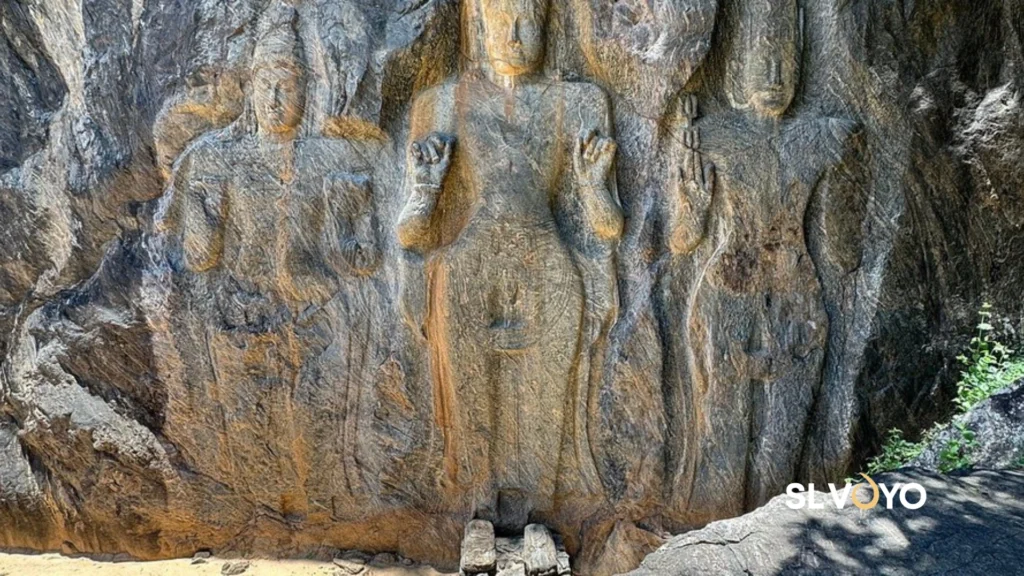
Some researchers think the main statue represents Dipankara Buddha, one of the 24 Buddhas mentioned in Buddhist tradition. However, there is no written evidence in ancient chronicles or inscriptions to confirm this.
The six smaller statues on each side of the main figure are believed to represent figures from Mahayana Buddhist tradition. Two of them appear similar to Bodhisattva Avalokiteshvara and Bodhisattva Maitreya. The female statue beside Avalokiteshvara is thought to represent Tara, while another statue holding a vajra may represent Vajrapani. Among the seven carvings, the statue of Avalokiteshvara is the best preserved and shows detailed artistic work.
Another historical belief connects the site to the time of King Dutugemunu. According to legend, a meeting related to a war between King Dutugemunu and King Wesamuni took place in the Wellassa region near Buduruwagala. In this story, the central figure represents Gautama Buddha, while the figures on the right represent King Dutugemunu with his parents, and the figures on the left represent Gamini Abhaya and King Saddhathissa.
Today, Buduruwagala is not only a place of historical importance but also a place of natural beauty. Parakeets build nests in the rock surface, and the sounds of Alexandrian parakeets can often be heard around the area. The peaceful environment and rich wildlife make the visit even more special.
Buduruwagala remains one of the most fascinating ancient monuments in Sri Lanka. Even after many centuries, its mystery, beauty, and craftsmanship continue to impress visitors and historians alike.
What is it?
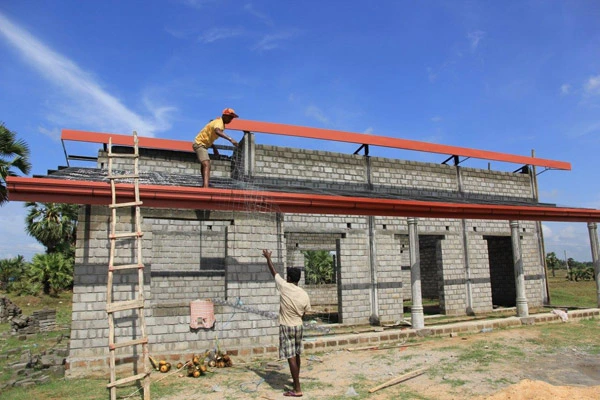
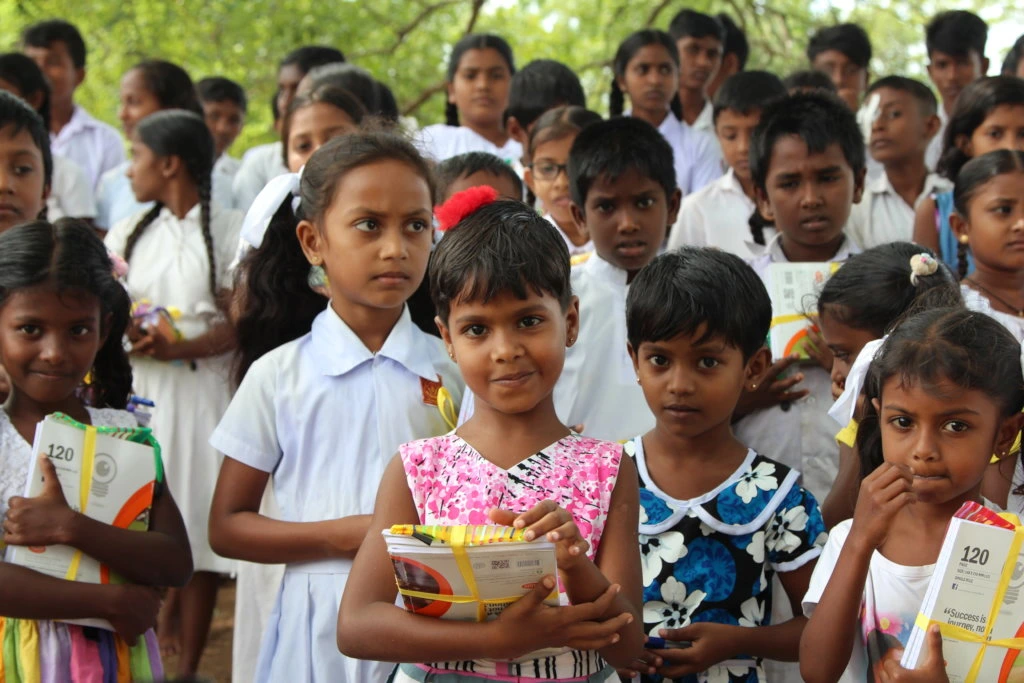
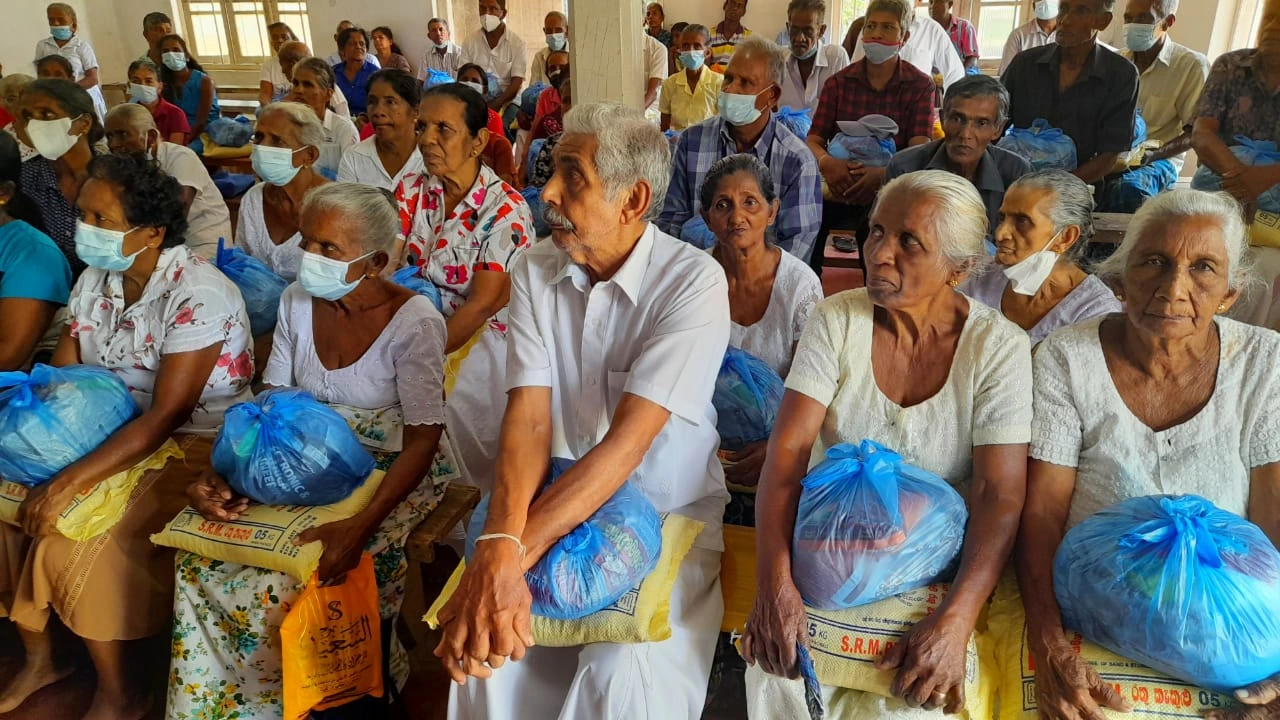
Google Ranked #1, the Heartfelt Expedition is a unique tour that invites tourists to personally engage in charitable events from the perspective of a local donor. Participants will be involved in school initiatives, elderly adoption, and community assistance throughout Sri Lanka.
Discover authentic culture and make a difference by helping local communities.