Along the winding roads near the busy town of Pilimathalawa, there are beautiful cultural and architectural sites to see. These structures belong to the Gampola Kingdom and stand surrounded by peaceful green landscapes. Three important heritage sites share the history of this kingdom, which lasted for about 70 years under four kings. The temples of Gadaladeniya, Lankathilaka, and Embekka Devalaya, built in the 14th century in Sri Lanka, show the cultural and political influence of the rulers of the Gampola Kingdom. Even today, these temples remain important historical landmarks admired by visitors.
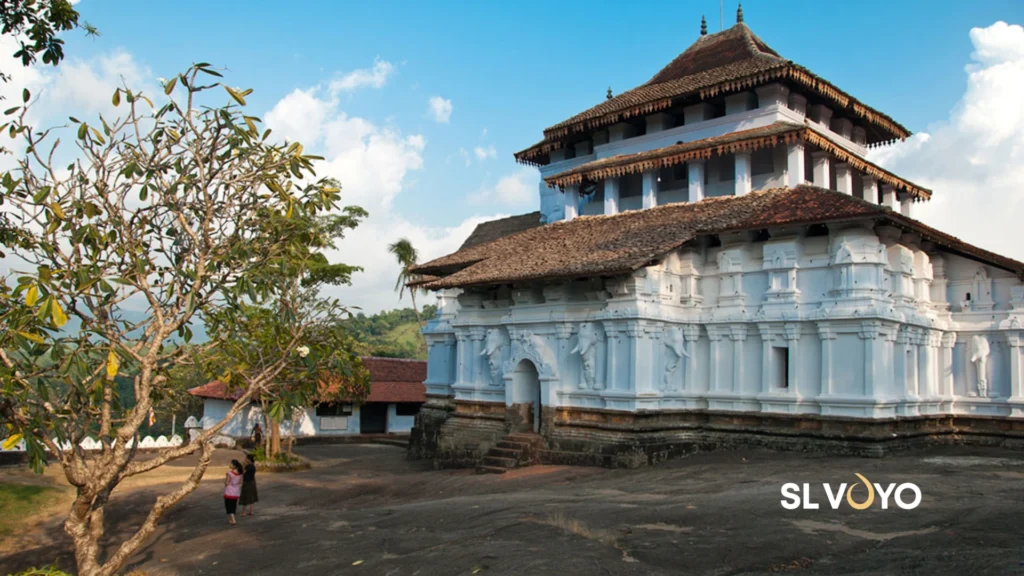
Small shops selling souvenirs, statues, and handicrafts line the uneven mountain path leading to the temple. As you walk further up, you begin to see a beautiful white building shining in the sunlight. Lankathilaka Temple stands proudly on the Panhalgala rock. The surrounding mountains and misty views make the temple look even more impressive.
While walking around the temple, a young novice monk was seen happily playing a board game with a temple caretaker. The caretaker, who held the keys to the temple, pointed out the largest stone inscription in Sri Lanka, written in both Sinhala and Tamil.
Lankathilaka is a great example of the harmony between Buddhist and Hindu worship. The Buddhist image house faces east, while the shrine dedicated to Hindu gods faces west. One of the most striking features of the temple is its two-tier Kandyan-style roof. Historical copper plate inscriptions suggest that the temple once had four floors, but today only two levels remain.
The outer walls of the building have beautiful architectural features such as pilasters, cornices, lintels, and niches with detailed sculptures arranged neatly around the structure. The main entrance is decorated with a dragon arch, and smaller dragon arches appear at the side entrances.
The large door of the image house is beautifully designed. Inside the temple, the walls are covered with detailed paintings showing flowers, vines, birds, and scenes from the previous lives of the 24 Buddhas.
Lankathilaka is also famous for having the only painting of the “Hansa Pottuwa” that shows four swans instead of the usual two. At the center of the image house is a large Buddha statue with eyes decorated with precious stones. According to old stories, sunlight once entered through the open roof and reflected off these jewels, lighting up the entrance to the shrine.
At Embekka Devalaya, the open hall becomes lively during the midday pooja when many devotees gather. When the drums begin to play and the rituals start, a respectful silence fills the space. People patiently wait for their turn to pray to God Kataragama.
According to legend, God Kataragama appeared in a dream to a drummer who used to perform at the annual Kataragama procession. The drummer was getting old and could no longer travel for the pilgrimage. In the dream, the god instructed him to build a shrine at this location.
The Kapu Mahatthaya, who performs the rituals at Embekka Devalaya, says he is a descendant of Indian families who came to Sri Lanka to serve the shrine. Only he and his family know the secrets behind the curtain of the main shrine room.
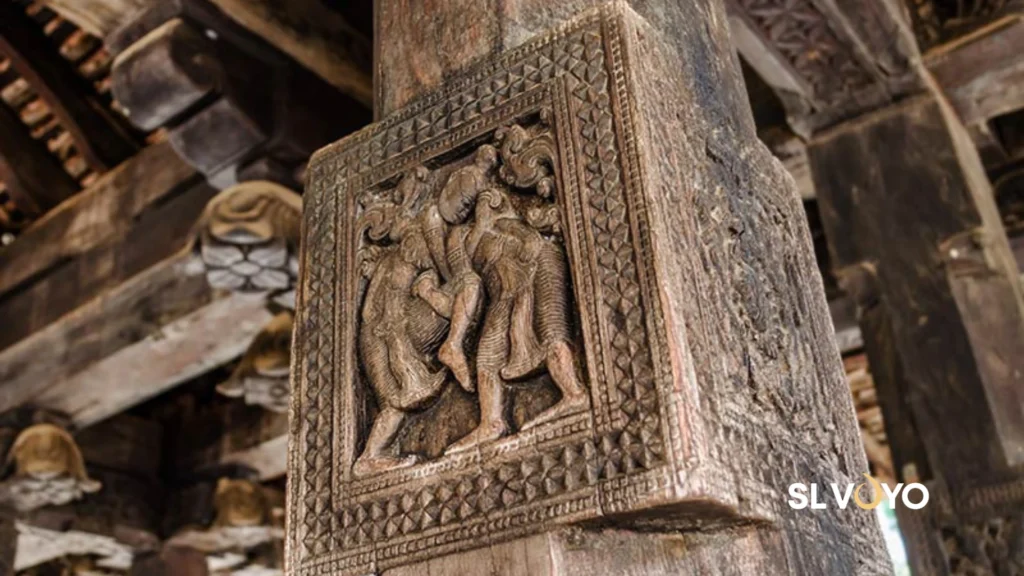
Embekka is famous for its beautiful wooden carvings. There are 514 carvings in total, including 128 carved panels on 32 wooden pillars, with four carvings on each pillar. Many carvings show flowers, especially lotus flowers, as well as human figures, animals, and mythical creatures.
Another special feature is the single wooden joint that holds 26 roof beams together, which is considered a unique architectural technique in Sri Lanka. A dragon arch is the only decorative feature that adds color to the otherwise simple row of wooden pillars.
Among the many treasures kept at Embekka is the palanquin of King Wickramabahu III, which was donated by the king himself. During festivals, the main deity is carried through the village in this palanquin.
Because of the deep faith people have in God Kataragama, Embekka Devalaya continues to remain an important place of worship.
Early in the morning, the peaceful surroundings of Gadaladeniya Temple create a calm atmosphere. People quietly go about their religious activities. A woman sweeps the sacred ground around the Bodhi Tree, a young boy gathers fallen leaves, and another woman meditates nearby. Meanwhile, some village boys happily try to fly a large homemade kite near the temple.
Every part of Gadaladeniya shows the careful work of skilled builders. It is believed that about 1,000 stone craftsmen from India, along with local artisans, worked for 30 years to complete the temple.
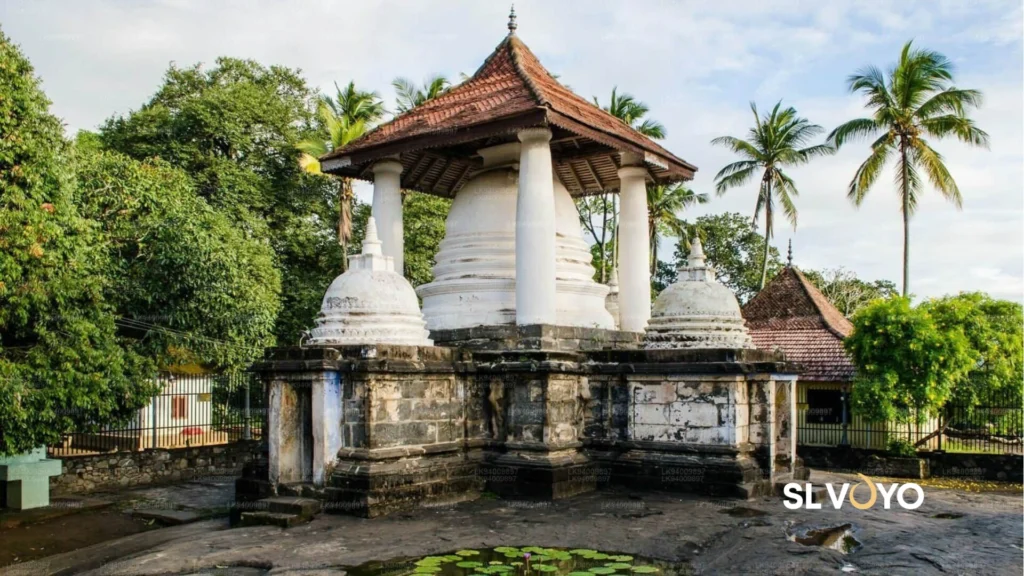
The main stupa, called Vijayothpaya, stands on a raised platform. According to tradition, it represents the home of God Sakra and is surrounded by four small stupas, symbolizing the four guardian deities of Sri Lanka. These smaller stupas stand above four stone image houses.
The temple is famous for its detailed stone carvings, cornices, and niches. It is believed that the stones used to build the temple were brought from a nearby place called Deniya, which is how the name Gadaladeniya was formed.
At the entrance, visitors can see a moonstone, four stone steps carved with dancers and musicians, and a balustrade shaped like Gajasinha, a mythical creature with the body of a lion and the head of an elephant.
The entrance also has two large triple stone pillars, each carved from a single stone. The carvings include Hindu gods, scenes from ancient Puranic stories, and the image of Shiva performing the cosmic dance, along with lions and lotus designs. According to folklore, the right pillar was carved by the chief architect Ganeswaracharya, while the other pillar was made by the best stone craftsman in the country.
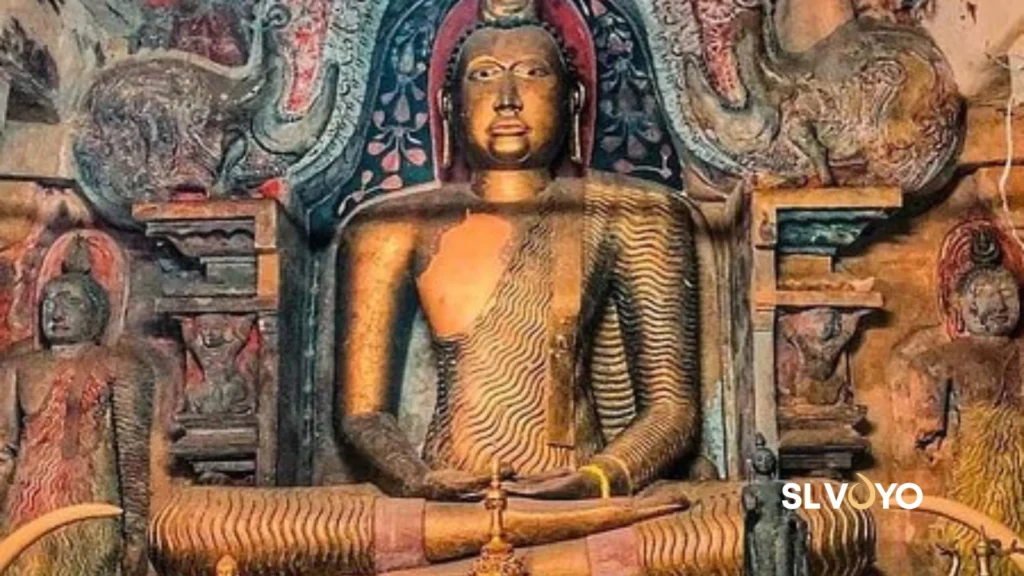
Inside the temple, the Buddha statue has a unique appearance influenced by Hindu artistic styles. Instead of a calm expression usually seen in Buddha statues, this statue has a more royal and majestic look, which is typical of the Gampola period. Above the statue is a decorative dragon arch, along with carvings made using lime plaster.
Because of its mix of artistic styles, Gadaladeniya Temple represents a blend of two great cultures.
What is it?
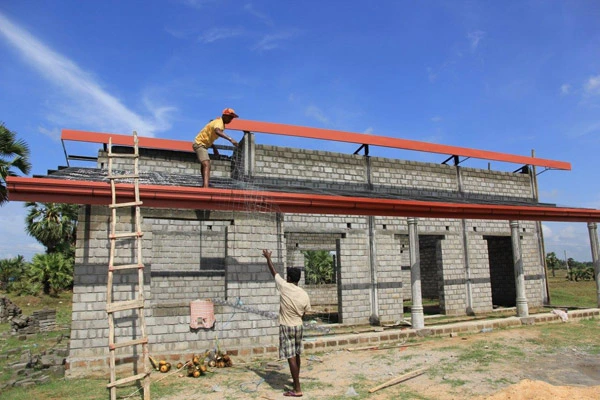
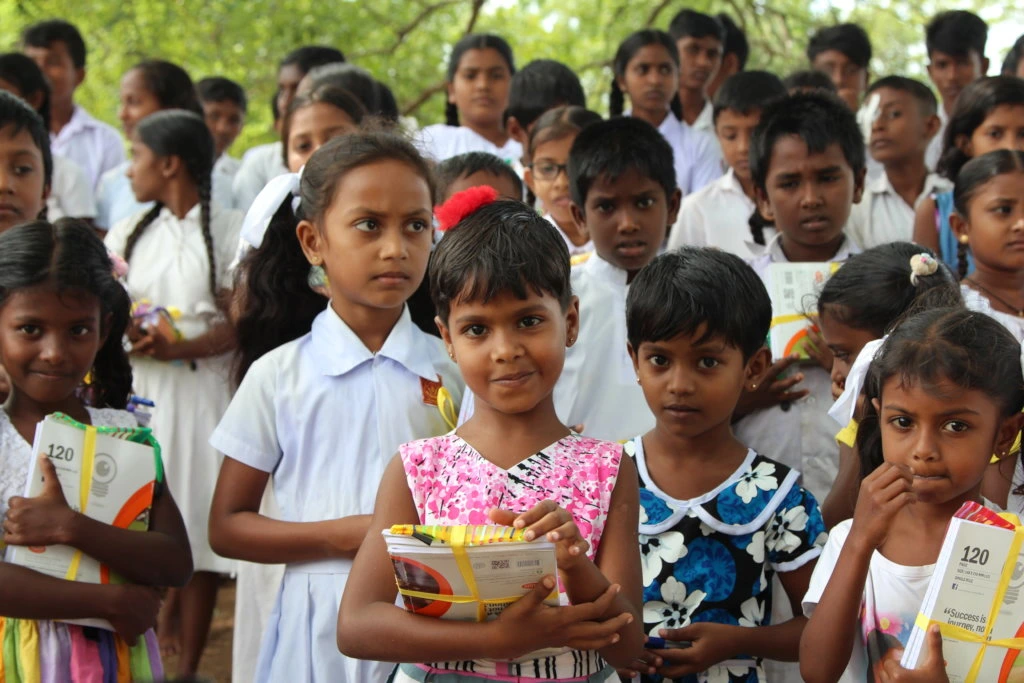
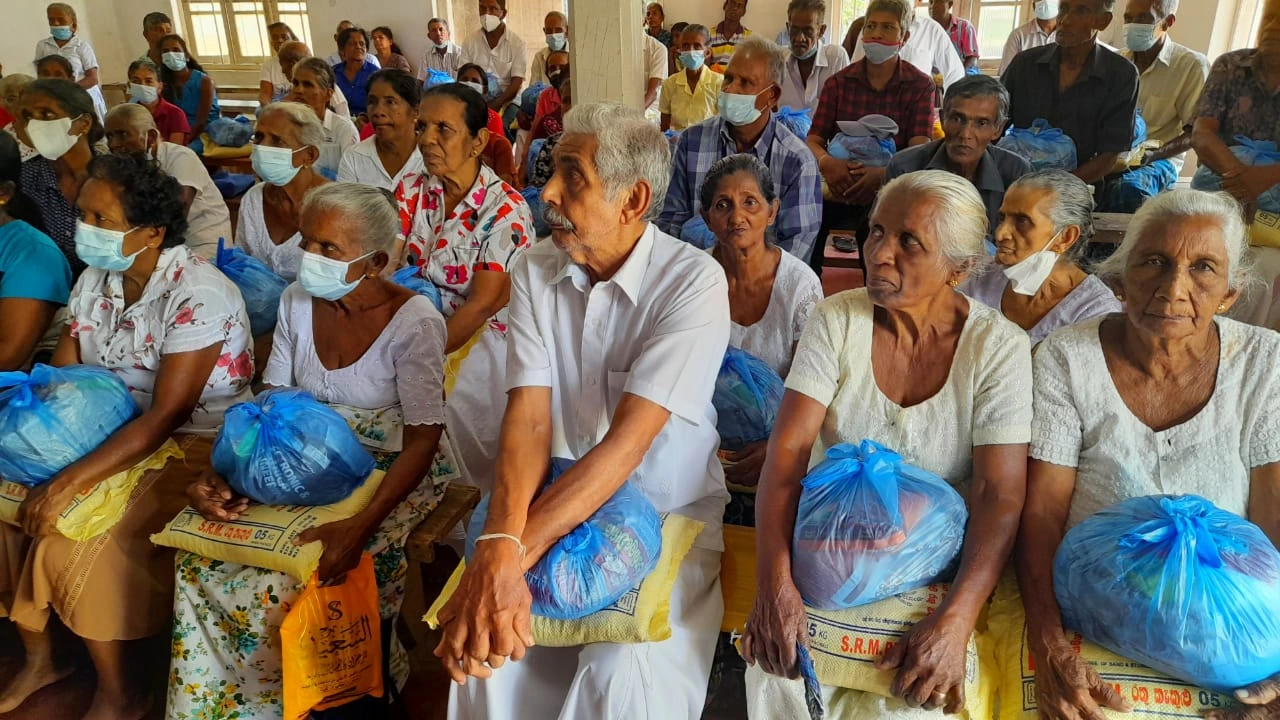
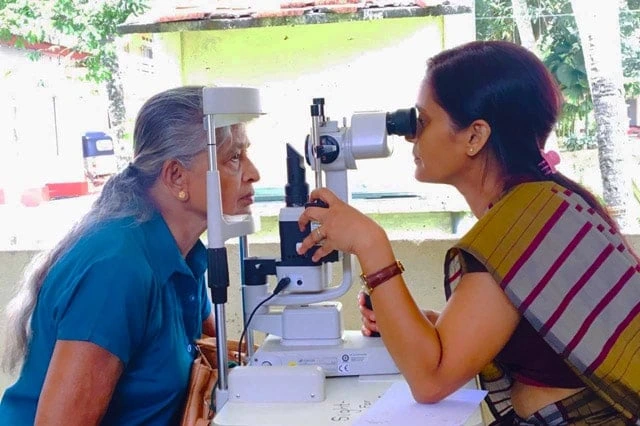
Google Ranked #1, the Heartfelt Expedition is a unique tour that invites tourists to personally engage in charitable events from the perspective of a local donor. Participants will be involved in school initiatives, elderly adoption, and community assistance throughout Sri Lanka.
Discover authentic culture and make a difference by helping local communities.