At SL VOYO, Sri Lanka’s first travel platform, we help travellers discover Sri Lanka through experiences that go beyond basic sightseeing. Whether you are joining our tours or planning your own journey, this is your friendly guide to exploring the island in a simple and meaningful way.
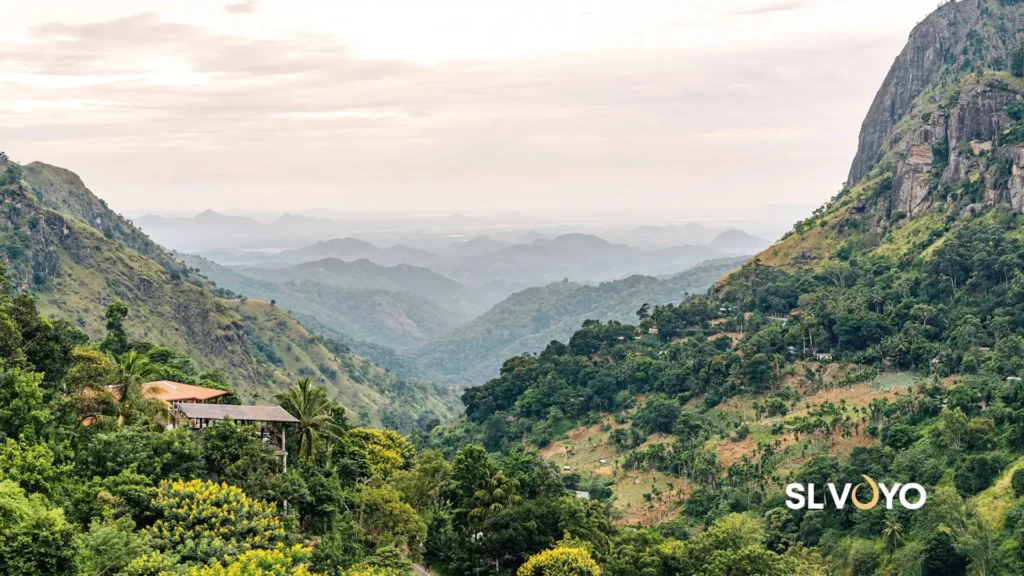
Sri Lanka is a small island, but it has a rich variety of natural vegetation. This is mainly due to differences in climate, rainfall, and elevation. From dry forests to wet mountain regions, each area has its own unique plant life.
Understanding these vegetation types helps you better enjoy nature, wildlife, and travel experiences in Sri Lanka.
Main Types of Natural Vegetation
Sri Lanka has four main types of natural vegetation:
Thorn Forest
Dry Zone Tropical Forest
Wet Zone Forest
Wet Zone Upper Hills Forest
Each type grows in different climate conditions and regions.
Thorn Forest (Dry Areas)
Thorn forests are found in the north-west and south-west coastal areas. These regions receive low rainfall.
Key Features:
Rainfall: About 635–1270 mm annually
Hot and dry climate
Plants have small leaves and thorns
Limited water availability
Trees here are usually short and spread out. Some inland areas also have stunted forests, where trees do not grow tall due to dry conditions.
Dry Zone Tropical Forest
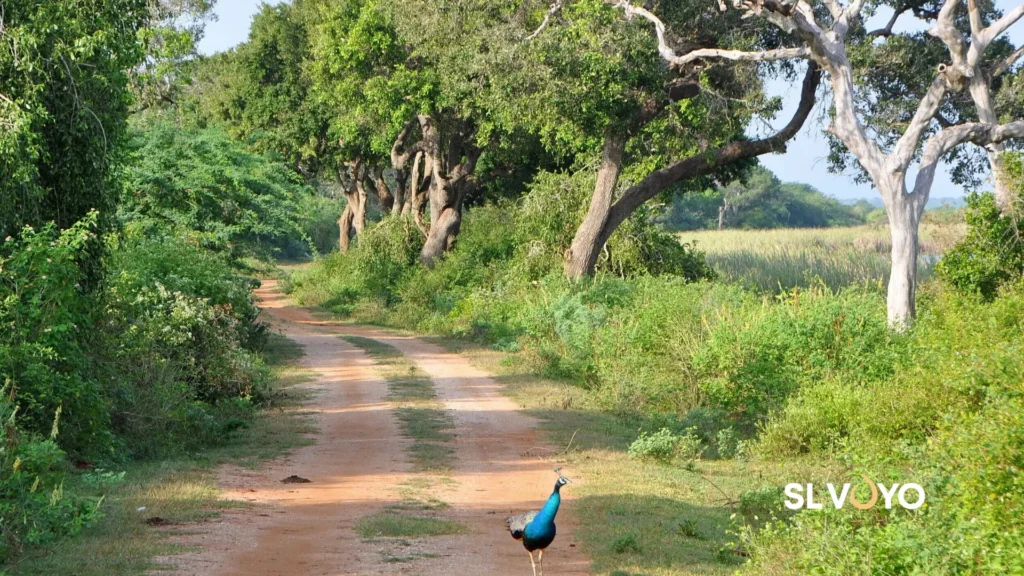
This is the largest vegetation type in Sri Lanka. It covers much of the island’s dry zone.
Climate & Growth:
Long dry season (February to August)
Trees adapt to water scarcity
Leaves are small and bark is thick
Common Trees:
Burutha
Kaluwara (Ebony)
Palu
Halmilla
Weera
These trees often grow with wide, flat crowns instead of tall heights.
Important Note:
Large areas of these forests were cleared for development projects like the Mahaweli Project. However, many areas are now protected.
Wet Zone Forest (Rainforests)
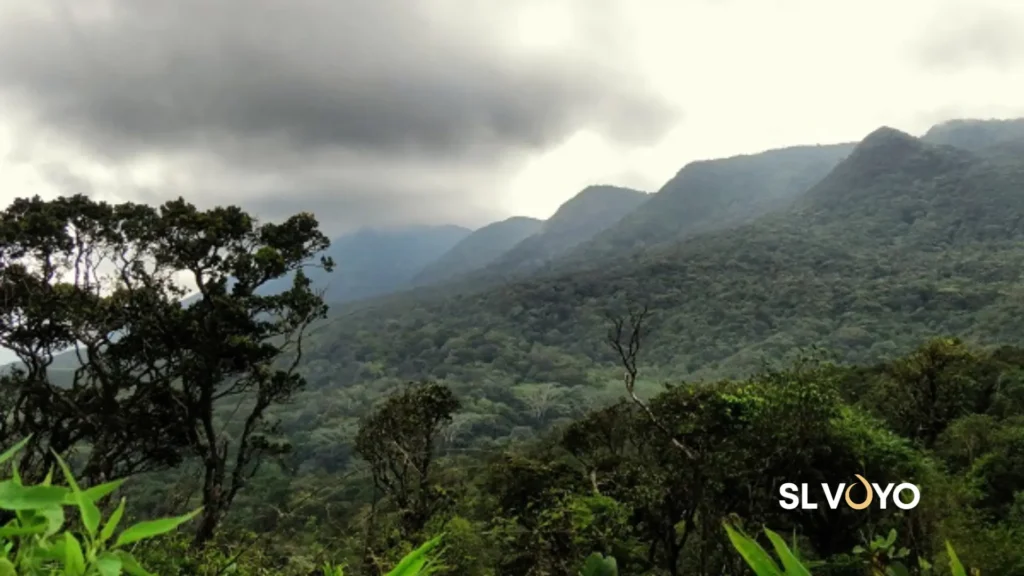
Wet zone forests are found in the central and south-western parts of Sri Lanka. These areas receive high rainfall.
Key Features:
Dense forests with thick undergrowth
Tall trees with large leaves
Presence of creepers and vines
Common Trees:
Hora
Na
Hal
Dawata
These forests grow quickly due to high temperature and heavy rainfall.
They are rich in biodiversity and are home to many animals and birds.
Wet Zone Upper Hills Forest
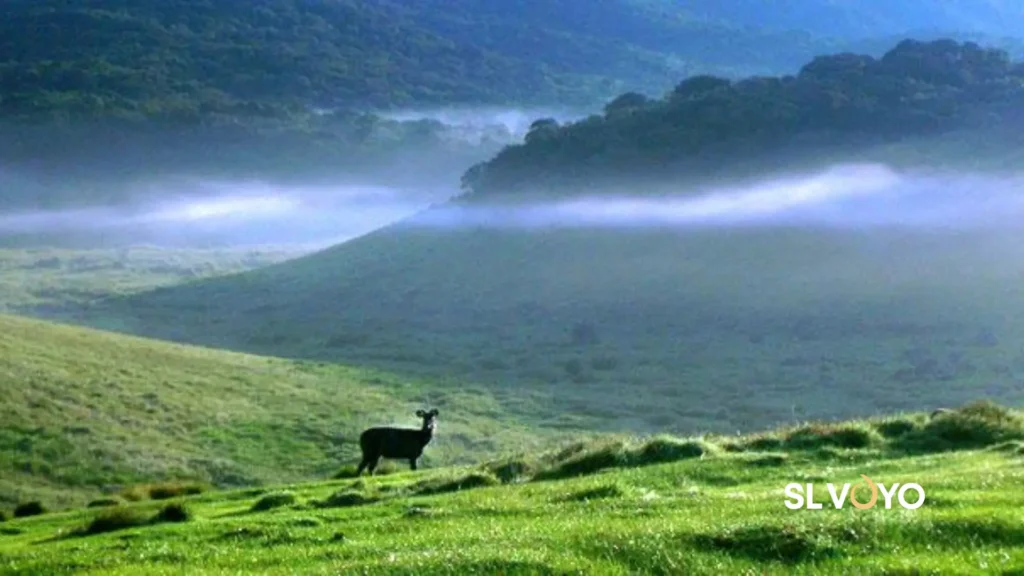
These forests are located in higher elevations, such as Nuwara Eliya and surrounding hill country.
Unique Characteristics:
Cooler climate (similar to temperate regions)
Shorter trees compared to lowland forests
Misty and cloudy environment
Common Plants:
Kina
Mihiriya
Walsapu
Rhododendron
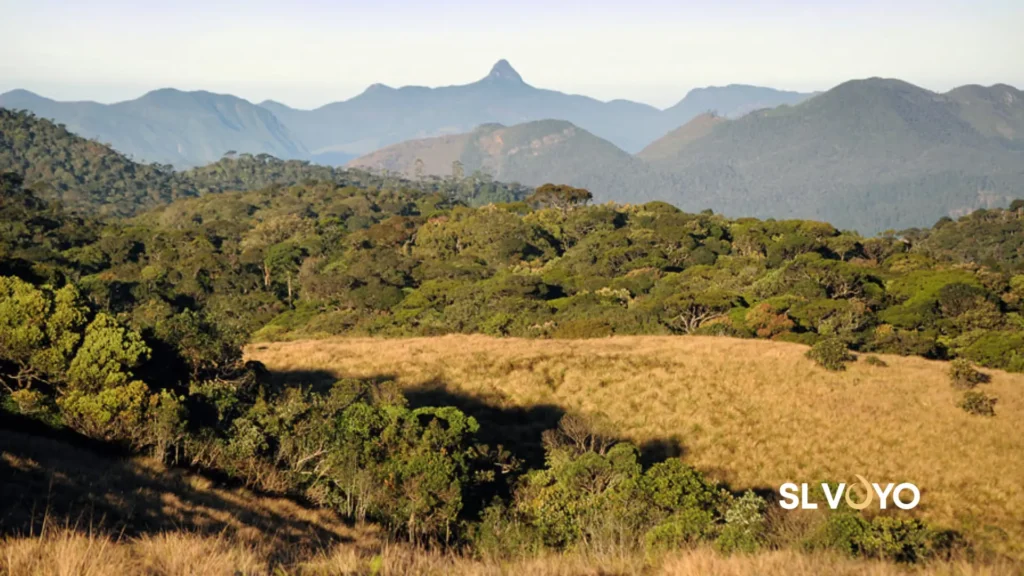
Special Feature: Patana Grasslands
Open grassy areas in hill country
Covered with coarse grasses like mana and illuk
Found in areas like Nuwara Eliya, Bandarawela, and Badulla
Why Natural Vegetation Matters
Natural vegetation plays an important role in Sri Lanka’s environment:
Supports wildlife and biodiversity
Helps maintain rainfall patterns
Prevents soil erosion
Provides resources like timber and medicine
Protecting these ecosystems is important for future generations.
Practical Travel Tips
If you want to explore Sri Lanka’s natural vegetation, here are some simple tips:
Visit Sinharaja Forest Reserve for rainforest experience
Explore Yala or Wilpattu for dry zone forests
Travel to Nuwara Eliya for hill country vegetation
Wear comfortable shoes for forest walks
Carry water, especially in dry areas
Table of Contents
Tours you might like
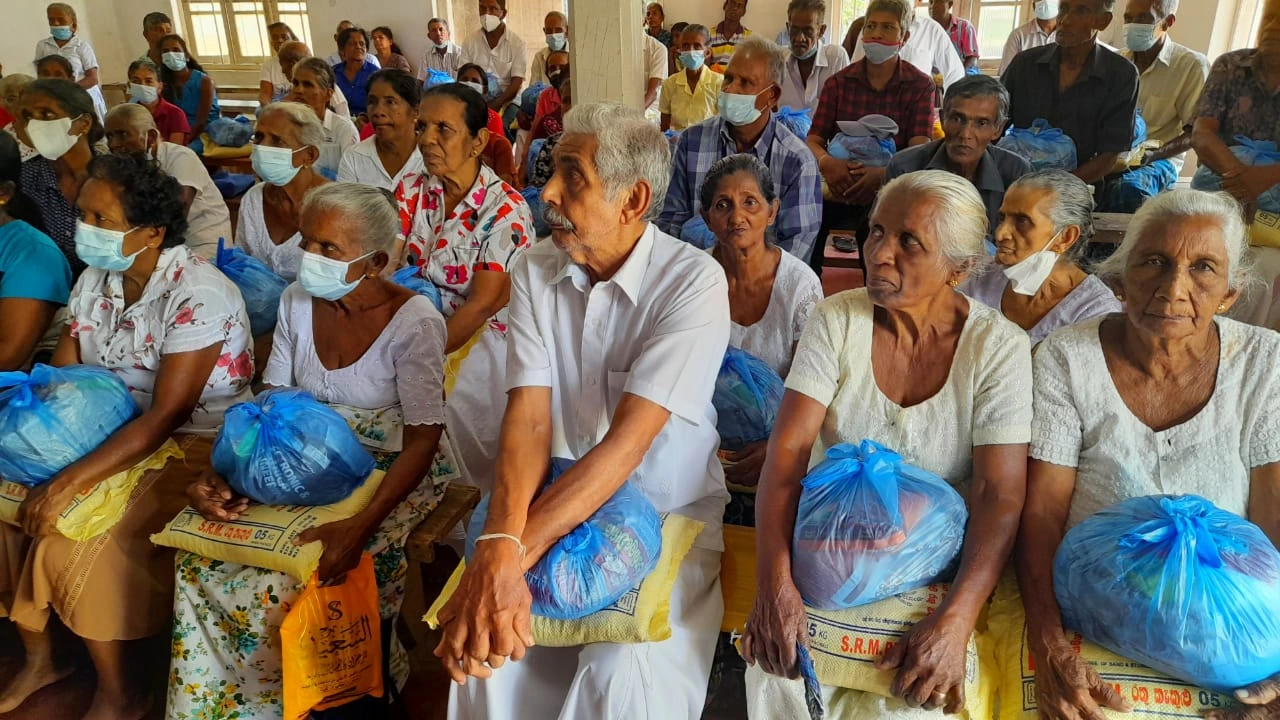
We care about our people. That’s why we offer Heartfelt Expedition
What is it?
Google Ranked #1, the Heartfelt Expedition is a unique tour that invites tourists to personally engage in charitable events from the perspective of a local donor. Participants will be involved in school initiatives, elderly adoption, and community assistance throughout Sri Lanka.
Discover authentic culture and make a difference by helping local communities.