At SL VOYO, Sri Lanka’s first travel platform, we help travellers discover Sri Lanka through experiences that go beyond basic sightseeing. Whether you are joining our tours or planning your own journey, this is your friendly guide to exploring the island in a simple and meaningful way.
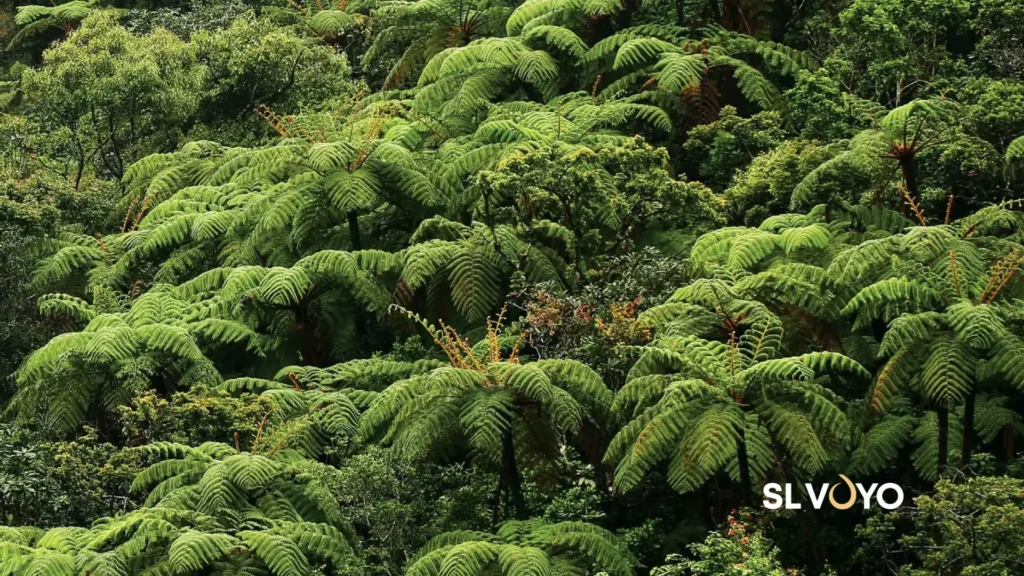
Sri Lanka’s forest plantations play an important role in supporting the country’s economy and environment. These plantations were developed to meet timber needs while also restoring degraded lands across the island.
What Are Forest Plantations?
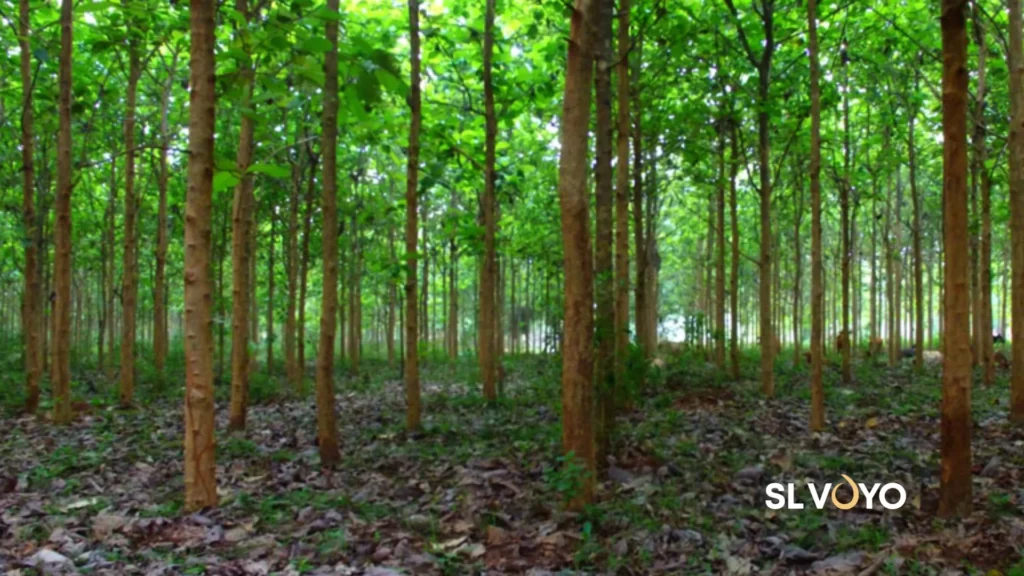
Forest plantations are areas where trees are planted and managed for specific purposes such as timber production, environmental protection, and land restoration. In Sri Lanka, these plantations are carefully planned and maintained by the government and local communities.
They help reduce pressure on natural forests by providing an alternative source of wood and other forest products.
History of Forest Plantations in Sri Lanka
The development of forest plantations in Sri Lanka began in the late 19th and early 20th centuries. The Forest Department was established in 1887, and after forest policies were introduced in 1907, large-scale plantation programs started around 1916.
The main goal was to reforest non-forest lands and ensure a steady supply of timber for the country. Over time, different types of trees were introduced and planted across various regions.
Types of Trees Used in Plantations
Several tree species are used in Sri Lanka’s forest plantations, including both local and introduced varieties. These trees are selected based on their growth rate, usefulness, and adaptability to different environments.
Common Plantation Trees:
Teak
Eucalyptus
Mahogany
Pine
Kohomba (Neem)
Halmilla
Teak was introduced earlier but became widely planted later. Pine plantations started in the 20th century, especially in upland areas, while eucalyptus was planted for timber, fuelwood, and even essential oils.
Growth and Expansion
Forest plantations expanded significantly over time. By the early 2000s, thousands of hectares of land were covered with plantation forests, especially teak and pine.
Community involvement also became an important part of plantation development. Through reforestation programs, local people were encouraged to participate in planting and maintaining forests, which also provided them with economic benefits.
Importance of Forest Plantations
Forest plantations are essential for both environmental protection and economic development in Sri Lanka. They provide a sustainable source of timber while reducing the need to cut down natural forests.
Key Benefits:
Supply timber and wood products
Reduce deforestation of natural forests
Help restore degraded land
Provide income and jobs for local communities
Support soil conservation and prevent erosion
Plantations also play a role in stabilizing land, especially in areas prone to soil erosion.
Role in Local Economy
A large portion of Sri Lanka’s timber demand is met through local sources, including forest plantations, home gardens, and private forests. These plantations support industries such as construction, furniture making, and energy production.
In some tea and rubber estates, forest plantations are also used to provide fuelwood for processing.
Conservation and Sustainable Use
While forest plantations are useful, it is important to manage them responsibly. Sustainable practices ensure that plantations do not harm natural ecosystems and continue to benefit future generations.
Efforts are being made to balance economic use with environmental protection by promoting mixed-species plantations and responsible land management.
Practical Travel Tips
If you are interested in seeing forest plantations in Sri Lanka, here are some simple tips:
Visit up-country areas where pine and eucalyptus plantations are common
Explore regions like Kandy, Badulla, and Nuwara Eliya
Combine plantation visits with nature trails or hiking
Travel with a local guide for better understanding
Respect the environment and avoid littering
Table of Contents
Tours you might like
We care about our people. That’s why we offer Heartfelt Expedition
What is it?
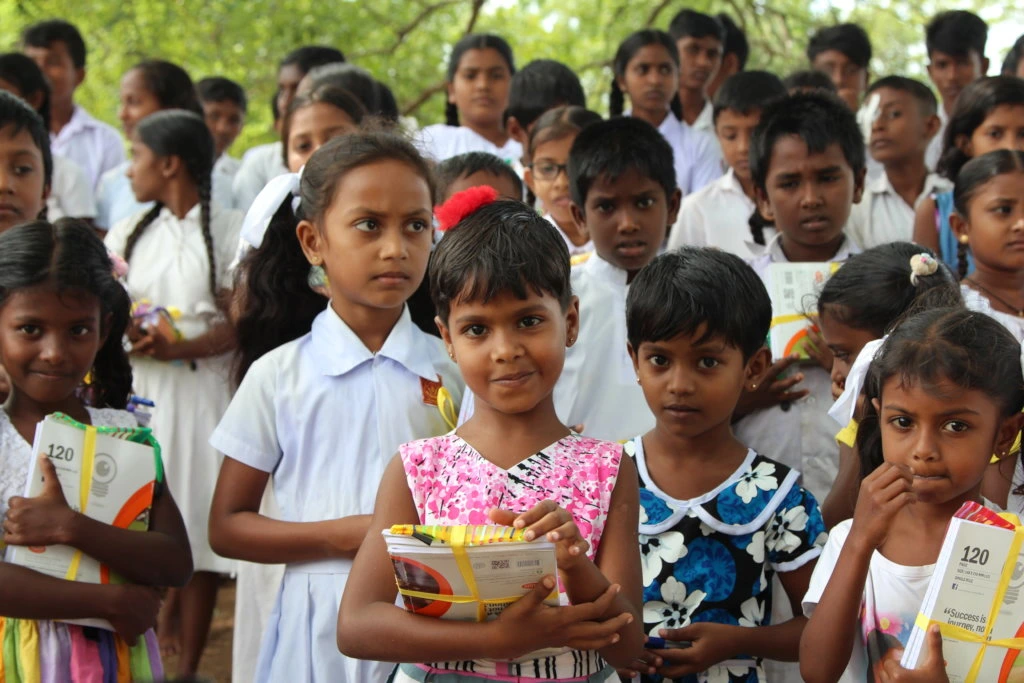
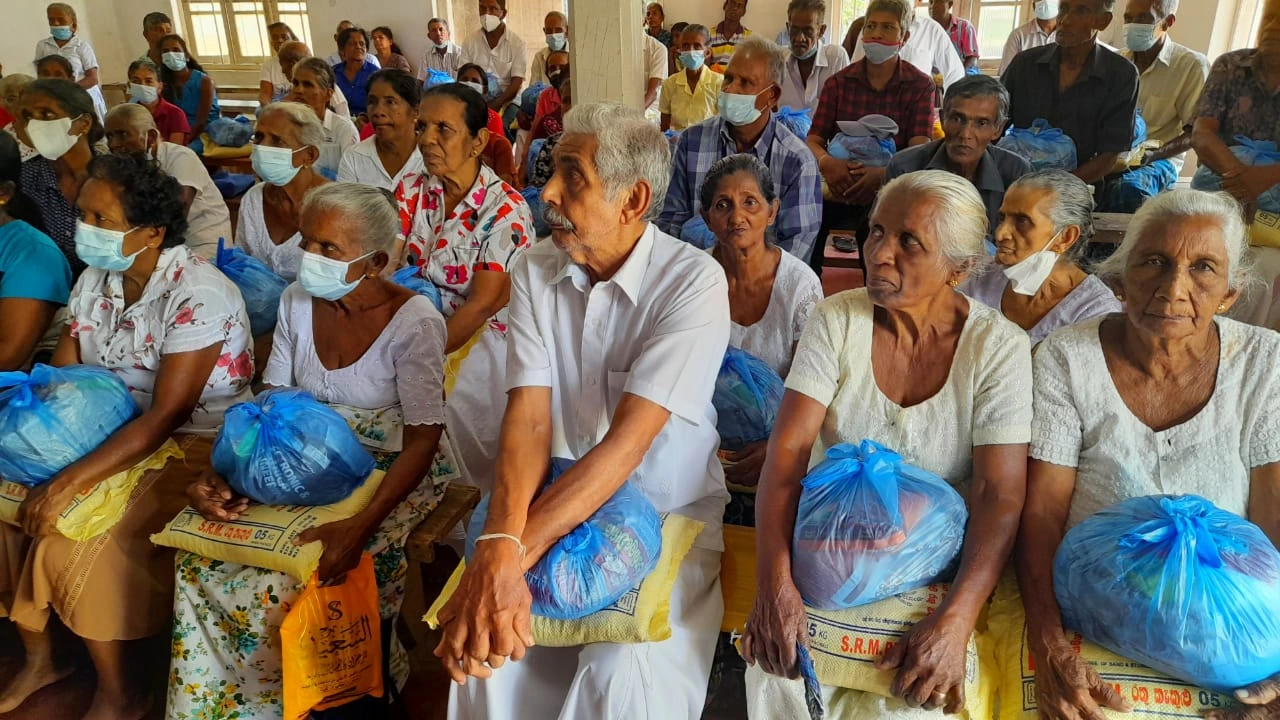
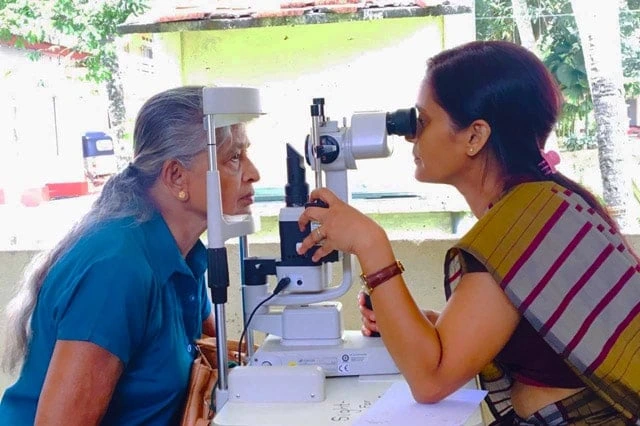
Google Ranked #1, the Heartfelt Expedition is a unique tour that invites tourists to personally engage in charitable events from the perspective of a local donor. Participants will be involved in school initiatives, elderly adoption, and community assistance throughout Sri Lanka.
Discover authentic culture and make a difference by helping local communities.