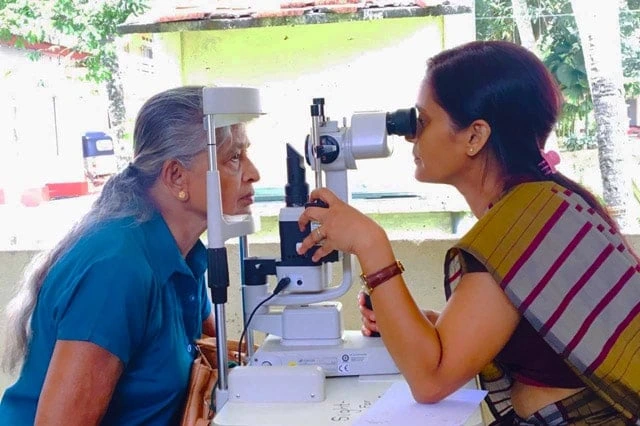
At SL VOYO, Sri Lanka’s first travel platform, we help travellers discover Sri Lanka through experiences that go beyond basic sightseeing. Whether you are joining our tours or planning your own journey, this is your friendly guide to exploring the island in a simple and meaningful way.
Sri Lanka has a long and fascinating history that dates back thousands of years. From ancient kingdoms and great kings to foreign invasions and colonial rule, the island has seen many changes that shaped its culture and identity.
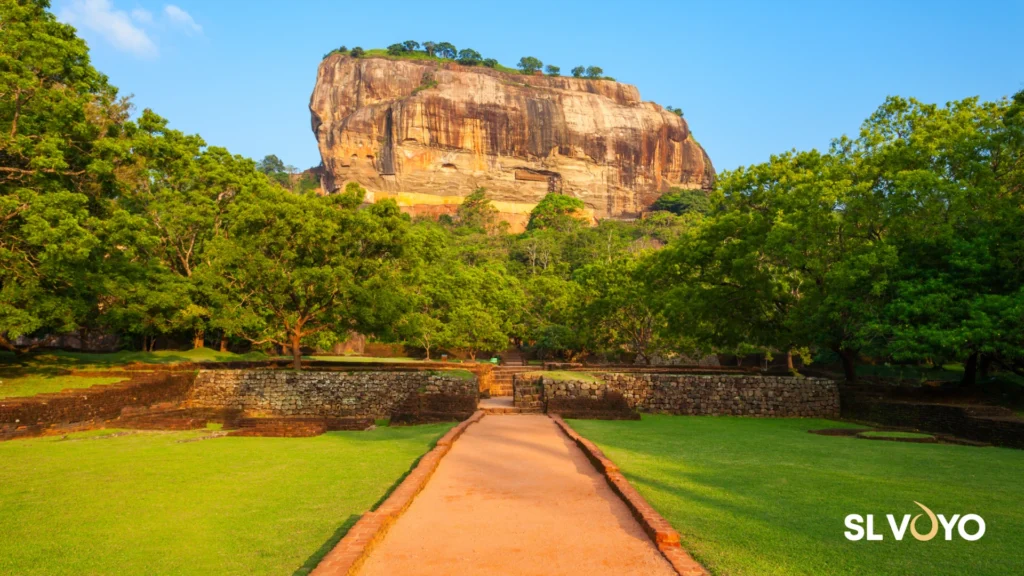
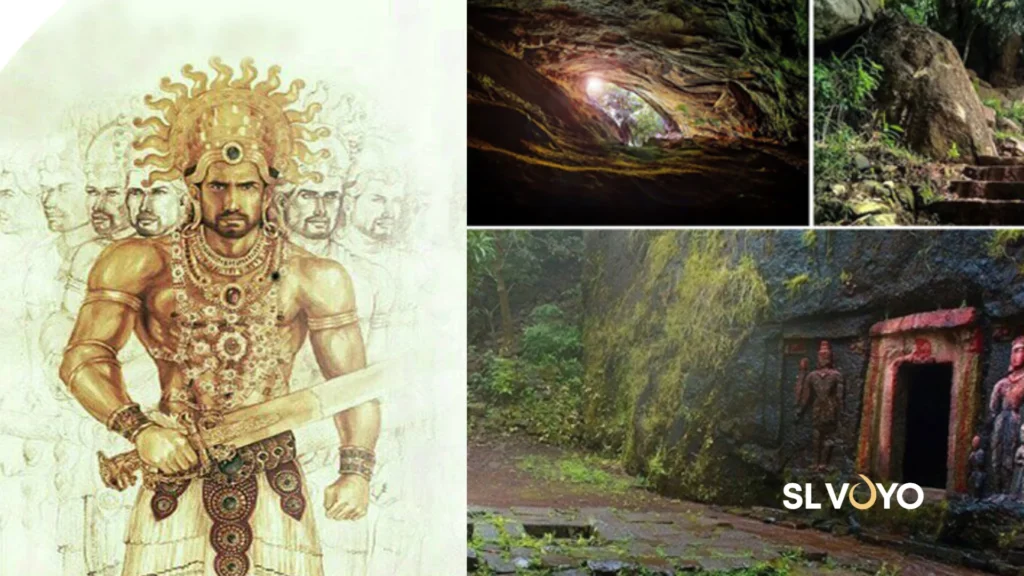
Sri Lanka has been known to ancient civilizations for thousands of years. Early records suggest that the island was part of regions mentioned in ancient texts such as Ophir and Tarshish, which were famous for valuable goods like gold, silver, ivory, apes, and peacocks. Because of this, Sri Lanka was connected to early global trade routes.
Different civilizations gave Sri Lanka different names. The ancient Greeks and Romans called it Taprobane, while Arab traders referred to it as Serendib. The Portuguese later named it Ceilão, which eventually became “Ceylon.” These names show how important the island was in world history and trade.
Ancient Indian traditions also mention Sri Lanka in religious and cultural stories. One of the earliest is found in the Skanda Purana, which tells stories linked to Kataragama in the south of Sri Lanka. Another famous story is from the Ramayana, where Sri Lanka is described as the kingdom of King Ravana. These stories, while partly mythical, highlight the island’s importance in early South Asian culture.
The most important historical record of Sri Lanka’s early settlement is the Mahavamsa. According to this chronicle, Prince Vijaya from North India arrived in Sri Lanka around 543 BC with his followers. His arrival is considered the beginning of recorded history in Sri Lanka. It is also believed that this event happened on the same day that the Buddha attained enlightenment, giving it special cultural significance.
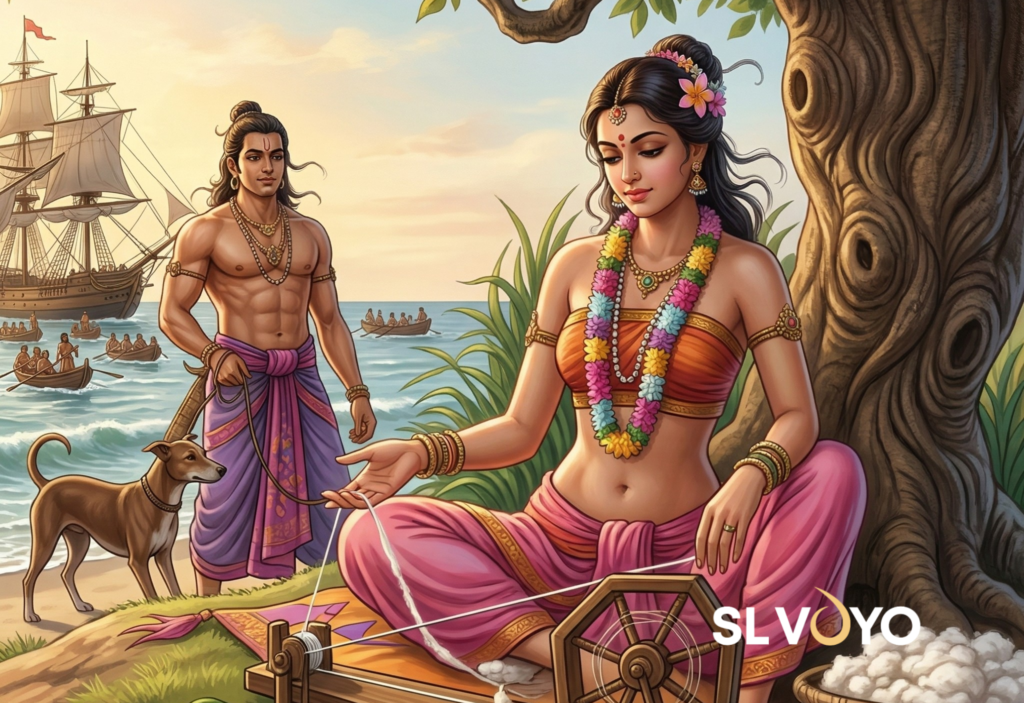
However, Sri Lanka was not empty when Vijaya arrived. The island was already inhabited by early communities who had developed basic settlements and ways of life. These people are believed to be the ancestors of the Vedda community, who still live in parts of Sri Lanka today, especially in the Uva and Eastern regions.
After Vijaya’s arrival, settlements began to grow across the island. These early settlers brought with them advanced cultural practices from North India, including agriculture, social organization, and early forms of governance. Over time, irrigation systems such as tanks were built to support farming, which became the backbone of the island’s economy.
As these settlements expanded, Sri Lanka became known as Sinhala Deepa, meaning the land of the Sinhalese. The early connections with India continued, influencing religion, language, and culture. This period laid the foundation for the development of great kingdoms like Anuradhapura.
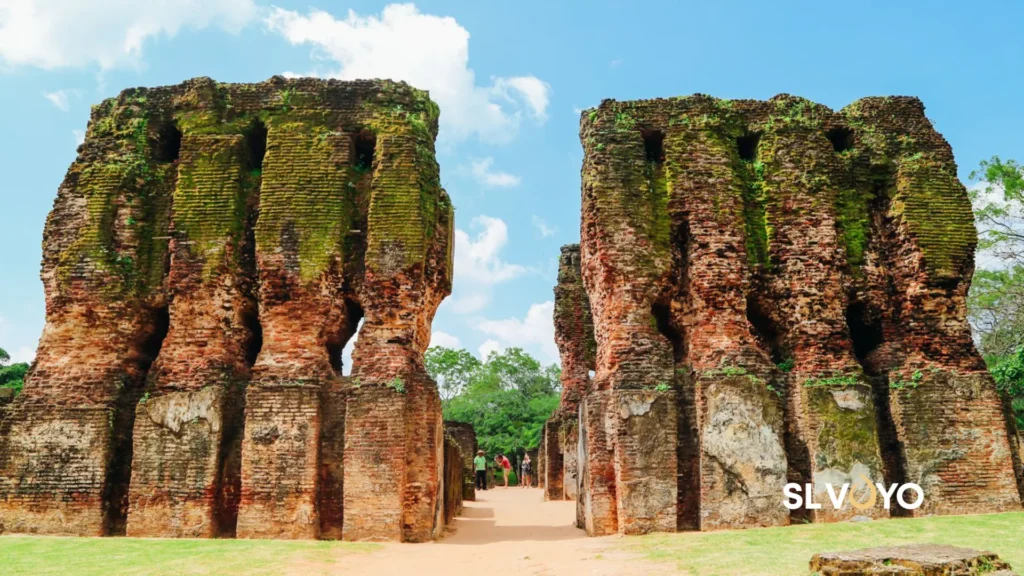
After the arrival of Prince Vijaya and the growth of early settlements, Sri Lanka began to develop organized kingdoms. One of the most important early developments was the establishment of Anuradhapura as the capital around 437 BC by King Pandukabhaya. This marked the beginning of a strong and well-structured civilization on the island.
Anuradhapura became one of the oldest continuously inhabited cities in the world. It was not just a political center but also a hub for culture, religion, and trade. The city had well-planned roads, reservoirs, and even basic sanitation systems, showing a high level of development for that time.
One of the key achievements of these early kingdoms was the development of advanced irrigation systems. Large tanks (reservoirs) and canals were built to store and distribute water for agriculture. This allowed people to farm even during dry seasons and helped the kingdom grow stronger. Agriculture, especially rice farming, became the backbone of the economy.
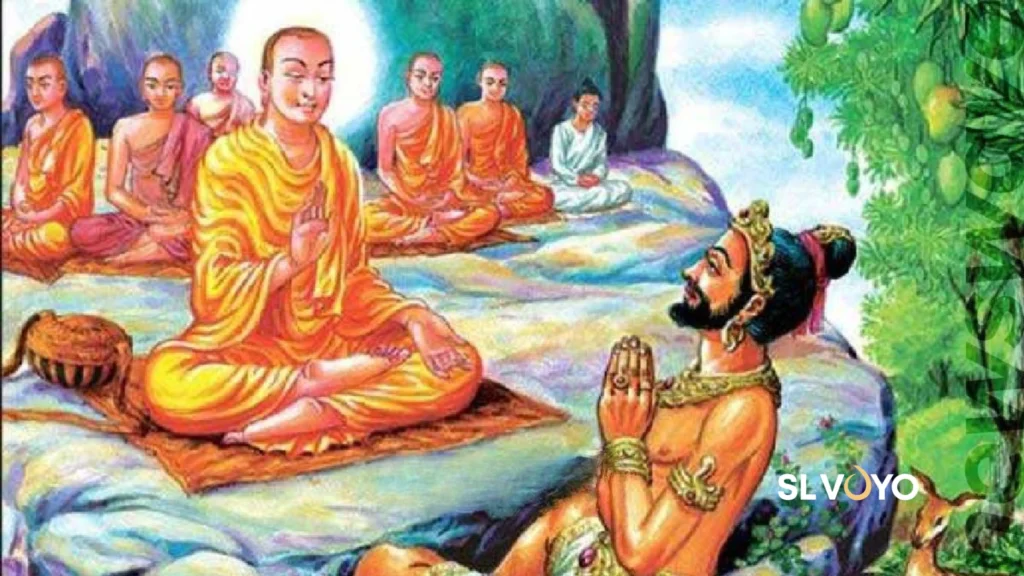
A major turning point in this period was the introduction of Buddhism to Sri Lanka. During the reign of King Devanampiya Tissa, Emperor Ashoka of India sent his son, Arahat Mahinda, to the island. This led to the spread of Buddhism, which soon became a central part of Sri Lankan culture, society, and governance.
As Buddhism grew, many important religious structures were built. These included stupas (dagobas), monasteries, and temples, many of which can still be seen today in Anuradhapura. These structures were not only places of worship but also symbols of the kingdom’s strength and devotion.
Over time, Anuradhapura grew into a powerful kingdom with strong connections to India and other regions. Trade, religion, and cultural exchange helped the kingdom develop further. However, the kingdom also faced challenges, including invasions from South India, which led to periods of conflict.
Despite these challenges, the early kingdoms of Sri Lanka laid a strong foundation for future civilizations. Their achievements in irrigation, city planning, and religion continue to influence the country even today.
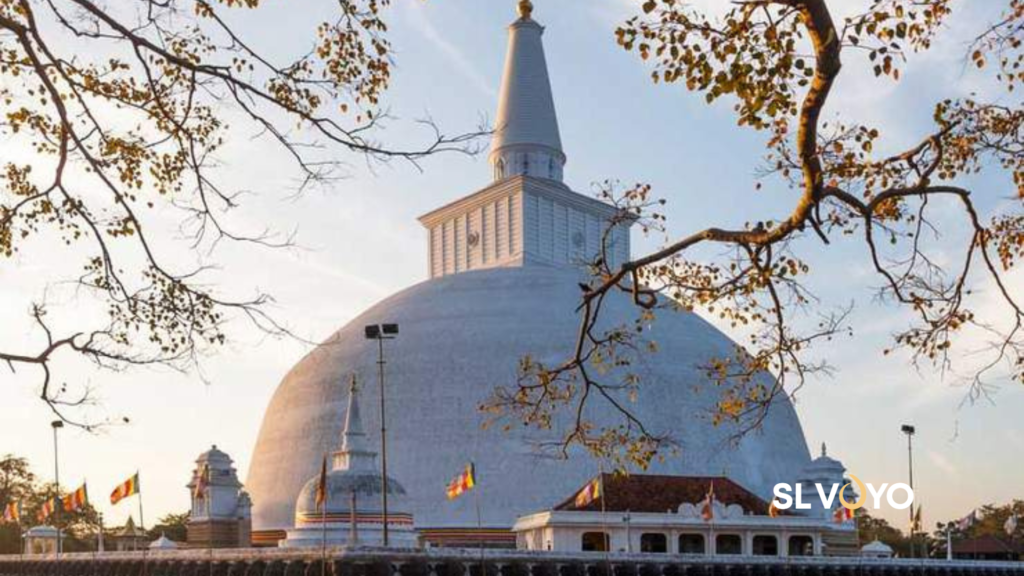
As Sri Lanka’s early kingdoms grew stronger, they also faced many challenges, especially from invasions coming from South India. These conflicts played a major role in shaping the island’s history and produced some of its greatest kings.
One of the most famous periods in Sri Lankan history is the conflict between King Dutugemunu and King Elara. Elara, a Tamil ruler from South India, had taken control of Anuradhapura. Dutugemunu, a Sinhalese prince, fought a long battle to unite the country. In 137 BC, he defeated Elara and became the ruler of Sri Lanka.
Even though Dutugemunu defeated him, he showed great respect to Elara by ordering that anyone passing his tomb should dismount as a sign of honor. This story is still remembered today as an example of respect and leadership.
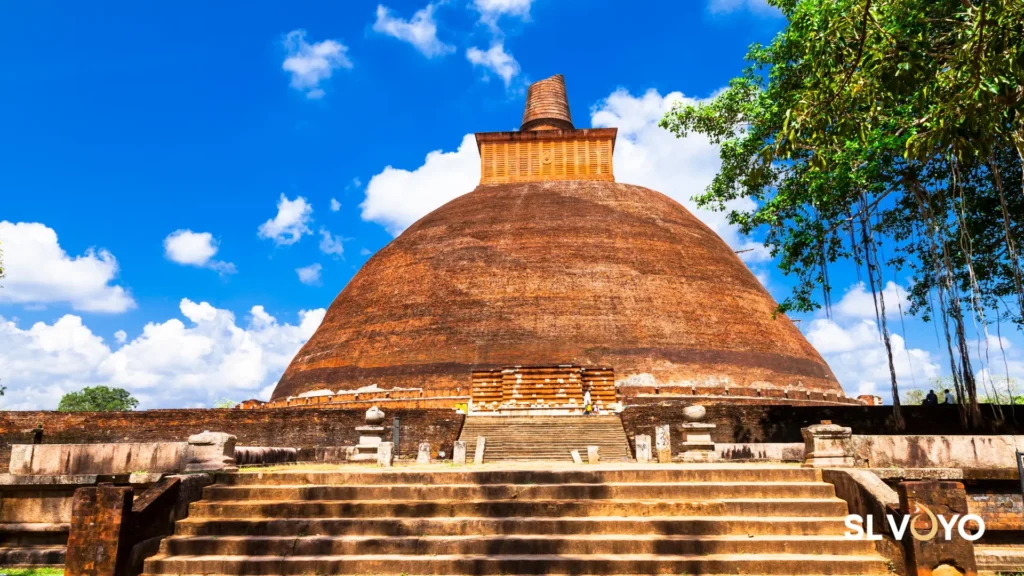
After his victory, Dutugemunu built many important religious monuments, including large dagobas and temples. These constructions showed his strong support for Buddhism and helped strengthen the cultural identity of the island.
However, peace did not last forever. After Dutugemunu’s time, the island continued to face invasions and internal struggles. One notable ruler during this period was King Valagambahu. He lost his kingdom to invaders and lived in exile for many years. After regaining his throne, he built the famous Abhayagiri Monastery and supported the development of Buddhism.
Another important king was Dhatusena, who came to power in the 5th century AD. He successfully defeated invaders and reunited the country under one rule. Dhatusena is best known for his contributions to agriculture, especially the construction of large irrigation systems like Kala Wewa. These developments helped improve farming and ensured food security.
During this period, Sri Lanka also saw the continuation of historical writing. Important texts like the Mahavamsa were compiled, preserving the history of kings, battles, and religious developments.
Despite periods of unity, political instability remained a challenge. Rival groups often fought for power, and foreign invasions continued. In some cases, local rulers even sought help from South Indian kingdoms, which increased external influence on the island.
These conflicts, while difficult, also shaped Sri Lanka into a stronger and more organized society. The leadership of great kings, their achievements in construction, religion, and governance, and their ability to rebuild after conflict left a lasting impact on the country.
Sri Lanka has never been isolated from the rest of the world. Even in ancient times, the island was well known to global civilizations because of its location and valuable resources. It was an important stop along major trade routes connecting East and West.
Ancient Greek and Roman writers described Sri Lanka in their records. They called it Taprobane, a name that appeared in many early maps. Travellers and historians such as Megasthenes and Ptolemy wrote about the island’s size, location, and natural wealth. These accounts show that Sri Lanka was already recognized internationally thousands of years ago.
Sri Lanka had strong trade connections with countries like India, China, and Rome. Goods such as cinnamon, pearls, ivory, and precious stones were highly valued and exported from the island. Roman coins found in Sri Lanka are proof of these early trade links.
There are also records of Sri Lankan kings sending envoys to foreign countries. For example, a Sri Lankan king is said to have sent ambassadors to Rome, showing that diplomatic and trade relationships existed even during ancient times.
Several famous travellers visited Sri Lanka and wrote about their experiences. The Chinese monk Fa-Hien stayed in Anuradhapura and described the country’s strong Buddhist culture. Later, the Arab traveller Ibn Battuta visited Sri Lanka and wrote about its trade and natural beauty.
Arab traders played a major role in Sri Lanka’s trade for many centuries. They controlled much of the Indian Ocean trade and helped connect Sri Lanka with markets in the Middle East and Asia. Ports like Galle became important trading centers during this time.
In the 15th century, Chinese naval expeditions led by Admiral Zheng He (Cheng Ho) also reached Sri Lanka. These visits show how important the island was in regional politics and trade networks.
Sri Lanka’s position in the Indian Ocean made it a valuable location for trade and influence. This is also one of the reasons why European powers later became interested in the island.
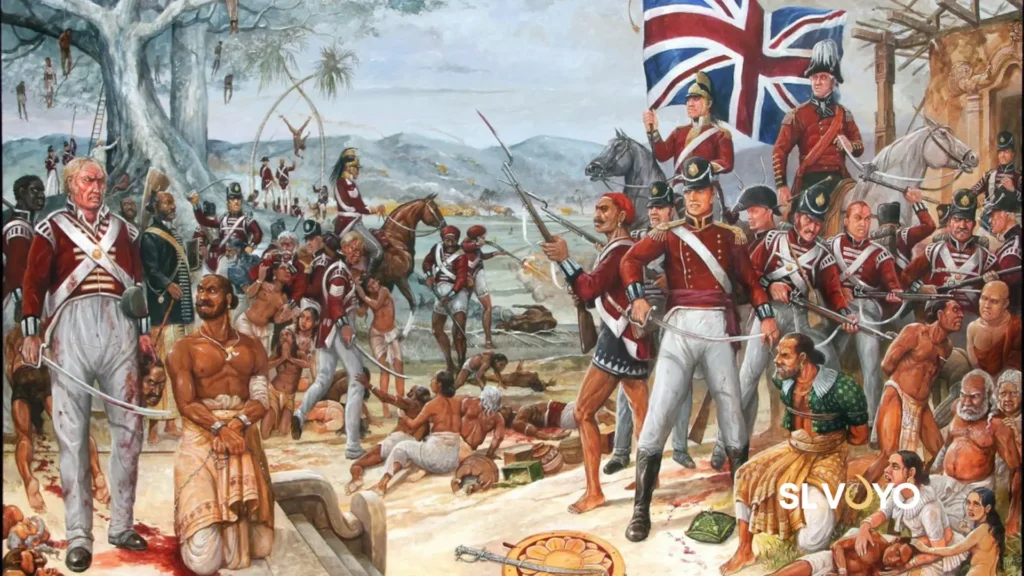
The colonial period marked a major turning point in Sri Lanka’s history. Due to its strategic location in the Indian Ocean and its valuable resources, the island attracted European powers. Over time, three main colonial rulers controlled Sri Lanka: the Portuguese, the Dutch, and the British.
The Portuguese were the first Europeans to arrive in Sri Lanka in 1505. They initially came for trade, especially interested in spices like cinnamon, which was highly valuable in Europe. Soon after, they began to take control of coastal areas and built forts to strengthen their power. They also tried to spread Christianity, which influenced the religious and cultural landscape in some parts of the island.
However, the Portuguese faced resistance from local kingdoms, especially the Kingdom of Kandy. Due to ongoing conflicts and struggles to maintain control, their rule weakened over time.
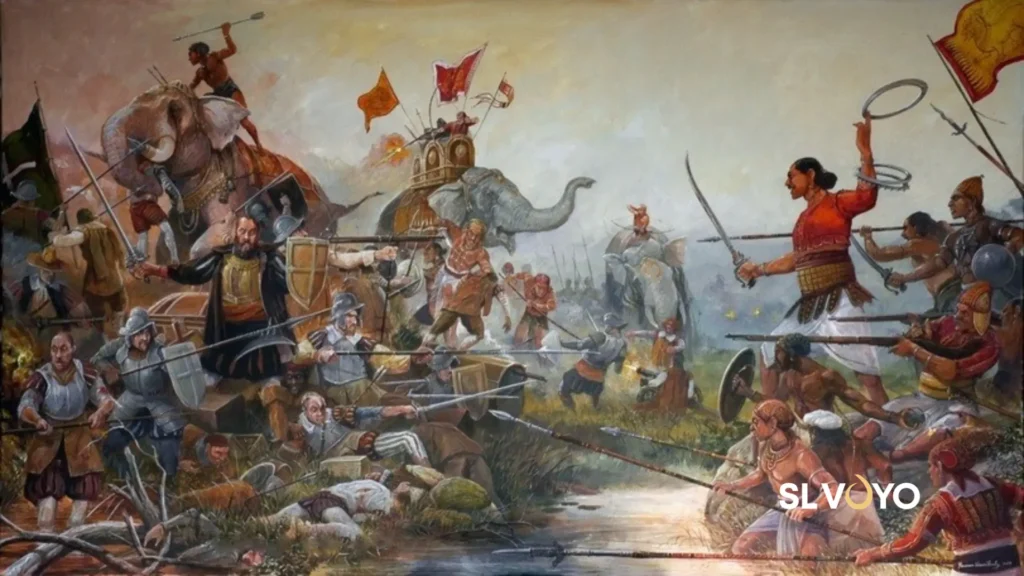
In 1658, the Dutch defeated the Portuguese and took control of the coastal regions. The Dutch were mainly focused on trade and administration. They developed better systems for managing resources and introduced Roman-Dutch law, which still influences Sri Lanka’s legal system today.
The Dutch improved canals and transportation systems, especially in coastal areas, to support trade activities. However, like the Portuguese, they were mainly interested in economic gain rather than developing the entire country.
By 1796, the British took control of Sri Lanka from the Dutch. At first, they only controlled coastal areas, but in 1815, they captured the Kingdom of Kandy, gaining control of the whole island. This marked the beginning of full British rule.
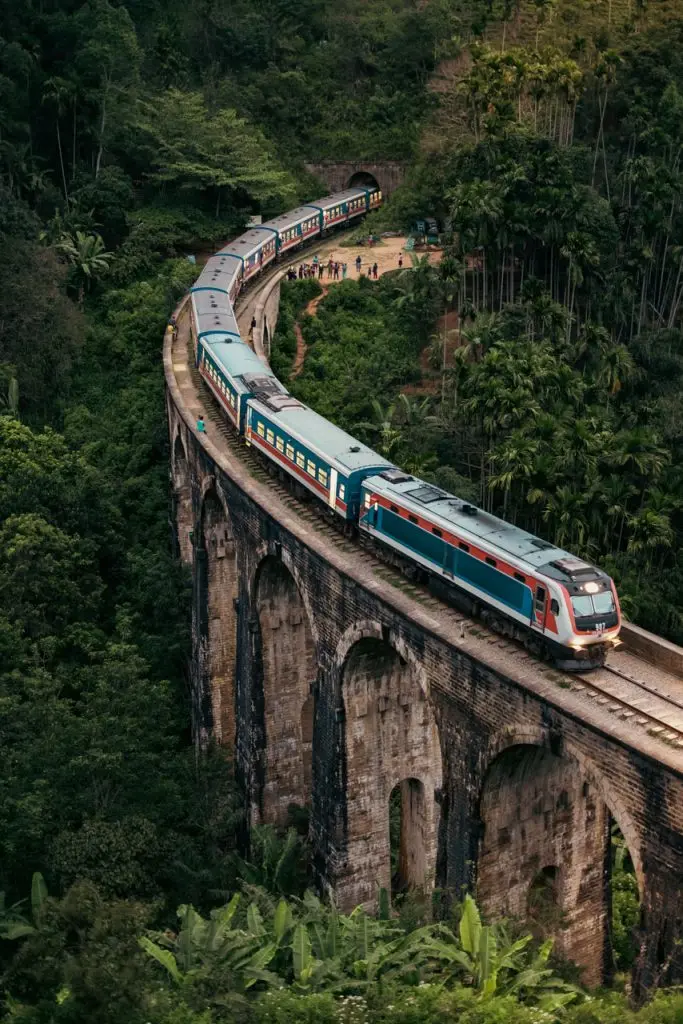
The British brought major changes to Sri Lanka. They introduced a unified administrative system and improved infrastructure, including roads and railways. One of their biggest contributions was the development of plantation agriculture. Crops like coffee, tea, and rubber were introduced and grown on a large scale, especially in the hill country.
The tea industry, in particular, became a key part of Sri Lanka’s economy and remains important even today. The British also brought workers from India to work on plantations, which added to the island’s cultural diversity.
Education and government systems were also modernized during British rule. However, local people had limited power, and resources were mainly used to benefit the colonial rulers.
Over time, a sense of national identity began to grow among Sri Lankans. Movements for independence started to develop, with leaders pushing for self-rule and political rights.
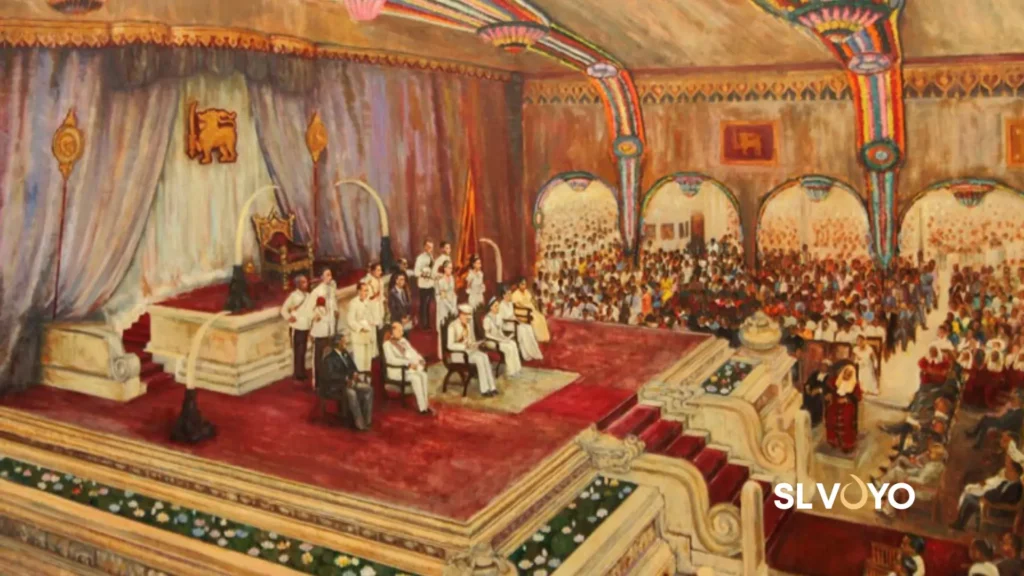
Sri Lanka gained independence from British rule on February 4, 1948. After independence, the country became a self-governing nation within the British Commonwealth. This marked the beginning of a new chapter, where Sri Lanka started shaping its own political, economic, and social future.
In the early years after independence, Sri Lanka focused on building its national identity and developing key sectors such as education, agriculture, and infrastructure. Democratic governance was established, and the country held regular elections, making it one of the oldest democracies in Asia.
However, challenges soon began to emerge. Differences between ethnic groups, mainly between the Sinhalese majority and Tamil minority, led to political tensions. Policies related to language and education created disagreements, which gradually increased over time.
By the late 20th century, these tensions developed into a long civil conflict between the government and separatist groups. This conflict lasted for nearly three decades and had a significant impact on the country’s people, economy, and development.
Despite these challenges, Sri Lanka continued to make progress in many areas. Education and healthcare systems improved, and the country achieved high literacy rates compared to other nations in the region. Tourism also started growing, attracting visitors with its natural beauty and cultural heritage.
In 2009, the civil conflict came to an end, bringing a new period of peace and rebuilding. Since then, Sri Lanka has focused on development, infrastructure projects, and strengthening its economy. Roads, airports, and cities have been modernized, making travel easier across the island.
Today, Sri Lanka is known for its mix of history, culture, and natural beauty. While the country continues to face economic and social challenges, it is steadily moving forward with development and tourism playing key roles in its future.
After winning the war, the Mahinda Rajapaksa government became heavily involved in corruption within the parliamentary system. Along with Ranil Wickremesinghe, a system was created where ministries controlled most of the country’s money, and as a result, the general public did not receive real benefits.
This situation, combined with the impact of the COVID-19 pandemic, led to a major economic crisis. Sri Lanka reached a point where there was not even enough fuel to run the country. Daily life became extremely difficult for people, and the economy collapsed.
During this crisis, the president at the time, who was Mahinda Rajapaksa’s brother, was forced to flee the country. After that, Ranil Wickremesinghe took control as interim president and managed the parliament during this unstable period.
Within two years, a major political change took place. A new, non-corrupt government led by Anura Kumara Dissanayake won the election, rising from a very small percentage to a strong majority. This reflected the people’s demand for change.
Today, the country is more stable, and the new government is focused on reducing corruption and ensuring that money flows back to the people. However, it is now their responsibility to prove that they can manage public funds efficiently.
There are also expectations for the government to deliver on its promises, such as investigating the Easter attacks and taking legal action against those involved in corruption, which has not yet been fully completed.
What is it?
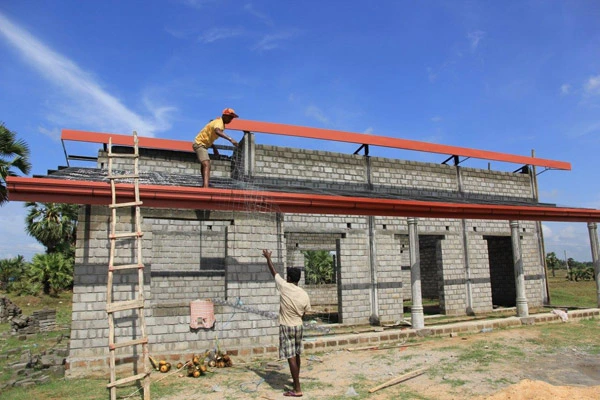
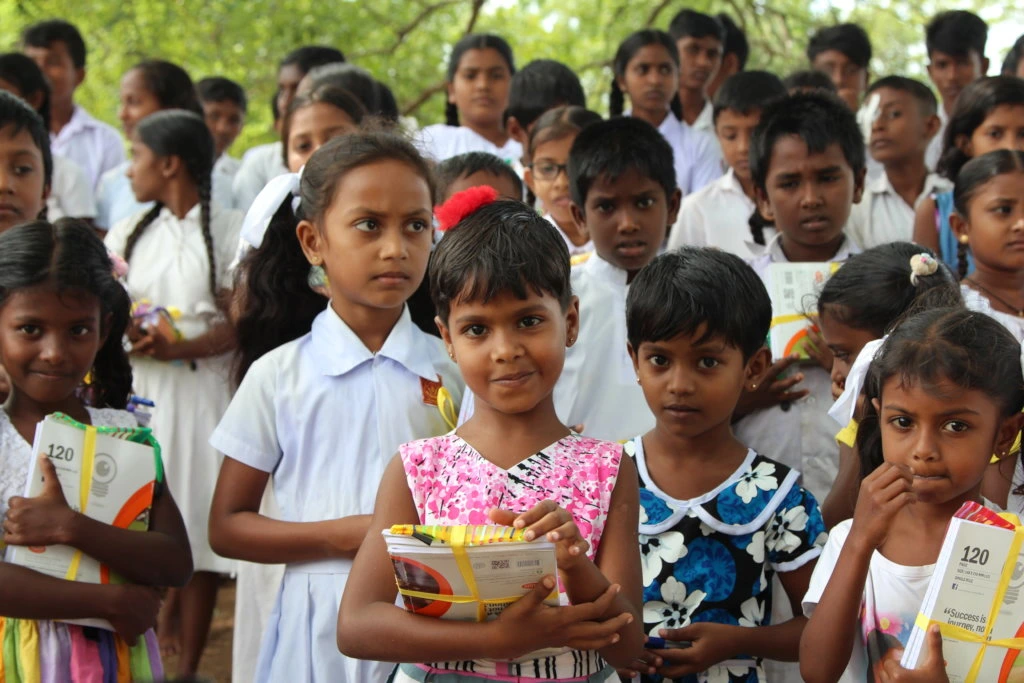
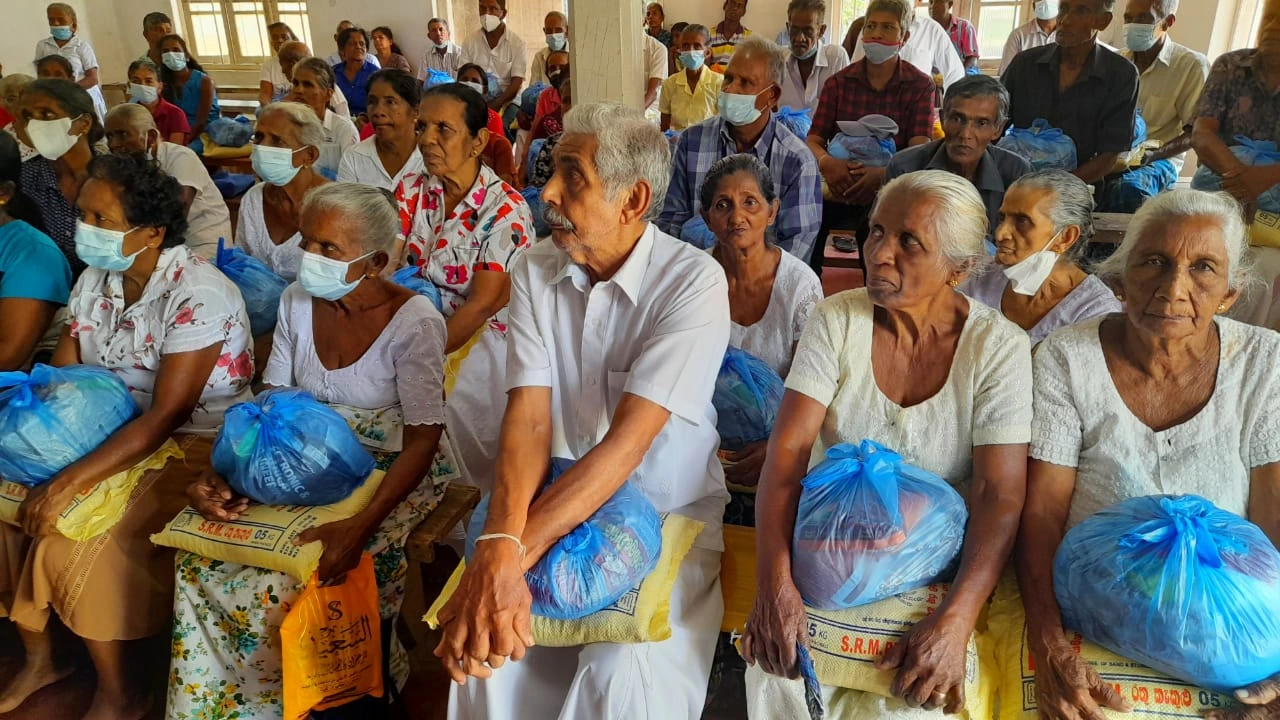
Google Ranked #1, the Heartfelt Expedition is a unique tour that invites tourists to personally engage in charitable events from the perspective of a local donor. Participants will be involved in school initiatives, elderly adoption, and community assistance throughout Sri Lanka.
Discover authentic culture and make a difference by helping local communities.