At SL VOYO, Sri Lanka’s first travel platform, we help travellers discover Sri Lanka through experiences that go beyond basic sightseeing. Whether you are joining our tours or planning your own journey, this is your friendly guide to exploring the island in a simple and meaningful way.
Sri Lanka is home to some of the most impressive ancient stupas in the world. These sacred structures are not only religious monuments but also symbols of history, architecture, and devotion.
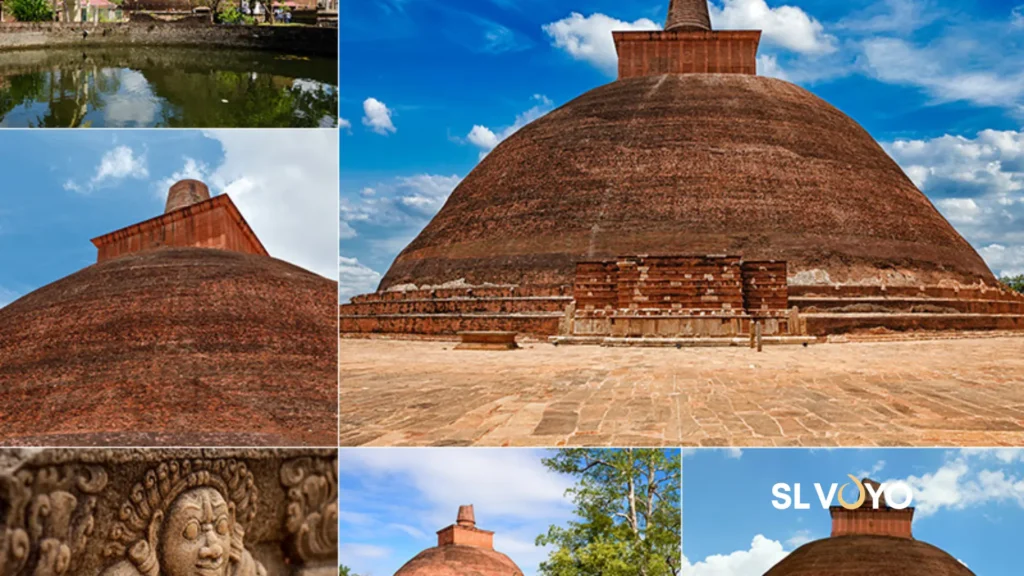
Stupas, also known as dagobas, are dome-shaped religious structures built to enshrine sacred relics, especially those of the Buddha. The concept of stupas came to Sri Lanka from India during the 3rd century BC, during the time of Emperor Ashoka.
In Sri Lanka, stupas developed into a unique architectural form. They are usually built as large domes made of brick, placed on a square platform, and topped with a pinnacle. The word “dagoba” comes from the combination of dhatu (relic) and garbha (chamber), meaning a sacred chamber for relics.
The design of Sri Lankan stupas is both simple in concept and highly advanced in execution. These structures were carefully planned with religious meaning, strong engineering, and long-lasting materials. Even today, many stupas remain standing after more than 2,000 years, showing the skill of ancient builders.
A typical stupa is built on a solid base and rises into a smooth dome shape. Inside the stupa is a central chamber that holds sacred relics. This chamber is sealed and protected, as the stupa itself is considered a sacred object rather than a space people enter.
The outer structure is made mainly of bricks, which were carefully arranged and bonded using natural materials. The surface was often finished with a layer of plaster, giving the stupa its clean white appearance.
Key Parts of a Stupa:
Each part of the stupa has meaning. The dome represents the world, while the spire symbolises the path to enlightenment. The entire structure reflects Buddhist beliefs about life, death, and spiritual growth.
Building a stupa required advanced planning and engineering. The foundation had to be extremely strong to carry the massive weight of the brick dome. Ancient builders used layers of compacted soil, stone, and bricks to create a stable base.
The bricks used were specially made and fitted tightly together. Natural binding materials like clay and lime were used instead of modern cement. This allowed the structure to remain flexible and durable over time.
Some stupas, like Jetavanaramaya, are among the largest brick structures ever built. Their size shows the high level of knowledge in construction and design during ancient times.
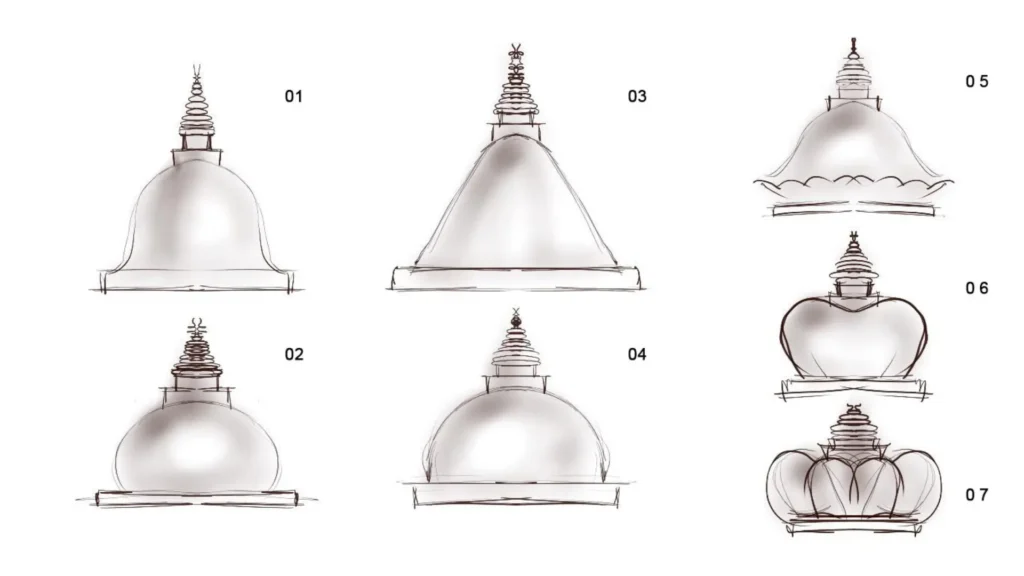
Sri Lankan stupas developed several distinct shapes over time. These shapes were not only aesthetic but also symbolic.
The bubble shape is considered the most complex and hardest to build, as it requires perfect symmetry. This is why it is seen in some of the most important stupas.
One of the most impressive aspects of Sri Lankan stupas is their durability. Many of these structures have survived natural disasters, invasions, and centuries of weather.
This long life is due to:
The Ruwanwelisaya, for example, still stands strong after more than 2,000 years, proving the effectiveness of ancient construction methods.
The earliest stupas in Sri Lanka date back to the 3rd century BC, during the time when Buddhism was introduced to the island. These early structures were simple in design but deeply important in religious life. They marked the beginning of a strong Buddhist tradition that continues even today.
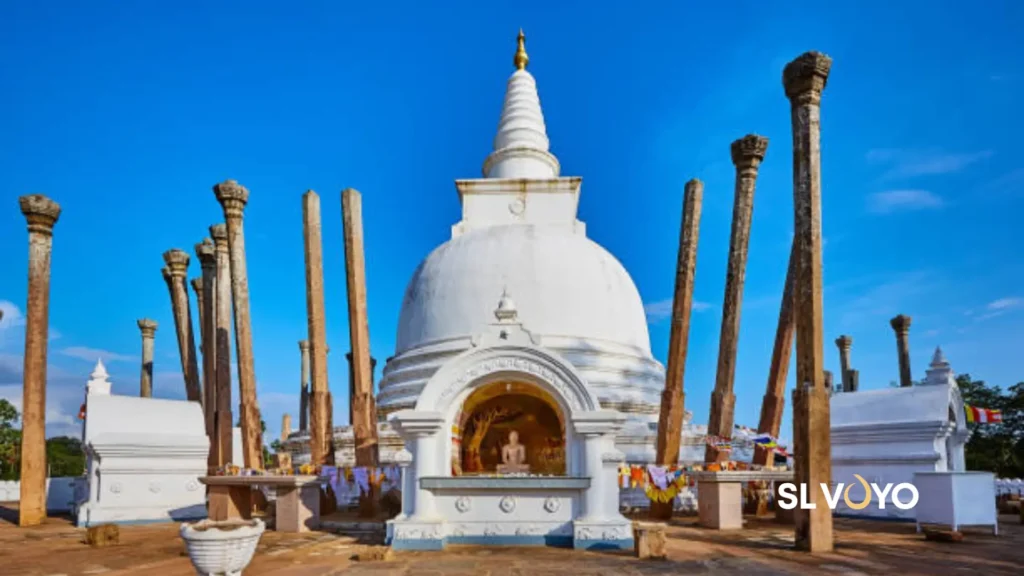
The very first stupa built in Sri Lanka is believed to be the Thuparamaya in Anuradhapura. It was constructed by King Devanampiya Tissa after Buddhism was introduced by Arahat Mahinda. This stupa was built to enshrine a sacred relic of the Buddha, making it one of the most important religious sites on the island.
In the early period, stupas were smaller compared to later constructions. However, they were carefully built with strong foundations and simple dome shapes. The focus was more on religious value than size or decoration.
As Buddhism spread across Sri Lanka, more stupas were built in different regions. Kings and rulers supported these constructions as a way to promote religion and gain merit.
Some important early stupas include:
These stupas helped establish religious centers across the island, especially in Anuradhapura and Mihintale.
Early stupas were not just buildings. They were places of worship, meditation, and pilgrimage. People visited these sites to pay respect, offer flowers, and take part in religious activities.
They also played a key role in spreading Buddhism. Monks lived near these stupas, teaching and guiding communities. Over time, entire cities grew around these religious centers.
Although early stupas were simple, they laid the foundation for the massive structures built later. Kings like Dutugemunu and Mahasena expanded on these early designs to create large stupas such as Ruwanwelisaya and Jetavanaramaya.
The transition from small to large stupas shows how Sri Lanka’s architecture and engineering developed over time.
Sri Lanka has some of the largest and most impressive stupas in the world, many of which are still standing today.
Notable Stupas:
King Dutugemunu built the famous Ruwanwelisaya and Mirisavetiya stupas. Although he passed away before Ruwanwelisaya was completed, his brother Saddha Tissa finished the construction.
The Abhayagiri Dagoba, built by King Valagambahu, was once one of the tallest structures in the ancient world. It was later restored and still remains an important site.
Jetavanaramaya, built by King Mahasena, is one of the largest brick structures ever built. At its peak, it was over 120 meters tall, making it one of the tallest buildings in the ancient world.
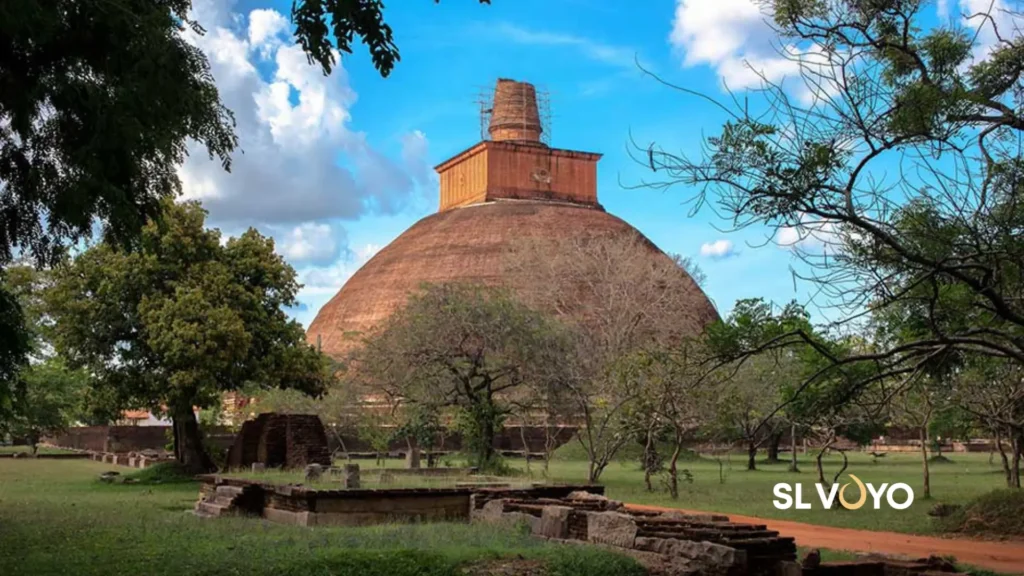
Many other stupas were built across the island, each with its own story and significance. For example, stupas at Mahiyangana, Kelaniya, and Dighavapi are connected to important events in Buddhist history.
The Ambastale Dagoba at Mihintale is believed to mark the place where Arahat Mahinda met King Devanampiya Tissa. Nearby, a statue is said to represent the king, adding to the historical importance of the site.
Ancient stupas are not just religious monuments but also important symbols of Sri Lanka’s history and identity. They represent the spread of Buddhism and the devotion of ancient kings and people.
Why Stupas Matter:
If you plan to visit ancient stupas in Sri Lanka, here are some useful tips:
What is it?
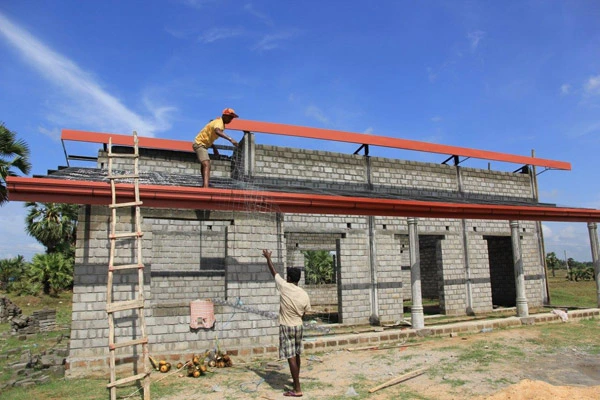
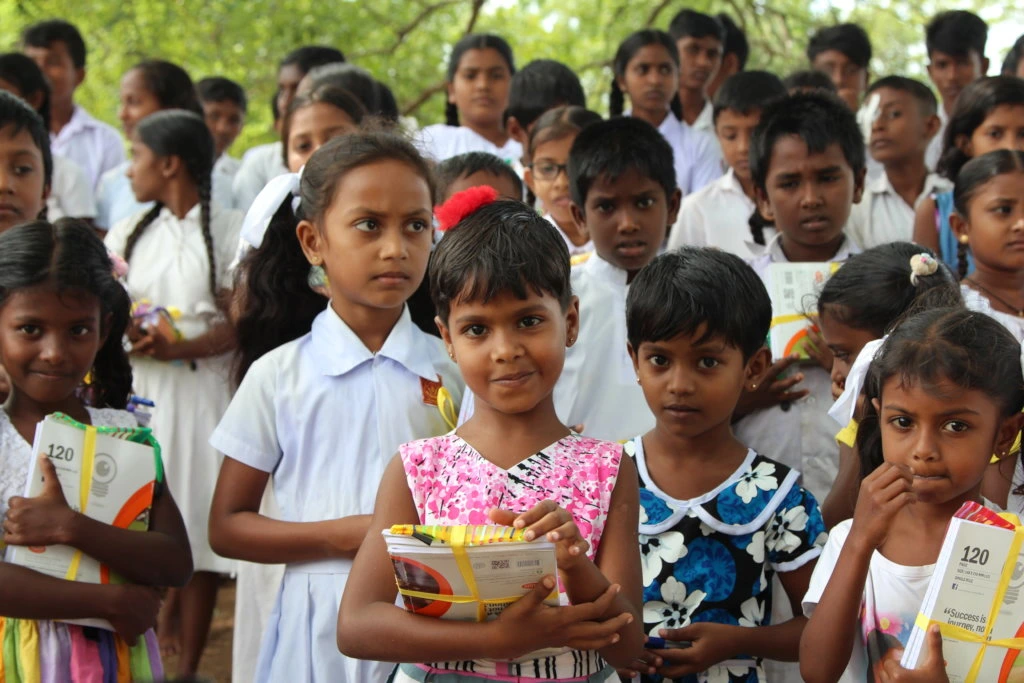
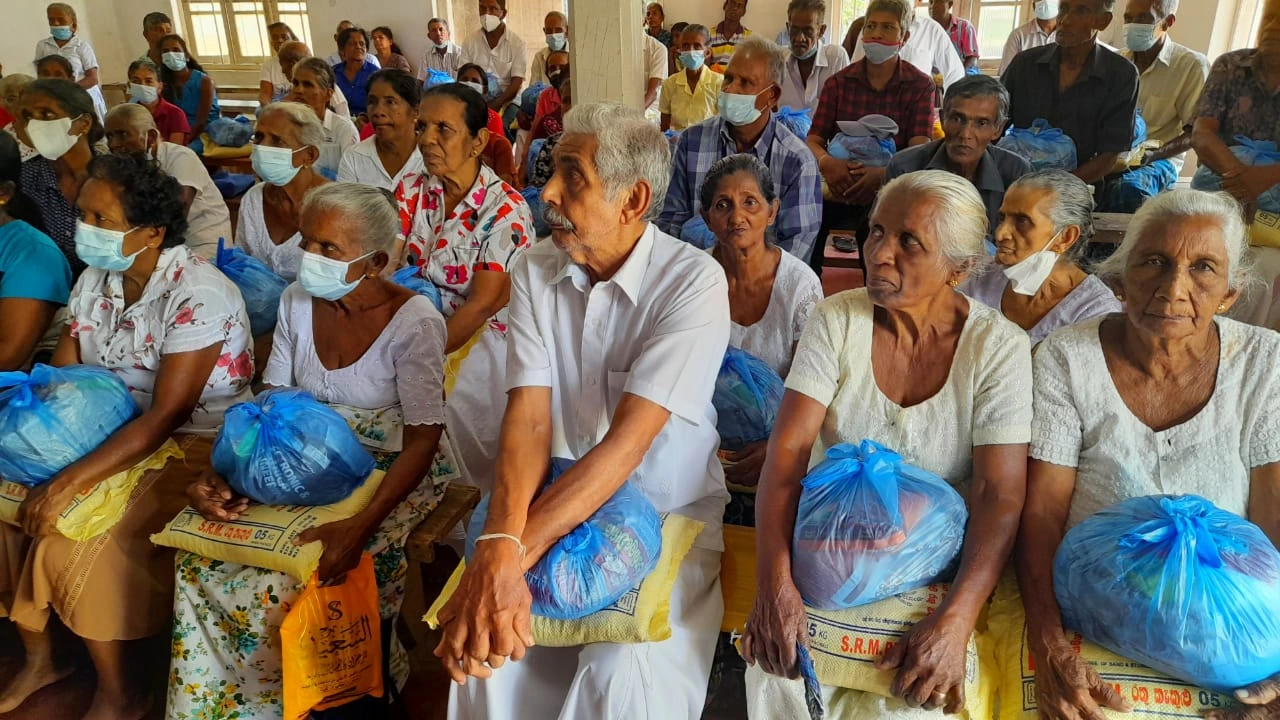
Google Ranked #1, the Heartfelt Expedition is a unique tour that invites tourists to personally engage in charitable events from the perspective of a local donor. Participants will be involved in school initiatives, elderly adoption, and community assistance throughout Sri Lanka.
Discover authentic culture and make a difference by helping local communities.