At SL VOYO, Sri Lanka’s first travel platform, we help travellers discover Sri Lanka through experiences that go beyond basic sightseeing. Whether you are joining our tours or planning your own journey, this is your friendly guide to exploring the island in a simple and meaningful way.
Ancient irrigation in Sri Lanka is one of the island’s greatest achievements. It helped people survive in dry areas and supported farming for thousands of years. These systems show the intelligence and planning skills of early Sri Lankan civilisation.
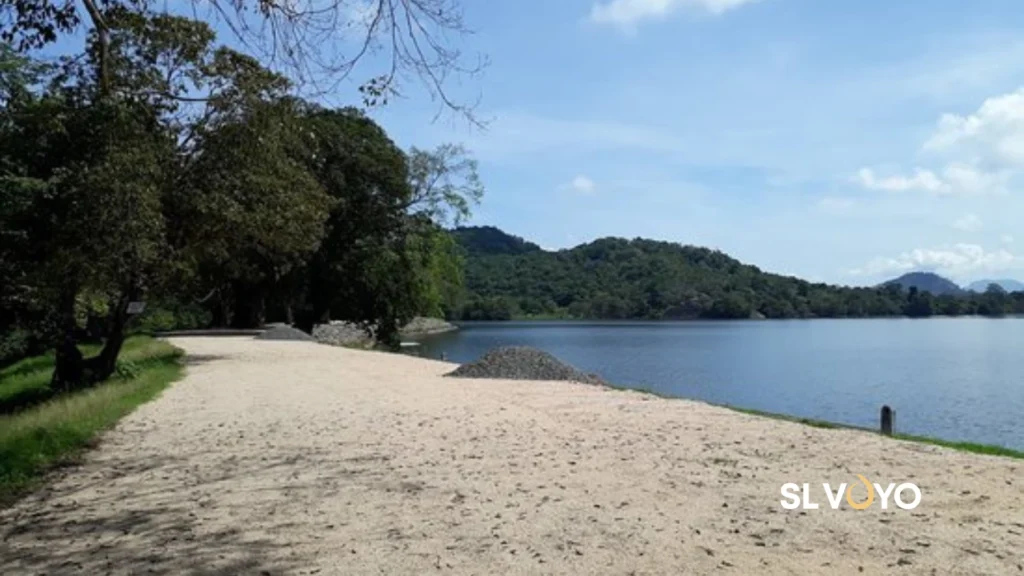
Irrigation in Sri Lanka began as early as the 5th century BC. The dry zone receives rain only during certain seasons, so water had to be stored for later use. As the population increased, the demand for water grew, especially for rice cultivation.
Ancient kings built large reservoirs called wewas (tanks) to collect rainwater. These tanks became the foundation of agriculture and helped develop strong kingdoms like Anuradhapura and Polonnaruwa.
In the early stages, irrigation systems were small and mainly used for village-level farming. These simple tanks collected rainwater and supplied nearby fields. Over time, these small systems were improved and expanded as rulers understood the importance of water management.
As technology and knowledge grew, irrigation projects became larger and more organised. Kings began building massive reservoirs and long canals, connecting multiple water sources together. This marked the beginning of a complex and highly efficient irrigation network that supported entire regions.
Sri Lanka’s irrigation system was highly advanced and well-organised. Engineers used natural landscapes and smart design to control water efficiently.
There were two main methods used:
These systems were interconnected. Water from one tank would flow into another, ensuring that no water was wasted. Tanks were built at different heights, allowing gravity to control water flow naturally.
One of the most important inventions was the Bisokotuwa (valve pit). It helped regulate the release of water from tanks safely and efficiently. This technology is considered far ahead of its time.
Many Sri Lankan kings contributed to irrigation development by building massive reservoirs and canals.
Some key examples include:
King Parakramabahu I is well known for his statement: “Not even a drop of water should flow into the sea without being used.” This shows how important water management was.
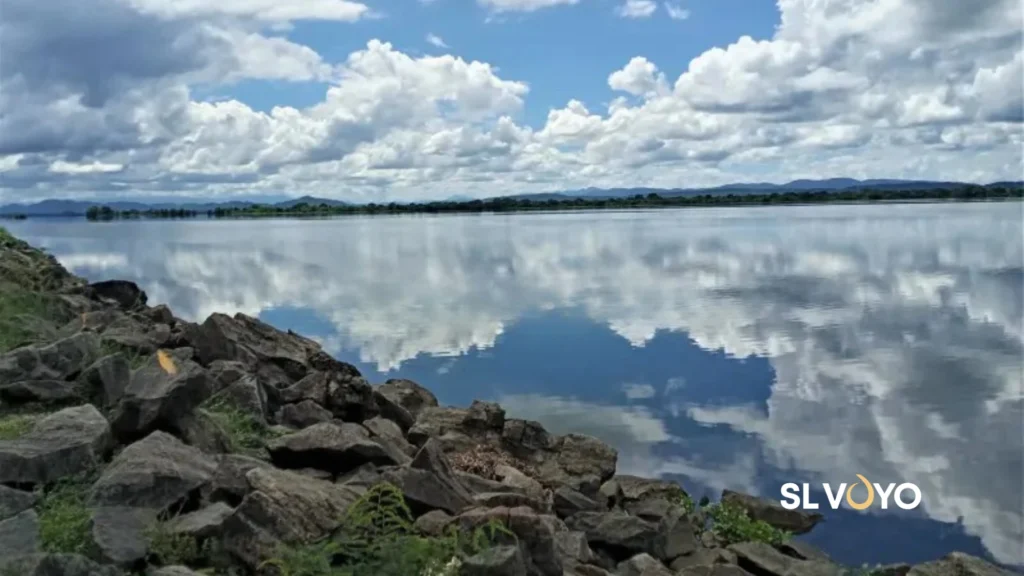
Ancient Sri Lankan irrigation systems had several unique features:
For example, the Jayaganga canal was about 87 km long and had a very slight slope, showing incredible engineering accuracy.
Ancient irrigation systems were essential for the survival and growth of Sri Lankan civilisation. They made it possible to farm in dry areas where rainfall was not enough throughout the year. By storing and distributing water carefully, these systems ensured a steady food supply, especially rice, which was the main staple. This allowed large populations to settle, grow, and build strong and stable kingdoms.
These irrigation works also show the high level of engineering knowledge in ancient Sri Lanka. The design of reservoirs, canals, and sluice systems like the Bisokotuwa proves that early engineers understood water flow, pressure, and land gradients very well. Their ability to build long canals with precise slopes and connect multiple tanks together shows advanced planning and technical skill far ahead of its time.
At the same time, these systems reflect the strong leadership of ancient kings. Rulers invested time, labour, and resources into building and maintaining irrigation networks for the benefit of their people. This shows that water management was not just about farming, but also about governance and responsibility.
Another important feature is the sustainable use of natural resources. The systems were designed to use every drop of water efficiently without wasting it. Water was reused by passing it from one tank to another, creating a balanced and eco-friendly system that worked in harmony with nature.
These constructions were also built to last. Many ancient tanks and canals are still in use today, even after hundreds or thousands of years. This proves the durability and quality of ancient engineering.
Today, these irrigation systems remain an important part of Sri Lanka’s heritage. They continue to inspire modern water management and stand as a reminder of the country’s rich history, innovation, and respect for nature.
If you want to explore ancient irrigation sites in Sri Lanka:
What is it?
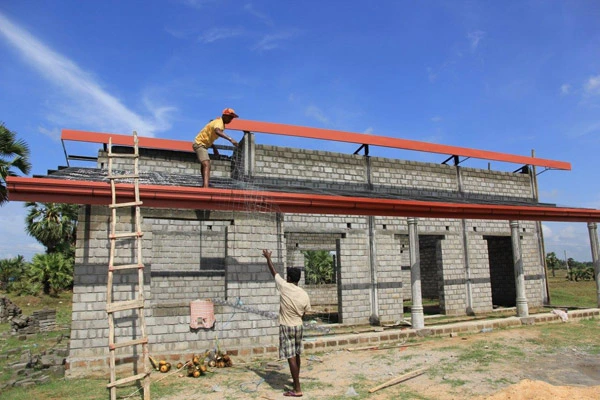
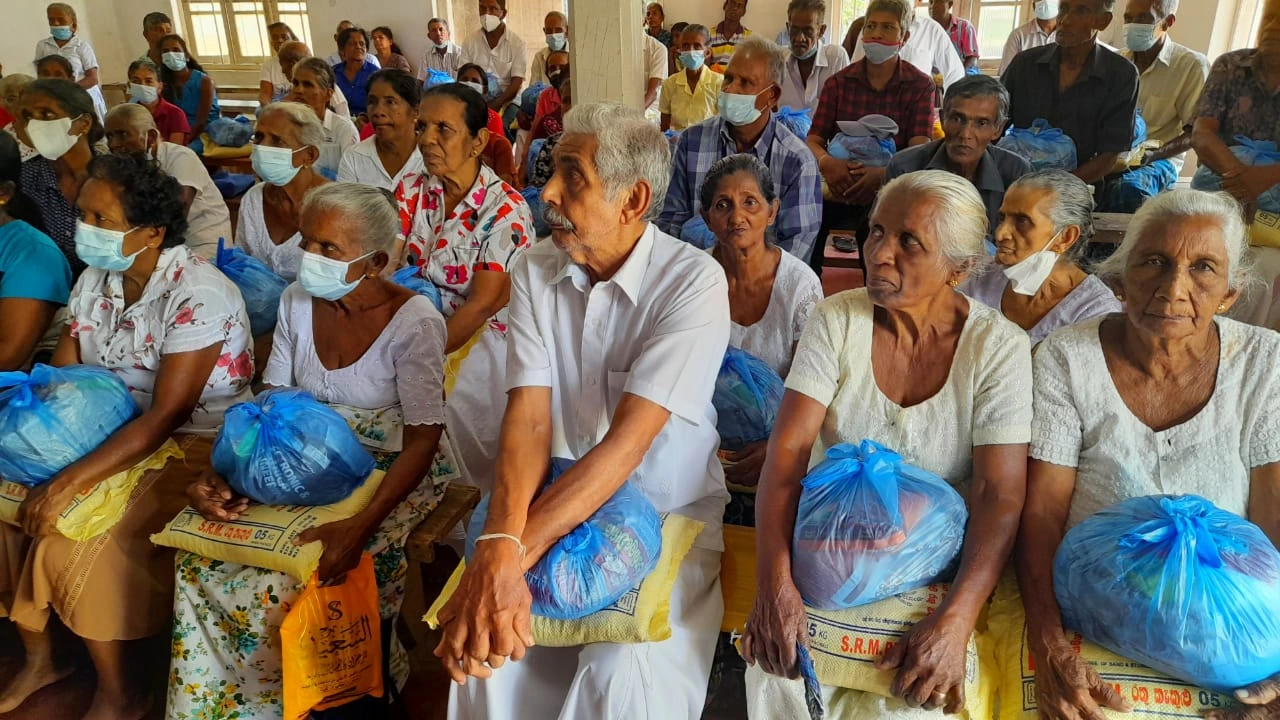
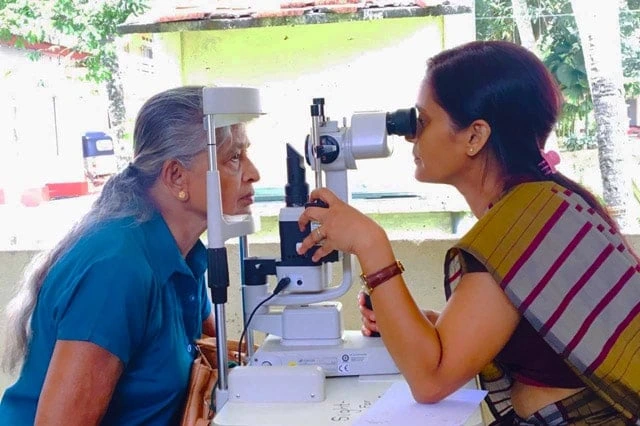
Google Ranked #1, the Heartfelt Expedition is a unique tour that invites tourists to personally engage in charitable events from the perspective of a local donor. Participants will be involved in school initiatives, elderly adoption, and community assistance throughout Sri Lanka.
Discover authentic culture and make a difference by helping local communities.