At SL VOYO, Sri Lanka’s first travel platform, we help travellers discover Sri Lanka through experiences that go beyond basic sightseeing. Whether you are joining our tours or planning your own journey, this is your friendly guide to exploring the island in a simple and meaningful way.
What Are World Heritage Sites?
World Heritage Sites are places recognized by UNESCO for their outstanding cultural or natural importance to humanity. Sri Lanka, despite its small size, is home to 8 incredible sites, combining ancient civilizations, spiritual landmarks, and untouched nature.
The Story of Sri Lanka’s World Heritage Sites
Sri Lanka is home to eight UNESCO World Heritage Sites, a remarkable number for a small island. These sites are divided into cultural and natural heritage, showing both the achievements of ancient civilizations and the richness of the island’s ecosystems.
Most of the cultural sites were created for religious and royal purposes, especially connected to Buddhism. Ancient kings built cities, temples, and monuments not only as places of worship but also as symbols of power, knowledge, and artistic excellence. Over time, these places developed into highly advanced urban centers with impressive architecture and planning.
From around the 3rd century BC onwards, Sri Lanka became a center of Buddhist culture. This influence can still be seen today in the sacred cities, temples, and monuments that form part of the World Heritage list. Each site tells a story of devotion, creativity, and engineering skill.
Natural World Heritage Sites
Sri Lanka’s natural heritage is represented by Sinharaja Rainforest and the Central Highlands. These sites highlight the island’s biodiversity and unique ecosystems.
Sinharaja is a tropical rainforest filled with rare plants, birds, and animals found nowhere else in the world. It is one of the last remaining untouched rainforests in Sri Lanka and plays a vital role in maintaining the country’s ecological balance.
The Central Highlands include areas such as Horton Plains and the mountain regions surrounding Adam’s Peak. These highland ecosystems are known for their cool climate, scenic landscapes, and unique wildlife. The changing vegetation with altitude shows how diverse Sri Lanka’s natural environment truly is.
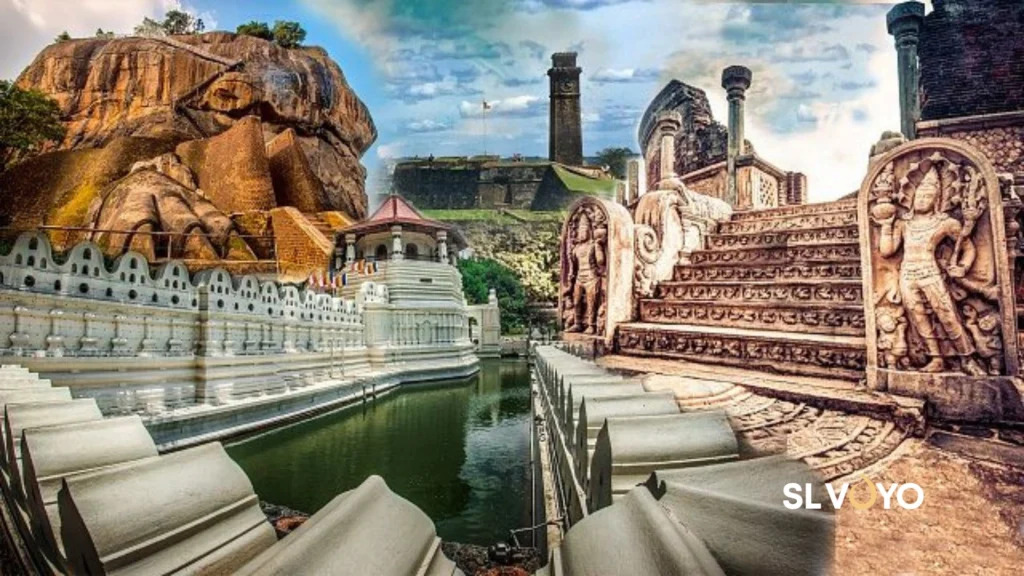
Sacred City of Anuradhapura
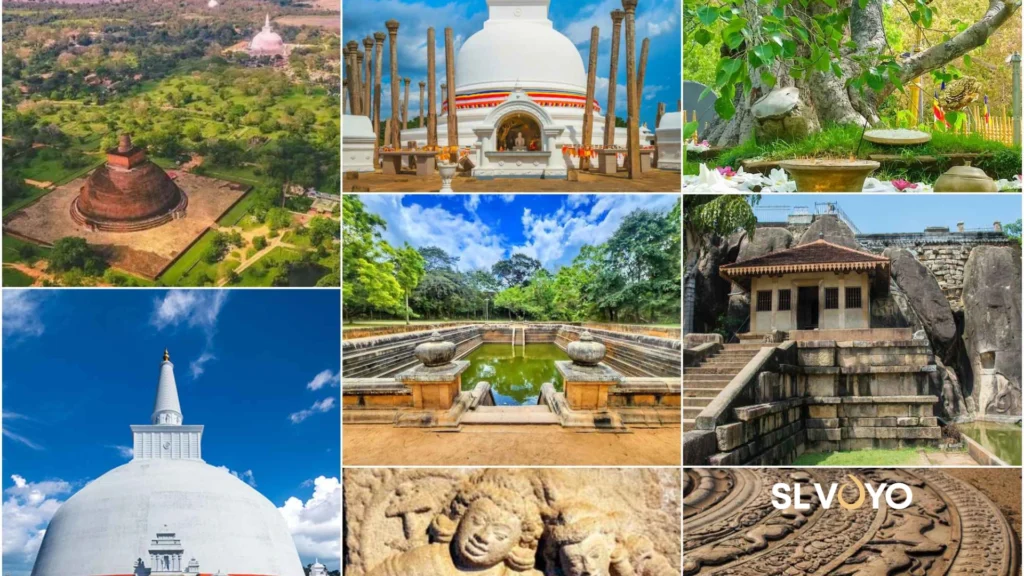
Anuradhapura was the first great capital of Sri Lanka and one of the oldest continuously inhabited cities in the world. It became the center of Buddhism after the arrival of the religion in the 3rd century BC.
The city is known for its massive stupas, ancient monasteries, and advanced irrigation systems. Structures like Ruwanwelisaya and Jetavanaramaya show how skilled ancient engineers and builders were, even over 2,000 years ago.
One of the most sacred places here is the Sri Maha Bodhi tree, believed to be grown from the original tree under which the Buddha attained enlightenment. This makes Anuradhapura not just a historical site, but a deeply spiritual destination.
Visitors can expect a large, spread-out area where exploring by vehicle or bicycle is common. The atmosphere is peaceful and respectful, especially around religious sites.
Ancient City of Polonnaruwa
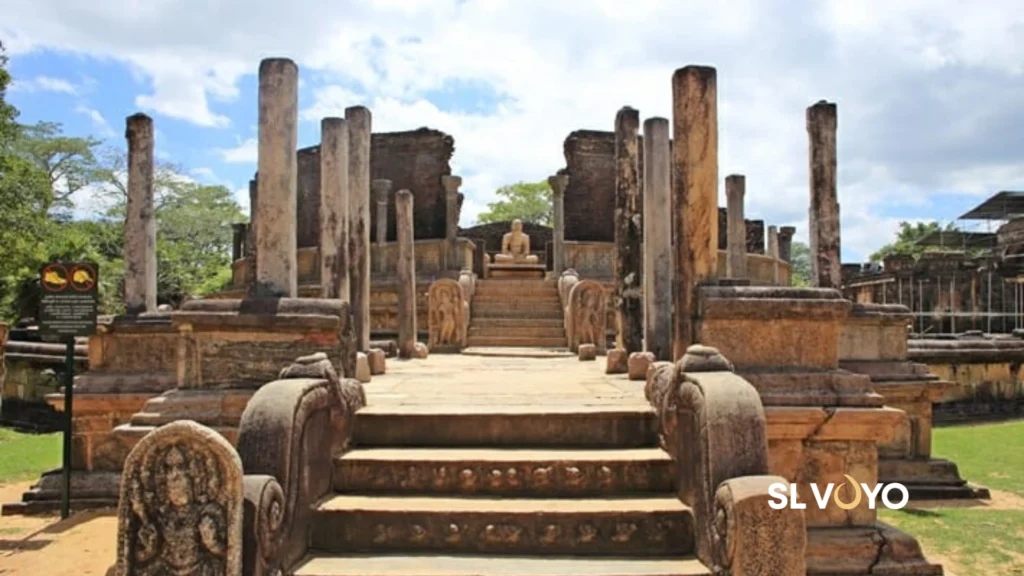
Polonnaruwa became the second capital of Sri Lanka after Anuradhapura and reached its peak during the reign of King Parakramabahu I.
This city shows a more organized and planned layout, with well-preserved ruins that are easier to explore. One of its most famous features is the Gal Vihara, a set of beautifully carved Buddha statues cut from a single rock.
The Parakrama Samudra, a massive man-made reservoir, highlights the advanced water management systems of the time. It reflects the idea that not a single drop of water should be wasted.
Compared to Anuradhapura, Polonnaruwa is more compact, making it ideal for cycling tours. Visitors can clearly see how the royal city once functioned, with palaces, temples, and public spaces.
Ancient City of Sigiriya
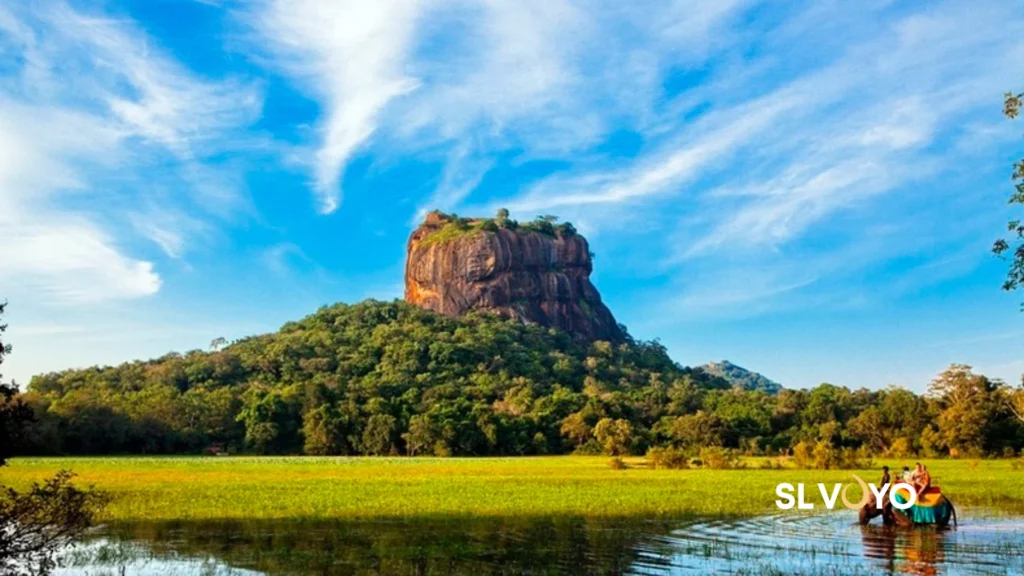
Sigiriya is one of the most iconic landmarks in Sri Lanka. Rising nearly 200 meters above the ground, this rock fortress was built by King Kasyapa in the 5th century AD.
What makes Sigiriya unique is its combination of architecture, engineering, and art. The site includes landscaped gardens, water systems, fresco paintings, and the famous Mirror Wall.
The climb to the top takes you through lion-shaped gateways and steep staircases, leading to the ruins of a royal palace. From the summit, visitors get a breathtaking view of the surrounding landscape.
Sigiriya is not just a fortress—it is considered one of the earliest examples of urban planning in Asia. It combines beauty and functionality in a way that was far ahead of its time.
Golden Temple of Dambulla
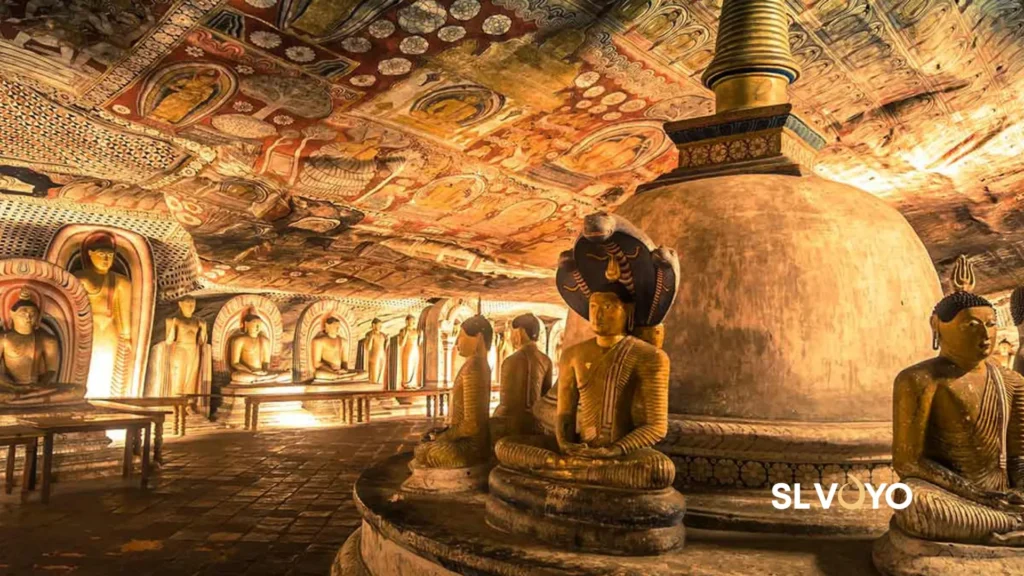
Dambulla is the largest and best-preserved cave temple complex in Sri Lanka. Built into a massive rock, it contains five main caves filled with Buddha statues and wall paintings.
These caves date back to the 1st century BC and have been used as a place of worship for centuries. The interiors are covered with colorful paintings that depict the life of the Buddha and important events in Buddhist history.
What makes Dambulla special is the atmosphere inside the caves. The combination of dim lighting, ancient art, and quiet surroundings creates a strong spiritual feeling.
Visitors need to climb a short but steep path to reach the temple, but the experience is well worth it.
Sacred City of Kandy
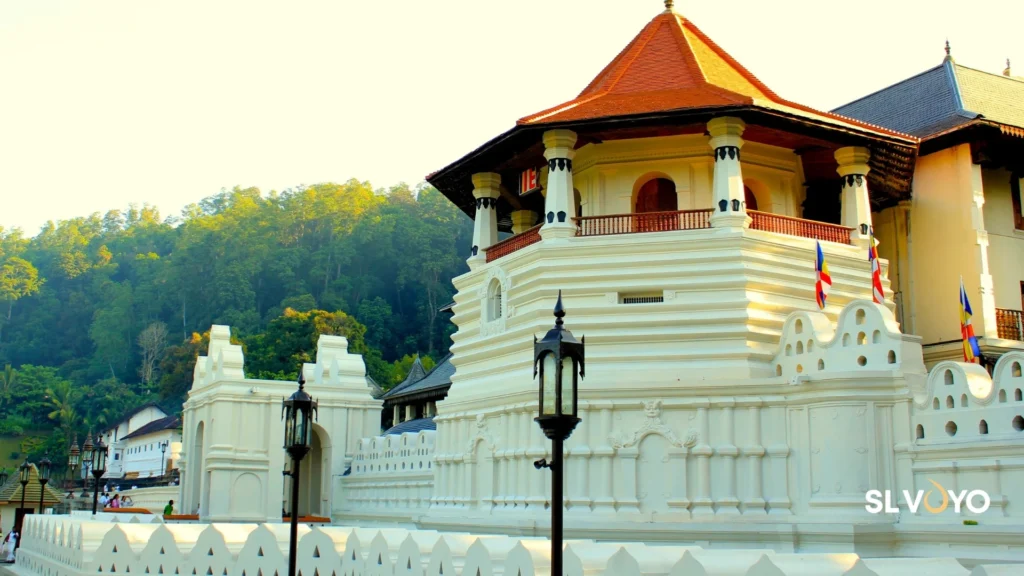
Kandy was the last royal capital of Sri Lanka and remains one of the most important cultural and spiritual cities in the country.
The main attraction here is the Temple of the Tooth Relic, which houses a sacred relic of the Buddha. This temple continues to be an active place of worship and plays a central role in Sri Lankan Buddhist traditions.
Kandy is also known for the Esala Perahera, a grand annual procession featuring dancers, drummers, and decorated elephants. This event attracts visitors from around the world.
Unlike the ancient ruins of earlier cities, Kandy is still a living city, blending history with modern life. The surrounding hills and lake add to its beauty.
Old Town of Galle and its Fort
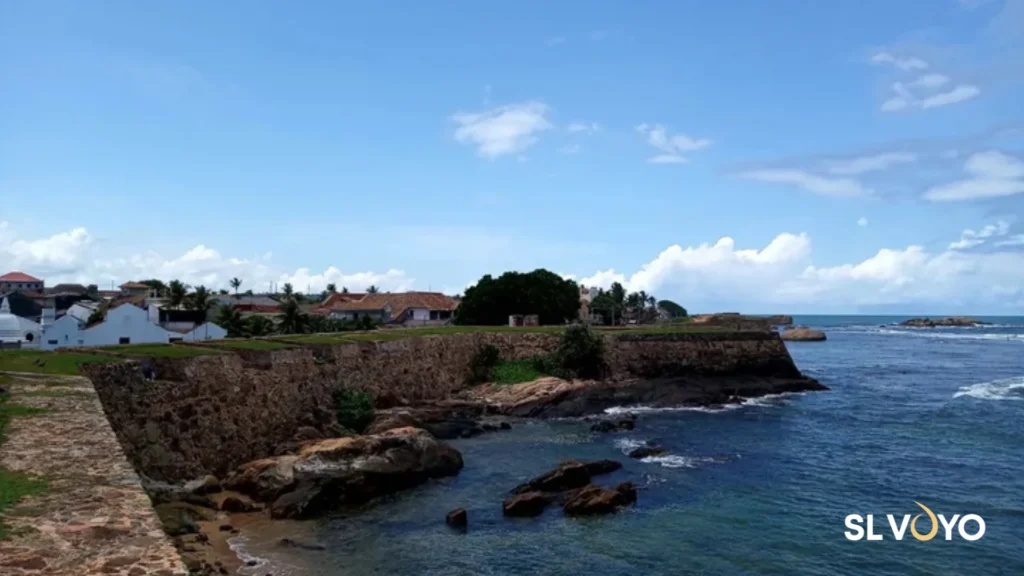
Galle Fort represents a different part of Sri Lanka’s history, shaped by European colonial powers, especially the Portuguese and Dutch.
The fort was built in the 16th century and later expanded by the Dutch. Today, it remains one of the best-preserved colonial forts in Asia.
Inside the fort, visitors will find narrow streets, old buildings, churches, and cafes. The architecture reflects a mix of European and South Asian styles.
Walking along the fort walls during sunset is one of the most popular experiences. Galle offers a relaxed atmosphere compared to the ancient cities, making it perfect for a slow and enjoyable visit.
Sinharaja Rainforest
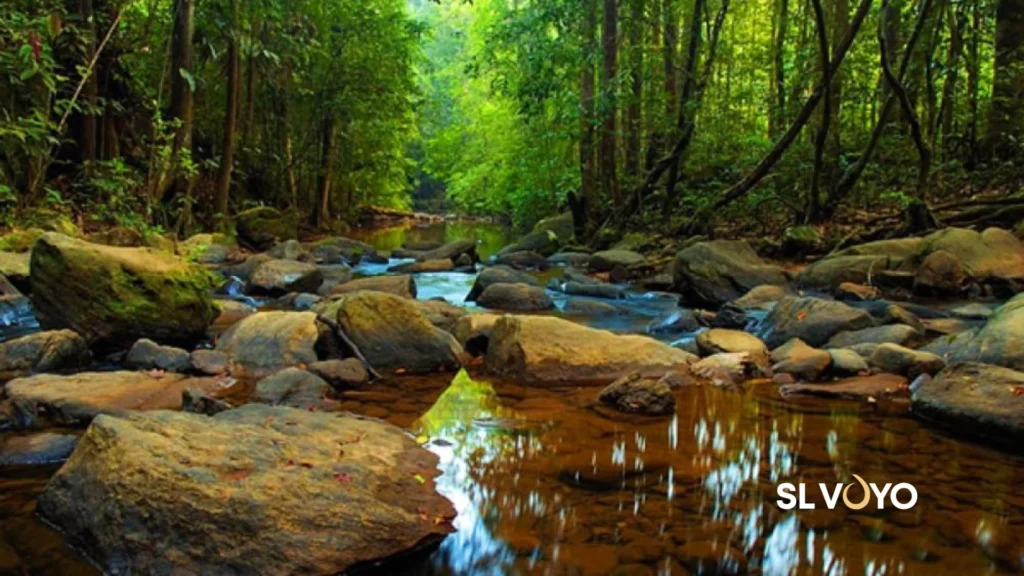
Sinharaja is Sri Lanka’s last remaining tropical rainforest and one of the most important biodiversity hotspots in the world.
It is home to a wide range of plant and animal species, many of which are found nowhere else on Earth. The forest is especially known for its birdlife, reptiles, and unique plant species.
Unlike the cultural sites, Sinharaja offers a completely different experience—walking through dense forest, listening to birds, and experiencing nature in its purest form.
Visitors usually explore the forest with a guide, as it is a protected area. It is ideal for nature lovers and those looking for a more adventurous experience.
Central Highlands of Sri Lanka
The Central Highlands include areas like Horton Plains, Knuckles, and the Peak Wilderness surrounding Adam’s Peak.
This region is known for its cool climate, scenic landscapes, and unique ecosystems. Horton Plains features grasslands and cloud forests, along with viewpoints like World’s End.
Adam’s Peak, also known as Sri Pada, is a sacred mountain visited by people of different religions. The climb to the summit is both a physical and spiritual journey.
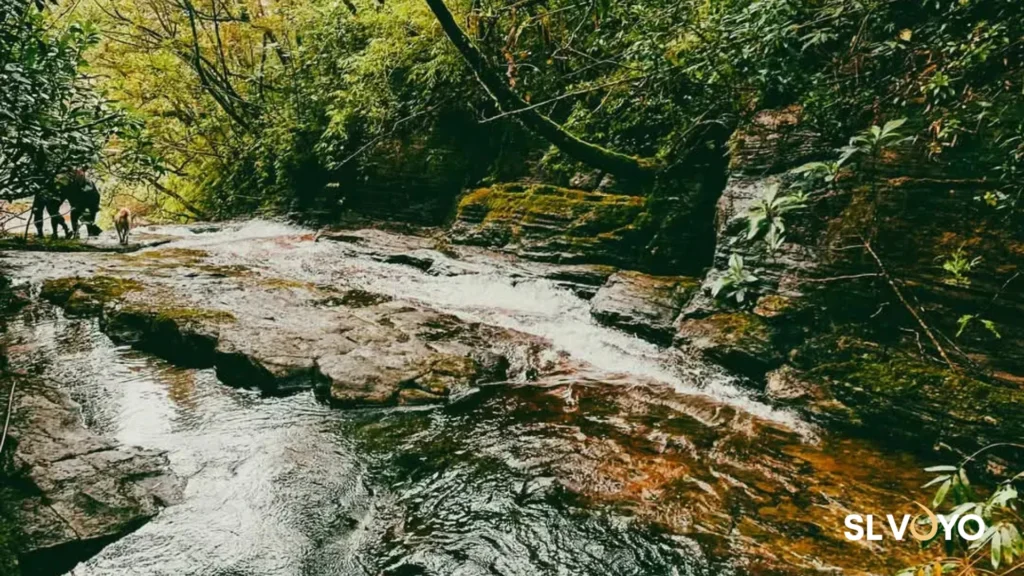
The Central Highlands show a completely different side of Sri Lanka, with misty mountains, waterfalls, and diverse wildlife.
Why These Sites Matter
Sri Lanka’s World Heritage Sites are not just places to visit—they are places to understand.
They show:
The rise of ancient civilizations
Deep spiritual traditions
Advanced engineering and planning
Unique biodiversity and ecosystems
Each site offers a different experience, making Sri Lanka one of the most diverse travel destinations in the world.
Travel Tip from SL VOYO
The best way to explore these sites is through a well planned route. Many of them are located within the Cultural Triangle, making it easy to combine multiple destinations in one trip.
You can explore on your own or book curated tours with SL VOYO for a smoother and more meaningful experience.
Read our Entrance fee in sri lanka 2026 blog for a price update.
Table of Contents
Tours you might like
We care about our people. That’s why we offer Heartfelt Expedition
What is it?
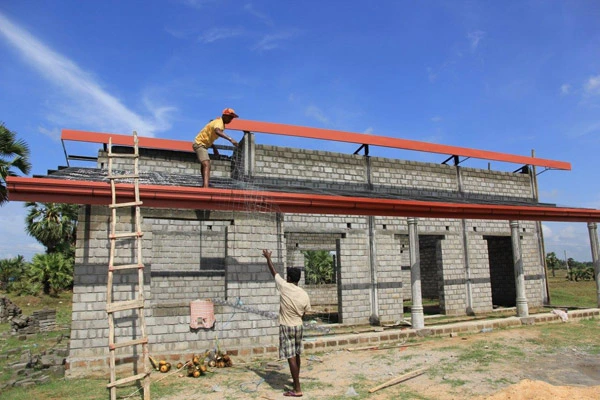
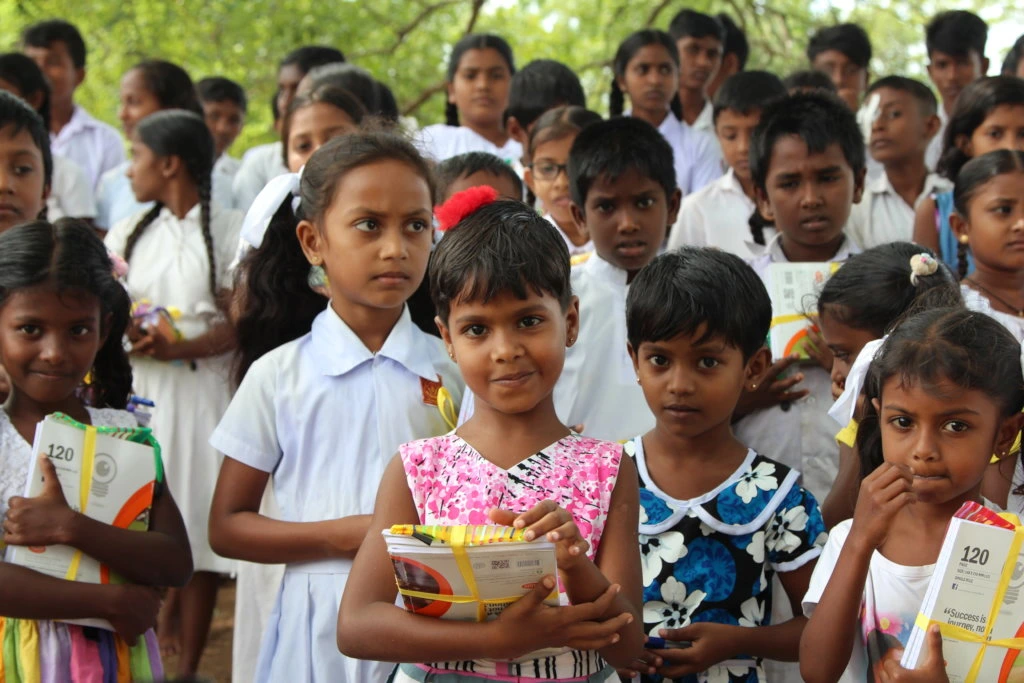
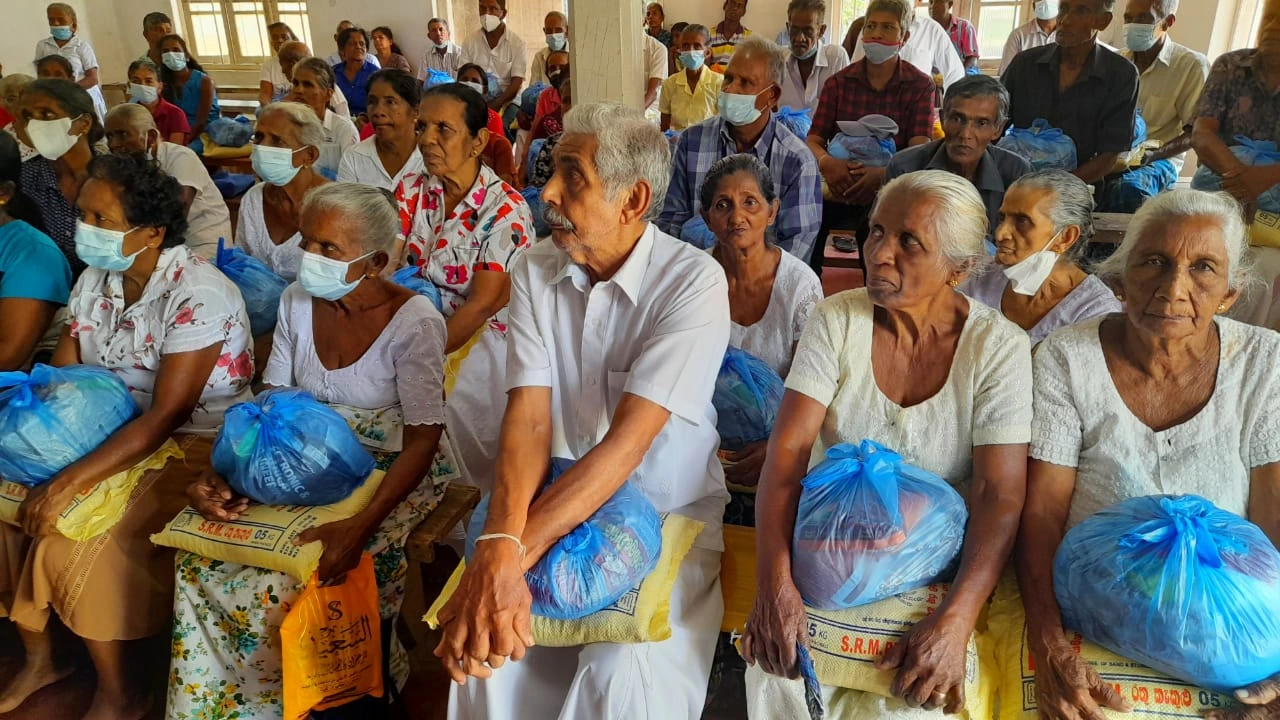
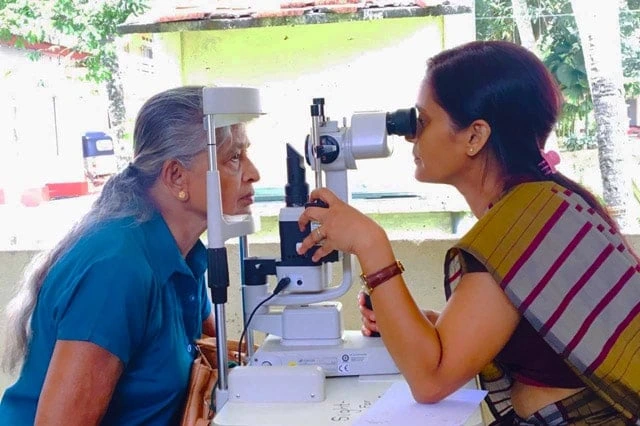
Google Ranked #1, the Heartfelt Expedition is a unique tour that invites tourists to personally engage in charitable events from the perspective of a local donor. Participants will be involved in school initiatives, elderly adoption, and community assistance throughout Sri Lanka.
Discover authentic culture and make a difference by helping local communities.