At SL VOYO, Sri Lanka’s first travel platform, we help travellers discover Sri Lanka through experiences that go beyond basic sightseeing. Whether you are joining our tours or planning your own journey, this is your friendly guide to exploring the island in a simple and meaningful way.
Television was first introduced to Sri Lanka on April 13, 1979, with the launch of the Independent Television Network (ITN) as a private broadcaster. In its early stage, broadcasting was limited to a 32 km radius around Colombo, meaning access was restricted to a small audience.
Island-wide television broadcasting began a few years later when the Government of Japan gifted Sri Lanka a national television network, significantly expanding coverage. On June 5, 1981, ITN was converted into a government-owned entity, and with the introduction of the Sri Lanka Rupavahini Act in 1982, the Sri Lanka Rupavahini Corporation was established, further strengthening national broadcasting.
The growth of television in Sri Lanka was rapid. In 1979, there were only around 2,810 television sets in the country. By 1981, this number had increased to over 56,000, and throughout the 1980s and early 1990s, nearly 100,000 television sets were added annually. Eventually, television became a common household feature, with approximately one television for every two households and an estimated audience of around eight million viewers. Even those without televisions often gathered in neighboring homes to watch programs, showing how television became a shared social experience.
A major turning point came in 1992, when the government allowed private television networks to operate. This led to the establishment of the Maharaja Television Network (MTV) in collaboration with Singapore Telecommunications. Following this, several private, satellite, and pay television channels were introduced, increasing competition and variety in programming.
The expansion of electricity across rural areas also played a key role in increasing television access. Over time, television became available across the island, including remote regions. Despite strong competition from private channels, state television continued to hold a large share of the audience. By 2012, television broadcasting in Sri Lanka had expanded to around 25 channels, offering a wide range of content including news, entertainment, education, and cultural programs.
Cinema in Sri Lanka began in 1901, when the first film was screened at a private event for the British Governor West Ridgeway and Boer War prisoners in Diyatalawa. This marked the introduction of motion pictures to the island.
A key early figure in Sri Lankan cinema was A.W. Andrew, who built a theatre and began screening European films. Later, C. Wagner played an important role in distributing films, particularly from India, becoming one of the first film exhibitors in the country. Cinema soon became popular, with screenings held in open spaces and temporary tents.
One of the early pioneers of the local film industry was T.A.J. Noorbhai, who owned theatres such as London Bioscope and Olympia in Colombo. In 1924, he established the Eastern Film Company and later contributed to the creation of the Ceylon Theatres Company.
In 1925, Noorbhai produced Rajakeeya Wickramaya, considered the first film made in Sri Lanka. It was a silent film based on an Indian story, starring Dr. N.M. Perera. Although it was shown abroad, it was unfortunately destroyed, and Sri Lankan audiences never had the chance to view it.
The first Sinhala silent film, Paliganeema, was directed by W. John Edward in 1936 and screened at the Gaiety Theatre in Colombo. The first Sinhala sound film, Kadawunu Poronduwa, was produced later and released in 1947, marking a major milestone in the local film industry.
Following the success of Kadawunu Poronduwa, many artists and playwrights entered the film industry. Directors began experimenting with storytelling, moving away from foreign influences and focusing on local culture and identity.
A major turning point came in 1956 with the film Rekawa, directed by Lester James Peries. This film was significant because it was the first to be shot entirely in Sri Lanka using a truly local storyline, marking the beginning of a more authentic Sri Lankan cinema. Peries later contributed further with films like Gamperaliya, helping shape artistic cinema in the country.
During the 1970s, the film industry was brought under state control through the National Film Corporation (1972). This aimed to protect and develop local cinema by encouraging creative and high-quality productions. During this period, several talented directors emerged, including Vasantha Obeysekara, Dharmasena Pathiraja, and Sumithra Peries, who produced films with strong social and artistic themes.
One of the most celebrated Sri Lankan films is Nidhanaya (1972), also by Lester James Peries, which has been recognized as one of the greatest films in Sri Lankan cinema history.
In 2000, the film industry was liberalized, ending the monopoly of the National Film Corporation. Film distribution became more decentralized, with multiple companies managing theatres and screenings. This allowed for more diversity and competition in the industry.
Modern Sri Lankan cinema has seen both commercial success and international recognition. Films such as Sooriya Arana, Samanala Thatu, and Hiripoda Wessa attracted large audiences locally. Sooriya Arana became one of the highest-grossing films, while Aba, directed by Jackson Anthony, was notable for being one of the most expensive productions in Sri Lankan cinema.
Directors like Prasanna Vithanage gained international recognition with award-winning films such as Sisila Gini Ganee and Purahanda Kaluwara. At the same time, filmmakers like Asoka Handagama explored complex social and political themes, although some of his films faced censorship challenges.
Today, Sri Lankan cinema continues to evolve, balancing commercial entertainment with artistic storytelling, while also gaining attention on international platforms.
What is it?
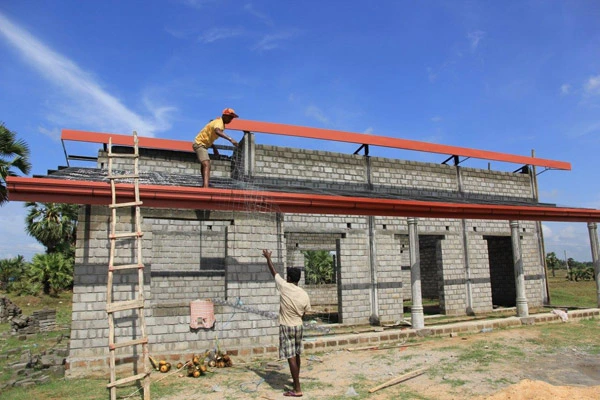
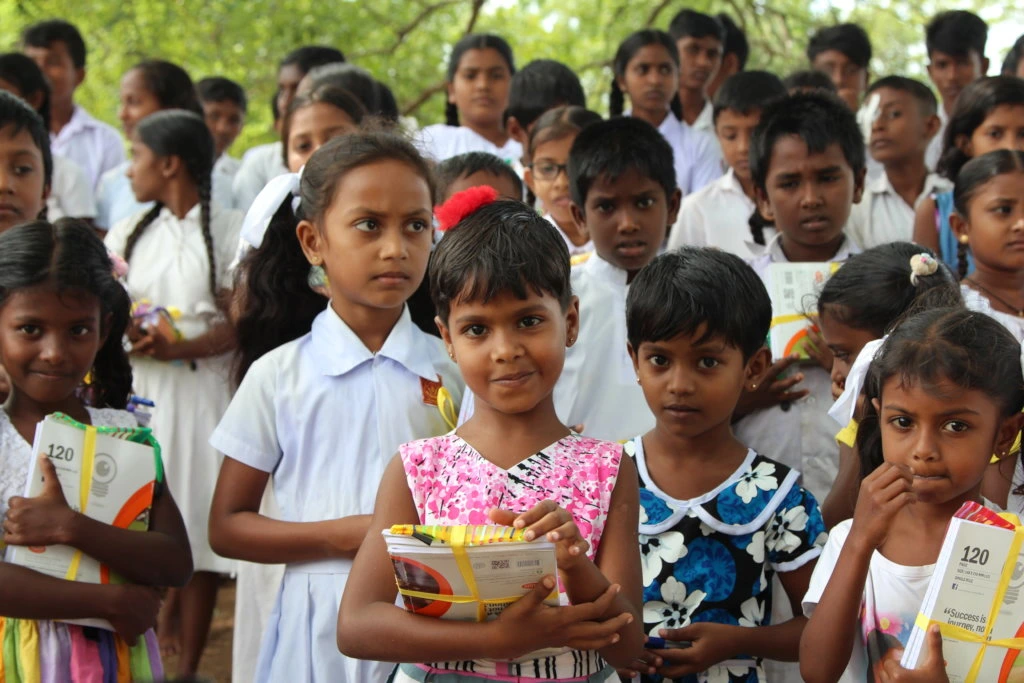
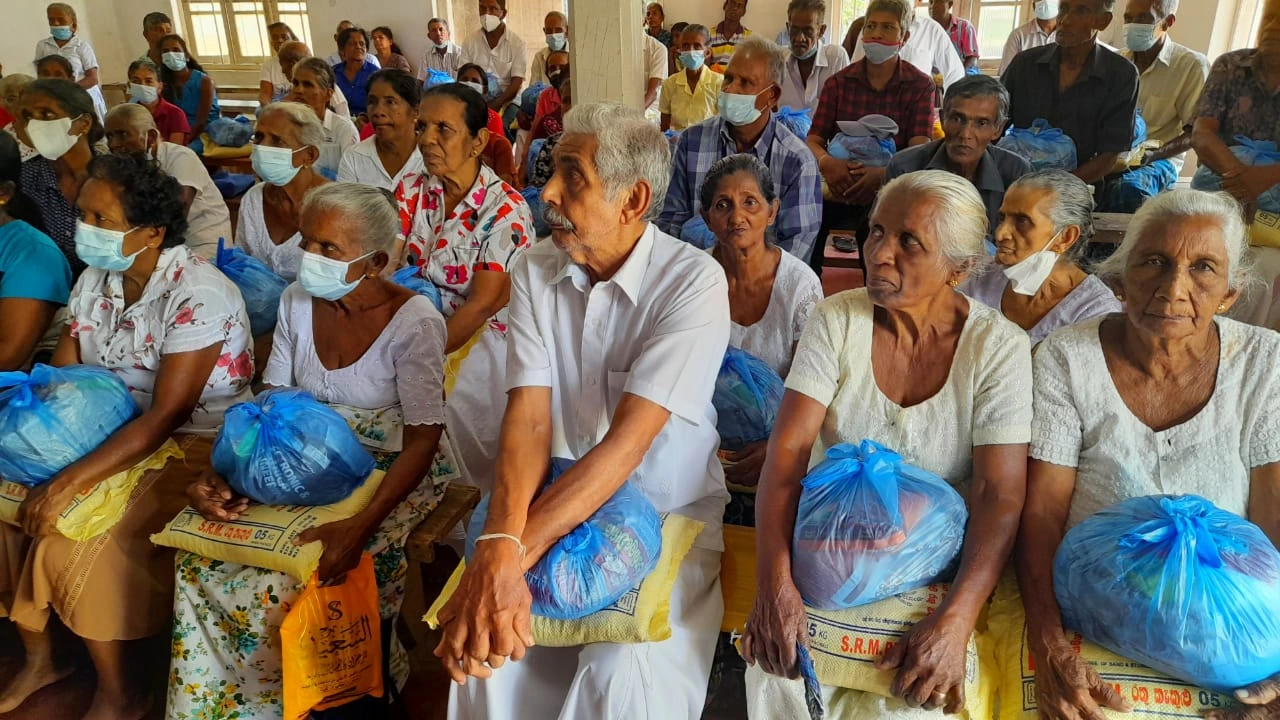
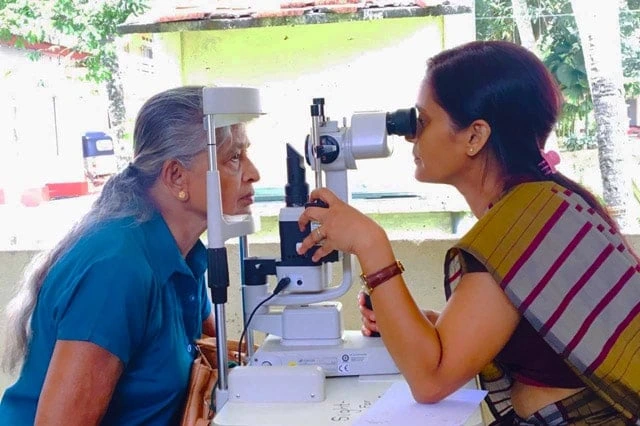
Google Ranked #1, the Heartfelt Expedition is a unique tour that invites tourists to personally engage in charitable events from the perspective of a local donor. Participants will be involved in school initiatives, elderly adoption, and community assistance throughout Sri Lanka.
Discover authentic culture and make a difference by helping local communities.