At SL VOYO, Sri Lanka’s first travel platform, we help travellers discover Sri Lanka through experiences that go beyond basic sightseeing. Whether you are joining our tours or planning your own journey, this is your friendly guide to exploring the island in a simple and meaningful way.
Sri Lanka’s classical dances are a powerful expression of its culture, history, and spirituality. These dances are not just performances—they are deeply connected to rituals, beliefs, and traditions passed down for centuries. Even in 2026, these dance forms continue to evolve while preserving their authentic roots.
There are four main styles of classical dance in Sri Lanka:
Each style is unique in its movements, costumes, rhythms, and cultural meaning.
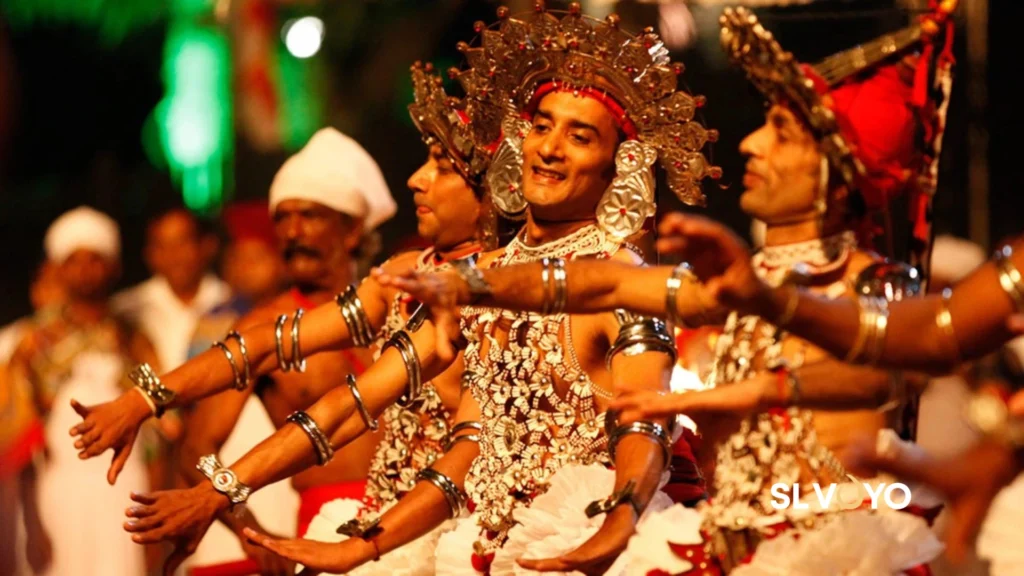
Kandyan dance is the most well-known and visually striking dance form in Sri Lanka. Originating from the central hill country, especially Kandy, it is closely connected to royal traditions and temple rituals.
One of the most famous performances is the Ves dance, which comes from the ancient purification ritual known as Kohomba Kankariya. The Ves costume, especially the elaborate headgear, is considered sacred and traditionally worn only after a dancer completes a special initiation ceremony.
Kandyan dance is characterized by powerful movements, high jumps, spins, and detailed footwork. The rhythm is driven by the Geta Bera drum, which creates a strong and energetic beat. Performances often include storytelling elements inspired by nature, history, and mythology.
The Vannam dances, a key part of Kandyan tradition, are based on themes such as animals and nature. There are 18 classical Vannams, including:
Each Vannam expresses a different mood and movement style, showcasing the dancer’s skill and creativity.
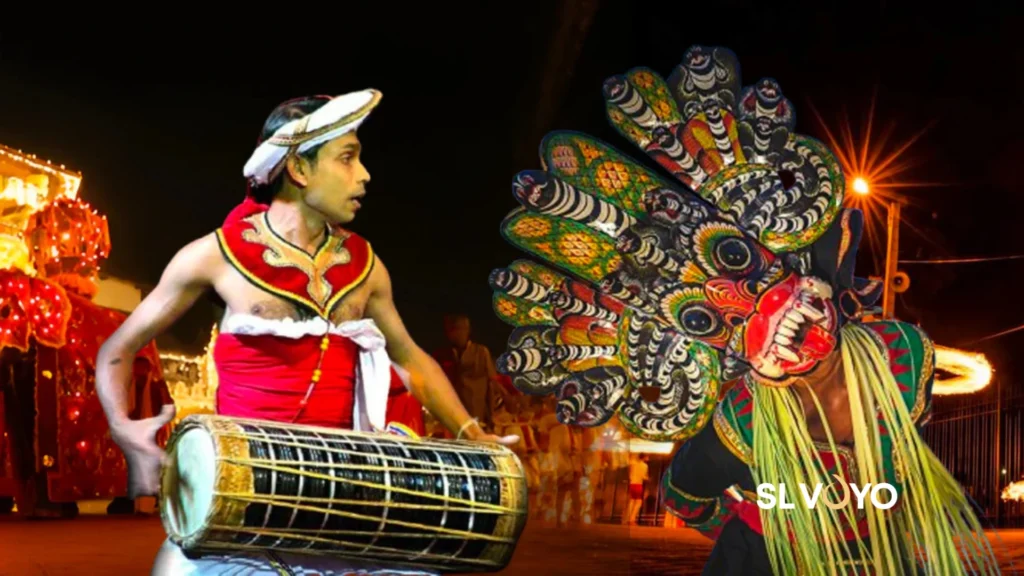
Low Country dance originates from the southern coastal regions of Sri Lanka and is deeply connected to ritual healing ceremonies. These dances are often performed to drive away evil spirits and cure illnesses believed to be caused by supernatural forces.
A key feature of this dance style is the use of colourful masks, which represent different demons or spirits. The movements are dramatic and intense, involving spinning, sharp gestures, and expressive storytelling.
Traditional ceremonies such as Maha Sohon Samayama and Gara Yakuma are part of these rituals. These performances combine dance, music, and chanting to create a powerful spiritual experience.
Another popular form is Kolam dance, which is more theatrical and entertaining. Performers wear masks representing humans and animals, often telling humorous stories and social satire, making it both cultural and entertaining for audiences.
The main drum used in this style is the Yak Bera, which produces a distinct rhythm different from Kandyan dance.
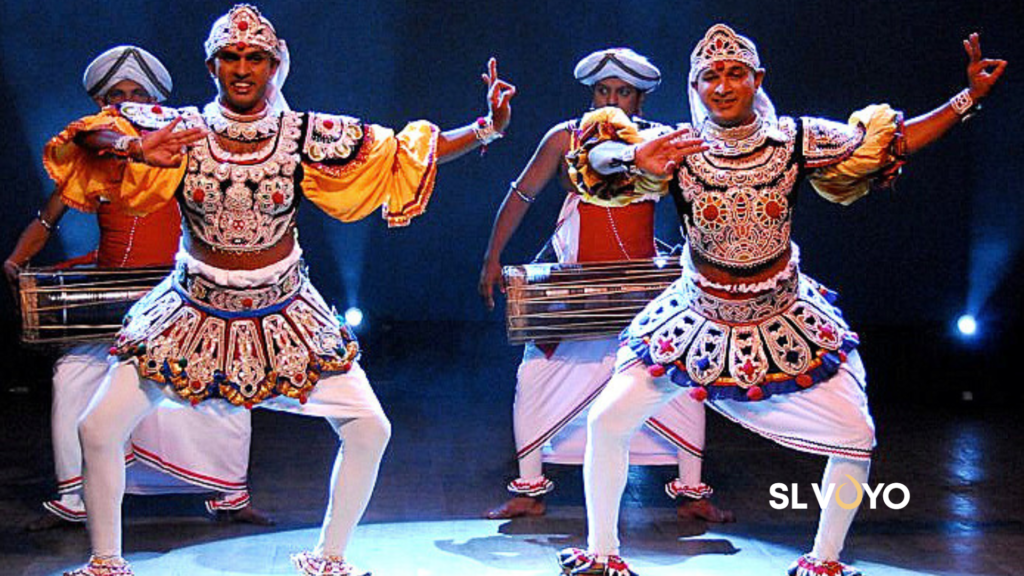
Sabaragamuwa dance is less commonly seen but holds a unique place in Sri Lanka’s dance traditions. It is considered a blend of Kandyan and Low Country styles but has its own identity.
Unlike Kandyan dance, the Geta Bera drum is rarely used. Instead, dancers perform to the rhythm of the Davula, a barrel-shaped drum played with both hands and sticks.
This dance form is mainly associated with rituals such as the Gam Maduwa, where the goddess Pattini is worshipped. The movements are more graceful and less acrobatic compared to Kandyan dance, focusing on rhythm and expression.
Special performances like the Uddekki dance are part of this tradition. The Uddekki is a small hourglass-shaped drum that dancers play while performing, adjusting its pitch by tightening strings. It requires great skill and coordination.
Another traditional performance is the Pantheru dance, which involves an instrument with small cymbals attached around its frame. Historically, this dance was performed to celebrate victories in battle.
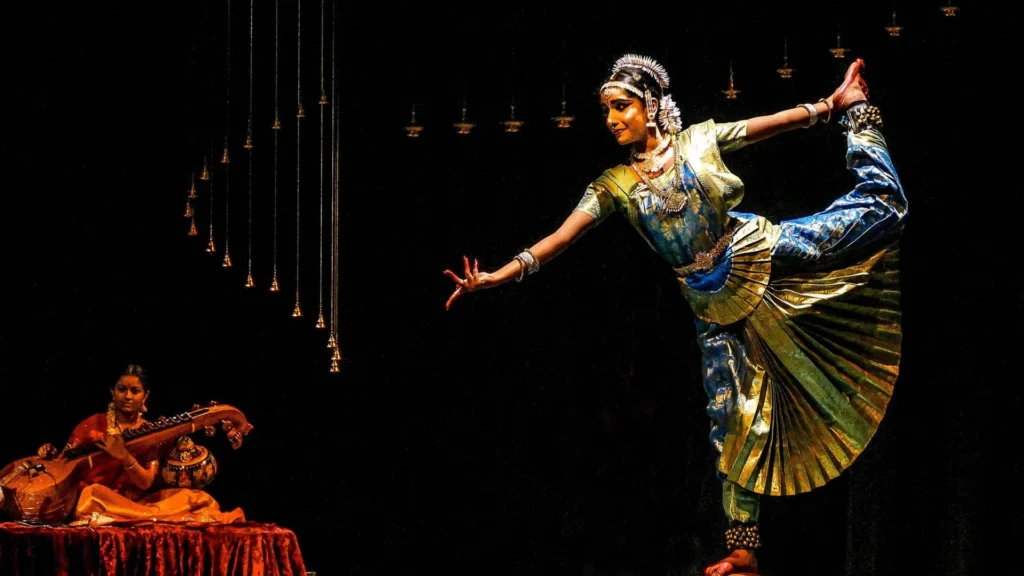
Bharatanatyam, originally from South India, is widely practiced among Tamil communities in Sri Lanka, especially in the Northern and Eastern provinces.
This dance form is known for its precise hand gestures (mudras), facial expressions, and storytelling. It is deeply connected to Hindu temple traditions and often depicts stories from ancient texts and mythology.
While Bharatanatyam maintains its classical Indian roots, Sri Lankan dancers have developed their own interpretations, blending local culture and themes into performances.
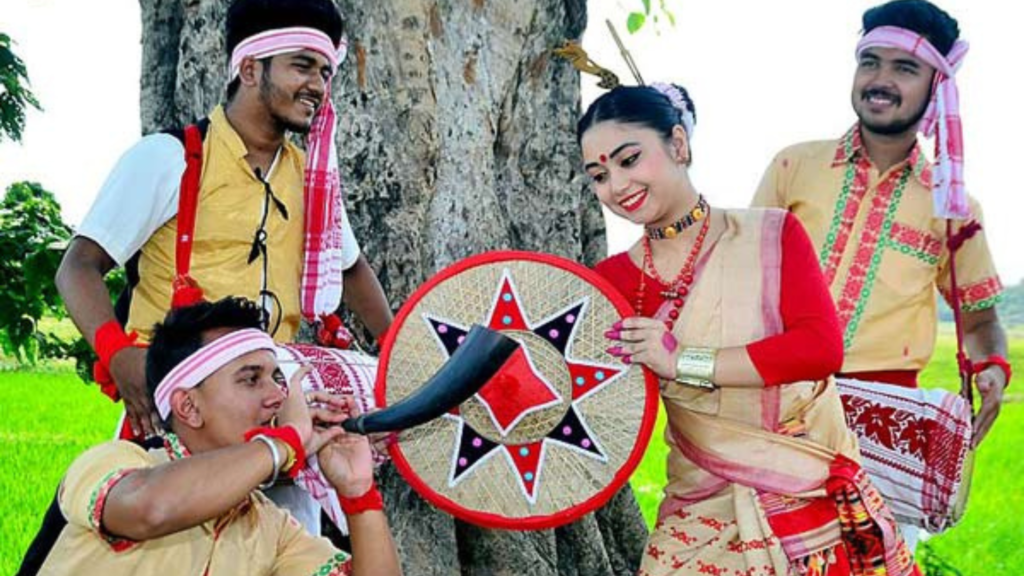
Apart from classical styles, Sri Lanka also has a rich variety of folk dances that reflect daily life and village traditions.
These dances highlight the connection between culture and everyday life in Sri Lanka.
In 2026, Sri Lanka’s classical dance traditions are not only preserved but also evolving. Dance schools, universities, and cultural institutions continue to train new generations of dancers.
Events like the Kandy Esala Perahera showcase Kandyan dance on a grand scale, attracting visitors from around the world. Cultural shows in places like Colombo, Kandy, and Sigiriya have made these performances more accessible to tourists.
Modern influences have also shaped the dance scene. Contemporary performances now blend classical dance with modern music, stage lighting, and storytelling techniques. Social media platforms and YouTube have helped promote Sri Lankan dance globally, giving local artists international recognition.
At the same time, there is a strong effort to preserve authenticity. Traditional rituals, costumes, and techniques are still respected, ensuring that the cultural essence remains intact.
Kandyan Culture dance and Habarana Culture dance can be booked with SL VOYO free of charge!
What is it?
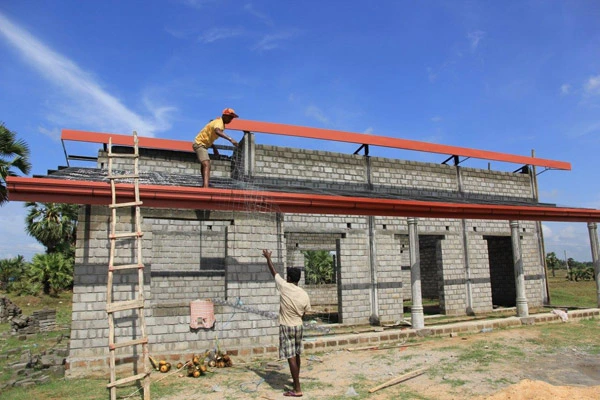
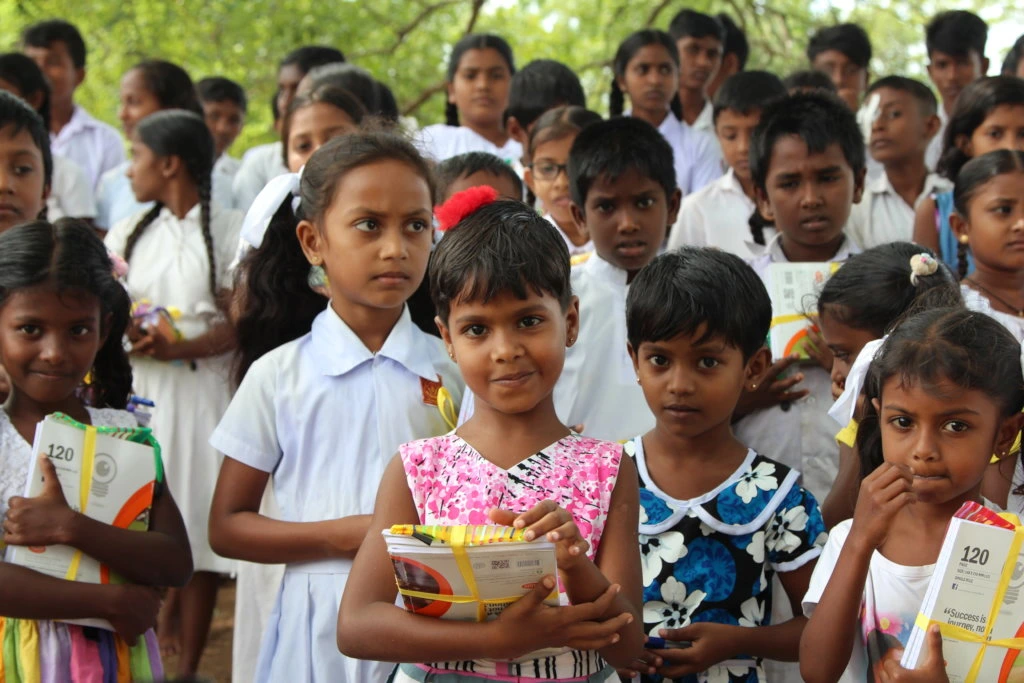
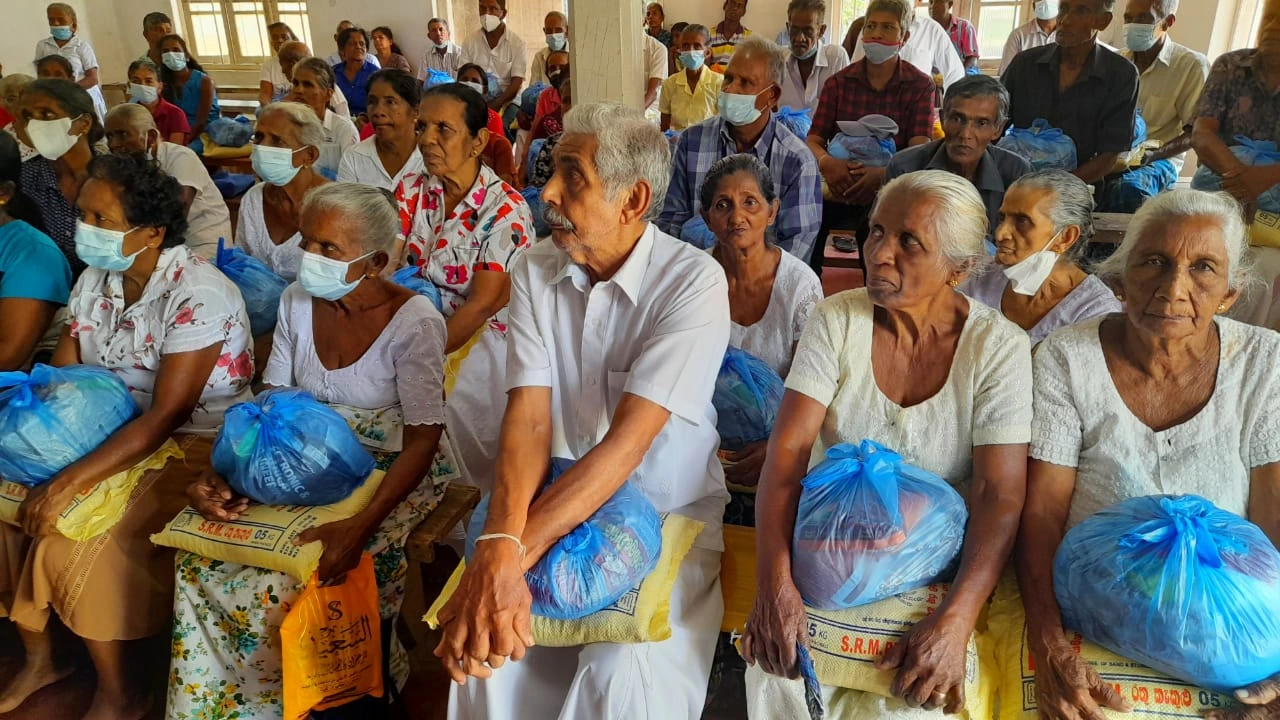
Google Ranked #1, the Heartfelt Expedition is a unique tour that invites tourists to personally engage in charitable events from the perspective of a local donor. Participants will be involved in school initiatives, elderly adoption, and community assistance throughout Sri Lanka.
Discover authentic culture and make a difference by helping local communities.