At SL VOYO, Sri Lanka’s first travel platform, we help travellers discover Sri Lanka through experiences that go beyond basic sightseeing. Whether you are joining our tours or planning your own journey, this is your friendly guide to exploring the island in a simple and meaningful way.
Sri Lankan music is a rich blend of cultural influences, traditions, and evolving modern styles. Over centuries, it has been shaped by Buddhism, Hinduism, European melodies, and African rhythms, creating a unique sound that reflects the island’s diverse history.
One of the most distinctive influences is “Kaffirinha”, a rhythm brought by African communities, which later contributed to the development of Baila music. Baila remains one of the most popular music styles in Sri Lanka even in 2026, especially at celebrations and parties. It is energetic, rhythmic, and often accompanied by guitars, drums, and handclapping, with Sinhala lyrics adding a local flavour.
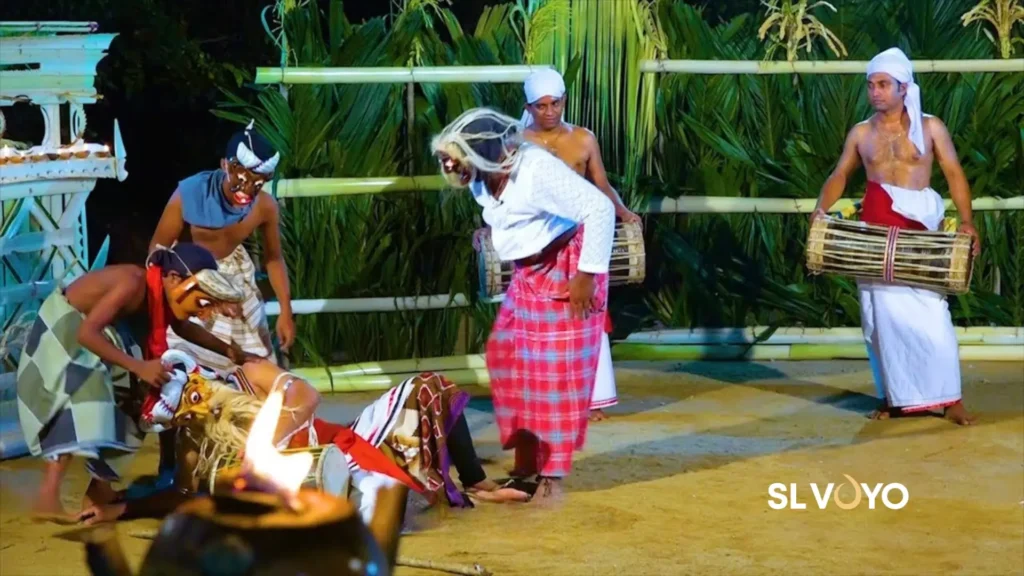
The earliest forms of music in Sri Lanka were deeply connected to theatre, ritual, and community life, rather than formal performance stages. Music was part of healing rituals, religious ceremonies, and storytelling traditions that brought villages together. These early forms were not separated into “music” and “dance” as we see today—instead, they existed as a complete performance system combining rhythm, movement, costume, and narrative.
Traditional folk theatre forms such as Kolam, Vannam, and Sokari played a central role in shaping Sri Lankan music. Kolam performances, especially popular in the southern coastal regions, used masked dancers, dramatic storytelling, and rhythmic drumming to depict village life, social satire, and folklore. The music in Kolam was lively and expressive, designed to entertain while also reflecting social realities.
Vannam, on the other hand, developed as a more structured and symbolic form, often connected to Kandyan traditions. Each Vannam is based on a specific theme—such as animals, nature, or historical stories—and is performed with carefully composed rhythms and movements. Music in Vannam is closely tied to the beat of traditional drums like the geta bera, creating a powerful connection between sound and motion.
Sokari is another important folk drama that blends music, dialogue, and dance. It is traditionally performed as part of fertility rituals and village ceremonies. The music in Sokari is simple yet rhythmic, supporting storytelling that is both humorous and symbolic, often involving characters representing everyday rural life.
Beyond theatre, folk traditions formed the true foundation of Sri Lankan music. One of the most important forms is “Kavi”, or folk poetry. These were not just songs but expressions of daily life, sung by farmers, fishermen, and workers during their routines. Whether in paddy fields or along coastal villages, Kavi created a rhythm for labour and helped build a sense of community. These songs were often improvised, reflecting emotions, struggles, love, and social commentary.
Another unique tradition is “Viridu”, a highly expressive and rhythmic form of musical storytelling. Performed to the beat of the rabana drum, Viridu involves quick thinking, poetic skill, and audience interaction. Performers often improvise verses on the spot, responding to topics, events, or even people in the audience. This makes Viridu not just music, but a live cultural dialogue, blending humour, intelligence, and rhythm.
What makes the origins of Sri Lankan music truly unique is this strong connection to life itself. Music was not confined to trained artists or formal settings—it belonged to the people. It was heard in temples, fields, rituals, and village gatherings, evolving naturally over time.
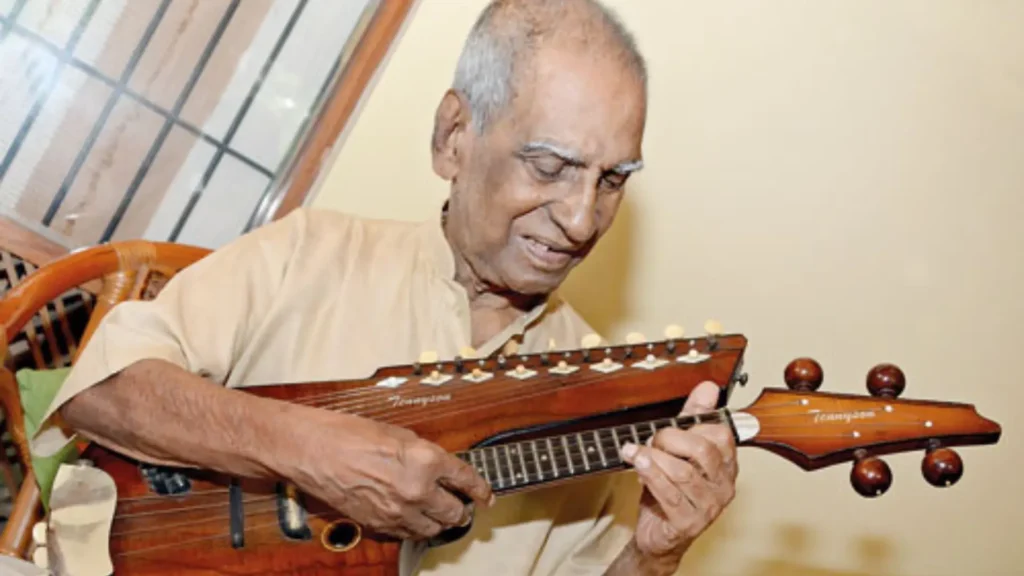
After Sri Lanka gained independence in 1948, music saw significant transformation. Sinhala musicians began creating “Sarala Gee”, a form of light music that was simple, melodic, and widely accessible.
Due to the lack of a strong traditional melodic system (raga) in Sinhala music at the time, many Sri Lankan musicians travelled to India, especially to institutions like the Bhatkhande University of Music, to study classical music. They then returned and experimented by blending Indian ragas with Sinhala lyrics and traditional melodies.
One of the most influential figures in Sri Lankan music is Ananda Samarakoon, who composed the national anthem and introduced new musical and lyrical styles to the country.
Other legendary musicians such as W. D. Amaradeva, Sunil Santha, and Suriya Shankar Molligoda played a key role in shaping modern Sinhala music. Their work combined classical influences with local traditions, creating timeless songs that are still admired today.
Songwriters like Mahagama Sekara and Chandraratne Manawasinghe contributed deeply meaningful lyrics that elevated the artistic quality of Sri Lankan music.
In the later decades, Sri Lankan music continued to evolve with global influences. The fusion of Caribbean calypso rhythms and Baila led to the rise of popular bands such as the Moonstones and the Golden Chimes, who became widely loved across the country.
During the 1980s, artists like Rookantha Gunathilake gained immense popularity, bringing a fresh sound to Sri Lankan music.
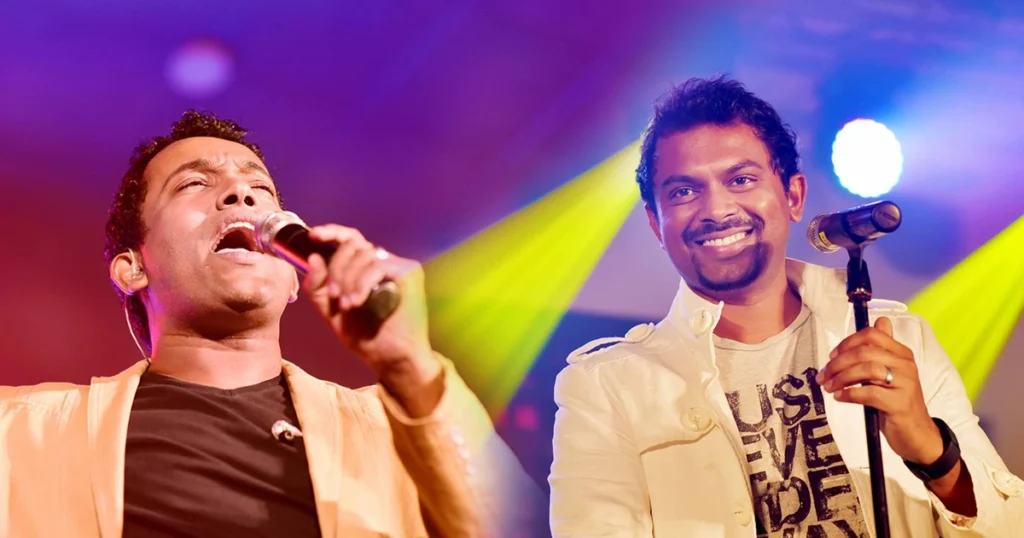
From the late 1990s onwards, the music scene entered a modern era with artists like Bathiya and Santhush (BnS). They achieved international recognition, performed globally, and became the first Sri Lankan artists to sign with an international record label (Sony MBG). Their music blends Sinhala, Tamil, and English elements, reflecting a modern Sri Lankan identity.
From the early 2000s onwards, Sri Lankan music entered a period of rapid transformation, driven by technology, global exposure, and a new generation of artists willing to experiment beyond traditional boundaries. During this time, the industry began moving away from purely classical and radio-driven formats toward more commercial and youth-oriented sounds.
In the early 2000s, artists like Bathiya and Santhush played a major role in shaping modern Sri Lankan music. They introduced a fusion of Sinhala, Tamil, and English lyrics with R&B, hip-hop, and pop influences, creating a sound that appealed to both local and international audiences. Their success, including collaborations and international recognition, opened the door for Sri Lankan music to move beyond the island.
At the same time, musicians such as Rookantha Gunathilake and Sunil Edirisinghe continued to maintain the depth of melody and lyrical quality, ensuring that modernisation did not erase the emotional and cultural richness of Sinhala music.
As internet access expanded in the late 2000s and early 2010s, platforms like YouTube began to change how music was distributed. Artists no longer depended entirely on television or radio. Independent creators could release songs directly to audiences, leading to the rise of new voices across the country.
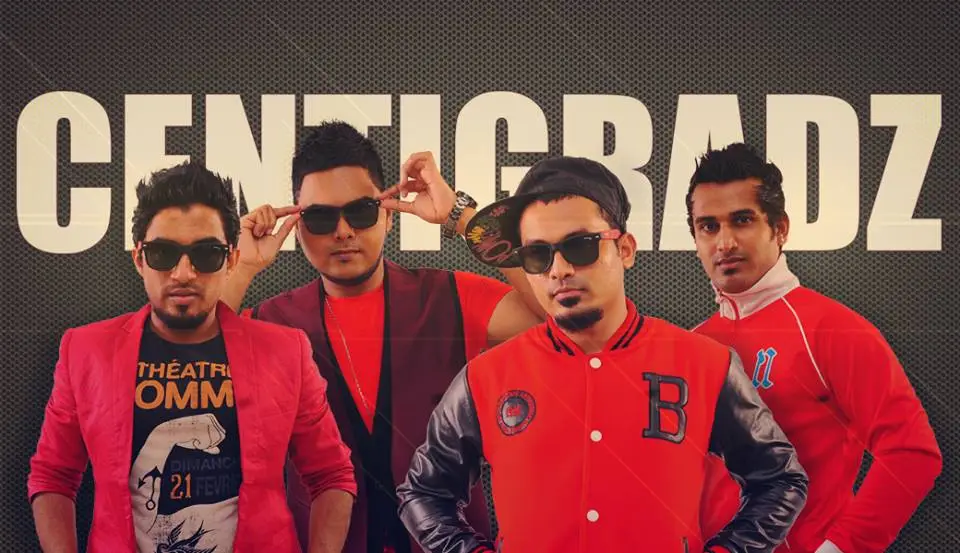
By the 2010s, Sri Lankan music had clearly diversified into multiple genres including pop, hip-hop, rap, reggae, and electronic music. Artists such as Iraj Weeraratne helped popularise Sinhala rap and urban music, while others experimented with reggae and fusion styles. Music videos also became more important, with higher production quality and storytelling elements aimed at digital audiences.
Streaming platforms like Spotify further transformed the industry in the late 2010s and early 2020s. Sri Lankan artists were now able to reach global listeners instantly, and diaspora audiences began playing a bigger role in supporting local music. At the same time, social media platforms such as TikTok reshaped music trends, where short clips and viral challenges could turn songs into overnight hits.
From 2020 onwards, especially after the global shift toward digital consumption, independent artists became even more influential. Home studios, affordable production tools, and social media marketing allowed musicians to produce and distribute music without large record labels. Genres like EDM, lo-fi, drill, and Afro-inspired beats started blending with traditional Sri Lankan rhythms, creating a unique fusion sound.
By 2026, Sri Lankan music stands as a dynamic mix of tradition and innovation. While modern genres such as pop, hip-hop, rap, EDM, and fusion dominate the youth scene, many artists continue to incorporate classical instruments like the geta bera and rabana into their productions. This balance has allowed Sri Lankan music to remain culturally rooted while evolving with global trends, making it more accessible and appealing to international audiences than ever before.
Sri Lanka’s traditional music is strongly rhythm-based, with a wide range of percussion instruments forming the foundation of its sound. The classical Sinhalese orchestra is mainly divided into drums, metal percussion, and wind instruments.
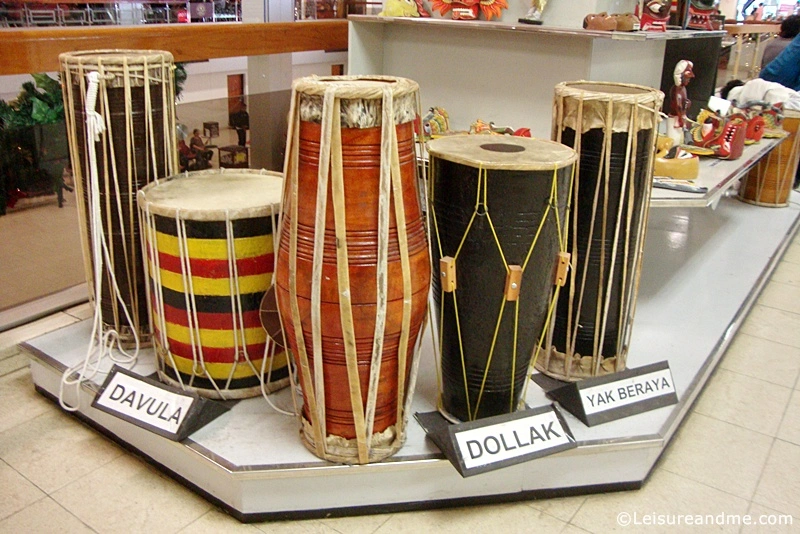
Sri Lanka has several important drums, each associated with different regions and dance styles:
The Rabana is particularly unique. It is made using animal skin stretched over a wooden frame, and the pitch is adjusted by heating the skin using coconut shell charcoal. It produces a deep, resonant sound that is central to many traditional performances.
Sri Lanka’s traditional music is strongly rhythm-based, with a wide range of percussion instruments forming the foundation of its sound. The classical Sinhalese orchestra is mainly divided into drums, metal percussion, and wind instruments.
Metal instruments add rhythm and texture to Sri Lankan music:
These instruments are commonly used alongside drums to create layered rhythmic patterns.
Sri Lanka has a limited number of traditional wind instruments, but they play an important ceremonial role:
The Horanava is especially significant. It has been used since ancient times and is played during religious ceremonies and cultural events. Unlike Western instruments, its structure is carefully designed with precise spacing of holes to produce distinct tones.
In 2026, Sri Lankan music continues to thrive as a balance between tradition and innovation. Cultural performances still use classical instruments and rhythms, especially in festivals, temples, and ceremonies.
At the same time, modern artists are experimenting with fusion music, blending traditional drums like the geta bera with electronic beats and global genres. This has created a unique Sri Lankan sound that appeals to both local and international audiences.
Live performances, concerts, and cultural shows are popular across the island, especially in cities like Colombo and Kandy. Tourists can experience authentic Sri Lankan music through cultural shows, village experiences, and festivals.
What is it?
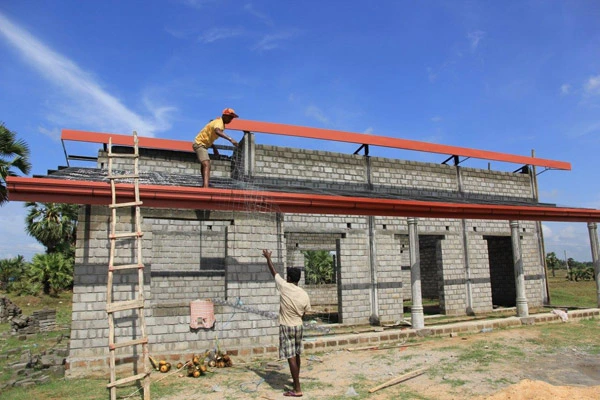
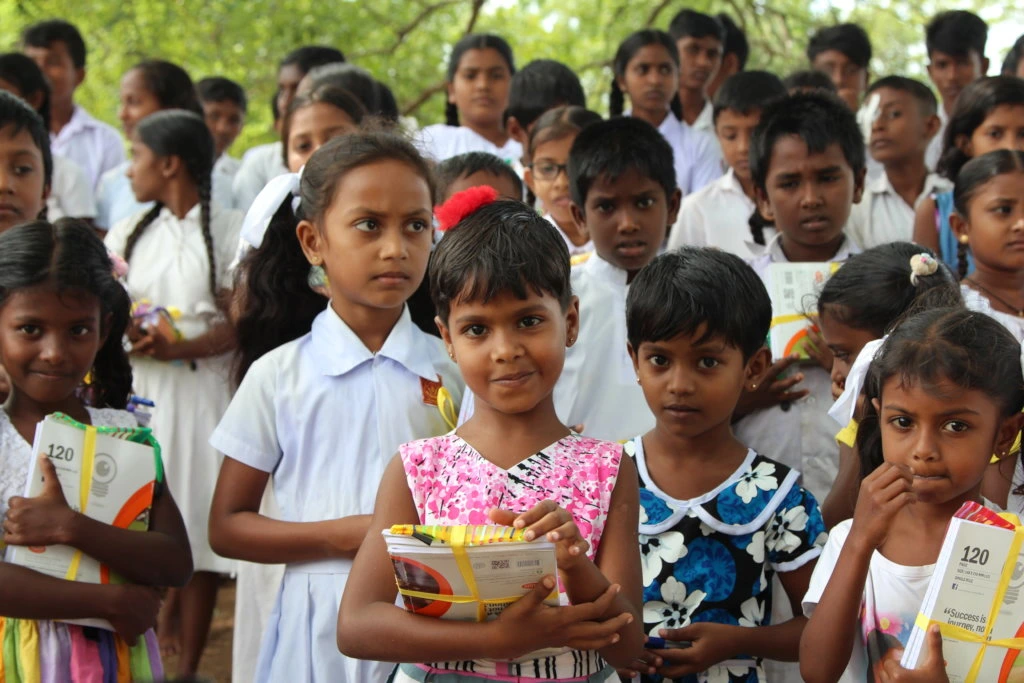
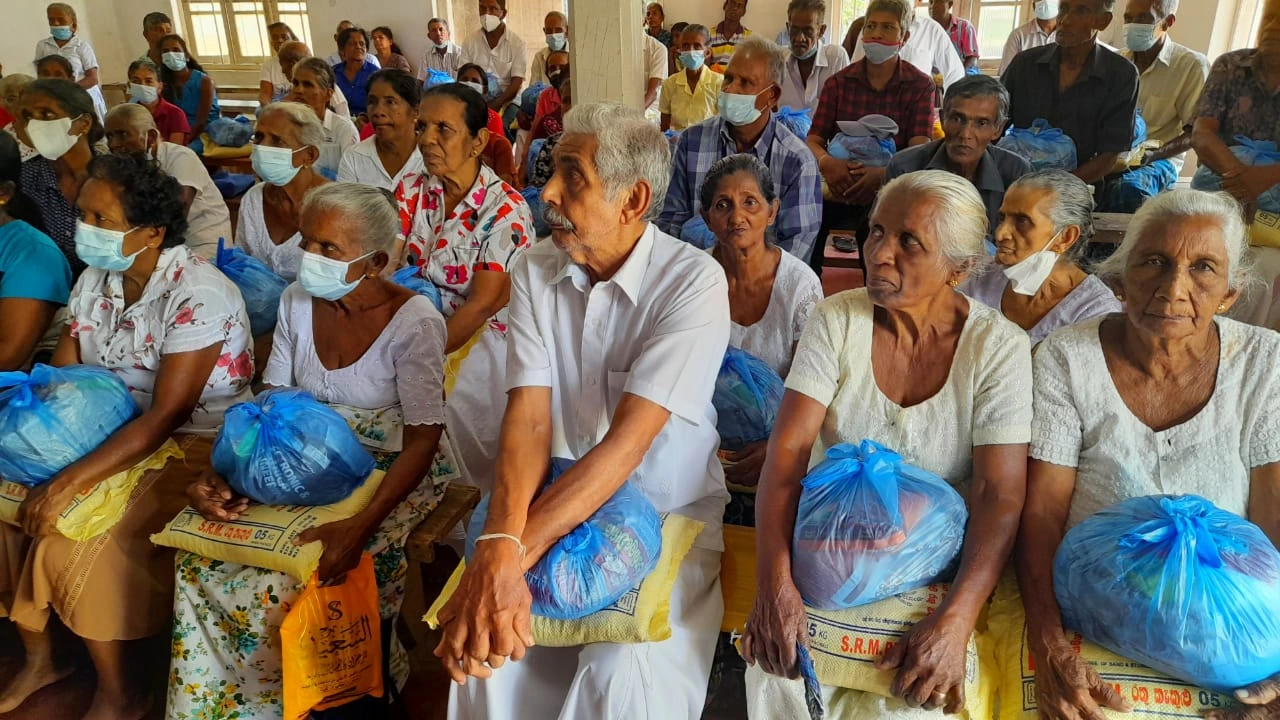
Google Ranked #1, the Heartfelt Expedition is a unique tour that invites tourists to personally engage in charitable events from the perspective of a local donor. Participants will be involved in school initiatives, elderly adoption, and community assistance throughout Sri Lanka.
Discover authentic culture and make a difference by helping local communities.