At SL VOYO, Sri Lanka’s first travel platform, we help travellers discover Sri Lanka through experiences that go beyond basic sightseeing. Whether you are joining our tours or planning your own journey, this is your friendly guide to exploring the island in a simple and meaningful way.
Sri Lanka’s social structure has been shaped by centuries of migration, religion, occupation, and cultural exchange. One of the most complex and often misunderstood aspects of this structure is the caste system among both the Sinhalese and Tamil communities. While caste once played a significant role in organizing society, its influence has gradually changed over time, especially in modern Sri Lanka.
The Sinhala caste system developed as a composite structure, influenced by early settlers, South Indian interactions, and later European colonial impacts. Unlike rigid caste hierarchies seen elsewhere, the Sinhala system evolved more through occupation, social function, and service roles rather than strict religious enforcement.
Historically, different caste groups were associated with specific duties such as farming, fishing, drumming, craftsmanship, and temple services. These roles helped organise society and ensured that essential services were maintained within communities.
Over time, migrations from South India introduced additional caste concepts, and rulers sometimes brought families from India to strengthen administrative or social systems. As a result, caste identities became more structured, especially in certain regions like the coastal areas, where European colonial influence also reshaped social hierarchies.
However, a key difference in the Sinhala caste system is its relationship with Buddhism. Unlike Hindu caste traditions, Buddhism does not formally support caste divisions. Because of this, Sinhala caste identities were often interpreted through moral and social narratives rather than strict religious laws. Some traditional stories even explained caste status in terms of virtue or actions, rather than birth alone.
Sri Lanka mainly developed two parallel caste systems—Sinhala and Tamil—but in Sinhala society, caste became closely tied to family structure, social organization, and economic roles. Marriage within caste groups helped preserve these identities, although this practice has weakened significantly in modern times.
Importantly, there has historically been less rigid exclusion compared to other caste systems. For example, Buddhist temples were generally open to all, regardless of caste, and public institutions such as schools and services did not enforce caste-based segregation.
By the mid 20th century, researchers identified more than twenty Sinhala caste groups, including communities such as Goyigama (agricultural), Karava (fishing), Durava (toddy tapping), Salagama (cinnamon peeling), and Navandanna (craftsmen). Each was linked to traditional occupations, forming a structured yet flexible social system.
The Tamil caste system in Sri Lanka is more closely connected to South Indian Hindu traditions, where caste has historically had a stronger religious and social foundation.
In Tamil society, caste divisions were traditionally tied to both religion and occupation, with temples playing a central role in maintaining social structure. In regions like Jaffna, caste systems were highly organised, and different groups had clearly defined roles within society.
The Vellalar caste was traditionally considered the highest and most dominant group, particularly in agricultural leadership and land ownership. Below them were various other castes such as:
Each caste had a specific role in maintaining the social and economic system, and these roles were often passed down through generations.
In Tamil society, caste distinctions were more rigid historically, influencing areas such as:
Certain castes were restricted from entering homes or temples of higher castes, and social mobility was limited.
During the British colonial period, caste divisions were further recorded and, in some cases, formalised through administrative systems. There were even regulations related to caste classifications and labour structures, especially in the early 19th century.
Key Differences Between Sinhala & Tamil Caste Systems
While both systems existed in Sri Lanka, they developed differently:
These differences shaped how caste influenced daily life, social mobility, and community interactions in each group.
By the 21st century, the influence of caste in Sri Lanka has significantly declined, especially in urban areas. Education, economic development, migration, and modern laws have all contributed to reducing caste-based distinctions.
Today:
However, in some rural communities, caste can still subtly influence:
Even so, these influences are much weaker than in the past.
What is it?
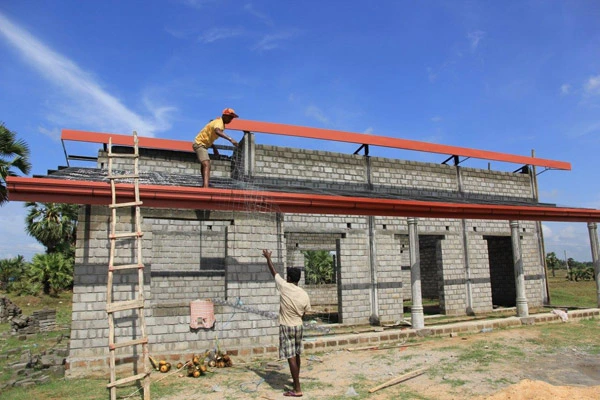
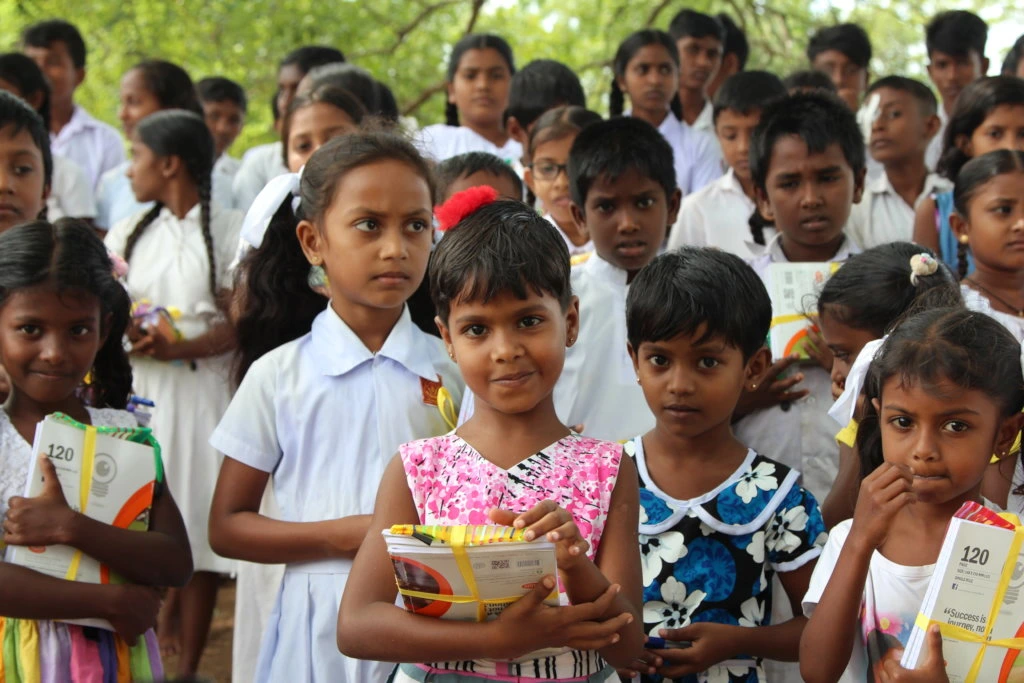
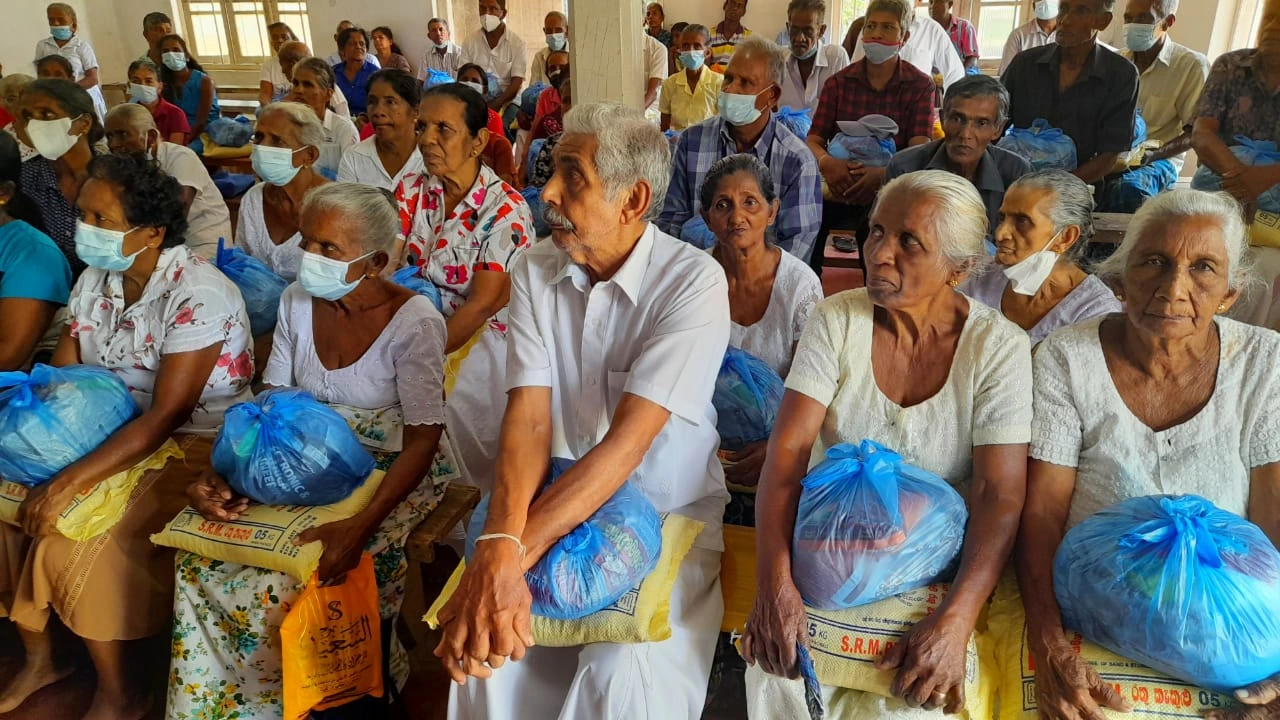
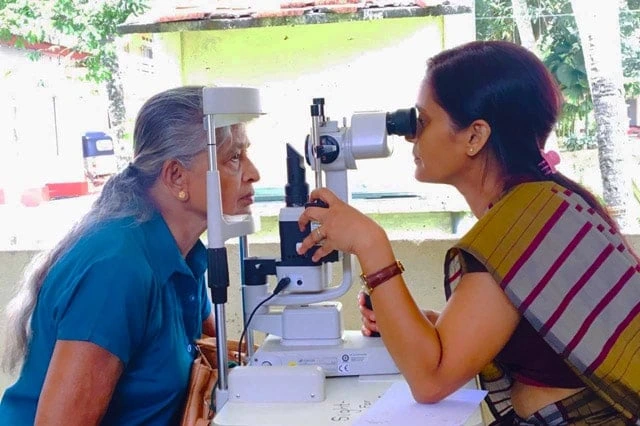
Google Ranked #1, the Heartfelt Expedition is a unique tour that invites tourists to personally engage in charitable events from the perspective of a local donor. Participants will be involved in school initiatives, elderly adoption, and community assistance throughout Sri Lanka.
Discover authentic culture and make a difference by helping local communities.