At SL VOYO, Sri Lanka’s first travel platform, we help travellers go beyond basic sightseeing and experience the island in a more meaningful way. Whether you are joining our tours or planning your own adventure, here is our friendly guide to the folk songs of Sri Lanka – a timeless musical tradition born from village life, nature, work, and human connection.
The Voice of Rural Sri Lanka
For centuries, folk songs have played an important role in the daily lives of Sri Lankan communities. Long before modern entertainment, music became a way for people to express emotions, share stories, and find comfort during difficult moments.
Across villages and farming communities, songs echoed through paddy fields, forests, riversides, and quiet rural pathways. These melodies were deeply connected to work, nature, and tradition.
Unlike formal music performed on grand stages, folk songs belonged to ordinary people and reflected the rhythms of everyday life.
Songs Beneath the Night Sky
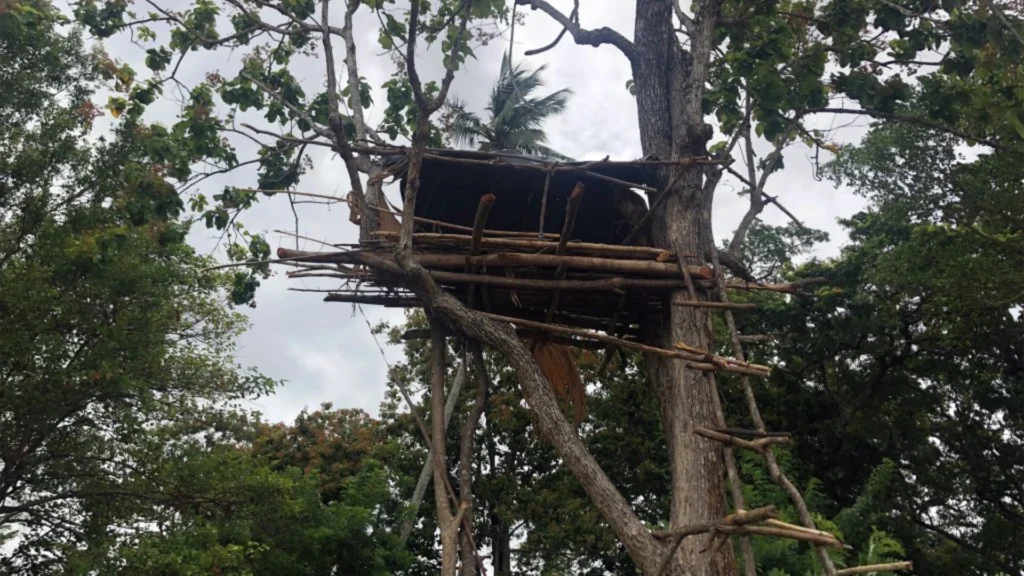
One of the most memorable scenes in Sri Lankan village life was the farmer sitting inside a treehouse at night, guarding crops from wild animals. Surrounded by darkness and silence, the lonely watch often became easier through song.
As one guard sang into the night, another distant voice would sometimes answer from across the fields. These musical exchanges created moments of comfort, companionship, and shared understanding between strangers separated by darkness.
The songs carried through the cool night air, blending with the sounds of insects, wind, and rustling trees.
Music Connected to Work and Daily Life
Sri Lankan folk songs were never simply entertainment. They often helped people perform repetitive tasks by creating rhythm and coordination during farming, harvesting, rowing, or village work.
Songs also preserved memories, wisdom, humour, and cultural traditions passed down orally from generation to generation. Many of these melodies carried stories about love, hardship, nature, religion, and community life.
Even today, folk music continues to reveal the emotional and cultural richness of rural Sri Lanka.
Oral Traditions Passed Through Generations
Before written literature became widely accessible, folk songs acted as a powerful form of storytelling. Elders taught younger generations through memory, repetition, and performance rather than books or formal education.
Because of this oral tradition, many songs evolved naturally over time. Different villages often developed their own styles, melodies, and lyrical variations influenced by local customs and lifestyles.
These songs became living pieces of cultural heritage preserved through human connection.
The Emotional Beauty of Folk Music
Sri Lankan folk songs often carry deep emotional meaning. Some express loneliness, hope, love, sorrow, or spiritual reflection, while others celebrate festivals, harvests, and joyful village gatherings.
Simple melodies combined with heartfelt words create music that feels honest and deeply human. Even without modern instruments or technology, folk songs possess a raw emotional beauty that continues to resonate with listeners today.
They remind us that music has always been part of how people survive, connect, and heal.
Preserving Sri Lanka’s Musical Heritage
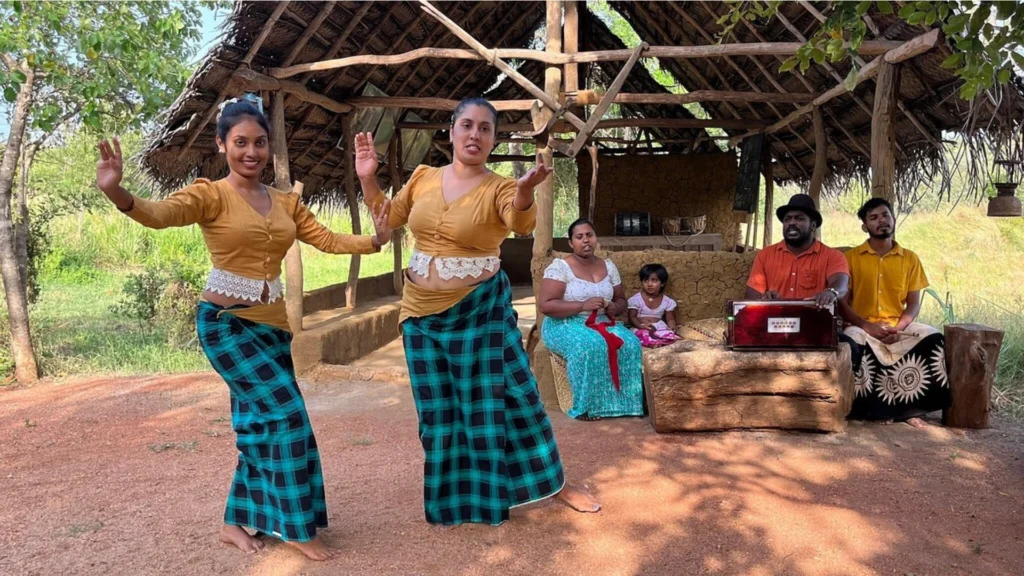
As modern lifestyles continue to change rural traditions, preserving Sri Lanka’s folk music has become increasingly important. Cultural performances, educational programmes, and village celebrations now help keep these ancient musical traditions alive.
For travellers exploring Sri Lanka beyond its beaches and cities, folk music offers a meaningful glimpse into the soul of village life and traditional culture.
Listening to these songs is like hearing the voices of generations carried gently through time.
Table of Contents
Tours you might like
We care about our people. That’s why we offer Heartfelt Expedition
What is it?
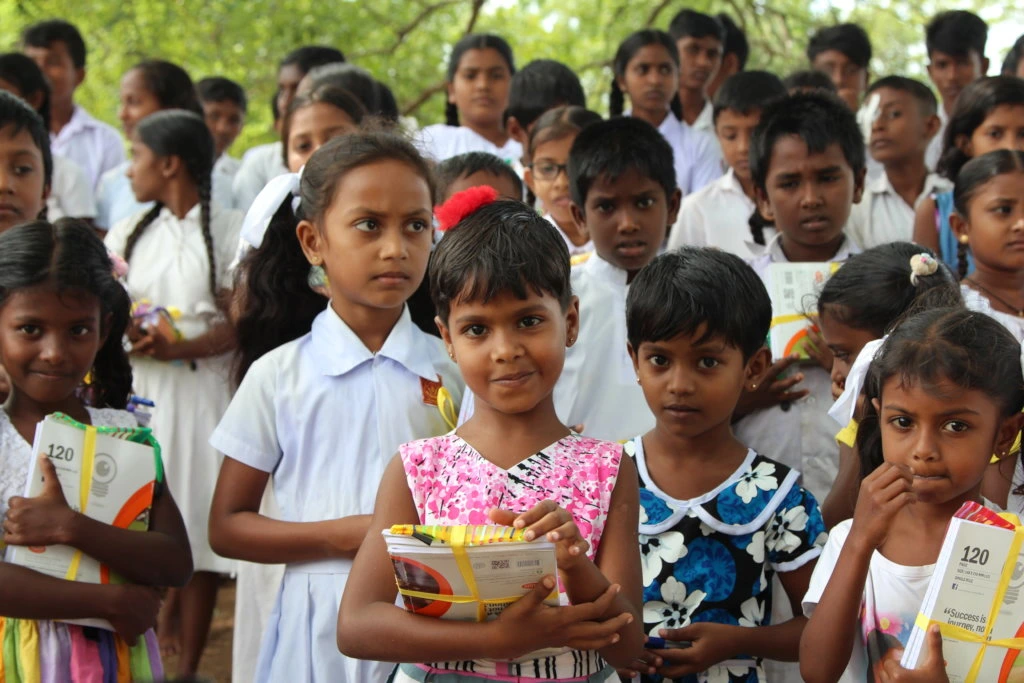
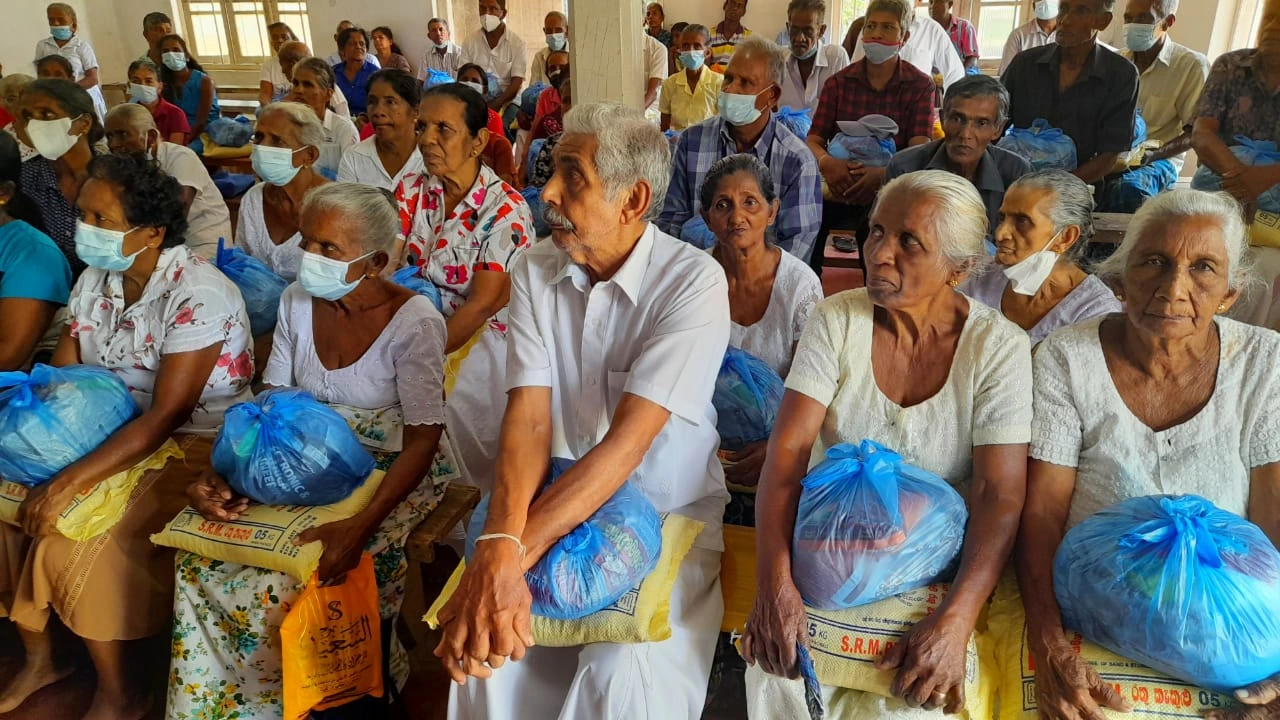
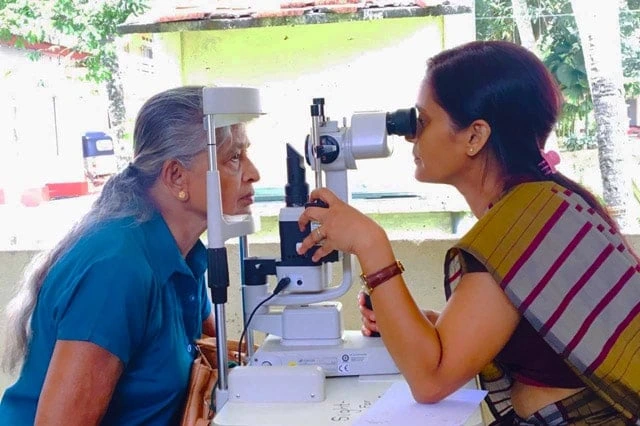
Google Ranked #1, the Heartfelt Expedition is a unique tour that invites tourists to personally engage in charitable events from the perspective of a local donor. Participants will be involved in school initiatives, elderly adoption, and community assistance throughout Sri Lanka.
Discover authentic culture and make a difference by helping local communities.