At SL VOYO, Sri Lanka’s first travel platform, we help travellers go beyond basic sightseeing and experience the island in a more meaningful way. Whether you are joining our tours or planning your own adventure, here is our friendly guide to discovering Sri Lanka’s traditional food heritage through the world of Ala.
Discovering Sri Lanka’s Traditional Tubers
Sri Lanka’s culinary traditions are deeply connected to nature and locally grown ingredients. Among the island’s oldest and most nutritious foods are the many varieties of yams and tubers known locally as Ala.
For generations, these humble root vegetables have been a staple in village households, valued for their rich nutrition, earthy flavours, and ability to grow naturally in Sri Lanka’s tropical climate.
A Forgotten Part of Sri Lankan Food Culture
Long before modern food trends emerged, Sri Lankan communities relied on native yams as an essential source of nourishment. Many varieties grew wild in forests, home gardens, and rural farmlands, becoming an important part of daily meals.
Today, although some traditional varieties are becoming less common, they still remain an important symbol of Sri Lanka’s indigenous culinary heritage and rural lifestyle.
The Many Varieties of Ala
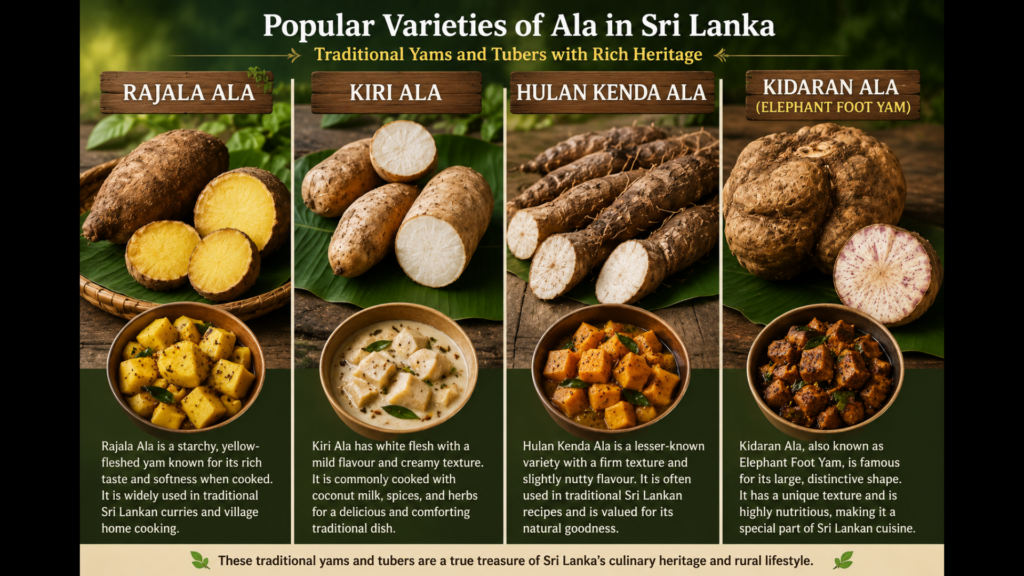
Sri Lanka is home to several unique types of edible tubers and yams. Some grow as climbing vines, while others grow as herbaceous plants beneath the soil. Each variety has its own texture, flavour, and cultural significance.
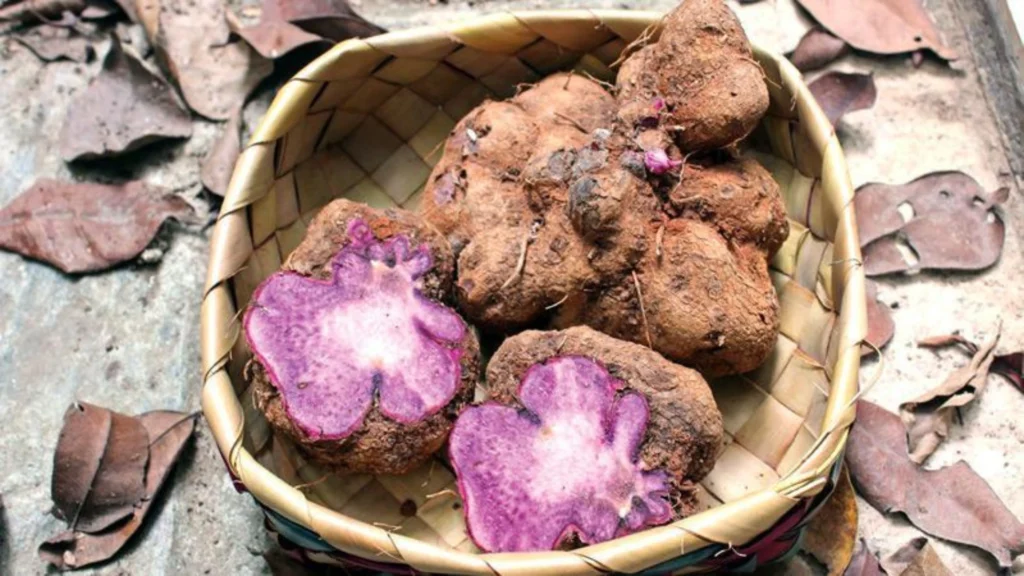
Popular varieties include Rajala Ala, Kiri Ala, Hulan Kenda Ala, and the fascinating Kidaran Ala, also known as the Elephant Foot Yam because of its distinctive shape. These traditional crops are still cultivated in parts of rural Sri Lanka and continue to be used in authentic local cooking.
Nutritious and Naturally Delicious
Sri Lankan yams are not only filling but also highly nutritious. Rich in fibre, vitamins, and natural carbohydrates, they have supported generations of Sri Lankan families with sustainable nourishment.
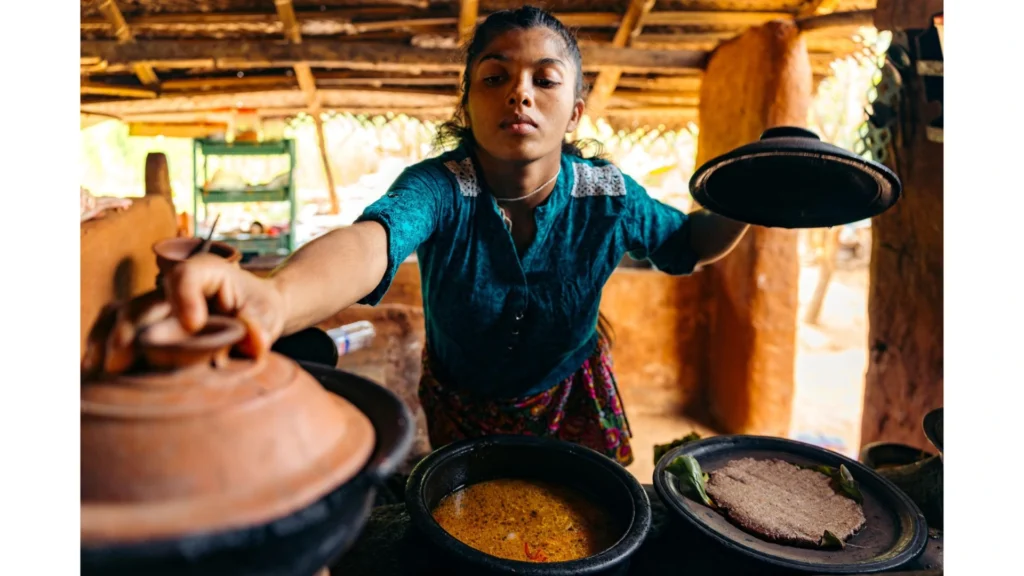
Many traditional dishes prepared with Ala are simple yet comforting, often cooked with coconut milk, spices, curry leaves, and local herbs that enhance their earthy flavour.
A Glimpse into Rural Sri Lankan Life
Exploring Sri Lanka’s traditional food culture offers travellers a unique opportunity to connect with village life and agricultural traditions. In many rural communities, these crops are still harvested by hand and sold in local markets alongside other fresh produce.
For visitors, tasting traditional yam-based dishes becomes more than just a meal — it becomes a cultural experience rooted in the island’s history and connection to the land.
Preserving Sri Lanka’s Culinary Heritage
As modern lifestyles continue to evolve, many traditional foods risk being forgotten. Yet these native ingredients remain an important part of Sri Lanka’s identity, reminding us of simpler, healthier, and more sustainable ways of living.
By learning about local ingredients like Ala, travellers gain a deeper appreciation for Sri Lanka’s rich culinary diversity and long-standing food traditions.
Discover Sri Lanka’s Authentic Food Culture with SL VOYO
At SL VOYO, we believe the best travel experiences come through discovering local traditions, authentic flavours, and hidden cultural stories. Sri Lanka’s traditional yams and village food heritage offer a meaningful glimpse into the island’s everyday life and culinary roots.
Let SL VOYO guide you through Sri Lanka’s traditional flavours, rural experiences, and unforgettable local adventures.
Table of Contents
Tours you might like
We care about our people. That’s why we offer Heartfelt Expedition
What is it?
Google Ranked #1, the Heartfelt Expedition is a unique tour that invites tourists to personally engage in charitable events from the perspective of a local donor. Participants will be involved in school initiatives, elderly adoption, and community assistance throughout Sri Lanka.
Discover authentic culture and make a difference by helping local communities.