No one knows exactly where the Averrhoa bilimbi fruit, commonly called biling, originally came from. However, because of the fertile soil and warm climate of Sri Lanka, this fruit grows very well in the country. Its strong sour taste is loved by many people and is a special part of Sri Lankan food culture.
The sour taste of biling became popular among Sri Lankans because they enjoy foods made with spices and herbs that grow widely in the country. Because of its unique taste, biling has become an important ingredient in Sri Lankan cooking. Many home gardens in Sri Lanka grow biling trees because the fruit has many uses.
The Tree
The biling tree is a beautiful plant in nature. It has clusters of dark green leaves that grow on spreading branches. The tree usually does not grow very tall and reaches about 10 metres in height.
The tree grows best in sunny places. If it is planted in the shade and does not receive enough sunlight, it grows slowly. The biling tree also needs a warm and humid climate with regular rainfall throughout the year. Many areas in Sri Lanka provide these conditions, which helps the tree grow well as an evergreen plant.
The Fruit
The popularity of biling is not only because of the beauty of the tree but mainly because of its fruit. The tree produces fruit throughout the year.
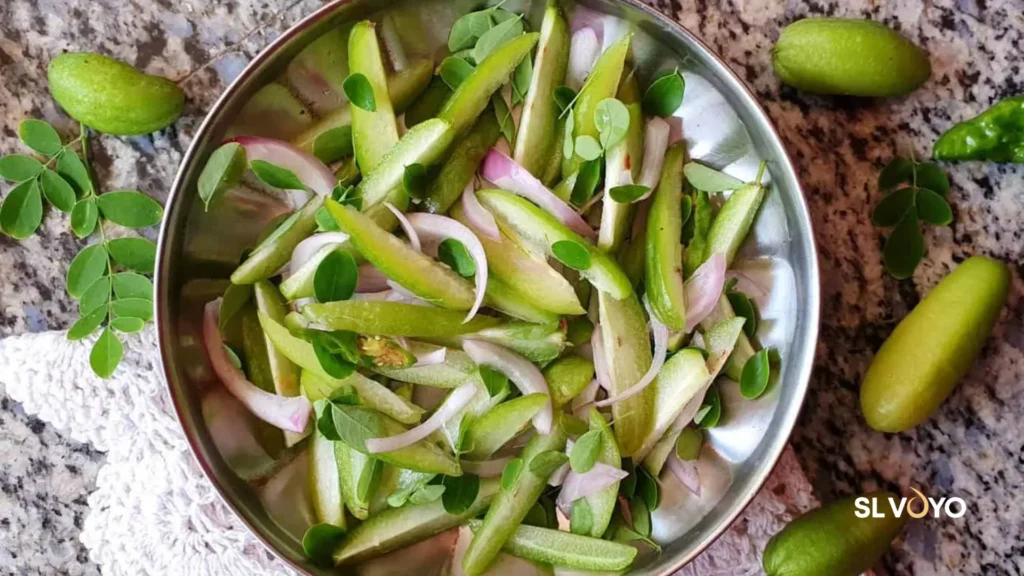
At first look, the fruit looks similar to a small cucumber. Even though it is small, it has a strong sour taste that many people enjoy.
Outer Look
The biling fruit is usually about 10 cm long. Even though it is small, it contains a strong sour flavour. When the fruit is fully ripe, the juice tastes very sour and sharp.
The fruit has a light lemon-green colour. Its skin is smooth and shiny, and the fruit is soft and easy to bite.
Biling Drink
Biling is not only used in food. Its juice can also be used to make a refreshing drink.
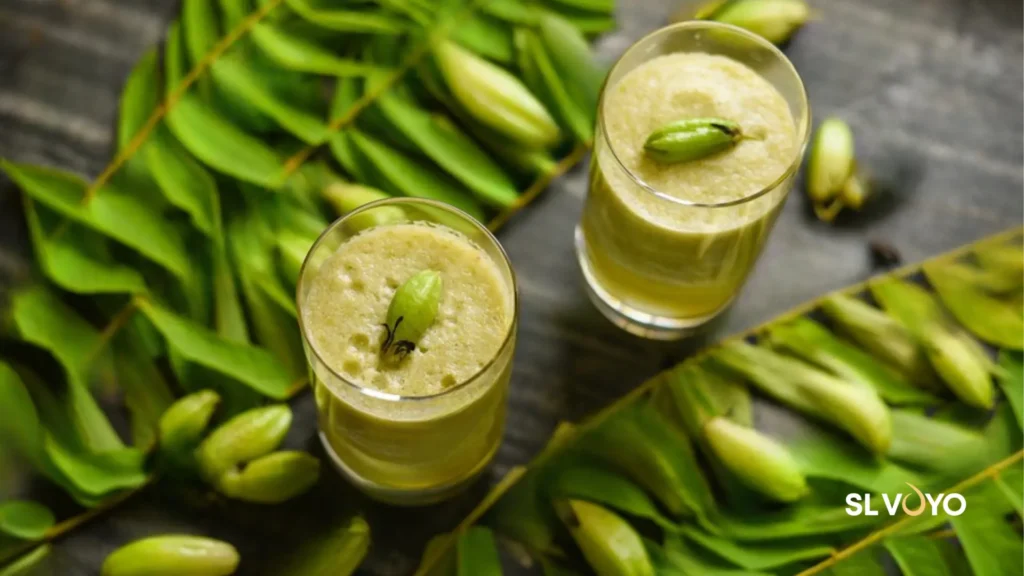
To make this drink, cut the fruit into small pieces and place them in a pot. Add enough water to cover the fruit and add some sugar. Cook the mixture on medium heat. After cooking, blend it with a few mint leaves.
Pour the juice into a jar, add a little soda, some ice, and more mint leaves. This makes a refreshing drink that helps you cool down during hot afternoons.
The Taste
The raw fruit has a very sour taste, which some people may find too strong. However, many Sri Lankans enjoy both sweet and sour flavours.
Some people eat fresh biling directly from the tree. Sometimes they add a little salt before eating it. Over time, people also discovered many other traditional uses for this fruit.
Biling in Foods
Biling is commonly used in Sri Lankan curries. It is sometimes used instead of tamarind to give a sour taste to food.
Although its flavour is not exactly the same as tamarind, it gives a unique sour taste. Because biling trees grow in many home gardens and produce fruit throughout the year, people often use biling when tamarind is not available.
Biling Jam
Biling can also be used to make jam. The jam has a taste that is similar to mango jam or ambarella jam, but it is slightly more sour.
To make biling jam, cut the fruit after removing the stalks and soak it in water for about two hours. Then squeeze out the water and place the fruit in a cooking pan. Add about one pound of sugar for every pound of fruit and a little water. Boil the mixture until it becomes thick.
Many Users
Biling can also be cooked as a curry by itself. It is also used to make jam, chutney, and preserves.
Another popular method is pickling. To make pickled biling, half-ripe fruits are first salted, then dried in the sun, and finally preserved in salt water.
Because of its many uses and strong flavour, biling remains an important fruit in Sri Lankan cooking.
What is it?
Google Ranked #1, the Heartfelt Expedition is a unique tour that invites tourists to personally engage in charitable events from the perspective of a local donor. Participants will be involved in school initiatives, elderly adoption, and community assistance throughout Sri Lanka.
Discover authentic culture and make a difference by helping local communities.