At SL VOYO, Sri Lanka’s first travel platform, we help travellers discover Sri Lanka through experiences that go beyond basic sightseeing. Whether you are joining our tours or planning your own journey, this is your friendly guide to exploring the island in a simple and meaningful way.
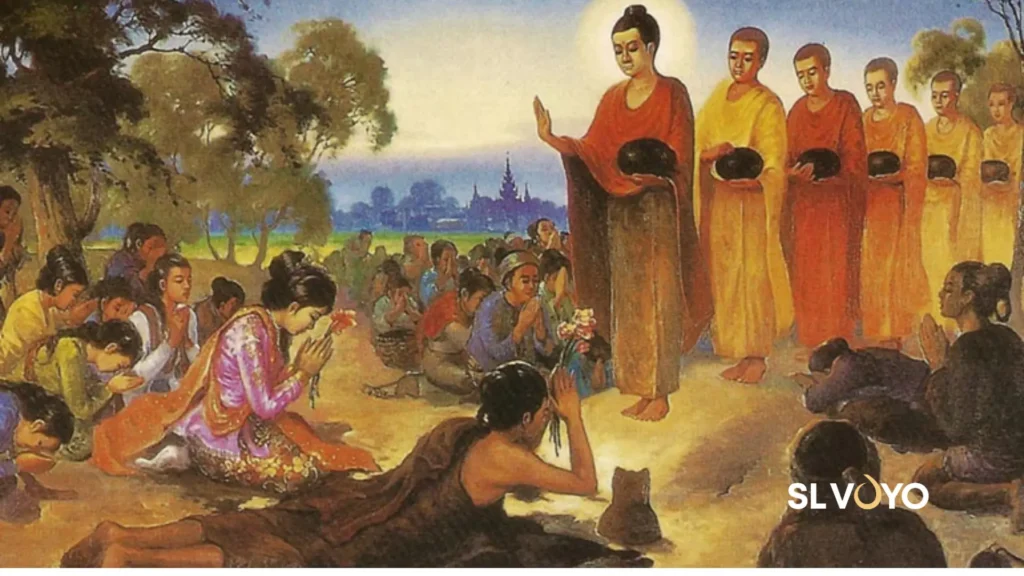
Buddhism begins with Siddhartha Gautama, known as the Buddha, who lived in North India in the 6th century BC. Although he grew up surrounded by comfort and luxury, he became deeply affected by the reality of human suffering. Determined to find a solution, he renounced his privileged life at the age of 29 and became an ascetic.
For six years, he travelled across the Ganges valley, learning from different teachers and exploring various spiritual practices. Unsatisfied with existing methods, he chose his own path. At the age of 35, meditating under a Bodhi tree, he attained Enlightenment and became known as the Buddha—“the Enlightened One.”
He delivered his first sermon at Sarnath and spent the next 45 years teaching people from all walks of life, without any distinction of caste or social status. His teachings were open to anyone willing to understand and follow them. At the age of 80, he passed away in India.
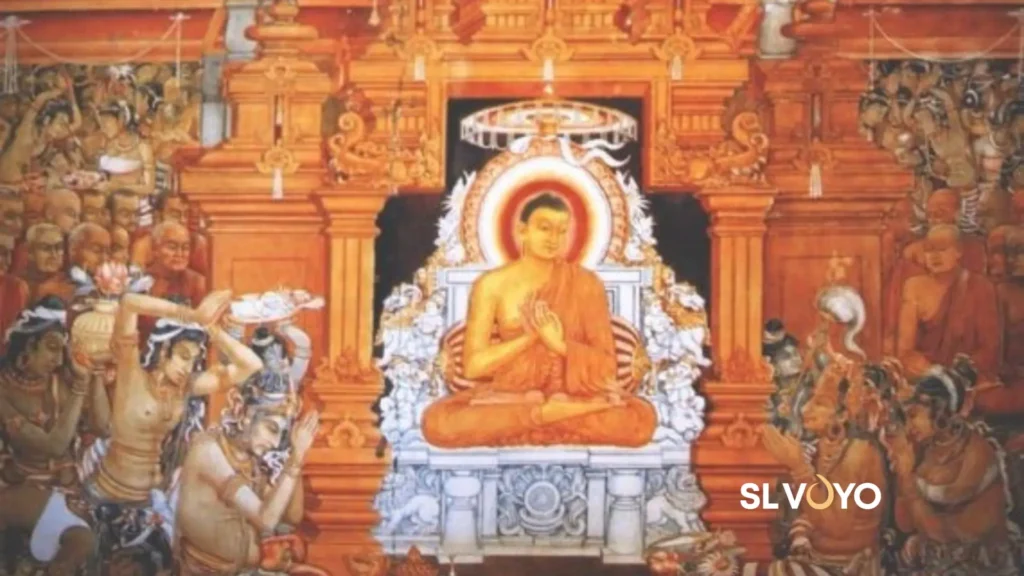
Buddhism begins with Siddhartha Gautama, known as the Buddha, who lived in North India in the 6th century BC. Although he grew up surrounded by comfort and luxury, he became deeply affected by the reality of human suffering. Determined to find a solution, he renounced his privileged life at the age of 29 and became an ascetic.
For six years, he travelled across the Ganges valley, learning from different teachers and exploring various spiritual practices. Unsatisfied with existing methods, he chose his own path. At the age of 35, meditating under a Bodhi tree, he attained Enlightenment and became known as the Buddha—“the Enlightened One.”
He delivered his first sermon at Sarnath and spent the next 45 years teaching people from all walks of life, without any distinction of caste or social status. His teachings were open to anyone willing to understand and follow them. At the age of 80, he passed away in India.
Buddhism in Sri Lanka is often described not simply as a religion, but as a philosophy or way of life.
At its core is the idea that life is governed by natural law (Dharma), and that suffering is a universal reality. The teachings are built on fundamental truths:
Buddhism rejects the idea of a permanent soul or ego, emphasizing that both the self and the world are constantly changing. Liberation is achieved not through divine intervention, but through self-discipline, knowledge, and awareness.
While the philosophical teachings are profound, everyday Buddhism in Sri Lanka includes a rich layer of rituals, ceremonies, and cultural practices.
These rituals help bridge the gap between complex teachings and daily life. Although Theravada Buddhism does not emphasize gods, Sri Lankan practice has incorporated elements such as:
These are not central to the doctrine but exist as part of cultural expression and emotional support in people’s lives.
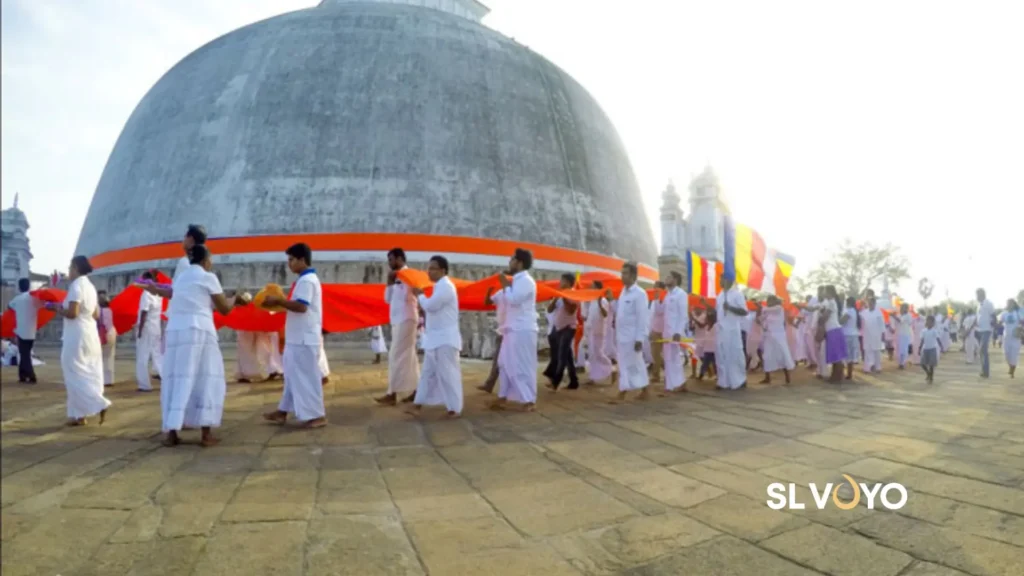
Buddhist ceremonies and rituals in Sri Lanka form an essential bridge between deep philosophical teachings and everyday life. While the core doctrine focuses on personal enlightenment through understanding and discipline, rituals make these ideas accessible to ordinary people.
They are not seen as replacements for the Buddha’s teachings, but as supportive practices that help individuals cultivate merit, maintain mindfulness, and find emotional comfort. Many of these rituals have evolved over centuries, blending early Buddhist traditions with local customs, resulting in a uniquely Sri Lankan expression of Buddhism. As a result, ceremonies are not only religious acts but also social experiences that bring families and communities together.
In practice, Buddhist rituals in Sri Lanka are generally performed with three main purposes: to gain merit for a better future existence, to seek protection from illness or unseen forces, and to restore balance in times of difficulty. These ceremonies can range from simple daily offerings at home shrines to large communal events at temples involving monks, chanting, and traditional music.
Importantly, they also reflect the integration of cultural beliefs such as deities, astrology, and spirit traditions, even though these are not central to Buddhist doctrine. This combination creates a living tradition where spirituality, culture, and community life are closely connected, making rituals a powerful and visible part of Sri Lankan society.
Ritualistic worship in Sri Lanka is a simple yet meaningful expression of devotion practiced both at home and in temples. Many Buddhists maintain a small shrine where they offer flowers, light oil lamps, and burn incense as acts of respect to the Buddha. These offerings are symbolic—flowers represent impermanence, lamps represent wisdom, and incense reflects purity of mind. While these rituals may appear outwardly simple, they are intended to cultivate mindfulness, gratitude, and inner calm in daily life.
Beyond individual practice, ritualistic worship also takes place at temples, especially on important days like poya. Devotees participate in Buddha-puja ceremonies, make offerings, and listen to sermons, often alongside family and community members. These shared practices strengthen social bonds and reinforce spiritual values, allowing people to connect not only with the teachings of Buddhism but also with each other in a collective atmosphere of reflection and devotion.
Poya days are central to Buddhist life in Sri Lanka. Based on the lunar calendar, each full moon marks an important religious observance and is a public holiday.
On these days, devotees visit temples, observe precepts, meditate, and engage in religious activities.
Important poya days include:
Each month carries spiritual significance, making the Buddhist calendar deeply integrated into Sri Lankan life.
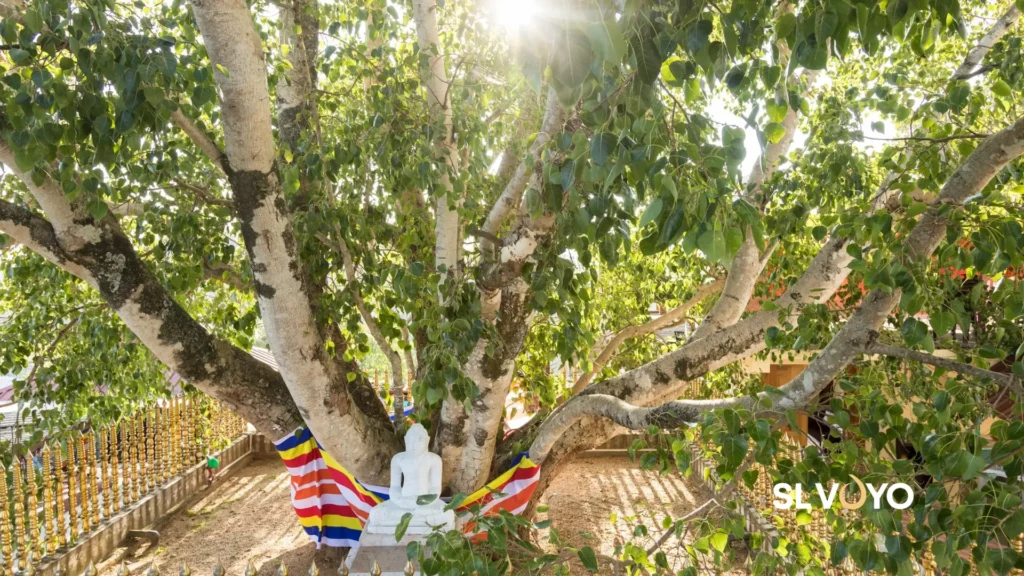
Bodhi-puja is one of the most deeply rooted and widely practiced rituals in Sri Lankan Buddhism, centred around the veneration of the sacred Bodhi tree. This tradition connects directly to the moment of the Buddha’s Enlightenment, which took place under a Bodhi tree, making it a powerful symbol of wisdom and spiritual awakening. In Sri Lanka, the most revered example is the Sri Maha Bodhi in Anuradhapura, believed to be grown from a sapling of the original tree brought to the island in ancient times. Worship of trees itself existed even before Buddhism, but with its introduction, the practice evolved into a central religious ritual with deep meaning.
During a Bodhi-puja, devotees offer flowers, light oil lamps, pour water at the roots, and recite prayers or pirith chanting. These rituals are often performed to seek blessings, overcome difficulties, or express gratitude. It is also common for people to perform Bodhi-puja during challenging periods in life, such as illness or personal struggles, sometimes guided by astrological advice. Beyond its spiritual purpose, the ritual creates a peaceful environment for reflection and hope, making it not just an act of worship, but a personal and emotional connection to faith.
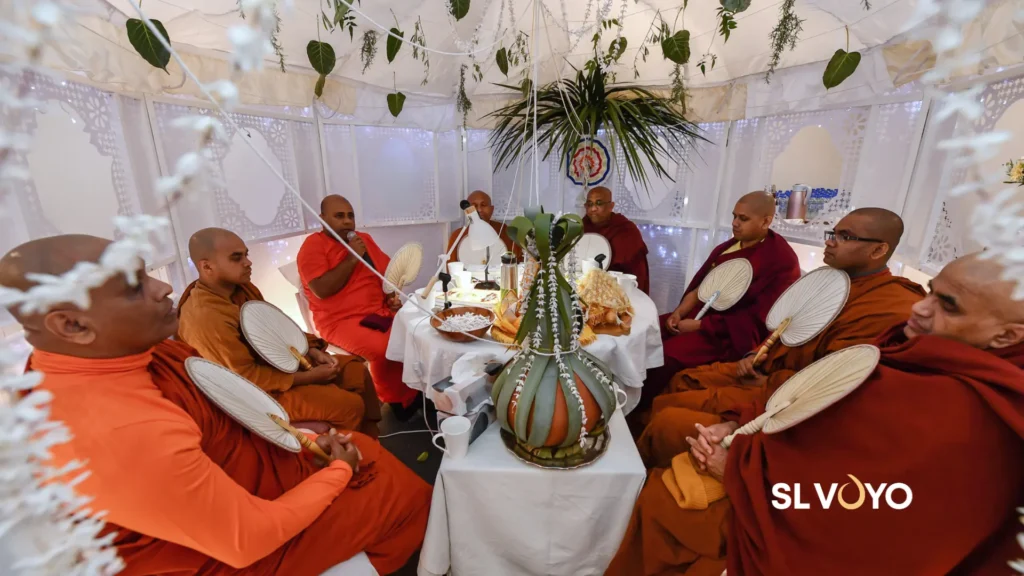
Pirith chanting is one of the most widely practiced and respected protective rituals in Sri Lankan Buddhism. It involves the ceremonial recitation of sacred Buddhist texts (pirith) by monks, which are believed to bring blessings, protection, and peace. These chants are not seen as magical spells, but as powerful expressions of truth and harmony that can positively influence the mind and environment. Traditionally, pirith is performed to ward off illness, misfortune, and unseen negative forces, making it an important ritual during times of uncertainty or difficulty.
The ceremony often includes symbolic elements such as a pot of water (pirith pan) and a sacred thread (pirith nula), both of which are blessed through chanting. These are later used for protection,water may be sprinkled around a home, and the thread is tied around the wrist. Pirith ceremonies can range from short sessions to all-night chanting events held in specially prepared spaces. They are commonly conducted during housewarmings, new beginnings, or when seeking spiritual protection, reinforcing both individual faith and a sense of communal support.
Buddhist funeral rituals in Sri Lanka are centred on the teaching of impermanence (anicca), reminding people that life is temporary and constantly changing. Rather than focusing only on grief, these rituals aim to support both the living and the departed through acts of merit. When a person passes away, monks are invited to chant and perform religious observances, creating a calm and respectful environment. The emphasis is on generating merit and transferring it to the deceased, helping their journey in the cycle of rebirth.
Several key rituals take place during and after the funeral. One of the most important is the water-pouring ceremony (pan wakkirima), symbolising the sharing of merit with the departed. Offerings such as food (dana) are given to monks, and the pamsukula ceremony involves offering cloth to monks in memory of the deceased. Memorial almsgivings are also held on specific days after death, such as the 7th day or 3-month mark. These practices not only honour the person who has passed away but also provide comfort and spiritual strength to family members, reinforcing the Buddhist understanding of life, death, and continuity.
Although Buddhism in its original form does not focus on gods, Sri Lankan practice includes deva worship as part of its cultural expression. Many Buddhists believe that certain deities act as protectors who can assist with worldly matters such as health, safety, and success. These deities are respected but not considered equal to the Buddha, who is seen as the ultimate guide to liberation. Shrines dedicated to gods like Vishnu, Kataragama, Saman, and Vibhishana can often be found within or near Buddhist temples, showing how these beliefs coexist within daily religious life.
Deva worship is often connected to personal needs and practical concerns. People may visit these shrines to make vows, offer fruits or flowers, and seek blessings during important moments such as exams, travel, or difficult life situations. Alongside this, cultural beliefs such as astrology, auspicious times, and protection from negative influences are also widely practiced. While these elements are not central to Buddhist philosophy, they form an important part of how Buddhism is lived and experienced in Sri Lanka, blending spiritual teachings with cultural tradition.
Superstitions and astrology play a significant role in everyday life in Sri Lanka, often existing alongside Buddhist beliefs. Many people consult astrologers to determine auspicious times (nekath) for important events such as weddings, business openings, travel, and even house construction. Horoscopes are commonly prepared at birth and are used throughout life to guide major decisions. These practices are based on the belief that planetary positions can influence human life, bringing both opportunities and challenges.
In addition to astrology, various superstitions are still observed, especially in rural areas. Beliefs such as the “evil eye,” omens, and signs are taken seriously by some communities. While these are not part of core Buddhist teachings, they are deeply embedded in cultural traditions and provide people with a sense of guidance and reassurance. Together, astrology and superstition reflect how Sri Lankans blend ancient beliefs with daily life.
Healing rituals, commonly known as Thovil, are traditional ceremonies performed to remove negative spiritual influences and restore balance to a person’s life. These rituals combine elements of Buddhism, folk beliefs, and Hindu traditions, creating a unique cultural practice. Thovil ceremonies are often conducted when someone is believed to be affected by illness, misfortune, or unseen forces, especially when modern medicine alone is not seen as sufficient.
These rituals are highly dramatic and symbolic, involving masked dancers, drumming, chanting, and storytelling. Performers take on the roles of different spirits or demons, and through the performance, they aim to identify and drive away the cause of the disturbance. Thovil is not just about healing—it is also a form of cultural expression that reflects Sri Lanka’s deep-rooted traditions. Even today, these ceremonies continue to be practiced in certain communities, showing how ancient beliefs remain part of the island’s living heritage.
At SL VOYO, we don’t just share information,we actively connect travellers with meaningful spiritual experiences across Sri Lanka. We are proud to be one of the leading providers of pilgrimage tours in Sri Lanka, helping both locals and visitors explore sacred destinations with comfort and understanding.
The tour link is below – https://slvoyo.com/local-tours/
One of our most popular journeys is the Colombo to Kataragama One Day Pilgrimage Tour, a carefully designed experience that allows travellers to visit one of the island’s most powerful spiritual sites in a single day. This journey reflects our commitment to creating heartfelt expeditions, combining devotion, culture, and seamless travel.
You will find our pilgrimage experiences featured across our platform, making it easier for you to not just read about Sri Lanka, but truly experience it.
What is it?
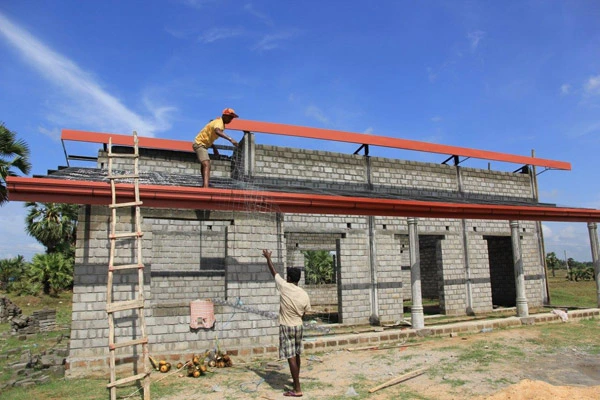
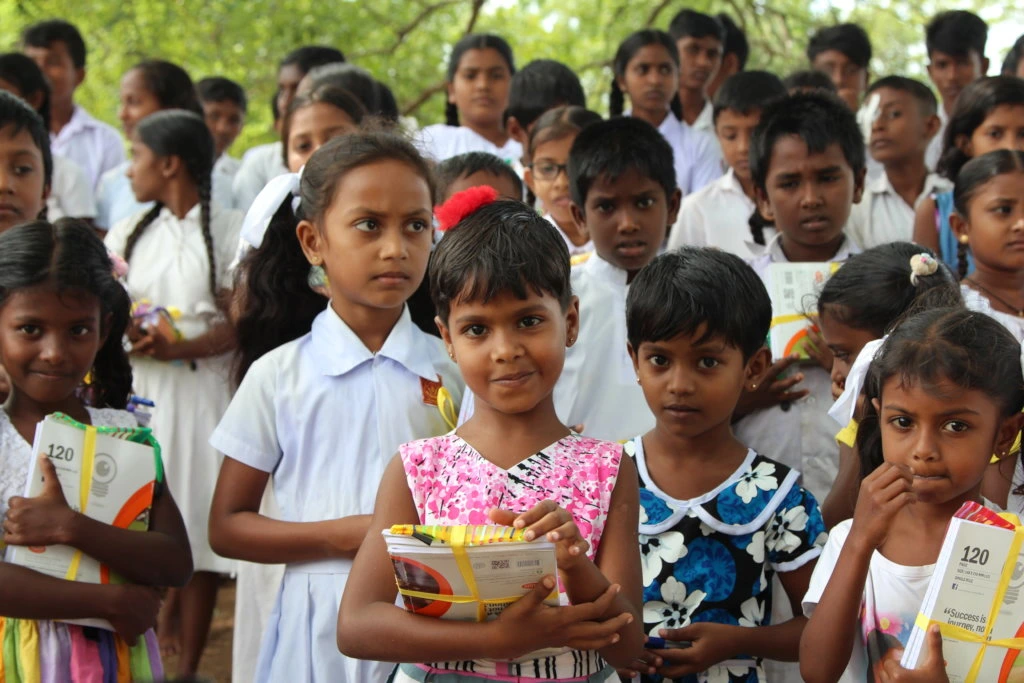
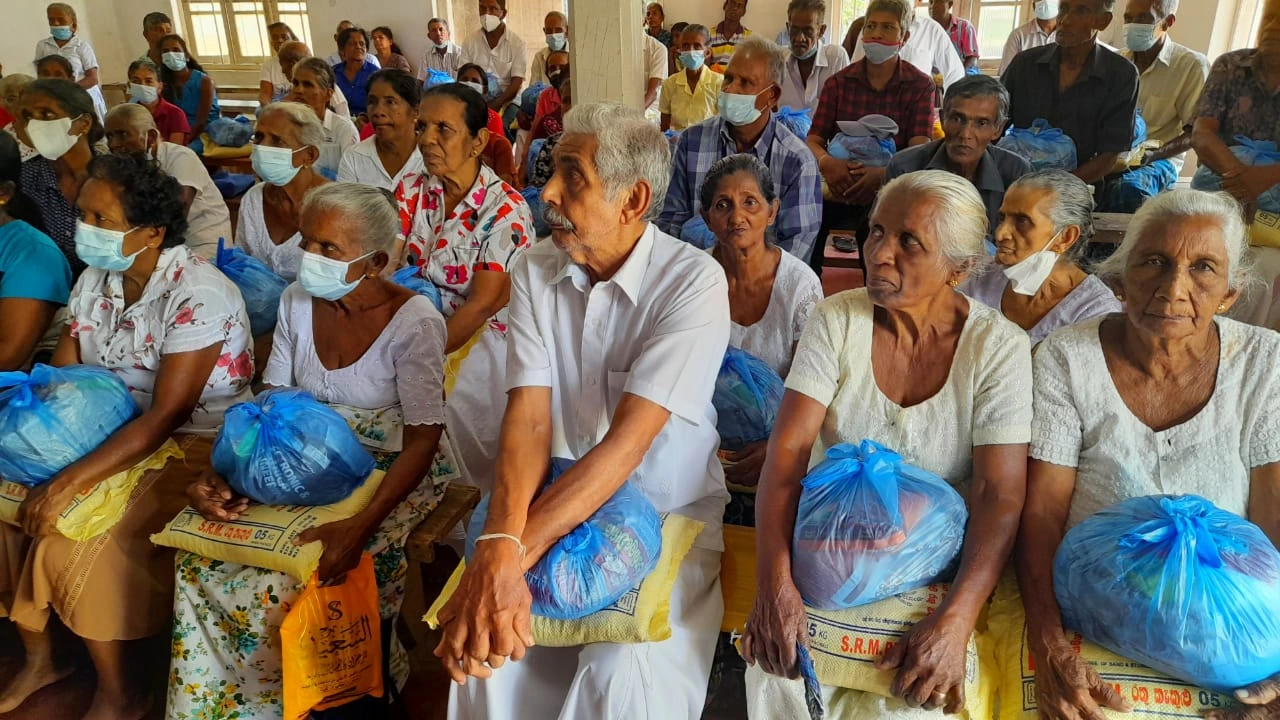
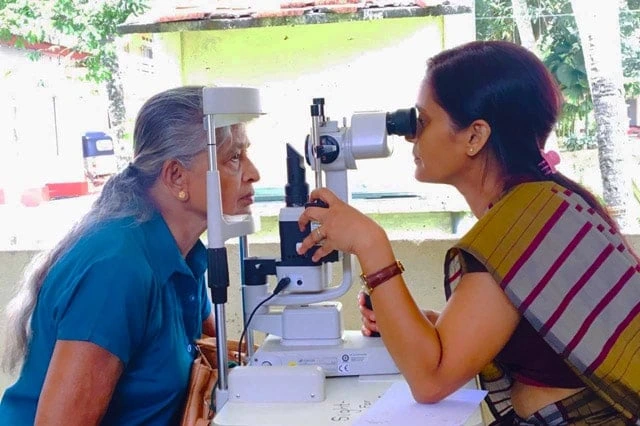
Google Ranked #1, the Heartfelt Expedition is a unique tour that invites tourists to personally engage in charitable events from the perspective of a local donor. Participants will be involved in school initiatives, elderly adoption, and community assistance throughout Sri Lanka.
Discover authentic culture and make a difference by helping local communities.