At SL VOYO, Sri Lanka’s first travel platform, we help travellers discover Sri Lanka through experiences that go beyond basic sightseeing. Whether you are joining our tours or planning your own journey, this is your friendly guide to exploring the island in a simple and meaningful way.
Climate of Sri Lanka: Temperature & Rainfall
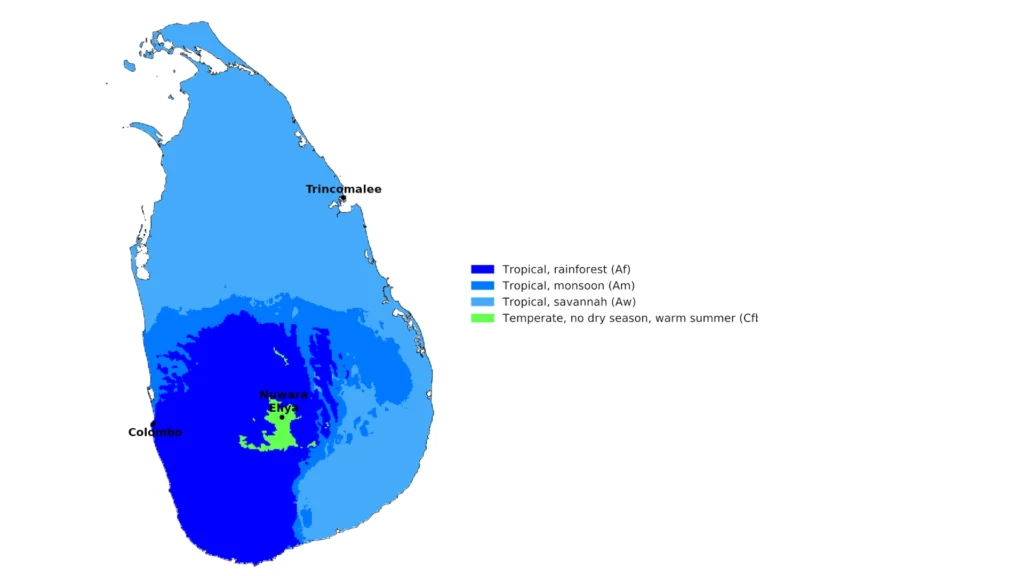
Sri Lanka has a tropical climate because it is located close to the equator. This means the island is generally warm throughout the year. However, geography plays a big role in creating different weather patterns.
Even though the country is small, you can experience both warm coastal weather and cool mountain climates. This makes Sri Lanka unique and enjoyable for travellers in all seasons.
Temperature in Sri Lanka
Sri Lanka’s temperature stays fairly stable throughout the year. In most lowland and coastal areas, the average temperature is around 27°C. The weather is usually warm and humid.
The hottest months are April and May, while January is usually the coolest month. However, the temperature does not change drastically compared to many other countries.
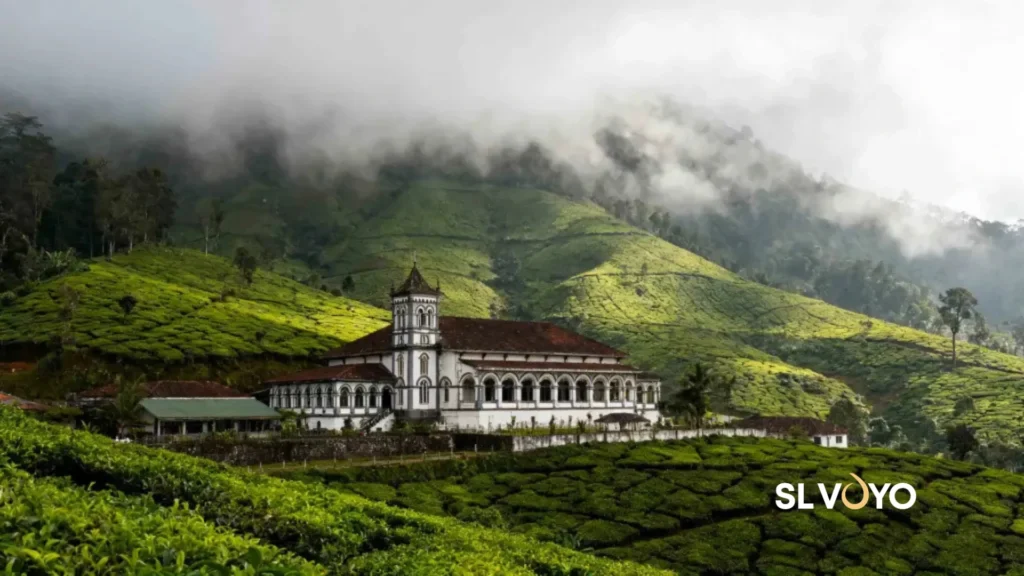
In the central highlands, temperatures drop as the altitude increases. Places like Nuwara Eliya can have average temperatures around 16°C. This is why these areas feel much cooler than the rest of the island.
Equatorial Climate and Regional Differences
Sri Lanka’s location near the equator gives it a tropical climate with consistent sunlight and warmth. Days and nights have almost equal length throughout the year.
However, the central mountains create clear differences in climate. The highlands are cool and misty, while coastal areas remain hot and sunny. This creates a mix of climate zones within a small area.
Travellers can enjoy cool weather in the hills and warm beach weather on the same trip. This is one of the reasons Sri Lanka is popular all year round.
Rainfall in Sri Lanka
Rainfall in Sri Lanka is mainly influenced by monsoons. The island receives rain from seasonal winds that affect different regions at different times of the year. This creates a clear pattern of wet and dry zones.
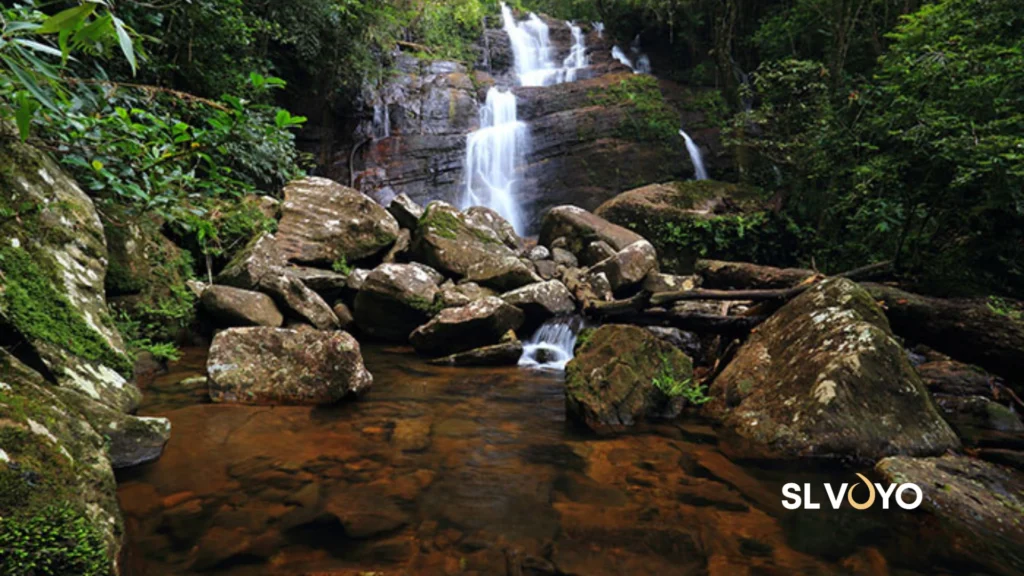
The south-western part of Sri Lanka receives the highest rainfall. Places like Kitulgala and Sinharaja are known for heavy rain and lush green forests. These areas are rich in biodiversity and natural beauty.
In contrast, the north and south-east regions receive less rainfall and are generally dry. This difference makes each part of the island unique in terms of landscape and travel experience.
Sri Lanka also offers some unique travel experiences during the rainy season.
At SL VOYO, we offer two of the best rainfall tours in Sri Lanka, including the Kanneliya Rainforest Tour and the Sinharaja Rainforest Tour. These tours allow travellers to experience waterfalls, dense forests, and wildlife at their best.
We care about our people. That’s why we offer Heartfelt Expedition
What is it?
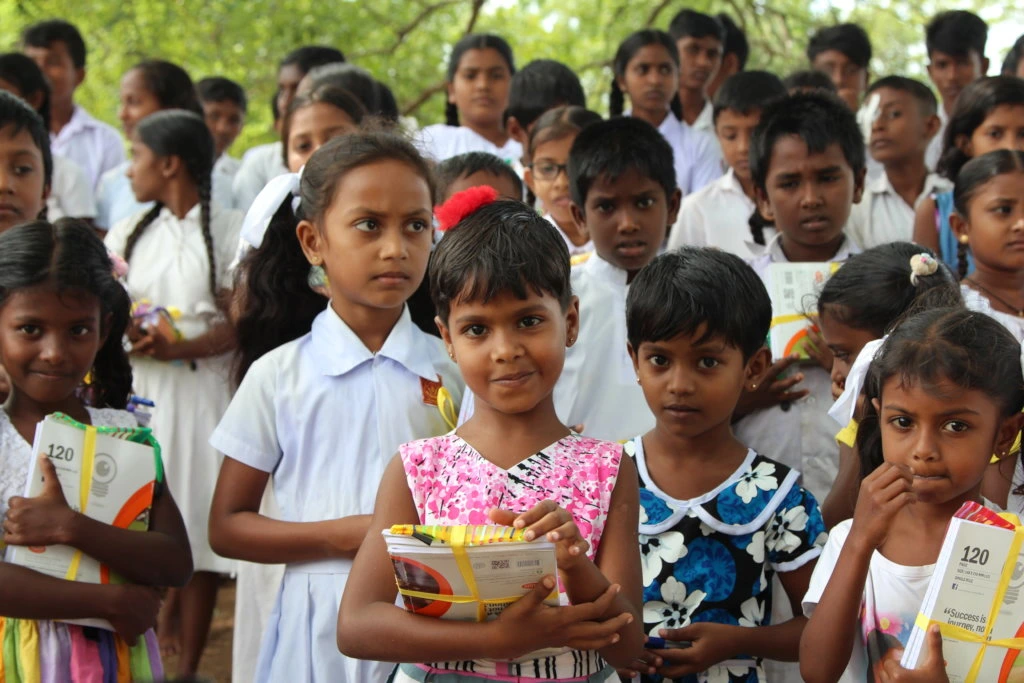
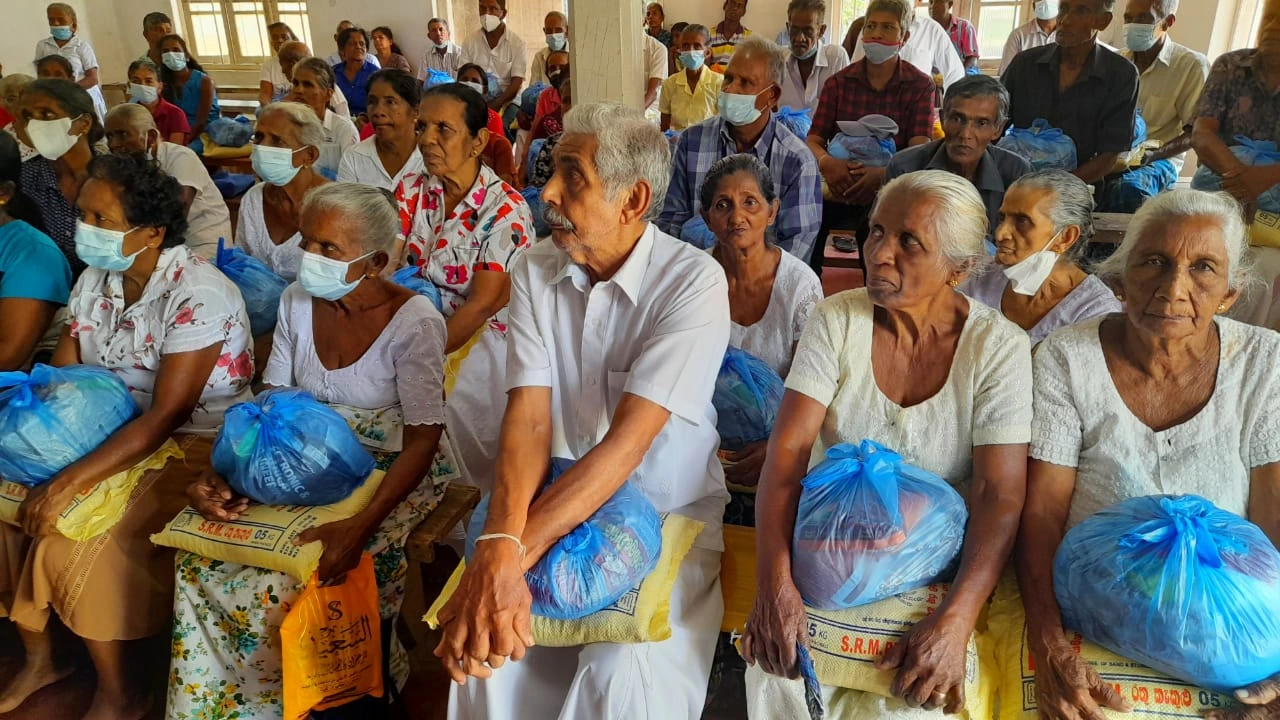
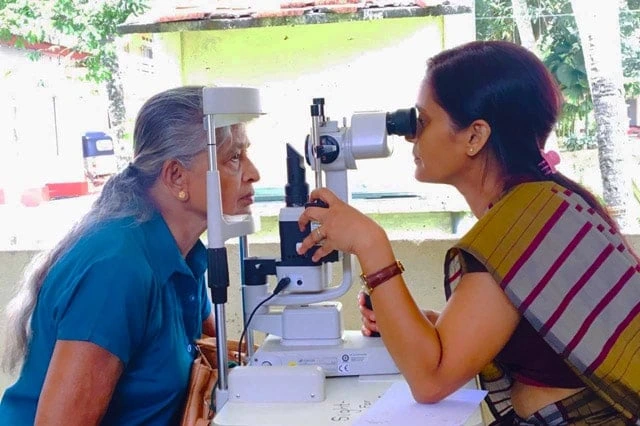
Google Ranked #1, the Heartfelt Expedition is a unique tour that invites tourists to personally engage in charitable events from the perspective of a local donor. Participants will be involved in school initiatives, elderly adoption, and community assistance throughout Sri Lanka.
Discover authentic culture and make a difference by helping local communities.