Eaters in Paradise – Sri Lanka’s Love Affair with Chillies
Table of Contents
At SL VOYO, Sri Lanka’s first travel platform, we help travellers go beyond basic sightseeing and experience the island in a more meaningful way. Whether you are joining our tours or planning your own adventure, here is our friendly guide to Sri Lanka’s fiery chilli culture – where bold flavours, traditional cooking, and a passion for spice come together in every meal.
A Nation That Loves Spice
In Sri Lanka, chillies are far more than just an ingredient. They are an essential part of everyday life and one of the most powerful flavours in the island’s cuisine.
From village kitchens to city restaurants, spicy food remains deeply connected to Sri Lankan identity and culture. Whether fresh, dried, crushed, or ground into powder, chillies appear in countless traditional dishes enjoyed across the country.
Their intense heat and rich flavour help transform even the simplest meals into unforgettable culinary experiences.
The Arrival of Chillies in Sri Lanka
Although chillies feel inseparable from Sri Lankan cuisine today, they were introduced to the island centuries ago by Portuguese traders during the colonial era.
Before their arrival, black pepper was commonly used to add heat to local food. Chillies quickly became popular because they were easier to cultivate and offered stronger flavour and spice.
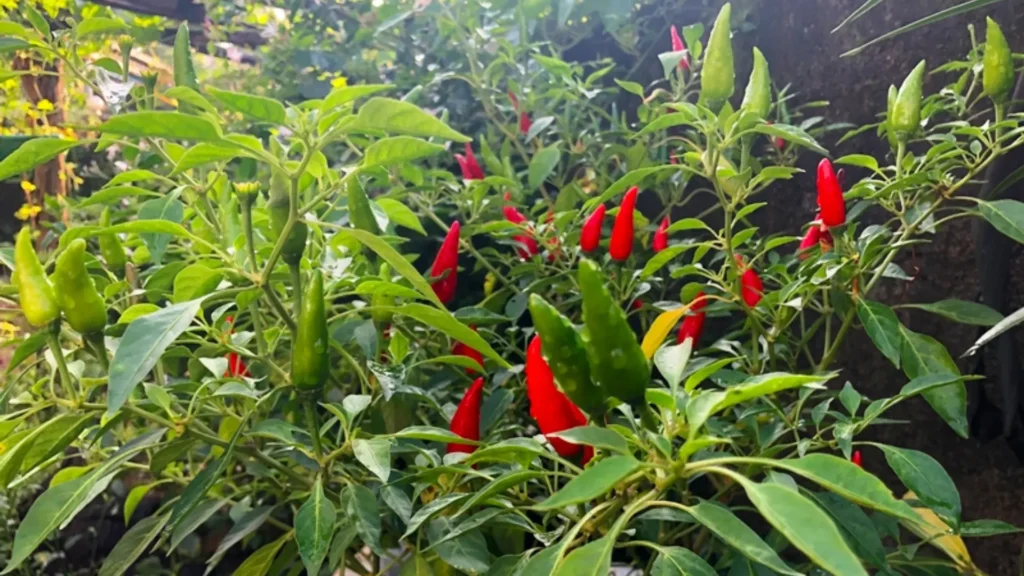
Over time, they spread across farms, home gardens, and markets, eventually becoming one of the defining ingredients of Sri Lankan cooking.
Small Chillies, Powerful Heat
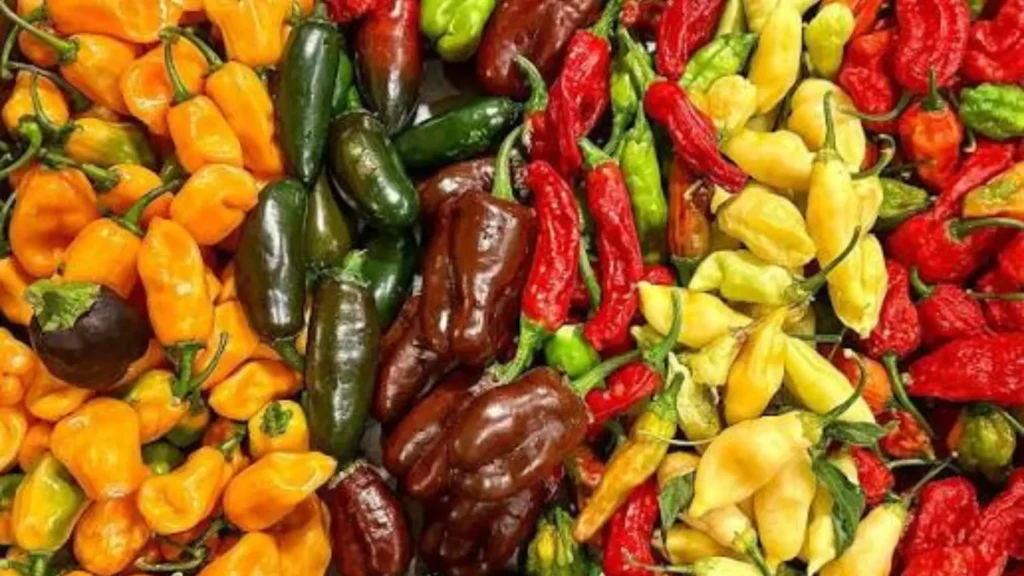
Sri Lanka is home to several varieties of chillies, each with its own level of heat, flavour, and culinary use. Among the most famous is the fiery kochchi chilli, known for its intense spiciness despite its small size.
Even a tiny amount can add powerful heat to curries, sambols, and spicy condiments. For many locals, spicy food is not simply about heat but about creating depth, balance, and excitement within a dish.
Visitors quickly discover that Sri Lankan cuisine proudly embraces bold flavours.
Chillies in Everyday Sri Lankan Cooking
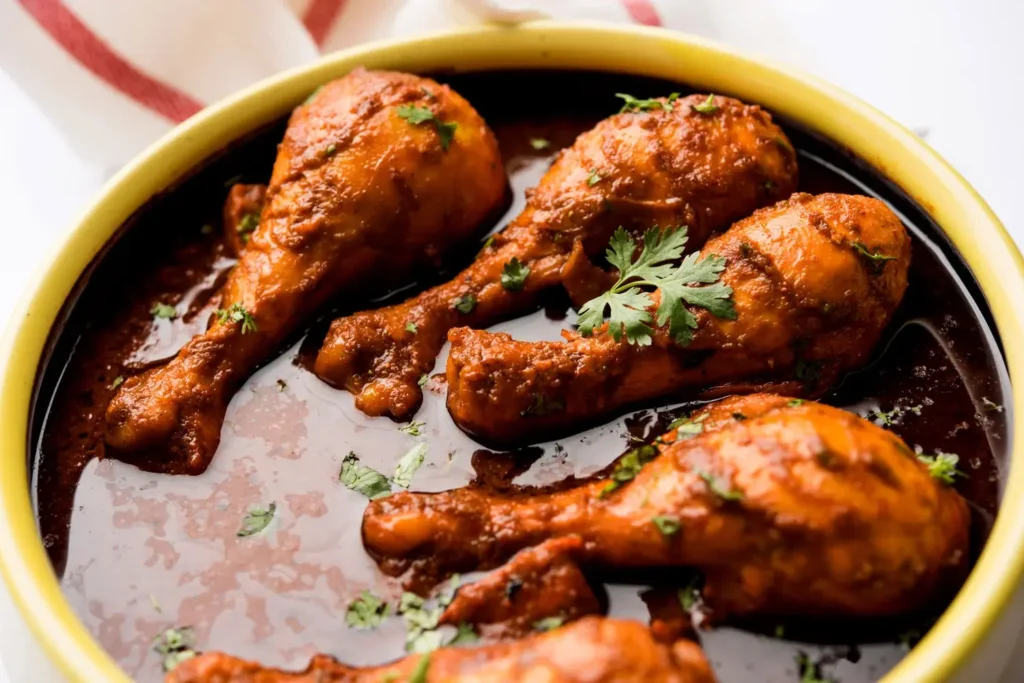
Chillies appear in nearly every part of Sri Lankan cooking. They are mixed into curries, sambols, pickles, street food, rice dishes, and seafood recipes prepared across the island.
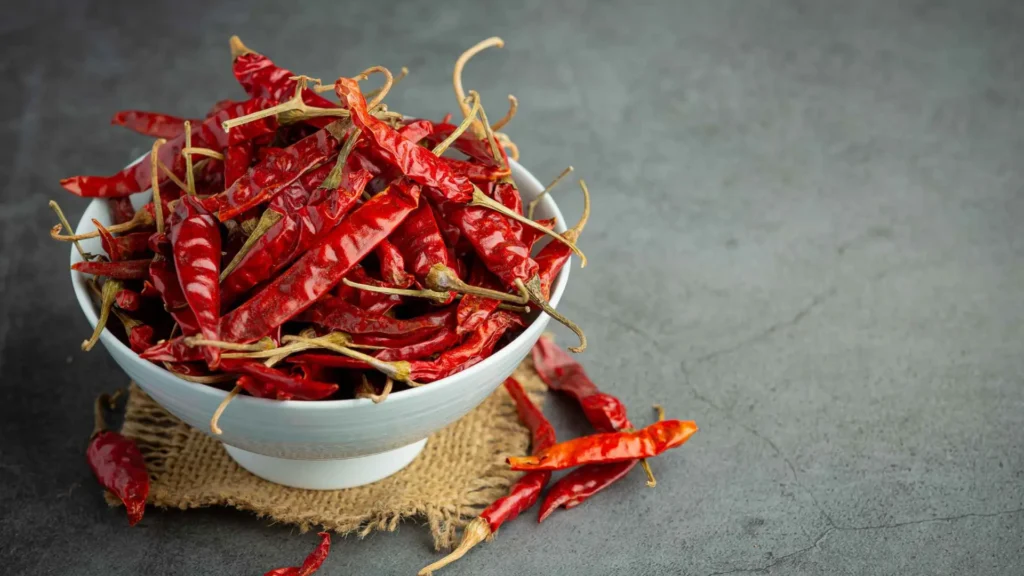
Fresh green chillies add sharp heat while dried red chillies create deeper smoky flavours in traditional dishes. Ground chilli powder is also widely used to season meat, vegetables, and lentil curries.
For many Sri Lankan families, no meal feels complete without at least a touch of spice.
Farming, Markets, and Local Produce
Across Sri Lanka, chilli farming supports many local communities and small-scale farmers. Markets throughout the island display baskets filled with red, green, and yellow varieties sold fresh or dried.
In rural areas, chillies are often grown in home gardens alongside herbs and vegetables used in traditional cooking. Their bright colours and strong aroma add life to local marketplaces and village kitchens alike.
The cultivation of chillies continues to remain an important part of Sri Lanka’s agricultural culture.
A Culinary Adventure for Travellers
For travellers visiting Sri Lanka, tasting authentic spicy cuisine becomes an unforgettable part of the journey. From roadside eateries to family homes and coastal seafood restaurants, every region offers its own interpretation of spice and flavour.
Trying traditional dishes prepared with fresh chillies allows visitors to experience the island’s culinary identity in a truly authentic way.
For adventurous food lovers, Sri Lanka is a paradise of fiery flavours waiting to be explored.
Table of Contents
Tours you might like
We care about our people. That’s why we offer Heartfelt Expedition
What is it?
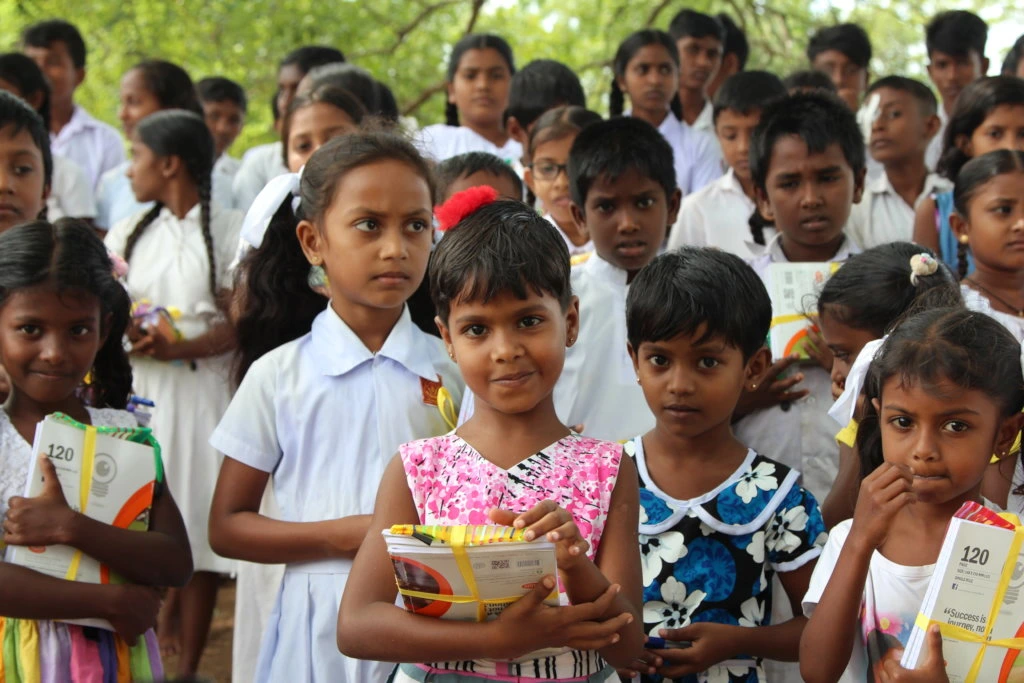
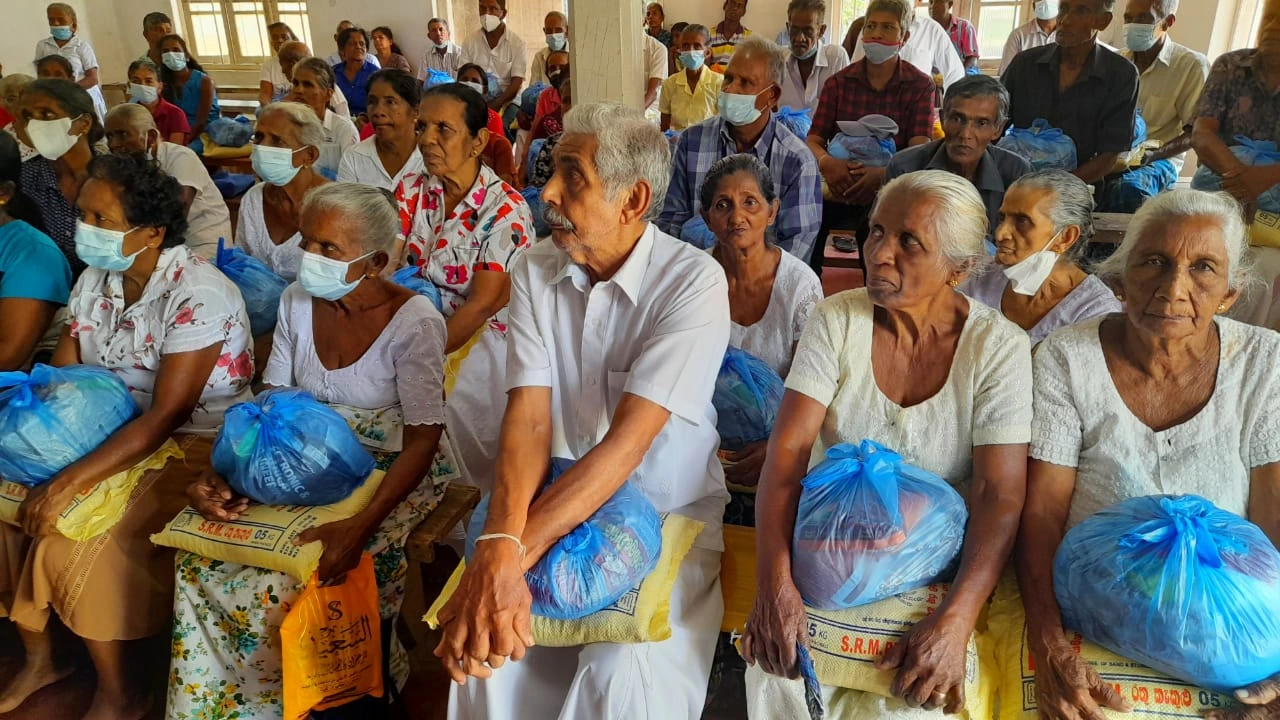
Google Ranked #1, the Heartfelt Expedition is a unique tour that invites tourists to personally engage in charitable events from the perspective of a local donor. Participants will be involved in school initiatives, elderly adoption, and community assistance throughout Sri Lanka.
Discover authentic culture and make a difference by helping local communities.