At SL VOYO, Sri Lanka’s first travel platform, we help travellers discover Sri Lanka through experiences that go beyond basic sightseeing. Whether you are joining our tours or planning your own journey, this is your friendly guide to exploring the island in a simple and meaningful way.
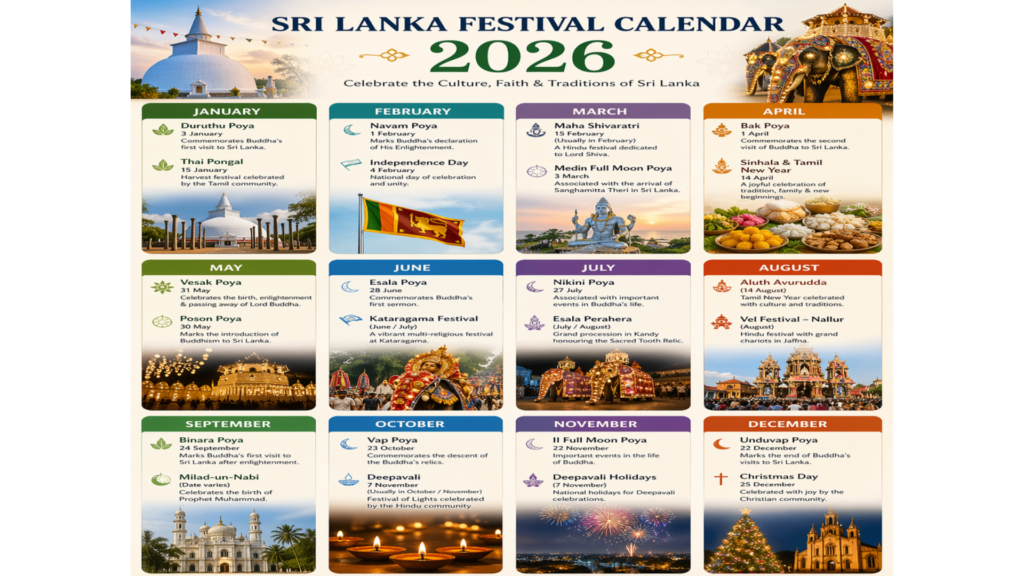
Sri Lanka’s calendar is built around full moon (Poya) days, harvest cycles, and multi-religious traditions. Almost every month offers something unique—from peaceful religious observances to grand processions filled with music, dance, and colour.
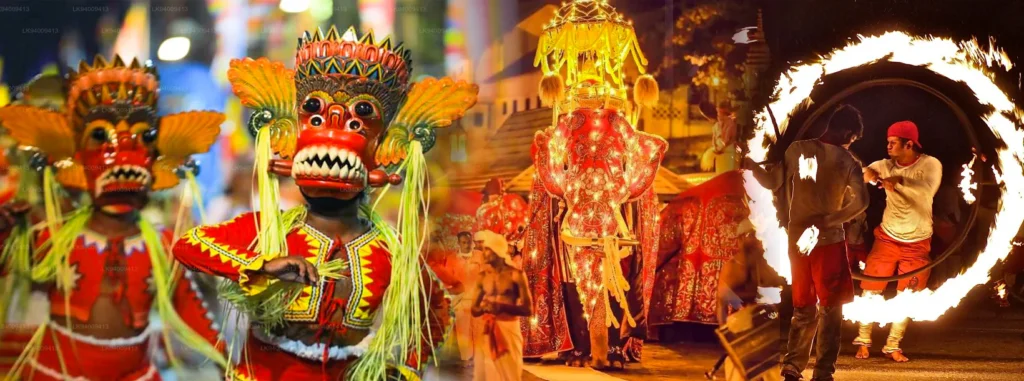
The Navam Poya season is especially vibrant in Colombo, where the Gangaramaya Temple becomes the centre of celebration. The Navam Perahera features beautifully decorated elephants, traditional drummers, dancers, and cultural performers parading through the city streets. Unlike the larger Kandy Perahera, this event offers a more accessible and urban cultural experience, attracting both locals and tourists. It also highlights the historical significance of Navam Poya, which commemorates the Buddha’s appointment of his two chief disciples, making it an important day in the Buddhist calendar.
At the same time, Hindus observe Maha Shivaratri, a sacred night dedicated to Lord Shiva. Devotees fast throughout the day and remain awake all night, engaging in prayer, chanting, and meditation. This practice is believed to bring spiritual purification, discipline, and blessings.
Major temples such as Koneswaram Temple and Munneswaram Temple become filled with devotees during this time. Oil lamps are lit, offerings are made, and the atmosphere becomes deeply spiritual and reflective. The night-long prayers create a powerful sense of devotion that is very different from the festive energy of peraheras.
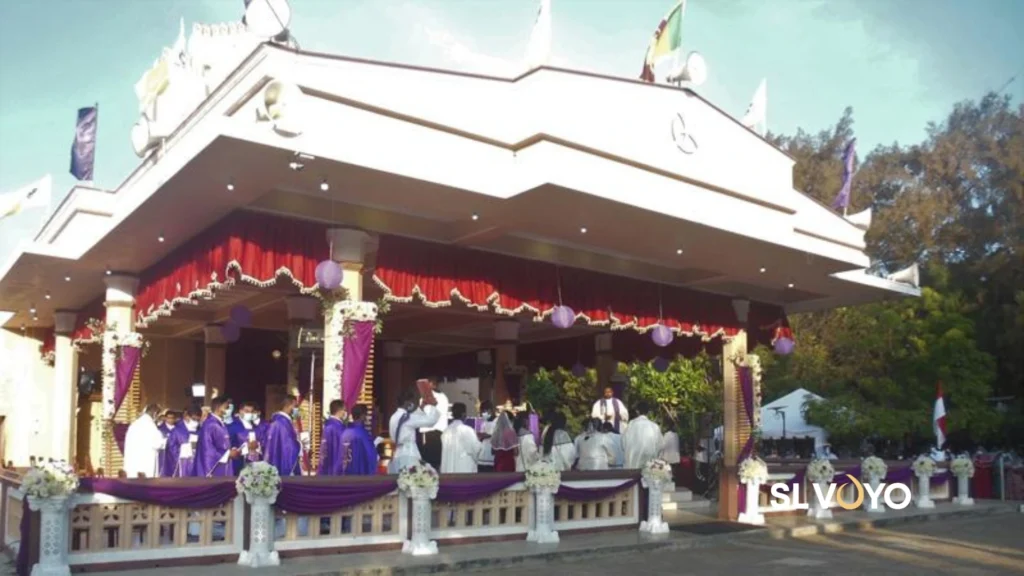
March brings one of Sri Lanka’s most important Catholic pilgrimages, the St Anne’s Feast Talawila. Held along the north-western coast, this festival attracts thousands of devotees who travel long distances—many even on foot—to reach the sacred shrine. The journey itself is considered an act of faith and devotion.
The festival takes place at the historic St Anne’s Shrine Talawila, located by the sea. During this period, the area transforms into a spiritual gathering space filled with prayers, processions, and religious services. Pilgrims attend masses, seek blessings, and participate in healing rituals, creating a strong sense of community and belief.
What makes this festival unique is its peaceful yet vibrant atmosphere. Unlike large cultural processions, Talawila focuses more on devotion, simplicity, and personal faith. The coastal setting adds to the experience, with the sound of the ocean blending into prayers and hymns.
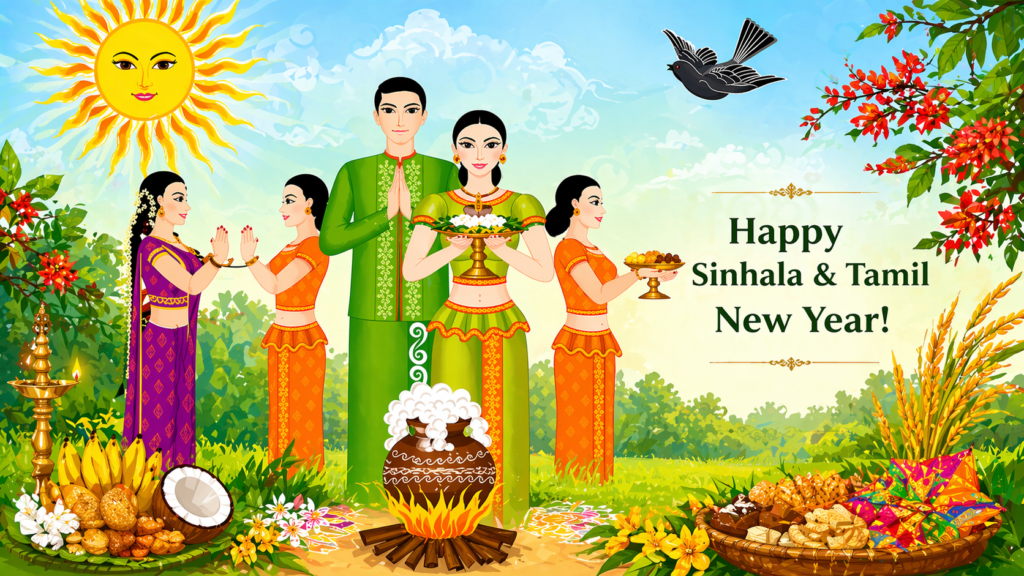
April is one of the most vibrant and culturally rich times in Sri Lanka with the celebration of the Sinhala and Tamil New Year, commonly known as Avurudu. This festival marks the traditional solar new year and is celebrated by both Sinhalese and Tamil communities across the island, making it one of the few truly nationwide cultural events.
What makes Avurudu unique is the use of auspicious times (nekath) to carry out activities. From lighting the hearth and cooking the first meal to starting work and engaging in trade, every step is done at a specific time believed to bring prosperity and good fortune. Homes are cleaned and decorated, new clothes are worn, and families gather to follow these rituals together.
Food plays a central role during this season. Traditional sweets such as kavum, kokis, aluwa, and milk rice (kiribath) are prepared and shared among family, friends, and neighbours. The act of sharing food reflects unity and strengthens community bonds, which is a key part of the festival.
Avurudu is also known for its traditional games and village celebrations. Activities such as tug-of-war, pillow fighting, climbing greasy poles, and rabana playing bring people together in a joyful and competitive spirit. Villages and neighbourhoods come alive with laughter, music, and friendly competition.
For travellers, April offers one of the best opportunities to experience authentic Sri Lankan culture at a personal level. Unlike large public festivals, Avurudu is deeply rooted in family and community life, giving visitors a chance to witness real traditions, hospitality, and the warmth of Sri Lankan people.
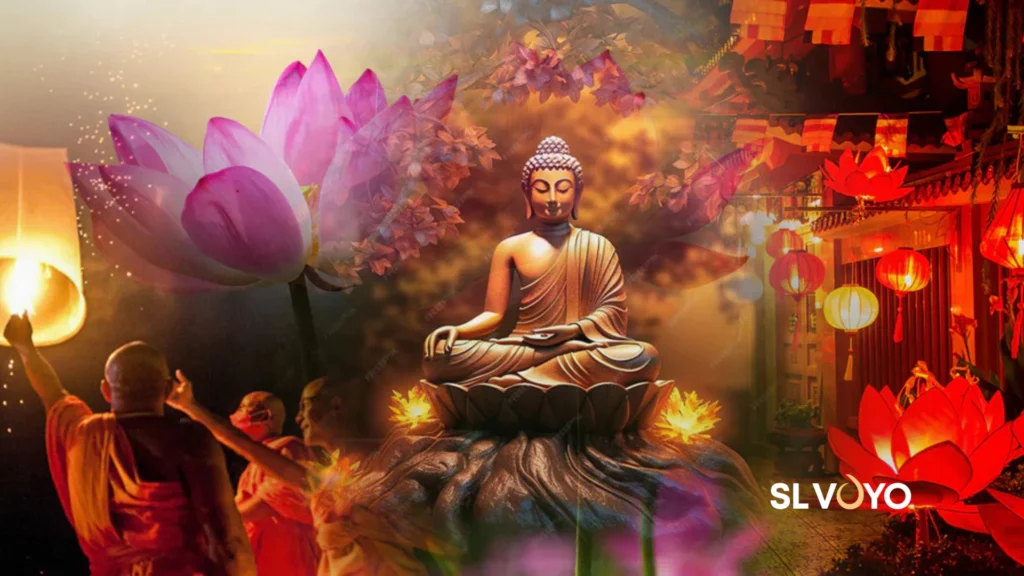
May is the most spiritually significant month in Sri Lanka with the celebration of Vesak, which commemorates the birth, enlightenment, and passing away of the Buddha. It is the most important religious festival for Buddhists and is observed across the entire island with deep devotion.
During Vesak, cities and villages transform into a festival of lights. Colourful lanterns known as Vesak kudu are displayed in homes, streets, and temples, while large illuminated panels called pandals depict stories from the Buddha’s life. These displays are not only visually impressive but also carry moral and spiritual messages.
One of the most unique traditions during Vesak is the setting up of dansal, where people offer free food and drinks to anyone passing by. This act of giving reflects the core Buddhist value of generosity (dana), and travellers can freely join and experience this kindness firsthand.
Temples become centres of activity, with devotees dressed in white engaging in prayer, meditation, and observing religious precepts. The overall atmosphere is calm, respectful, and deeply spiritual, especially at night when the lights create a peaceful and reflective environment.
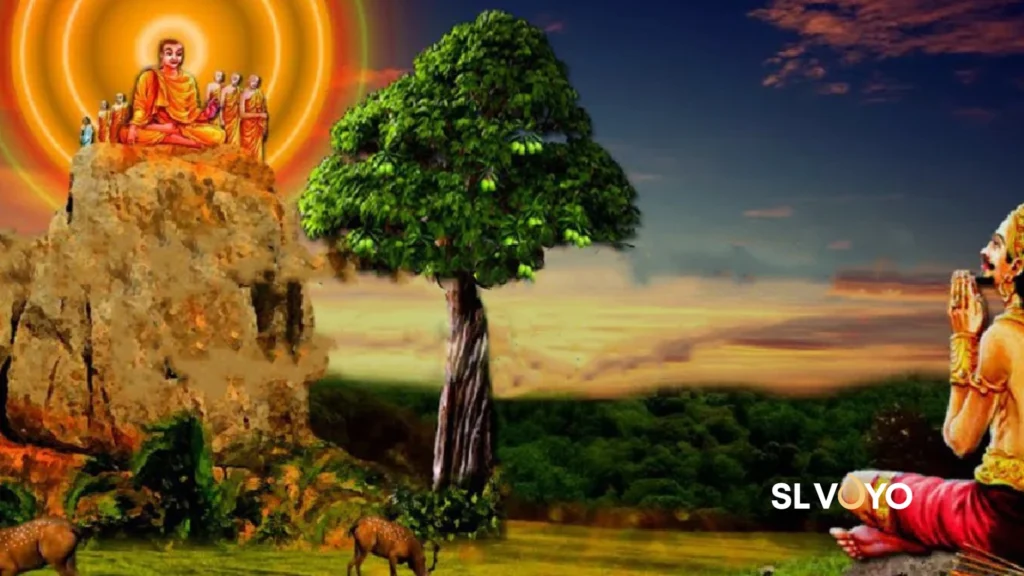
June is marked by the sacred Poson, which commemorates the arrival of Buddhism in Sri Lanka. This historic event dates back to the 3rd century BCE, when Arahat Mahinda Thera, the son of Emperor Ashoka of India, introduced Buddhism to the island. Poson is considered the second most important Buddhist festival after Vesak.
The main centre of celebration is Mihintale, where this historic meeting took place. Thousands of pilgrims travel to Mihintale, often climbing hundreds of steps to reach the summit. The entire area becomes a spiritual gathering filled with devotees dressed in white, offering prayers and reflecting on Buddhist teachings.
Similar to Vesak, Poson is celebrated with lanterns, decorations, and dansal (free food stalls) across the country. However, the atmosphere is generally more calm and focused on history and religious significance rather than large visual displays.
Another important aspect of Poson is its connection to Sri Lanka’s identity. It represents not just a religious event, but a turning point in the island’s culture, shaping its values, traditions, and way of life for over two thousand years.
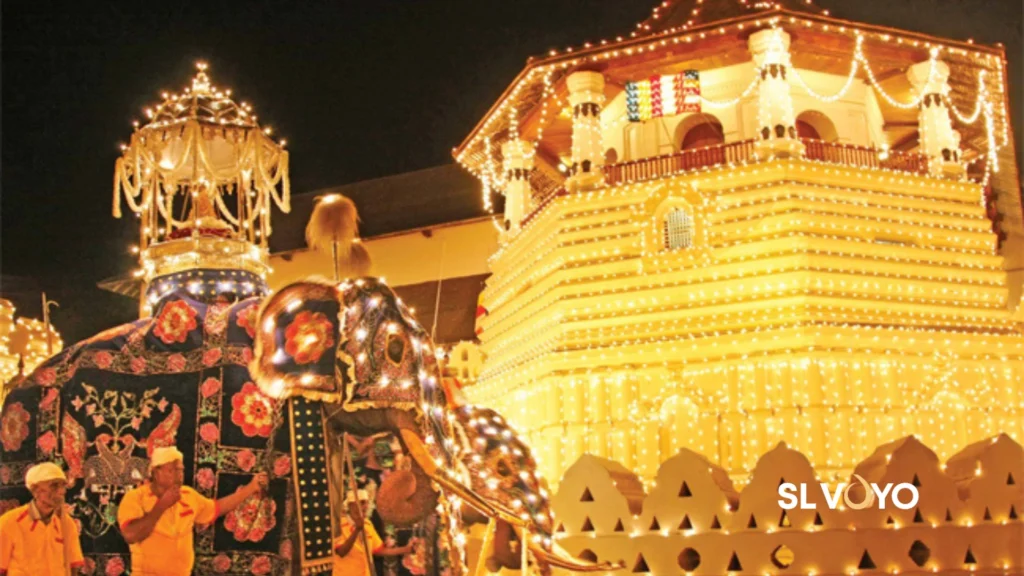
July marks the beginning of the grand Esala festival season in Sri Lanka, one of the most culturally vibrant times of the year. The highlight is the world-famous Kandy Esala Perahera, held in Kandy. This multi-day procession honours the Sacred Tooth Relic of the Buddha and gradually builds in scale each night, starting with smaller processions and ending in a spectacular final parade.
The Esala Perahera features traditional Kandyan dancers, drummers, fire performers, whip crackers, and beautifully decorated elephants, all moving through the streets in a highly organised and rhythmic display. The final nights are especially grand, attracting thousands of spectators and making it one of the most iconic cultural events in Asia.
At the same time, the Kataragama Festival takes place in the southern part of the island. This festival is unique because it brings together Buddhists, Hindus, and Muslims, all worshipping at the sacred Kataragama shrine. Devotees take part in intense acts of faith such as long-distance pilgrimages, fire-walking, and body piercings as a form of devotion.
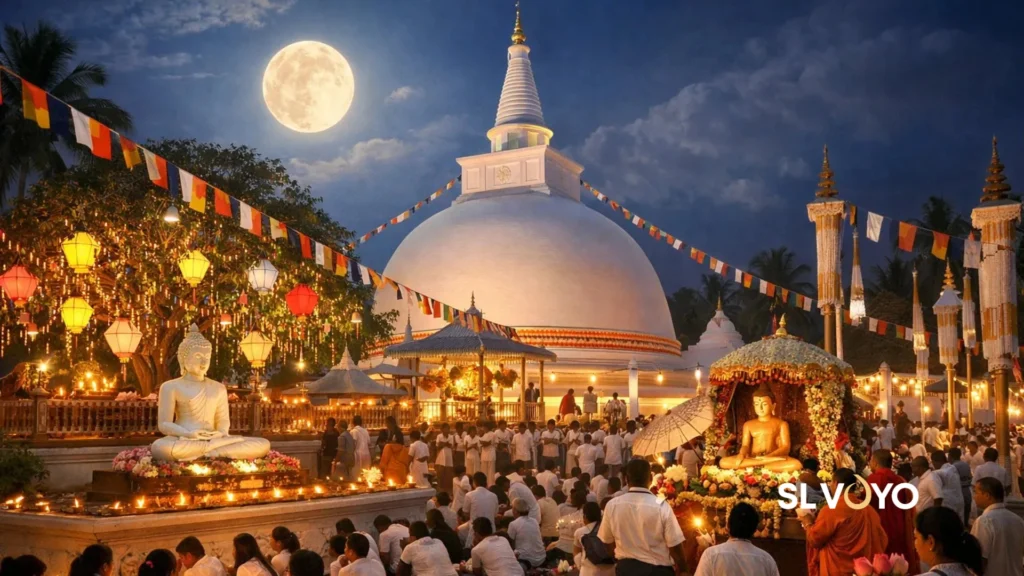
September is a quieter month in Sri Lanka’s festival calendar, but it remains spiritually important due to regular Poya day observances, especially Binara Poya. This day is significant in Buddhism as it commemorates the establishment of the Bhikkhuni (female monastic) order, highlighting the role of women in the Buddhist tradition.
During this time, temples across the island become peaceful centres of worship. Devotees dressed in white gather to observe sil, meditate, listen to sermons, and take part in religious activities. Unlike the large-scale festivals of previous months, September offers a more calm and reflective spiritual atmosphere.
September is also part of an important pilgrimage season, especially for those travelling to sacred sites like Anuradhapura Sacred City and other ancient temples. The crowds are smaller compared to peak festival months, allowing for a more relaxed and meaningful experience.
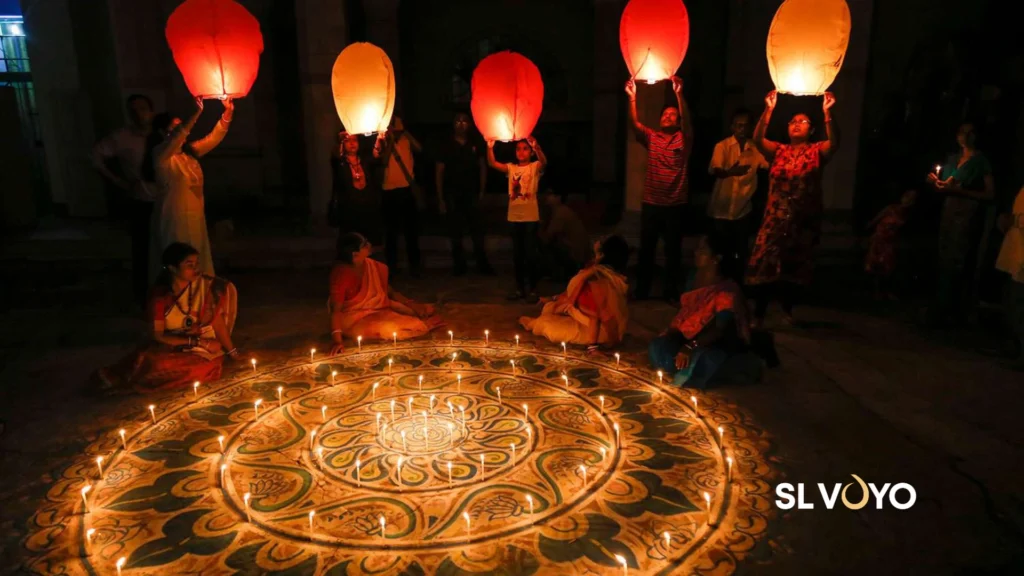
October is marked by the vibrant Hindu festival of Deepavali, one of the most important celebrations for Tamil communities in Sri Lanka. The festival symbolises the victory of light over darkness and good over evil, and it is celebrated with joy, colour, and strong family traditions.
Homes are cleaned and decorated, and oil lamps (diyas) are lit to brighten houses and surroundings. Families prepare traditional sweets and savoury foods, exchange gifts, and wear new clothes. The lighting of lamps creates a peaceful and beautiful atmosphere, especially in the evenings when entire neighbourhoods glow with warm light.
Temples become centres of prayer and celebration, where devotees offer prayers, light lamps, and seek blessings for prosperity and happiness. Firecrackers are also part of the celebration in many areas, adding energy and excitement to the festival.
Deepavali is not just a religious event but also a cultural celebration of unity and renewal. It reflects values of hope, positivity, and new beginnings.
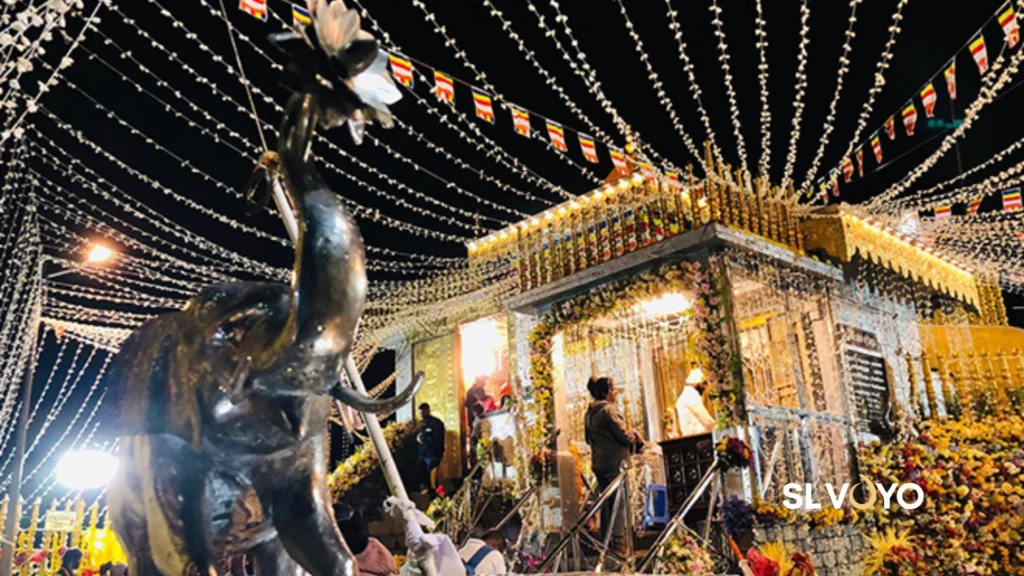
November continues the festive atmosphere of Deepavali in some parts of Sri Lanka, especially when the festival falls later in the year. The celebrations remain vibrant, with homes lit by oil lamps, families gathering, and temples filled with prayers. The spirit of renewal, positivity, and togetherness continues throughout the month.
In the Buddhist calendar, November is marked by Il Poya, which holds historical importance. This day commemorates key events such as the ordination of the first Buddhist missionaries who were sent abroad, spreading Buddhism beyond Sri Lanka. It highlights the island’s role in sharing religious teachings with the wider world.
Temples across the country observe Il Poya with religious activities such as meditation, sermons, and offerings. Compared to larger festivals like Vesak or Poson, the atmosphere is more peaceful and reflective, allowing devotees to focus on spiritual practice.
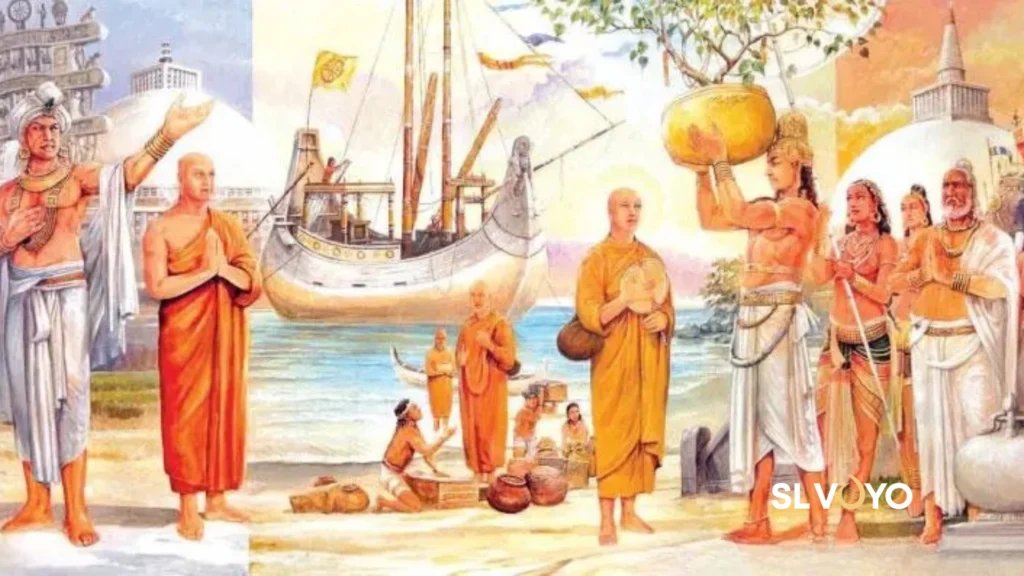
December is a month of both spiritual reflection and festive celebration in Sri Lanka. The Buddhist calendar marks Unduvap Poya, which commemorates the arrival of Sangamitta Theri in Sri Lanka carrying a sapling of the sacred Bo tree from India.
This sapling was planted in Anuradhapura Sacred City and has grown into one of the oldest historically documented trees in the world. During Unduvap Poya, devotees visit temples, offer prayers, and reflect on the importance of this event, especially its role in establishing the Bhikkhuni (female monastic) order in Sri Lanka.
At the same time, December is also influenced by the Christmas season, especially in urban areas and coastal regions with Christian communities. Churches hold midnight masses, homes are decorated, and festive lights, music, and gatherings create a lively atmosphere across cities like Colombo and Negombo.
The combination of these two traditions makes December unique—a blend of quiet spiritual devotion and joyful celebration. Streets, hotels, and public spaces often reflect both elements, giving the country a warm and festive end to the year.
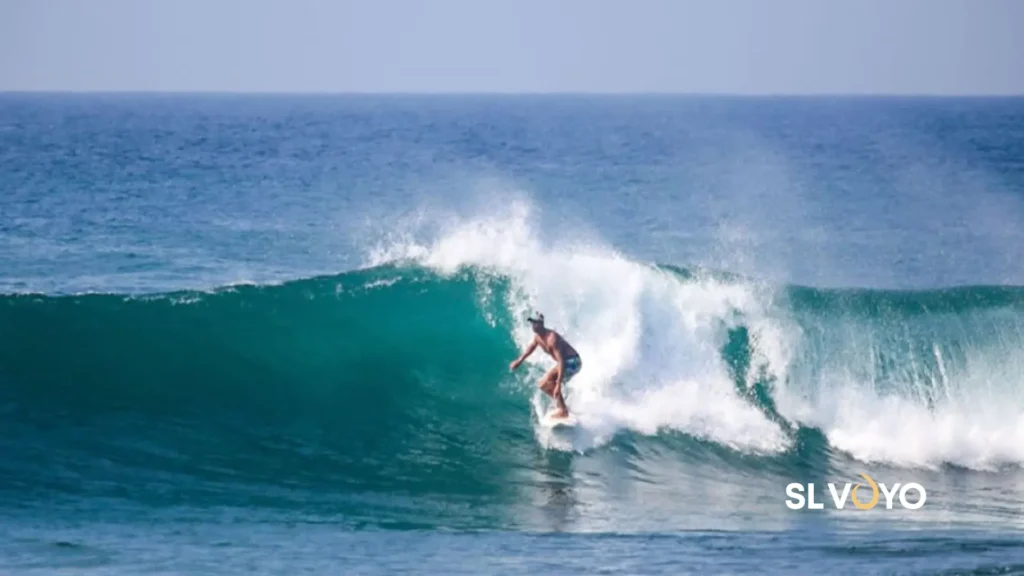
Planning your travel month in Sri Lanka depends on both festivals and weather patterns, especially the island’s two monsoon seasons. The south-west monsoon (May to September) mainly affects the south and west coasts, including places like Galle, Bentota, and Colombo. During this time, the east coast (Arugam Bay, Trincomalee, Pasikudah) is at its best with sunny weather and calm seas. From December to March, the pattern reverses—the south and west become ideal, while the east experiences more rain. This unique climate means you can always find a good part of the island to visit depending on the month.
At the same time, choosing months with major festivals like April (Sinhala & Tamil New Year), May (Vesak), or July–August (Kandy Esala Perahera) gives you a richer cultural experience. However, these peak periods are also when flights and hotels get fully booked quickly, especially during April when many Sri Lankans living abroad return home. It is highly recommended to book flights and accommodation well in advance during these seasons. By balancing weather, festivals, and availability, travellers can plan the perfect trip based on their preferences—whether it’s beaches, wildlife, or cultural experiences or feel free to ask any questions!
What is it?
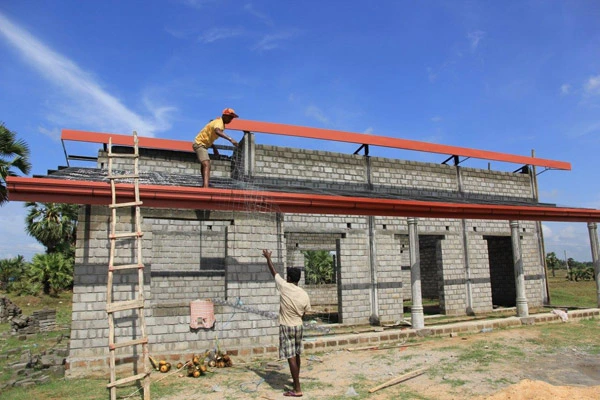
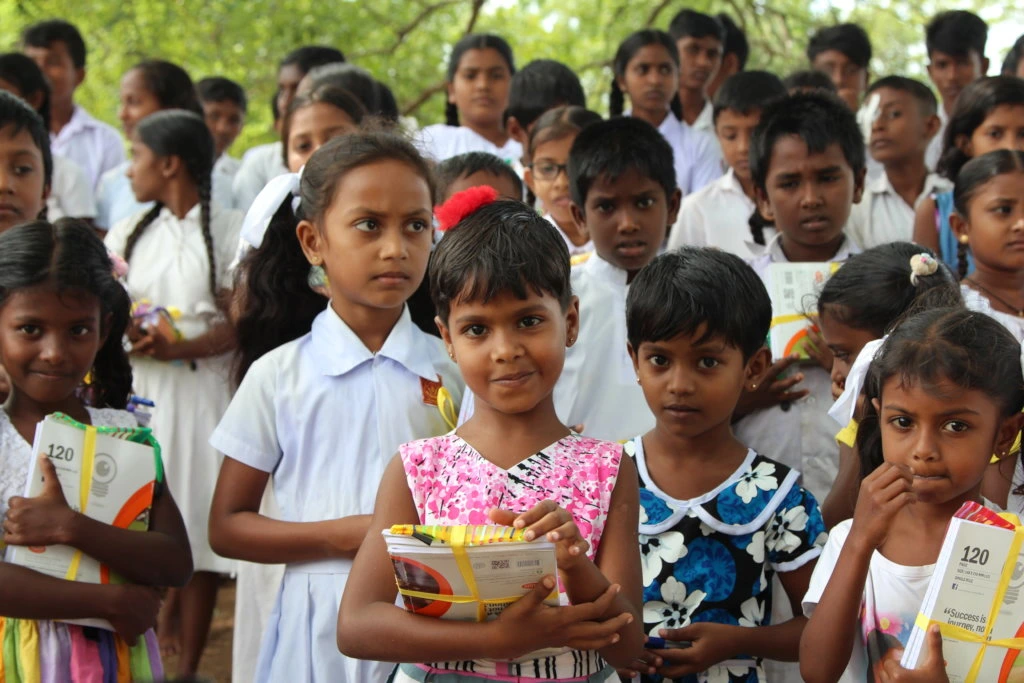
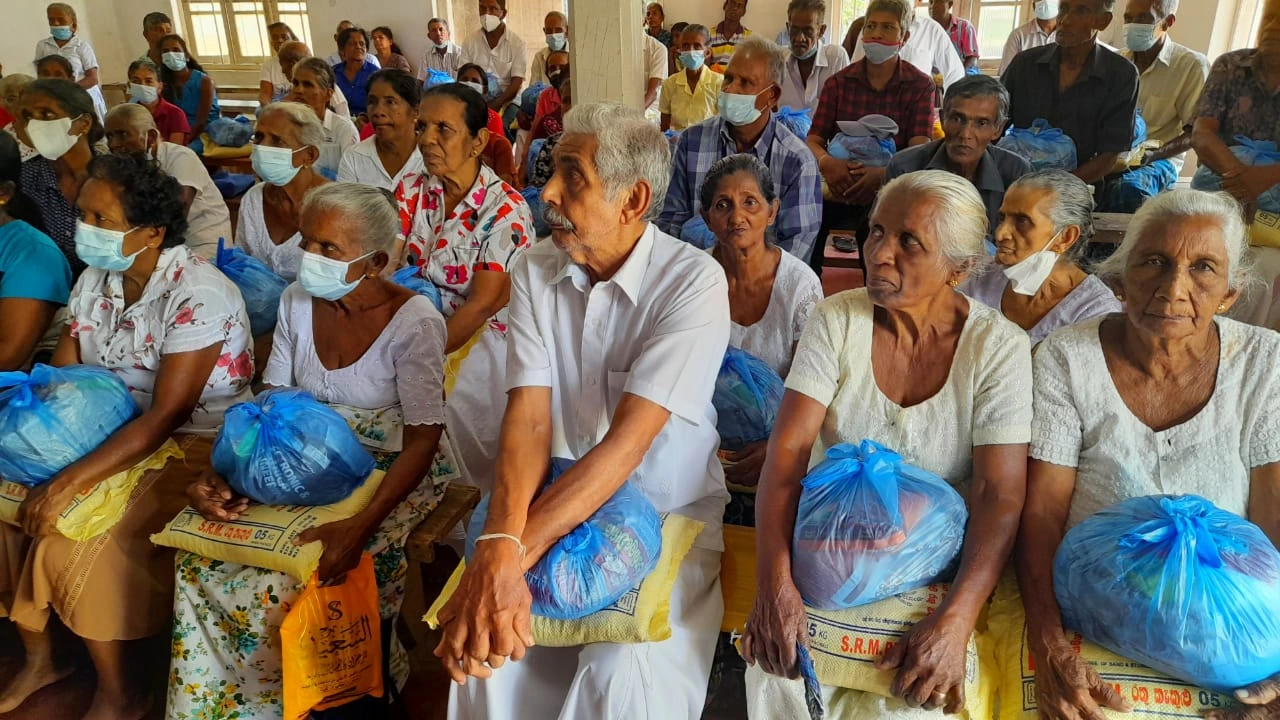
Google Ranked #1, the Heartfelt Expedition is a unique tour that invites tourists to personally engage in charitable events from the perspective of a local donor. Participants will be involved in school initiatives, elderly adoption, and community assistance throughout Sri Lanka.
Discover authentic culture and make a difference by helping local communities.