At SL VOYO, Sri Lanka’s first travel platform, we help travellers go beyond basic sightseeing and experience the island in a more meaningful way. Whether you are joining our tours or planning your own adventure, here is our friendly guide to understanding the sacred tradition of Gammaduwa in Sri Lanka.
An Ancient Ritual Rooted in Tradition
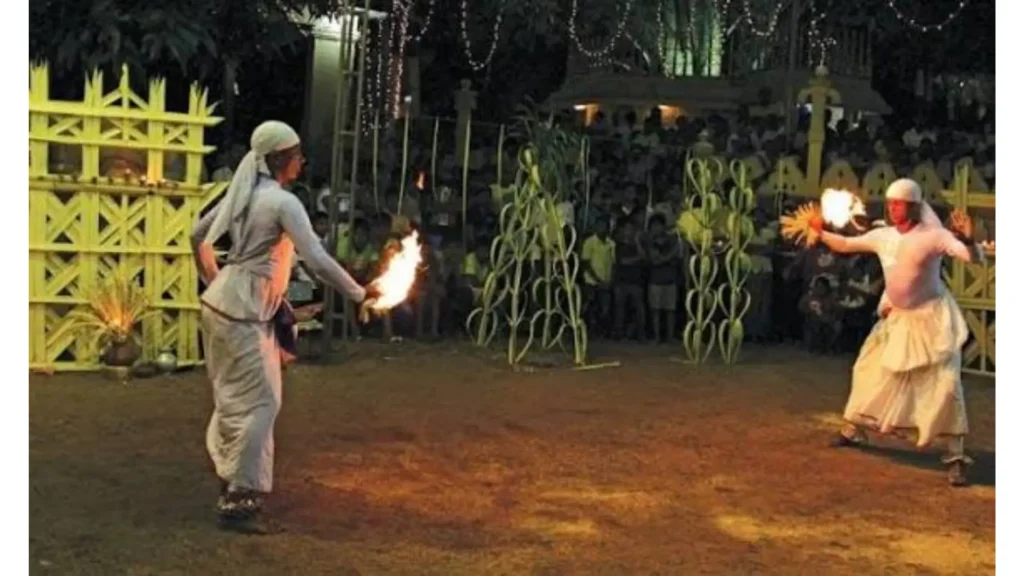
Gammaduwa is one of Sri Lanka’s oldest and most fascinating traditional rituals, deeply connected to the island’s folklore, spirituality, and village culture. This ceremonial performance is held mainly to honour deities and seek blessings for protection, health, prosperity, and peace within the community.
The ritual is especially associated with the worship of the goddess Pattini, who is believed to protect villages from illness and misfortune. Passed down through generations, Gammaduwa continues to preserve ancient customs that remain important in rural Sri Lankan life.
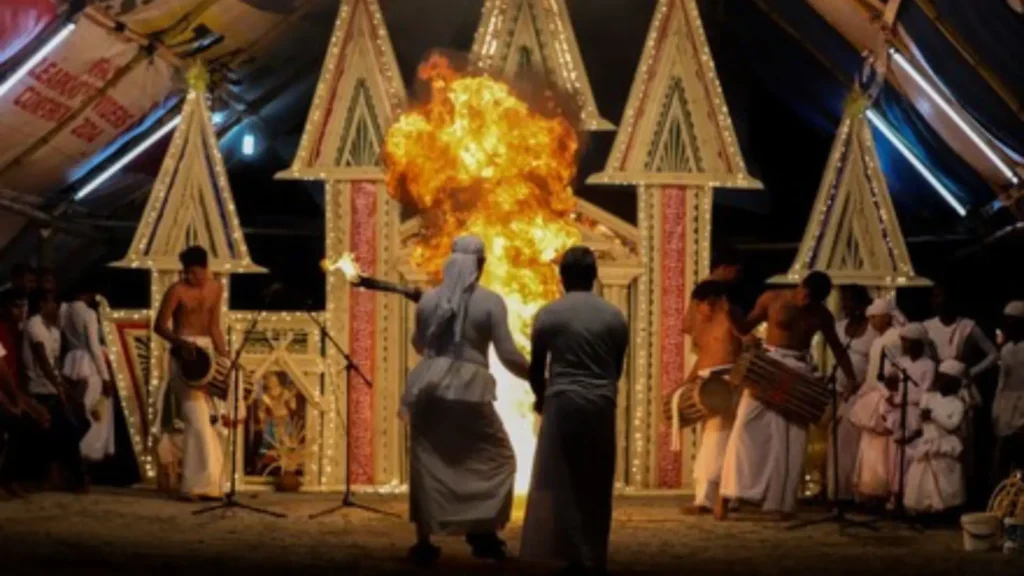
The ceremony combines dance, music, chanting, and dramatic performances into a powerful cultural experience.
A Night Filled with Music and Ritual Drumming
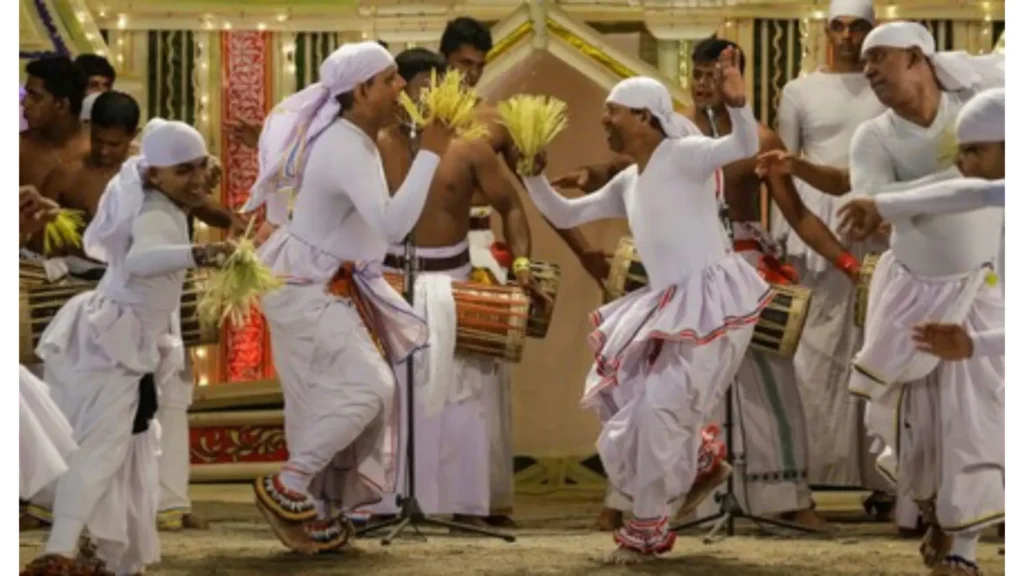
The atmosphere during Gammaduwa is energetic and deeply spiritual. The rhythmic sound of traditional drums fills the air as dancers perform powerful movements accompanied by ceremonial chants and music.
Villagers gather together to witness the ritual, often spending the entire night participating in prayers, offerings, and performances. The beating drums and sacred rhythms are believed to invite divine blessings and positive energy into the community.
The performance creates a unique connection between spirituality, tradition, and collective celebration.
The Sacred Dancers and Colourful Costumes
One of the most striking features of Gammaduwa is the elaborate attire worn by the performers. Dancers appear in vibrant costumes decorated with bright patterns, ornaments, and ceremonial headpieces that represent traditional Sri Lankan ritual art.
Each movement, gesture, and performance carries symbolic meaning connected to ancient beliefs and storytelling traditions. The dancers often enter intense performances that reflect devotion, strength, and spiritual connection.
The colourful costumes and dramatic performances make Gammaduwa visually unforgettable for visitors.
Honouring the Gods and Seeking Blessings
At the heart of Gammaduwa is the belief in seeking blessings from the gods and protecting the village from negative influences. Ritual offerings such as flowers, oil lamps, fruits, and specially prepared foods are presented during the ceremony.
The sacred spaces are decorated with coconut leaves, traditional ornaments, and ceremonial structures that create a spiritual environment filled with devotion and symbolism.
For local communities, Gammaduwa is not simply entertainment — it is an act of faith, gratitude, and cultural identity.
A Living Part of Sri Lanka’s Cultural Heritage
Although modern lifestyles continue to change many traditions, rituals like Gammaduwa still survive in certain parts of Sri Lanka, especially within rural communities that value their ancestral customs.
These ceremonies help preserve traditional knowledge, music, dance, and spiritual practices that have existed for centuries. Younger generations are often introduced to the ritual through village participation, ensuring that the tradition continues into the future.
For travellers, witnessing Gammaduwa offers a rare opportunity to experience Sri Lanka’s living cultural heritage in an authentic and respectful way.
Experiencing Sri Lanka’s Sacred Traditions
Sri Lanka is filled with cultural traditions that reflect the island’s deep spiritual roots and rich village heritage. Gammaduwa stands as a powerful example of how ancient rituals continue to bring communities together through devotion, music, and celebration.
The combination of sacred dance, ritual drumming, and community participation creates an experience unlike any other. It reveals a side of Sri Lanka that goes far beyond popular tourist attractions.
Travellers who respectfully observe these ceremonies gain a deeper appreciation for the island’s cultural soul.
Table of Contents
Tours you might like
We care about our people. That’s why we offer Heartfelt Expedition
What is it?
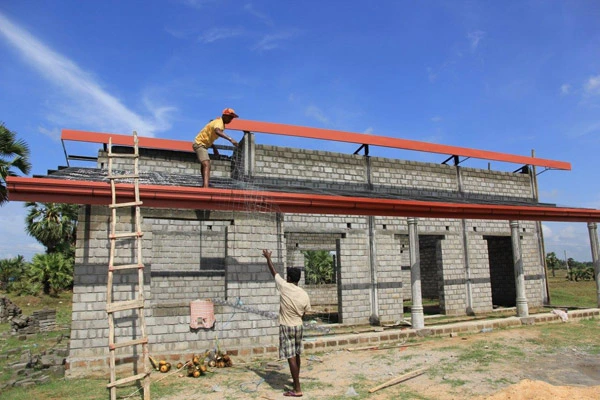
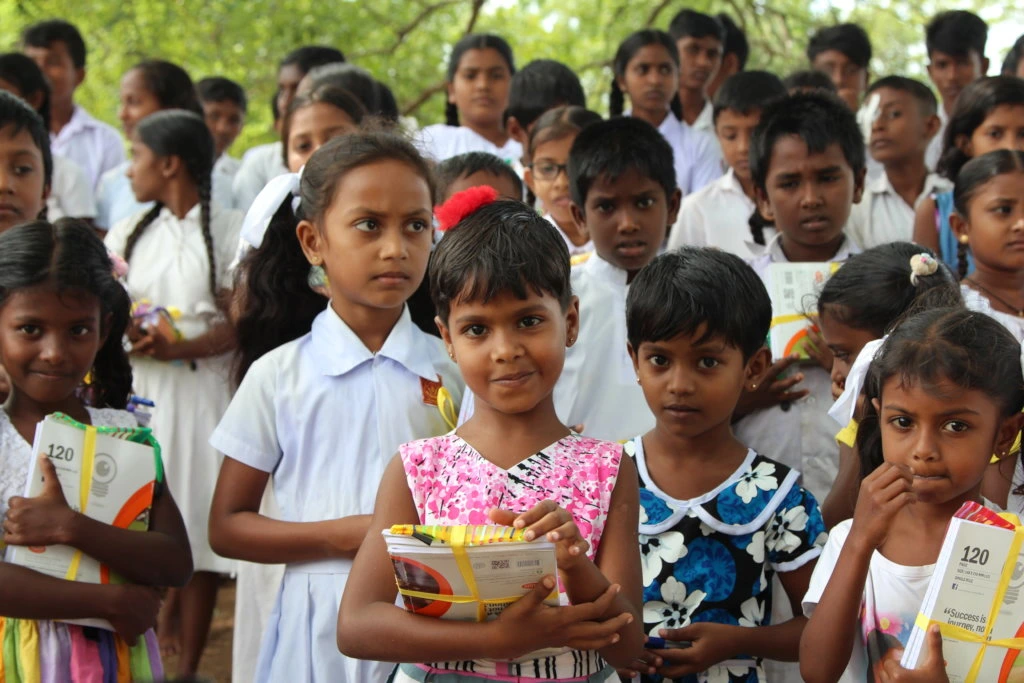
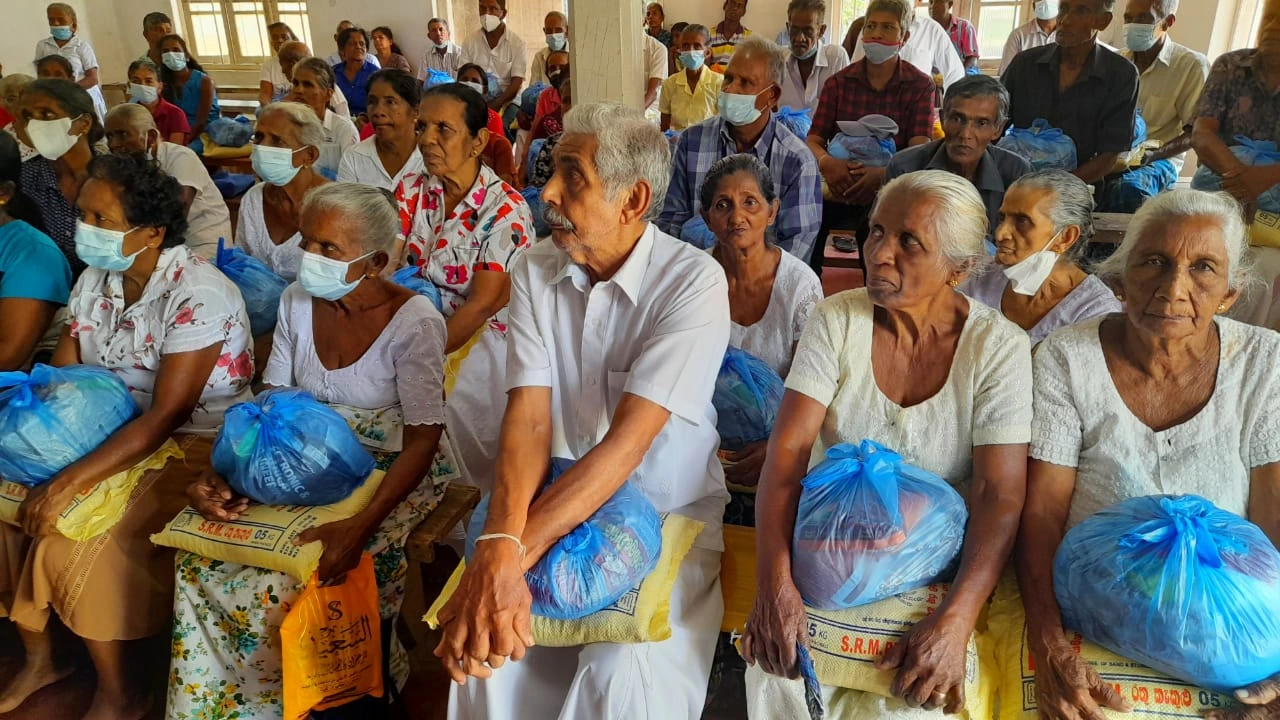
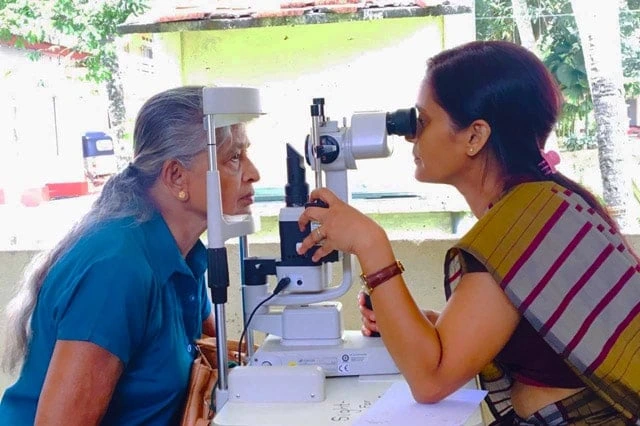
Google Ranked #1, the Heartfelt Expedition is a unique tour that invites tourists to personally engage in charitable events from the perspective of a local donor. Participants will be involved in school initiatives, elderly adoption, and community assistance throughout Sri Lanka.
Discover authentic culture and make a difference by helping local communities.