At SL VOYO, Sri Lanka’s first travel platform, we help travellers go beyond basic sightseeing and experience the island in a more meaningful way. Whether you are joining our tours or planning your own adventure, here is our friendly guide to Sri Lanka’s famous mango season – a tropical celebration of colour, fragrance, and unforgettable flavour.
When Mango Season Takes Over Sri Lanka
In Sri Lanka, mango season is more than just a harvest period – it is a nationwide celebration of one of the island’s most loved fruits. During the season, markets overflow with golden-yellow mangoes, roadside stalls pile them high in colourful displays, and homes fill with the sweet tropical aroma of ripe fruit.
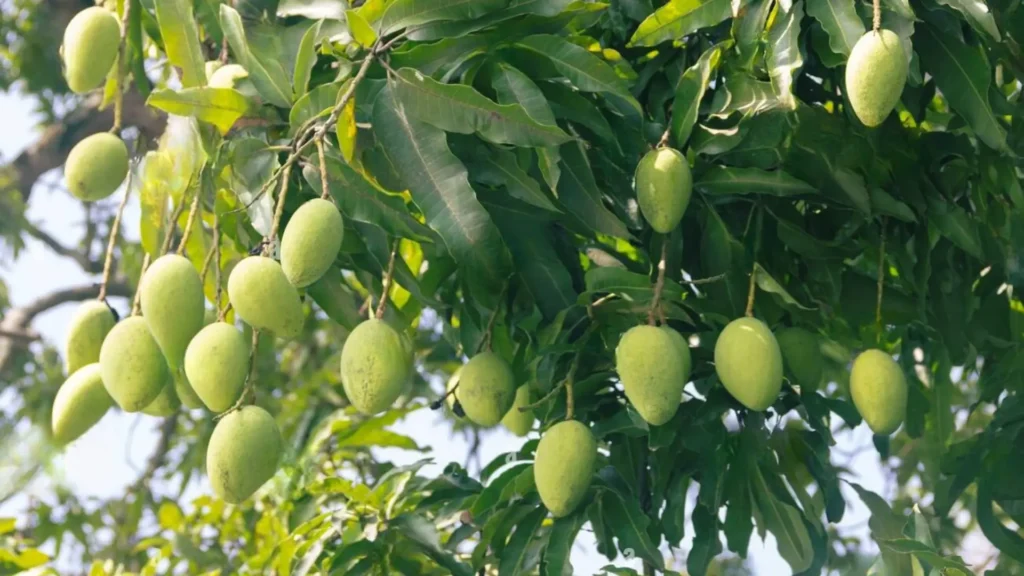
From bustling city streets to quiet village gardens, mango trees become heavy with fruit, inviting locals and travellers alike to indulge in nature’s sweetest gift. If June could be described as a flavour, it would undoubtedly taste like mango.
For visitors exploring Sri Lanka during this time, mangoes become part of the travel experience itself.
A Fruit Deeply Rooted in Sri Lankan Culture
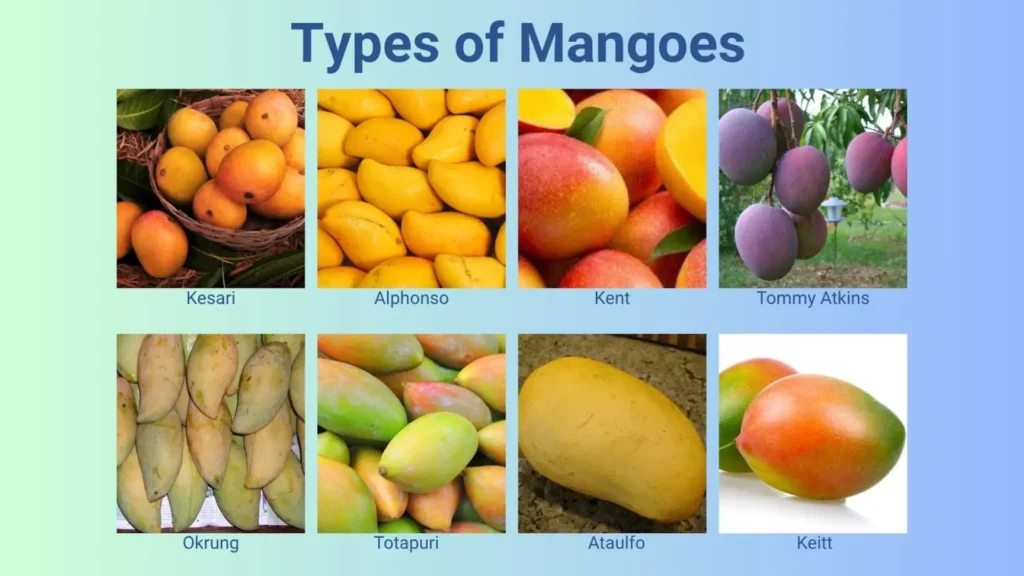
Sri Lanka is home to an incredible variety of mangoes, each with its own shape, colour, texture, and flavour profile. Some are sweet and juicy, while others carry a pleasant sourness perfect for pickles, curries, and spicy sambols.
The mango has long been part of Sri Lankan food culture and daily life. Families often gather beneath mango trees during the season, children climb branches to pick fruit, and fresh mango slices sprinkled with chilli and salt are sold along busy streets.
Across the island, mangoes are enjoyed fresh, blended into juices, added to desserts, or paired with spicy dishes that highlight the balance between sweetness and heat.
Discovering Sri Lanka’s Mango Varieties
One of the joys of travelling through Sri Lanka during mango season is discovering the island’s wide range of mango varieties. From small village-grown mangoes to large commercial varieties, each region offers its own unique flavours.
Some mangoes are soft and intensely sweet, while others remain slightly firm with a refreshing tanginess. Popular local varieties include juicy yellow mangoes with rich flesh, smaller green mangoes with a sour bite, and fragrant orange-fleshed varieties that practically melt in your mouth.
In northern regions like Jaffna, mango cultivation thrives in the warm climate, producing fruits known for their exceptional sweetness and aroma.
The Roadside Mango Experience
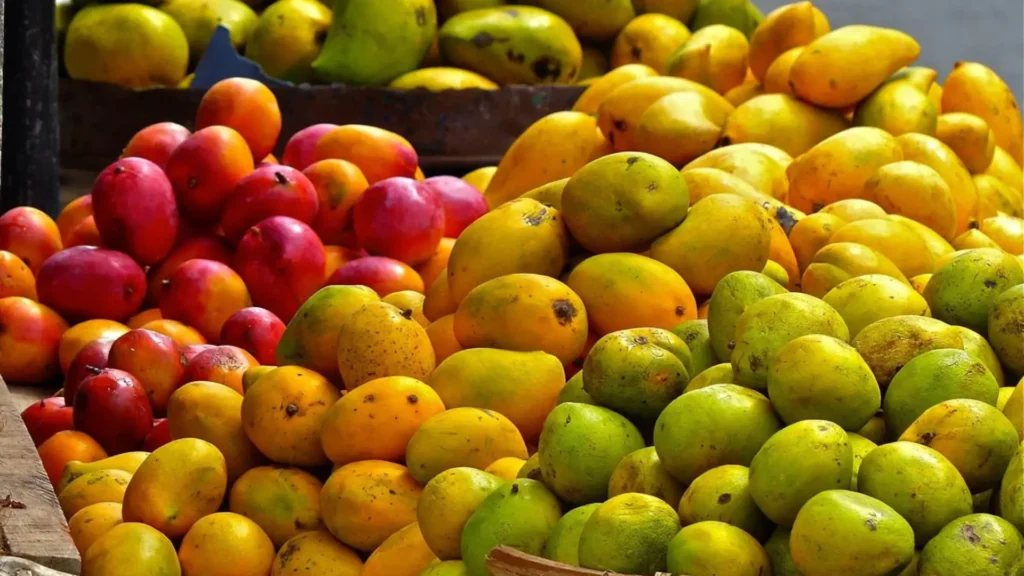
One of the simplest but most memorable experiences in Sri Lanka is stopping at a roadside fruit stall to enjoy freshly cut mango. Vendors skillfully slice ripe mangoes in seconds, serving them chilled or sprinkled with chilli powder and salt for an authentic local flavour.
Travellers driving through rural towns often find themselves unable to resist the colourful fruit stalls lining the roadsides. The bright yellow and green displays are impossible to miss, especially during peak season.
These roadside stops offer more than just fruit — they provide a glimpse into everyday Sri Lankan life and hospitality.
Mangoes Beyond the Fruit Bowl
Sri Lankan cuisine makes excellent use of mangoes beyond simply eating them fresh. Mango curries, chutneys, pickles, smoothies, desserts, and juices are all popular across the island.
In many homes, raw mangoes are transformed into spicy achcharu pickles bursting with chilli, mustard, and vinegar. Sweet ripe mangoes become refreshing juices perfect for Sri Lanka’s tropical heat.
Restaurants and cafes also embrace mango season with seasonal desserts, tropical fruit platters, and creative drinks inspired by the island’s abundance of fresh produce.
Best Time to Enjoy Mango Season
The main mango season in Sri Lanka typically peaks from May to July, though some regions enjoy extended harvest periods depending on climate and variety. During these months, travellers can easily find fresh mangoes almost everywhere they go.
Visiting local fruit markets early in the morning is one of the best ways to experience the season fully. The lively atmosphere, colourful produce, and scent of ripe fruit create a sensory experience unique to Sri Lanka.
Table of Contents
Tours you might like
We care about our people. That’s why we offer Heartfelt Expedition
What is it?
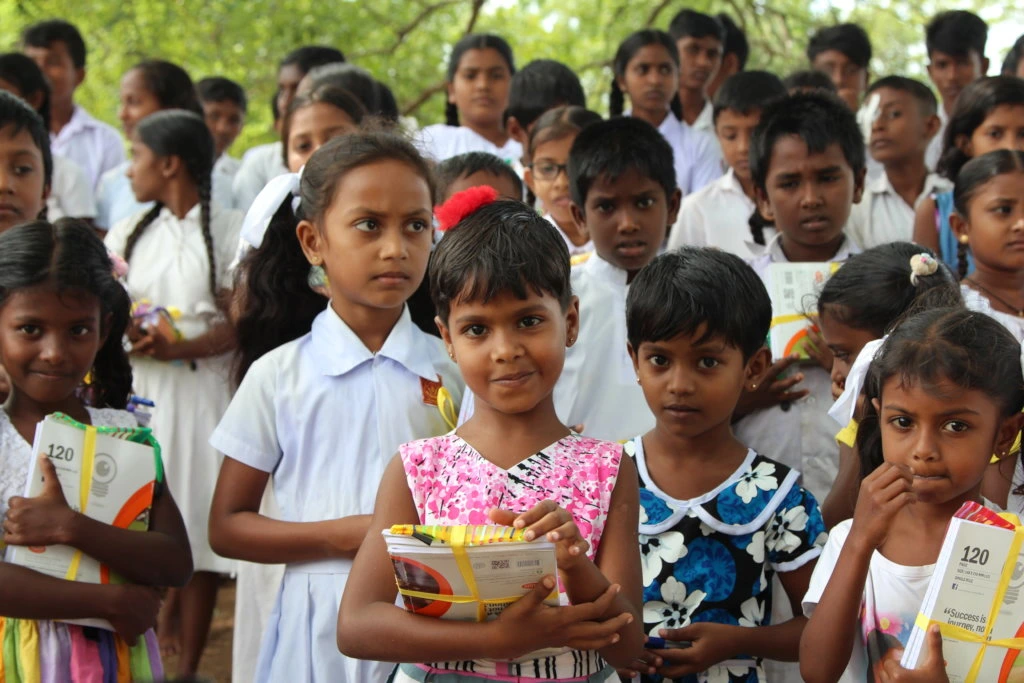
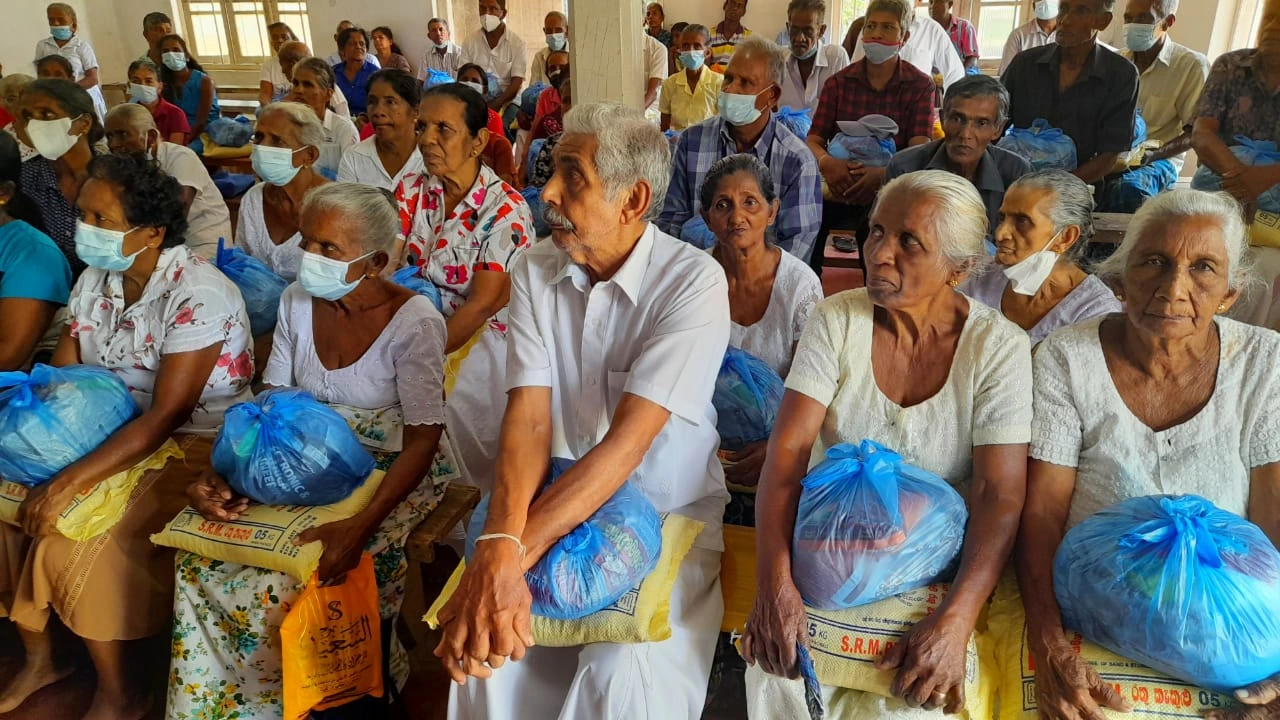
Google Ranked #1, the Heartfelt Expedition is a unique tour that invites tourists to personally engage in charitable events from the perspective of a local donor. Participants will be involved in school initiatives, elderly adoption, and community assistance throughout Sri Lanka.
Discover authentic culture and make a difference by helping local communities.