Kataragama’s Pageant of Love – A Sacred Journey of Faith and Tradition
Table of Contents
At SL VOYO, Sri Lanka’s first travel platform, we help travellers go beyond basic sightseeing and experience the island in a more meaningful way. Whether you are joining our tours or planning your own adventure, here is our friendly guide to Kataragama’s Pageant of Love – a remarkable celebration where faith, devotion and centuries-old traditions bring thousands of people together in southern Sri Lanka.
Where Thousands Walk Together
Every year, thousands of devotees travel to Kataragama from across Sri Lanka. Some arrive by bus or car, while others undertake long pilgrimages on foot, carrying offerings and travelling for days to reach the sacred town.
One of the most remarkable traditions is the Pada Yatra, in which devotees walk long distances towards Kataragama. Pilgrims arrive from different parts of the island, including the north and east, continuing a tradition that connects distant communities with this ancient place of worship.
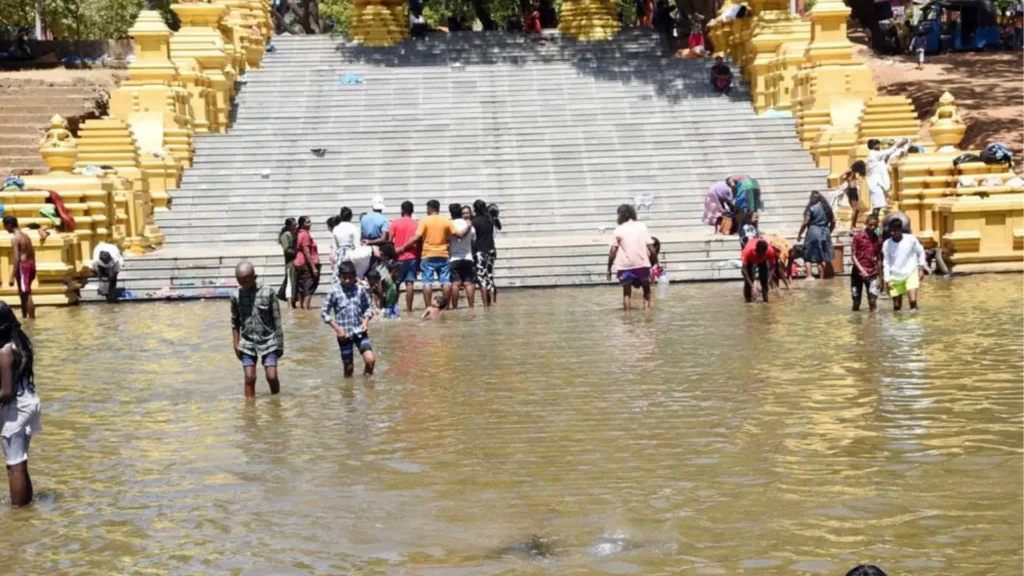
The final journey across the Menik Ganga is particularly meaningful. Devotees cross the river carrying their belongings and offerings before continuing towards the sacred temple grounds.
For many, the journey itself is as important as reaching the destination.
A Shrine Shared by Many Faiths
Kataragama is unusual in Sri Lanka because its sacred traditions are respected by people from different religious communities.
Buddhists, Hindus, Muslims and Christians have all been drawn to this sacred landscape, each bringing their own prayers, traditions and beliefs.
At the centre of the pilgrimage is the Kataragama Deviyo, a deity deeply revered by devotees. Hindu traditions associate him with Lord Skanda or Murugan, while Buddhists also regard Kataragama as an important guardian deity.
The Festival of the Sacred Procession
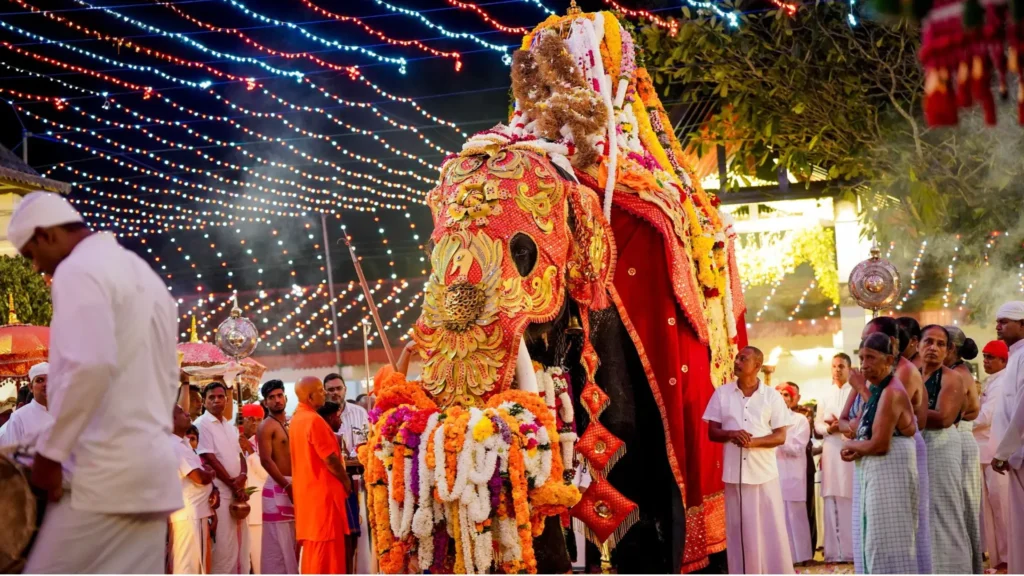
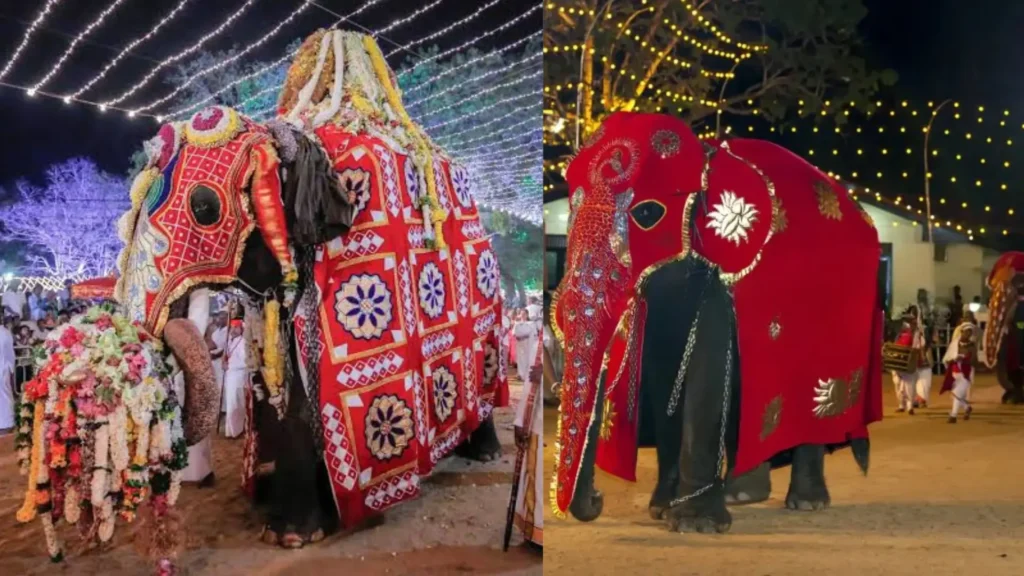
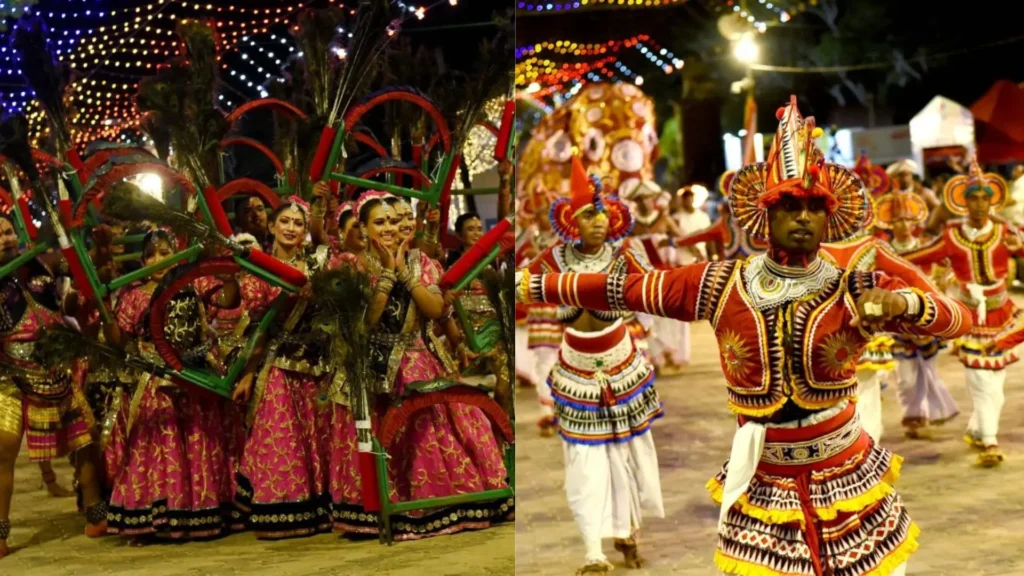
As the festival reaches its most spectacular nights, Kataragama comes alive with lights, music, dancers, drummers and beautifully decorated elephants.
The procession moves through the temple area accompanied by traditional performers and devotees. Torch bearers illuminate the route while the sound of drums creates a powerful rhythm that can be felt throughout the streets.
At the heart of the procession is the ceremonial representation of the deity, carried with great reverence.
The richly decorated Vasana, the temple’s famous tusker, is one of the most striking sights of the celebration. The elephant moves carefully through the crowds surrounded by attendants and traditional performers.
For those watching from the roadside, the combination of elephants, lights, music and devotion creates an unforgettable spectacle.
The Mystery of the Sacred Bundle
One of the most mysterious traditions of the Kataragama festival involves a sacred bundle carried during the procession.
The bundle is traditionally associated with the Kapu Mahattaya, an important figure connected with the rituals of the Kataragama Devalaya.
During the ceremony, the bundle is carried in a carefully guarded procession before being taken towards the sacred temple area.
What exactly the bundle contains is closely guarded within the tradition, adding an element of mystery to the ceremony.
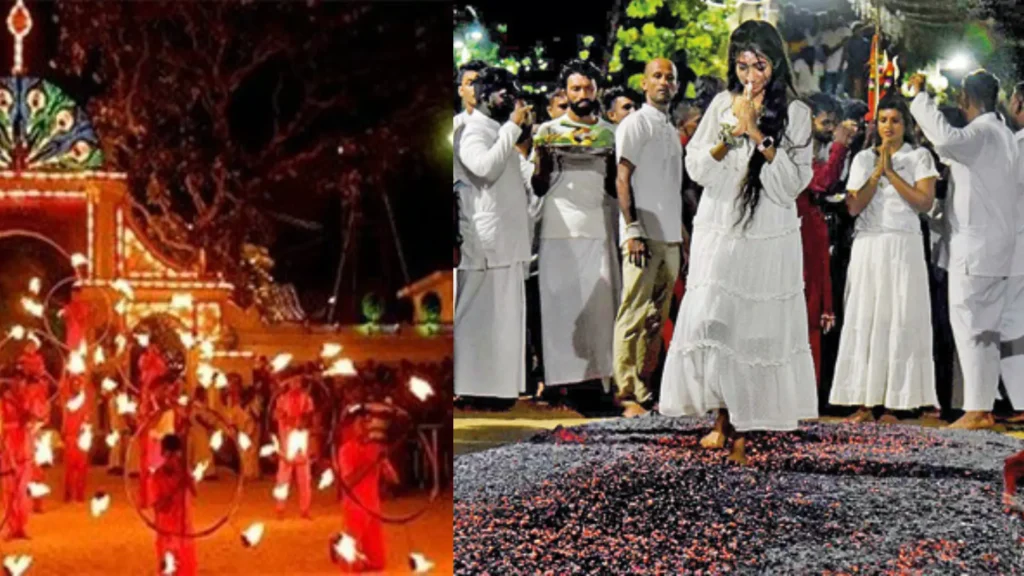
Fire, Dance and Acts of Devotion
The Kataragama festival is also known for extraordinary acts of devotion.
Devotees may perform fire-walking, carry offerings, undertake vows or participate in demanding rituals as expressions of their faith.
Traditional dancers and performers add another dimension to the celebrations. Their movements, costumes and music have been passed down through generations and remain an important part of the festival atmosphere.
The sound of drums, the glow of fire and the movement of thousands of people create an experience that is both dramatic and deeply spiritual.
For visitors, it is important to remember that these are not simply performances. They are acts of religious devotion and should be observed with respect.
When Kataragama Becomes a Sea of Devotion
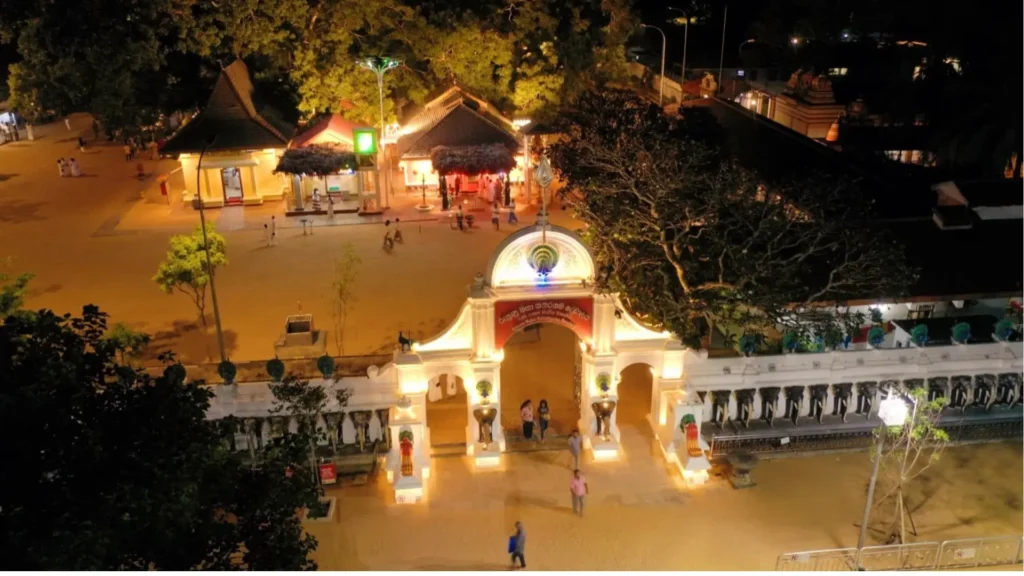
As the night progresses, the crowds continue to gather around the sacred grounds.
Families, pilgrims, priests, traditional performers and visitors all become part of the atmosphere. Offerings are carried towards the temples, prayers are made and devotees continue their rituals late into the night.
Eventually, the procession returns towards the temple, bringing another chapter of the celebration to its close.
Yet the experience does not end with the final procession.
For many devotees, Kataragama represents a personal spiritual journey — a place where promises are fulfilled, prayers are offered and traditions connect the present with generations that came before.
A Living Tradition of Sri Lanka
The true significance of Kataragama cannot be captured by its colourful processions alone.
Its greatest story is the way people continue to travel long distances, follow ancient rituals and gather together in devotion.
The festival demonstrates how Sri Lanka’s religious traditions can overlap, evolve and coexist while retaining their individual identities.
Table of Contents
Tours you might like
We care about our people. That’s why we offer Heartfelt Expedition
What is it?
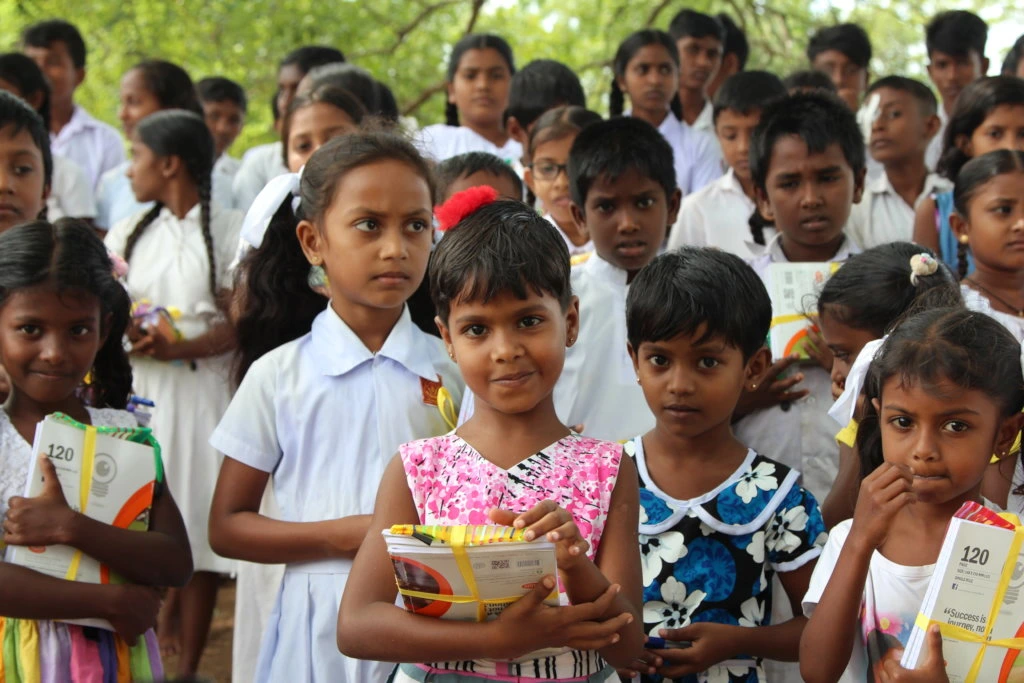
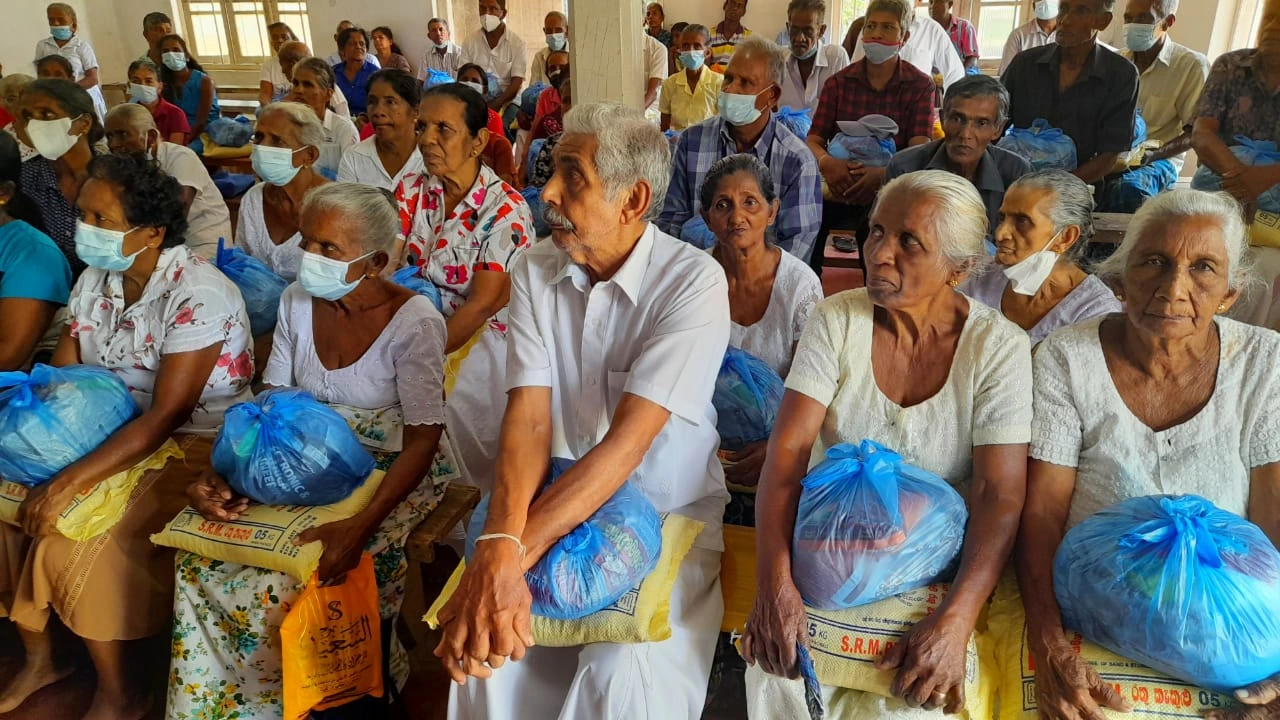
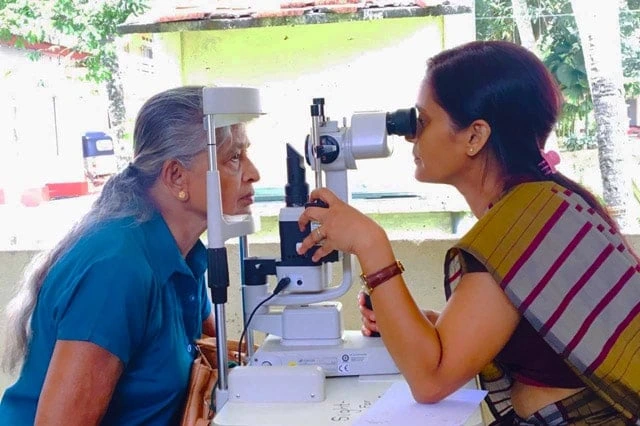
Google Ranked #1, the Heartfelt Expedition is a unique tour that invites tourists to personally engage in charitable events from the perspective of a local donor. Participants will be involved in school initiatives, elderly adoption, and community assistance throughout Sri Lanka.
Discover authentic culture and make a difference by helping local communities.