At SL VOYO, Sri Lanka’s first travel platform, we help travellers go beyond basic sightseeing and experience the island in a more meaningful way. Whether you are joining our tours or planning your own adventure, here is our friendly guide to Lamprais – one of Sri Lanka’s most unique and flavourful culinary treasures.
A Dish Wrapped in Tradition
Among Sri Lanka’s many famous dishes, Lamprais holds a very special place. Wrapped carefully inside a fragrant banana leaf, this rich and flavourful meal is more than just food – it is a reflection of the island’s multicultural history and culinary creativity.
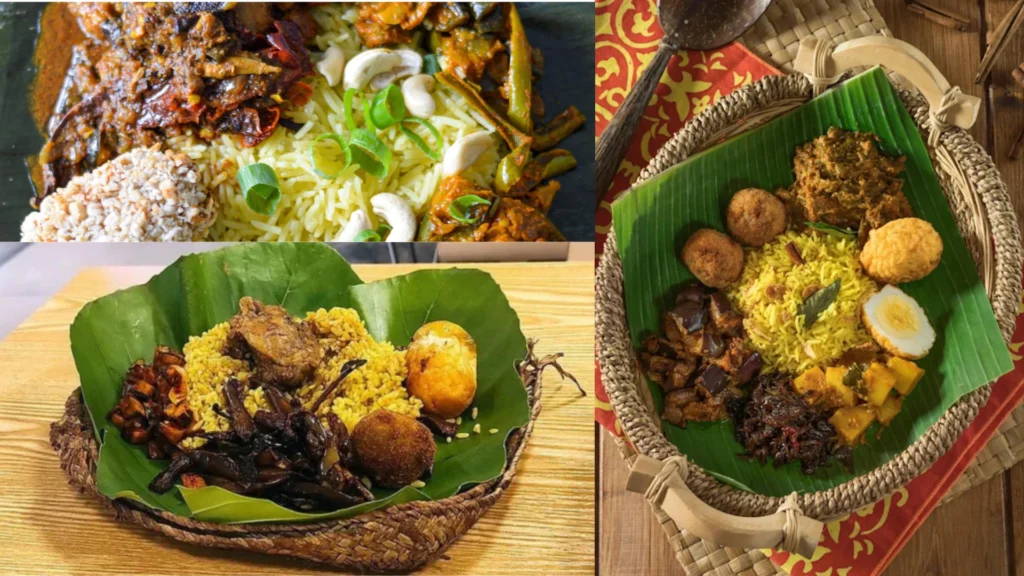
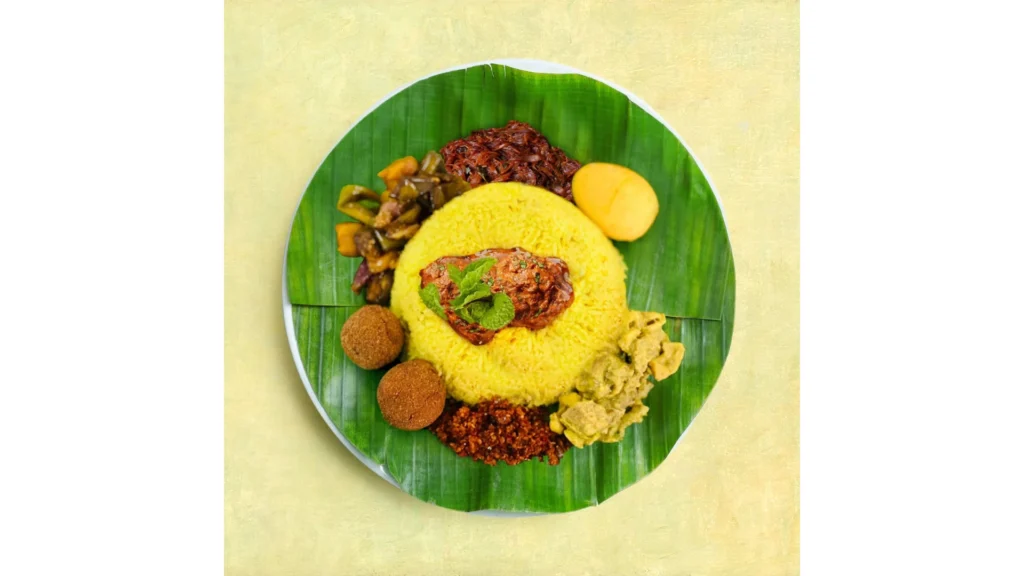
At first glance, Lamprais may seem simple, but unwrapping the banana leaf reveals an extraordinary combination of rice, meat, sambols, curries, and spiced accompaniments blended together in perfect harmony. The aroma alone is enough to excite any food lover.
This beloved dish continues to be one of Sri Lanka’s most iconic comfort foods, enjoyed by generations across the island.
The Origins of Lamprais
The story of Lamprais dates back to the colonial period and is closely connected to Sri Lanka’s Dutch Burgher community. The name is believed to have evolved from the Dutch word lomprijst, meaning “a packet of rice.”
Inspired by culinary traditions brought from Indonesia during Dutch colonial rule, the dish gradually evolved in Sri Lanka using local spices, ingredients, and cooking techniques. Over time, Lamprais became a unique fusion of Sri Lankan and Dutch Burgher flavours.
Today, it stands as one of the finest examples of how Sri Lanka’s history has shaped its food culture.
What Makes Lamprais So Special?
Traditional Lamprais is carefully prepared with several delicious components packed together inside a banana leaf before being baked. The meal usually includes fragrant rice cooked in stock, meat curry, frikkadels (Dutch-style meatballs), seeni sambol, brinjal moju, and a rich chilli paste.
Once wrapped in the banana leaf and heated, the flavours blend beautifully while the leaf itself adds a subtle earthy aroma to the dish. Every bite delivers layers of spice, sweetness, richness, and warmth.
Preparing authentic Lamprais is a labour-intensive process that requires patience and skill, which makes the dish even more treasured among Sri Lankan food lovers.
A Favourite for Special Occasions
Lamprais is often associated with celebrations, family gatherings, festive lunches, and weekend treats. Many Sri Lankan families reserve it for special occasions because of the time and effort required to prepare it properly.
Restaurants and home cooks across the island each have their own variation, with some recipes passed down through generations. Chicken, beef, pork, and even vegetarian versions are commonly enjoyed today.
For many Sri Lankans, eating Lamprais brings back memories of family meals, celebrations, and traditional Sunday lunches.
The Banana Leaf Experience
One of the most memorable parts of enjoying Lamprais is opening the banana leaf parcel itself. As the warm leaf unfolds, the rich aroma of spices and baked rice fills the air instantly.
The banana leaf is not just packaging – it plays an important role in the flavour and identity of the dish. Cooking food inside leaves has long been part of Sri Lankan culinary traditions, adding both fragrance and authenticity to the meal.
For travellers experiencing Sri Lankan cuisine for the first time, Lamprais offers something truly unforgettable.
Where to Try Lamprais in Sri Lanka
Lamprais can be found in many restaurants, cafes, bakeries, and homes throughout Sri Lanka, especially in Colombo where Dutch Burgher culinary traditions remain strong.
Some establishments continue to prepare the dish using traditional recipes, while modern chefs experiment with creative variations that still preserve its authentic character.
Food lovers exploring Colombo should never miss the opportunity to try a freshly baked Lamprais served warm inside its banana leaf wrapping.
Table of Contents
Tours you might like
We care about our people. That’s why we offer Heartfelt Expedition
What is it?
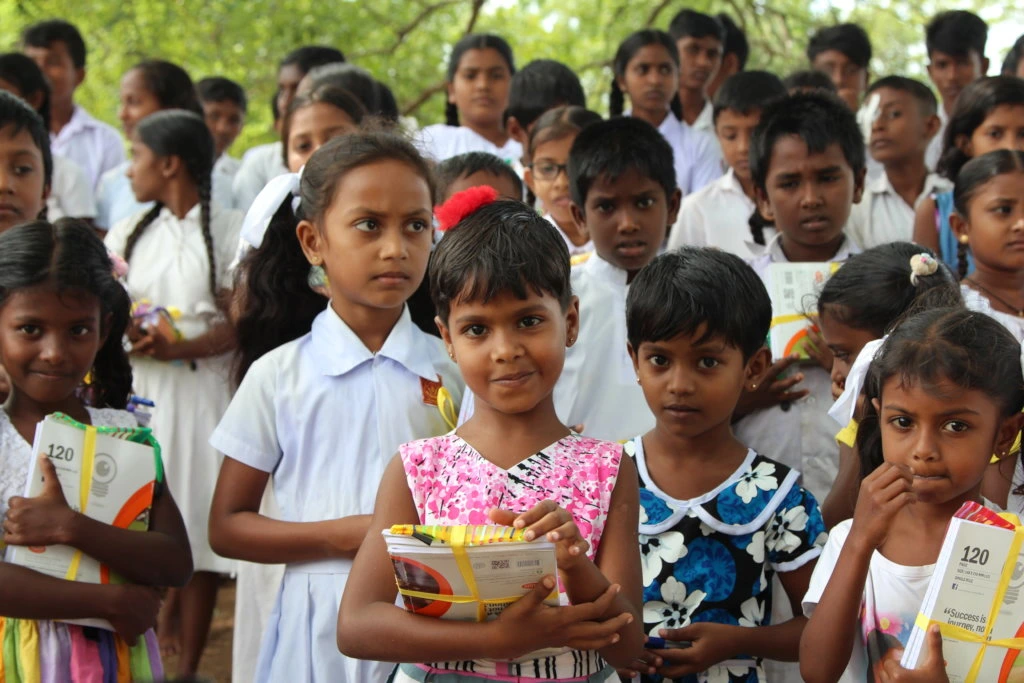
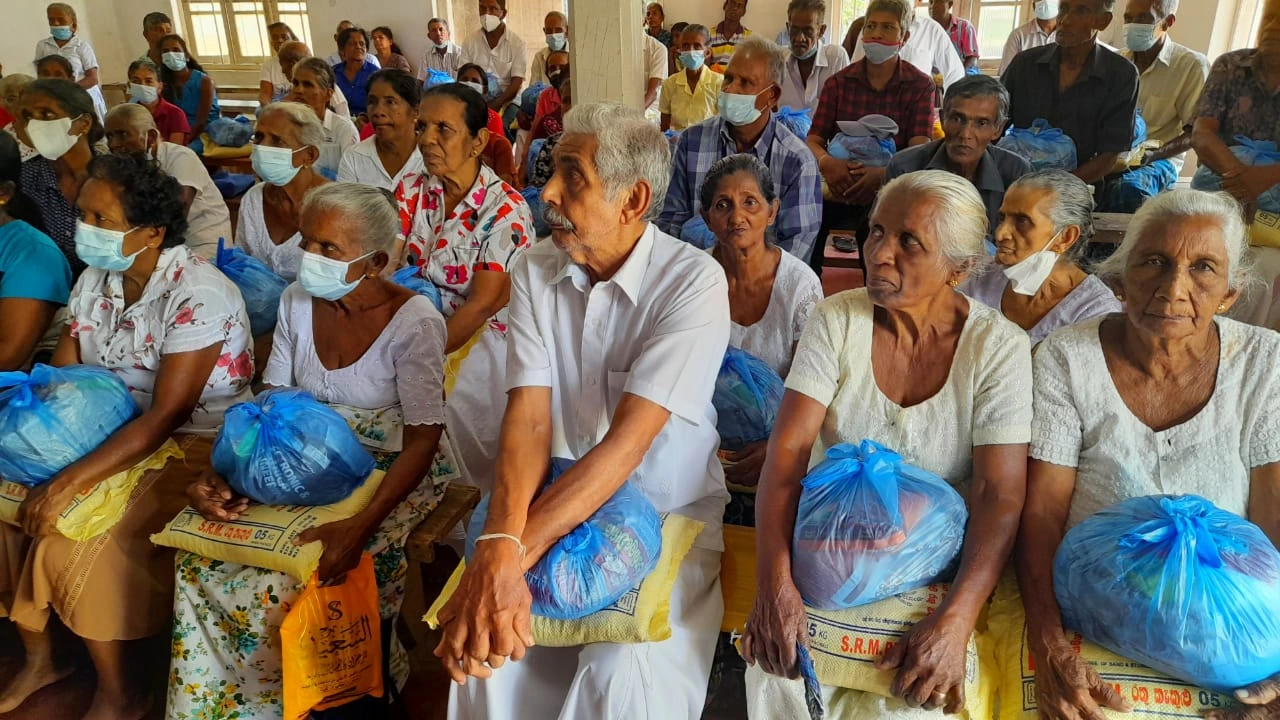
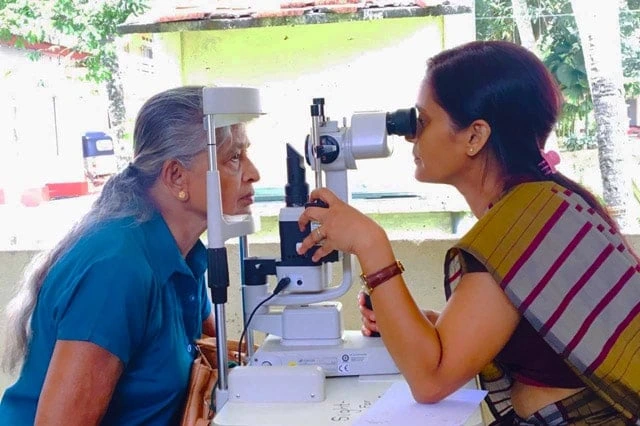
Google Ranked #1, the Heartfelt Expedition is a unique tour that invites tourists to personally engage in charitable events from the perspective of a local donor. Participants will be involved in school initiatives, elderly adoption, and community assistance throughout Sri Lanka.
Discover authentic culture and make a difference by helping local communities.