At SL VOYO, Sri Lanka’s first travel platform, we help travellers discover Sri Lanka through experiences that go beyond basic sightseeing. Whether you are joining our tours or planning your own journey, this is your friendly guide to exploring the island in a simple and meaningful way.
Sri Lanka is one of the best places in the world to see leopards in the wild. These majestic animals are not only beautiful but also play an important role in the island’s ecosystem. Seeing a leopard in its natural habitat is a truly unforgettable experience.
About Sri Lankan Leopards
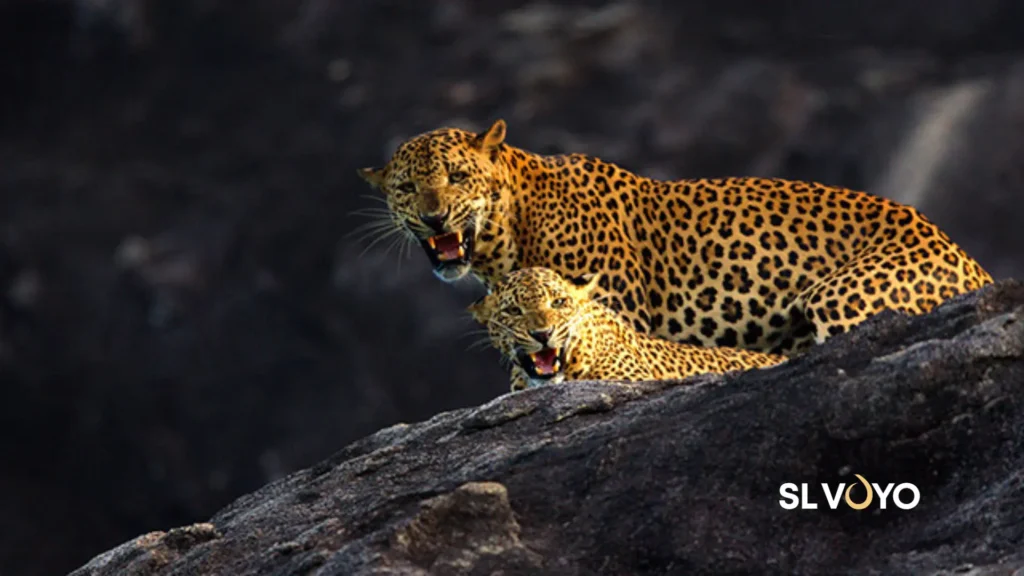
The Sri Lankan leopard is a unique subspecies found only on the island. It is one of the top predators in the country and lives in a wide range of habitats, including dry forests, rainforests, and even mountainous regions. Because of this adaptability, leopards can be found in many national parks across Sri Lanka.
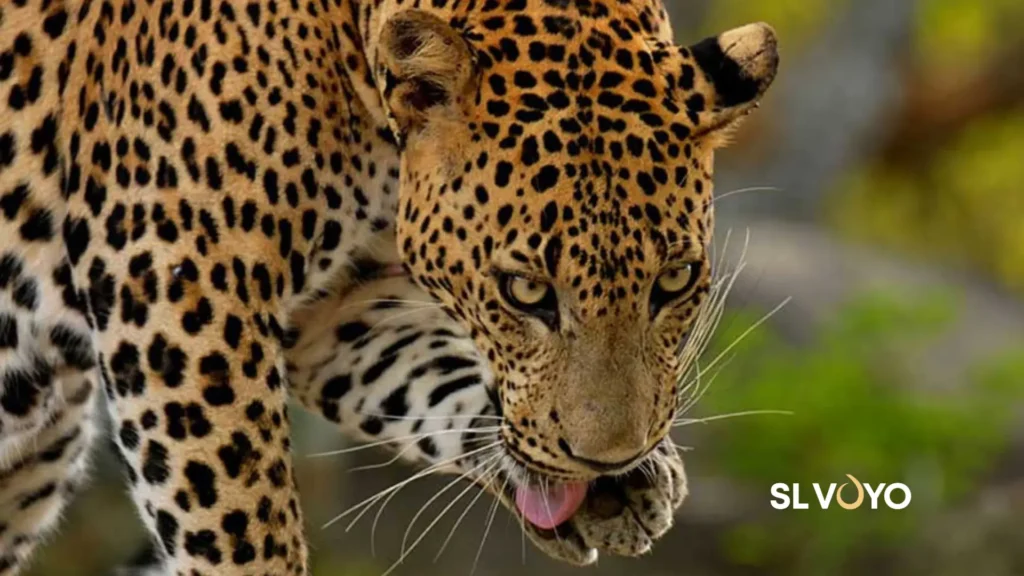
Sri Lankan leopards are known for their golden yellow coat with dark spots, which helps them blend into their surroundings. Adult males are larger and stronger, while females are slightly smaller and more agile. They are powerful animals and can carry prey much heavier than their own body weight.
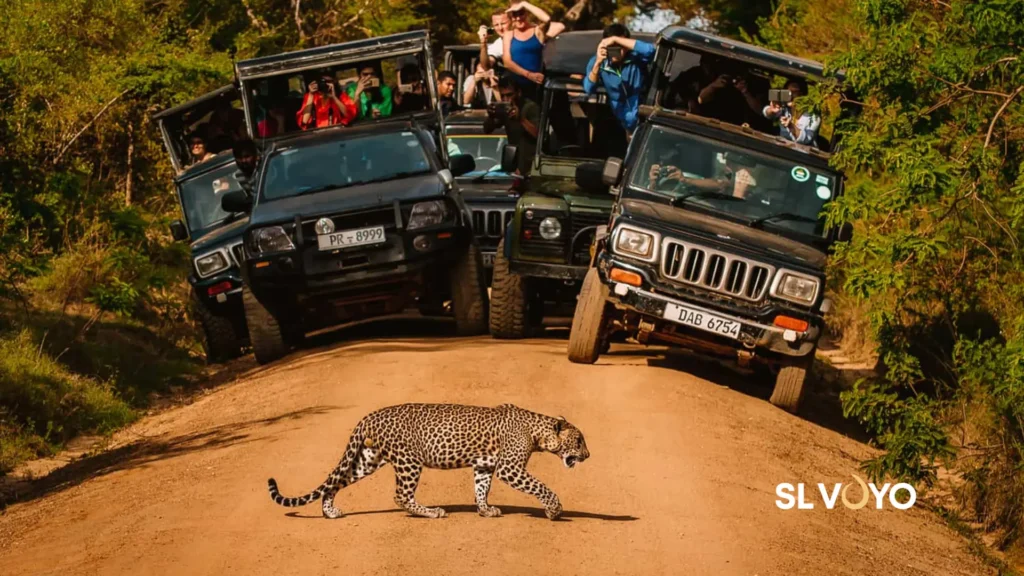
Unlike leopards in other countries, Sri Lankan leopards are often seen during the daytime. This is because no other large predators are competing with them, allowing them to move more freely. They are most active during early morning and late evening, but daytime sightings are quite common, especially in places like Yala and Kumana.
Leopards are also highly territorial animals. Each leopard has its own area, and males usually control larger territories than females. They communicate through scent markings and sounds to avoid conflict with other leopards.
Another interesting fact is that Sri Lankan leopards are excellent swimmers and climbers. They often drag their prey up trees to keep it safe from other animals and to eat in peace.
Where Leopards Live in Sri Lanka
Leopards can be found in many parts of Sri Lanka, from dry forests to wet jungles and even hill country areas. However, some national parks are especially famous for leopard sightings.
Popular Locations:
Yala National Park (highest chance of sightings)
Wilpattu National Park
Udawalawe National Park
Horton Plains (rare but possible)
Kumana National Park (very high leopard sightings)
All the above tours can be booked through SL VOYO.
These parks provide the perfect mix of forest cover, water, and prey for leopards to survive.
Leopard Behavior and Lifestyle
Sri Lankan leopards are solitary animals, which means they prefer to live and hunt alone. They are skilled hunters and mainly feed on deer, wild boar, and smaller animals.
They are also excellent climbers and often rest on tree branches during the day. Leopards are known for their strength and stealth, making them one of the most efficient predators in the wild.
Why Leopards Are Important
Leopards play a key role in maintaining the balance of nature. As top predators, they control the population of other animals, which helps keep the ecosystem healthy.
Without predators like leopards, the natural balance of forests can be disturbed, affecting many other species.
Best Time to See Leopards
Leopard sightings depend on timing, location, and a bit of luck. However, some periods offer better chances.
Best Tips for Sightings:
Visit during the dry season (May to September)
Go on early morning or late afternoon safaris
Choose experienced safari guides
Stay quiet and patient during the safari
Yala National Park is known for having one of the highest leopard densities in the world.
Practical Travel Tips
If you are planning to see leopards in Sri Lanka, here are some helpful tips:
Book safaris in advance, especially during peak season
Follow park rules and respect wildlife
Avoid loud noises and sudden movements
Carry binoculars for better viewing
Wear light, neutral-colored clothing
Conservation and Protection
Even though Sri Lanka is a great place to see leopards, they still face threats such as habitat loss and human conflict. Conservation efforts are ongoing to protect these animals and their habitats.
Supporting responsible tourism helps protect wildlife for future generations.
Table of Contents
Tours you might like
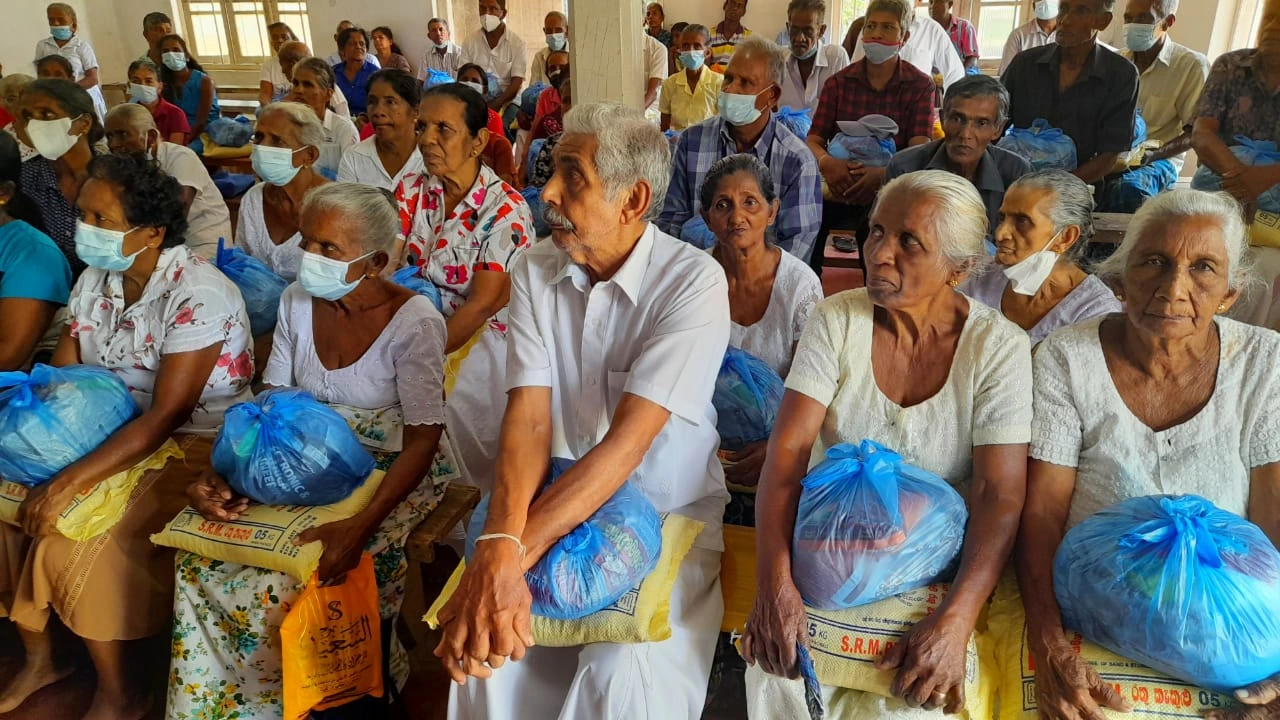
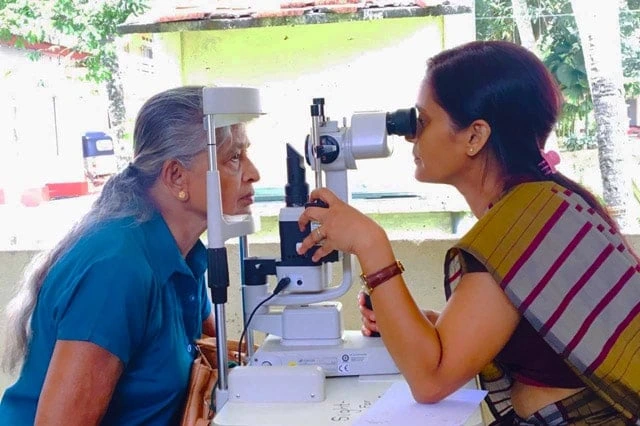
We care about our people. That’s why we offer Heartfelt Expedition
What is it?
Google Ranked #1, the Heartfelt Expedition is a unique tour that invites tourists to personally engage in charitable events from the perspective of a local donor. Participants will be involved in school initiatives, elderly adoption, and community assistance throughout Sri Lanka.
Discover authentic culture and make a difference by helping local communities.