Waterfall | Height (m) |
Bambarakanda Falls | 263 |
Kurundu Oya Falls | 189 |
Diyaluma Falls | 171 |
Laxapana Falls | 129 |
Kirindi Ella | 116 |
Ratna Ella | 111 |
Ramboda Falls | 109 |
Aberdeen Falls | 90 |
Devon Falls | 86 |
St Clair’s Falls | 73 |
Dunhinda Falls | 58 |
Victoria Falls | 12 |
Ravana Ella | 25 |
Bambarakanda is the tallest waterfall in Sri Lanka, located near Kalupahana in the Badulla district. The journey to the falls takes you through pine forests and quiet village paths.
The scenery is calm and less crowded compared to other famous waterfalls. When you reach the base, you feel the cool mist and hear the powerful drop from a great height.
A unique story is that this area was once used by locals as a hidden escape, and even today it feels untouched and peaceful.
Kurundu Oya is one of the tallest waterfalls but remains hidden in a remote area. It is surrounded by thick forest and wildlife.
The journey itself is an adventure, making it ideal for travellers who love trekking and exploring untouched nature. The view is raw and natural.
A special fact is that very few tourists visit this waterfall, so you can enjoy complete silence and privacy.
Diyaluma Falls is located near Koslanda and is one of the most scenic waterfalls in Sri Lanka. The view from the bottom is impressive, but the real experience is at the top.
At the top, you will find natural pools where you can relax and enjoy the view of the valley below. The landscape stretches far into the horizon.
According to local legend, the waterfall is connected to a love story where a prince created the falls to meet his lover.
Laxapana Falls is located near Maskeliya, surrounded by tea estates and mountain views. The journey to the waterfall includes steep steps and lush greenery.
The waterfall is powerful and wide, especially during the rainy season. The sound of water echoes through the valley.
A local story says that Lord Buddha visited this area, making it spiritually important.
Kirindi Ella is located near Pelmadulla and is known for its wide and strong flow. It is surrounded by forest and small villages.
The scenery is peaceful, and the waterfall spreads across a rocky surface, creating a different look compared to tall narrow falls.
A unique fact is that it is one of the lesser-known waterfalls, making it ideal for quiet visits.
Ratna Ella is one of the widest waterfalls in Sri Lanka, located in the Ratnapura district. It flows through a rural landscape with farms and greenery.
The waterfall plays an important role in irrigation, supporting local agriculture. The surroundings are simple and natural.
A special story is that villagers depend on this waterfall for their daily water needs.
Ramboda Falls is located along the road to Nuwara Eliya, making it one of the easiest waterfalls to visit. It is surrounded by hills and tea plantations.
There are viewpoints and hotels nearby where you can enjoy the view without much effort. The waterfall looks especially beautiful after rain.
A key fact is that this is one of the most photographed waterfalls due to its easy access and scenic setting.
Aberdeen Falls is located near Ginigathhena and hidden within a forest area. To reach it, you must walk through a scenic path.
The waterfall drops into a deep pool, surrounded by thick greenery. It feels like a hidden paradise.
The name comes from Aberdeen in Scotland, reflecting colonial influence in Sri Lanka.
Devon Falls is located near Talawakele and is often called the “Veil of the Valley.” It can be viewed easily from the roadside.
The waterfall flows smoothly over a rock face, creating a soft and elegant appearance. The surrounding tea estates add to the beauty.
It is named after a British planter named Devon, linking it to Sri Lanka’s colonial past.
St Clair’s Falls is known as the “Little Niagara of Sri Lanka.” It is one of the widest waterfalls in the country.
Located near Talawakele, it is surrounded by tea plantations and rolling hills. The view is especially beautiful during the rainy season.
The waterfall was named after a British plantation owner, and it remains one of the most scenic roadside views.
Dunhinda Falls is located near Badulla and is one of the most famous waterfalls in Sri Lanka. You need to walk through a forest path to reach it.
As the water falls, it creates a smoky mist, giving the waterfall its name. The surrounding area is lush and refreshing.
A unique fact is that this misty effect makes it one of the most photographed waterfalls in Sri Lanka.
Victoria Falls is located near the Victoria Dam. It is smaller compared to others but still offers a calm environment.
The area is quiet and less crowded, making it suitable for short visits. The surrounding reservoir adds to the scenery.
It is named after the Victoria Dam, one of the major hydroelectric projects in Sri Lanka.
Ravana Ella is one of the most famous waterfalls in Sri Lanka, located near Ella town. It is easily accessible from the main road.
The waterfall flows down rocky cliffs and is surrounded by caves and forest. It is a popular stop for travellers.
According to legend, King Ravana hid Princess Sita in a cave behind this waterfall, making it an important cultural site.
The tallest waterfall in Sri Lanka is Bambarakanda Falls, standing at 263 meters in the Badulla district.
Diyaluma Falls is one of the best for swimming, especially at the natural pools located at the top.
The best time is during or just after the rainy seasons (May–September and October–January) when waterfalls are full and powerful.
Ravana Ella, Devon Falls, Ramboda Falls, and St Clair’s Falls are easily accessible from main roads.
Yes, most waterfalls are safe, but visitors should be careful on wet rocks and avoid swimming during heavy rains.
Ravana Ella and Diyaluma Falls are the closest and most popular waterfalls near Ella.
Yes, waterfalls like Bambarakanda, Dunhinda, and Aberdeen require short hikes through scenic nature trails.
St Clair’s Falls is known as the “Little Niagara” because of its wide and powerful flow.
Yes, Ravana Ella is linked to the Ramayana legend, and Laxapana Falls is believed to have historical religious significance.
It is best to carry comfortable shoes, water, a camera, and extra clothes if you plan to swim or get wet.
What is it?
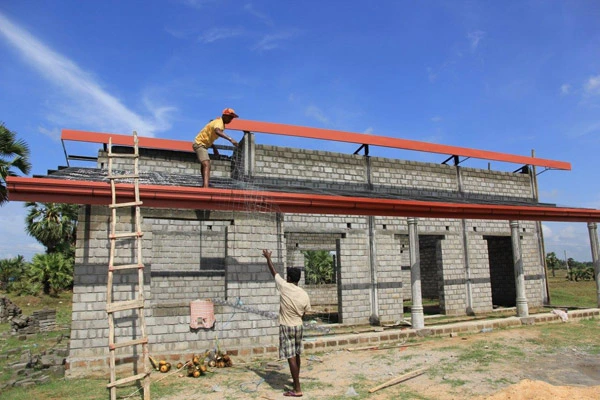
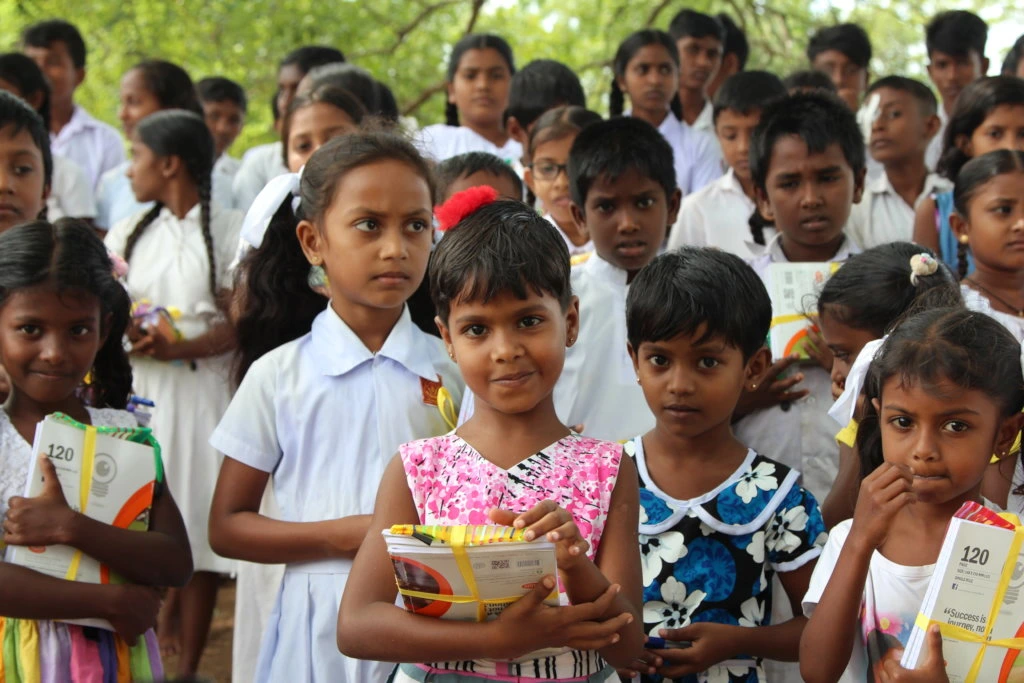
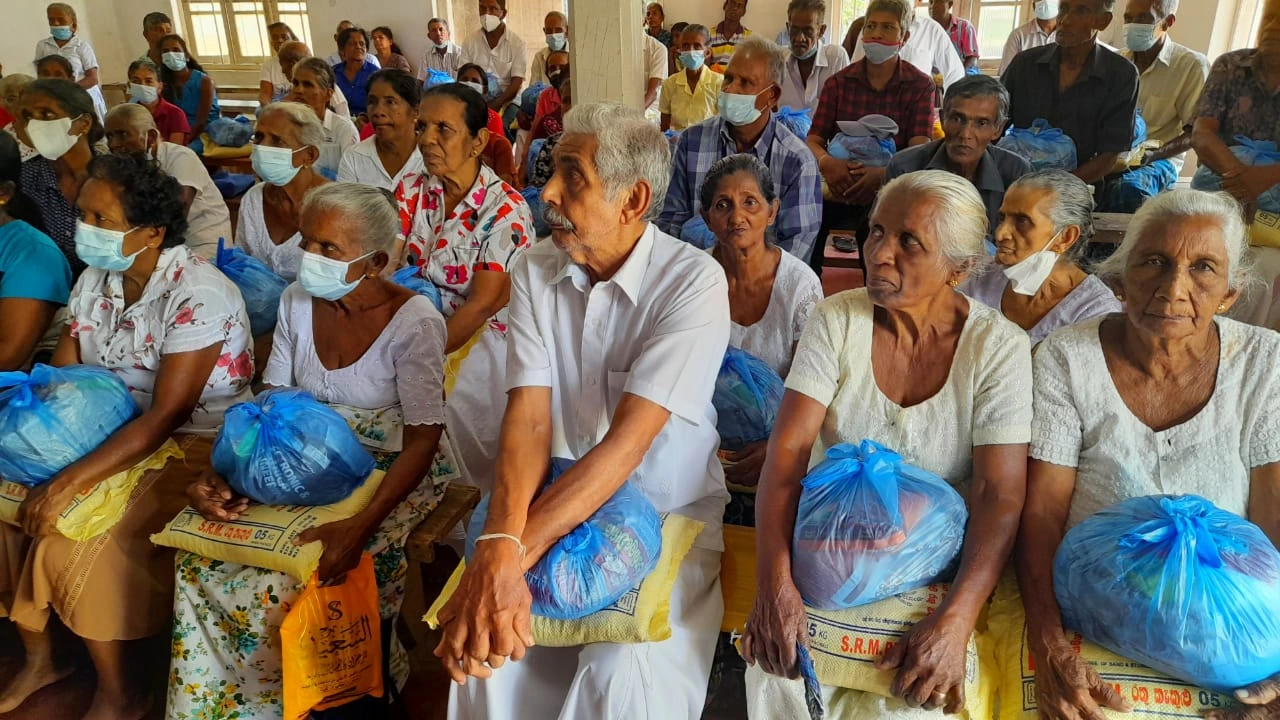
Google Ranked #1, the Heartfelt Expedition is a unique tour that invites tourists to personally engage in charitable events from the perspective of a local donor. Participants will be involved in school initiatives, elderly adoption, and community assistance throughout Sri Lanka.
Discover authentic culture and make a difference by helping local communities.