At SL VOYO, Sri Lanka’s first travel platform, we help travellers discover Sri Lanka through experiences that go beyond basic sightseeing. Whether you are joining our tours or planning your own journey, this is your friendly guide to exploring the island in a simple and meaningful way.
Sri Lanka is rich in plant life, from coastal mangroves to diverse forests and flowering plants. These ecosystems not only support wildlife but also play a key role in protecting the environment and supporting local communities.
Mangroves in Sri Lanka
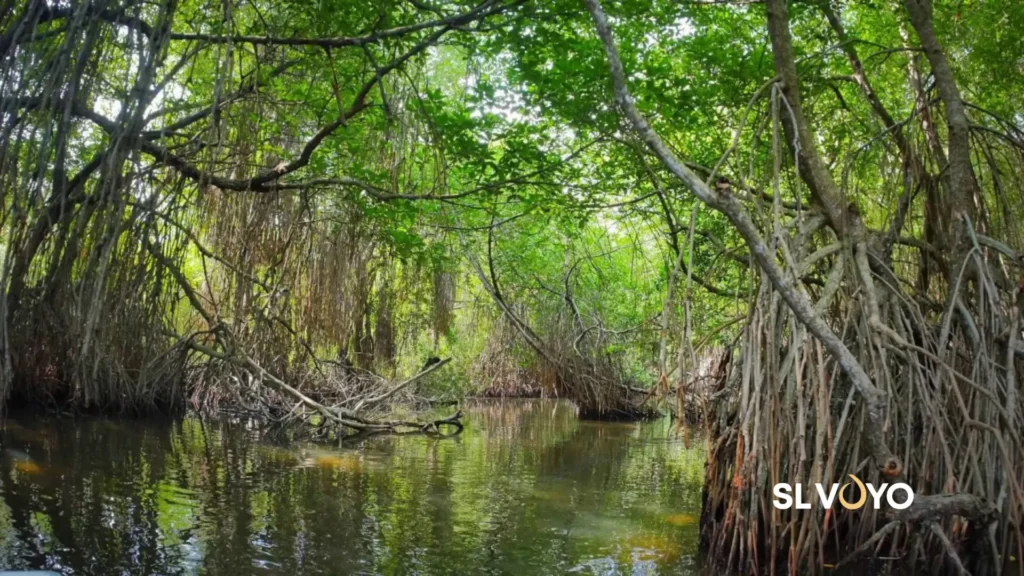
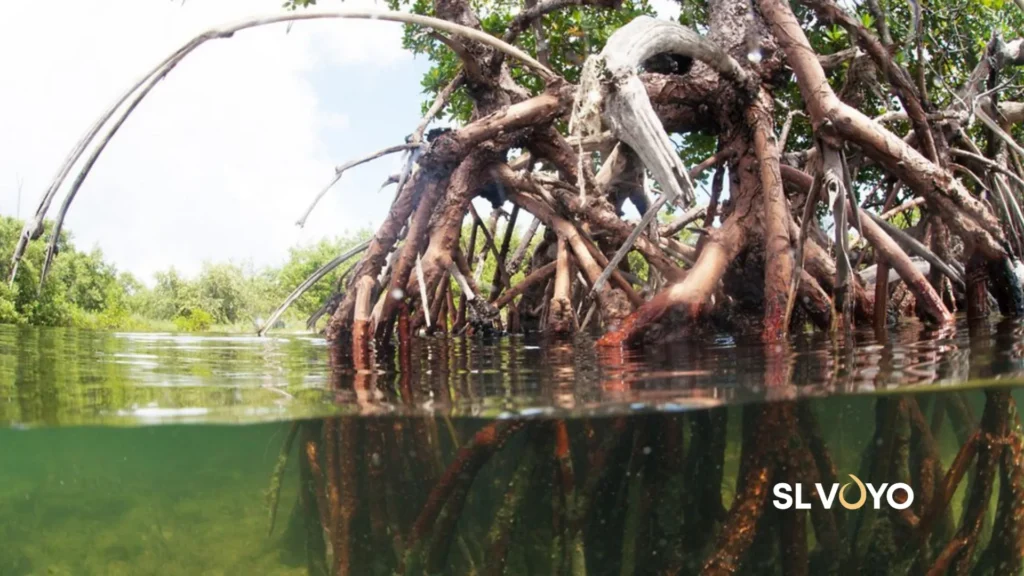
Mangroves are found along the coastal areas of Sri Lanka, especially near lagoons, estuaries, and river mouths. These unique ecosystems grow in salty or brackish water and are specially adapted to survive in such conditions.
Sri Lanka has around 6,000 to 7,000 hectares of mangroves. The largest mangrove areas can be found in places like Puttalam Lagoon, Batticaloa, and Trincomalee. Some areas, like the Kala Oya estuary, remain well preserved, while others face pressure from tourism and development.
Mangroves grow in muddy coastal zones and act as important breeding grounds for marine life. Fish, crabs, and other sea creatures depend on these habitats for survival.
Importance of Mangroves
Mangroves are extremely valuable to both nature and people. They protect coastlines and support marine ecosystems while also providing resources for local communities.
Key Benefits:
Protect coastal areas from erosion and waves
Provide breeding grounds for fish and marine life
Support local fishing communities
Help reduce the impact of storms and floods
Absorb carbon and improve environmental health
Mangrove plants also have special features that allow them to survive in salty water. Some species can filter salt or release it through their leaves.
Local Uses of Mangroves
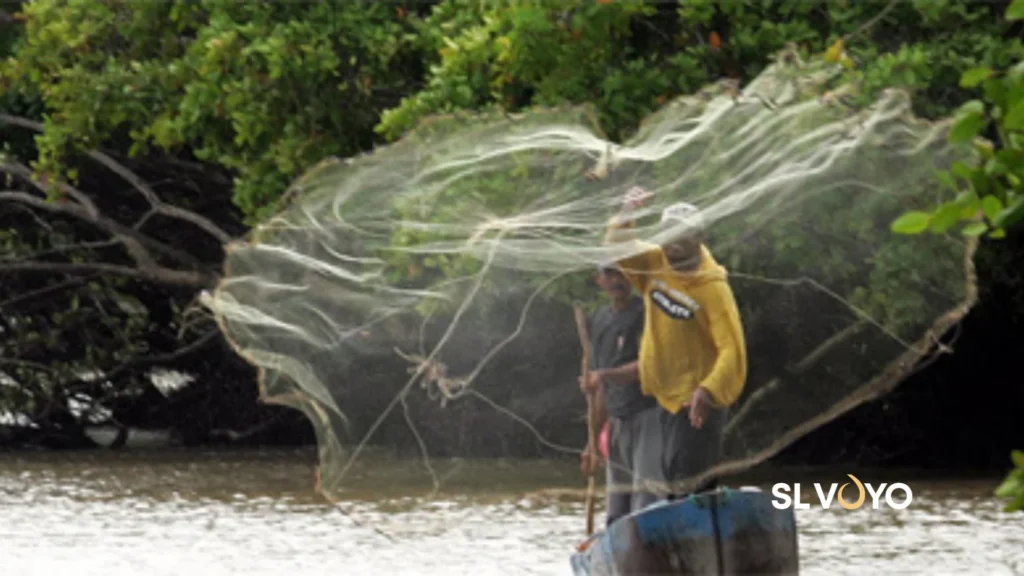
For many years, coastal communities in Sri Lanka have lived close to mangrove ecosystems and used their resources in sustainable ways. Mangrove-fringed lagoons provide seafood such as fish, crabs, and shellfish.
Some plants are also used in daily life. For example, certain leaves are used in cooking, and fruits like kirala are used to make traditional drinks. In some areas, sap from mangrove palms is used to produce toddy.
A traditional fishing method called “Mas Athu” is still practiced in places like Negombo. Fishermen place mangrove branches in the water to attract fish, which are later collected using nets.
Flora of Sri Lanka
Sri Lanka has a very rich and diverse plant life, with thousands of species found across the island. Many of these plants are native, and a significant number are found nowhere else in the world.
The island has over 4,000 species of flowering plants, with a large percentage being indigenous. A notable portion of these plants are endemic, meaning they are unique to Sri Lanka.
This diversity is especially high in the wet zone forests, where most endemic species are concentrated.
Unique Plant Species and Flowers
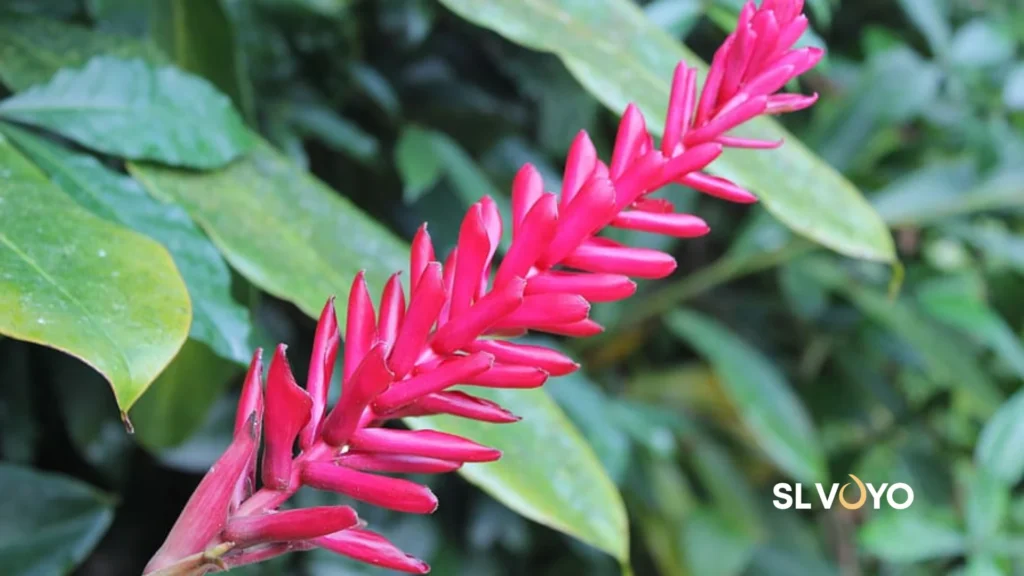
Sri Lanka is known for its beautiful flowers and unique plant species. Many of these plants grow naturally in forests, while others are found in gardens and plantations.
Some well-known local flowers include:
Katu imbul
Binara
Murutha
Nelu
Sri Lanka is also famous for its orchids, many of which are endemic. These orchids are known for their bright colors and unique shapes, making them special attractions for nature lovers.
History of Plant Diversity
Sri Lanka’s plant diversity has been influenced by history and trade. Over the years, many plants were introduced from countries like India, Malaysia, China, and Arab regions.
Later, European traders introduced crops such as cashew, pineapple, and cassava. The British introduced major plantation crops like tea and rubber, which are still important to the country today.
This mix of native and introduced plants has made Sri Lanka’s flora even more diverse.
Why Flora and Mangroves Matter
Mangroves and plant life are essential for maintaining Sri Lanka’s natural balance. They support biodiversity, protect the environment, and provide food and resources for people.
Conserving these ecosystems is important for both nature and future generations.
Practical Travel Tips
If you want to explore mangroves and flora in Sri Lanka, here are some simple tips:
Visit Madu River or Negombo Lagoon for mangrove experiences
Explore Sinharaja Forest Reserve for rich plant diversity
Travel to Peradeniya Botanical Gardens for curated flora
Hire a local guide to learn more about plants
Avoid damaging plants or disturbing natural habitats
Table of Contents
Tours you might like
We care about our people. That’s why we offer Heartfelt Expedition
What is it?
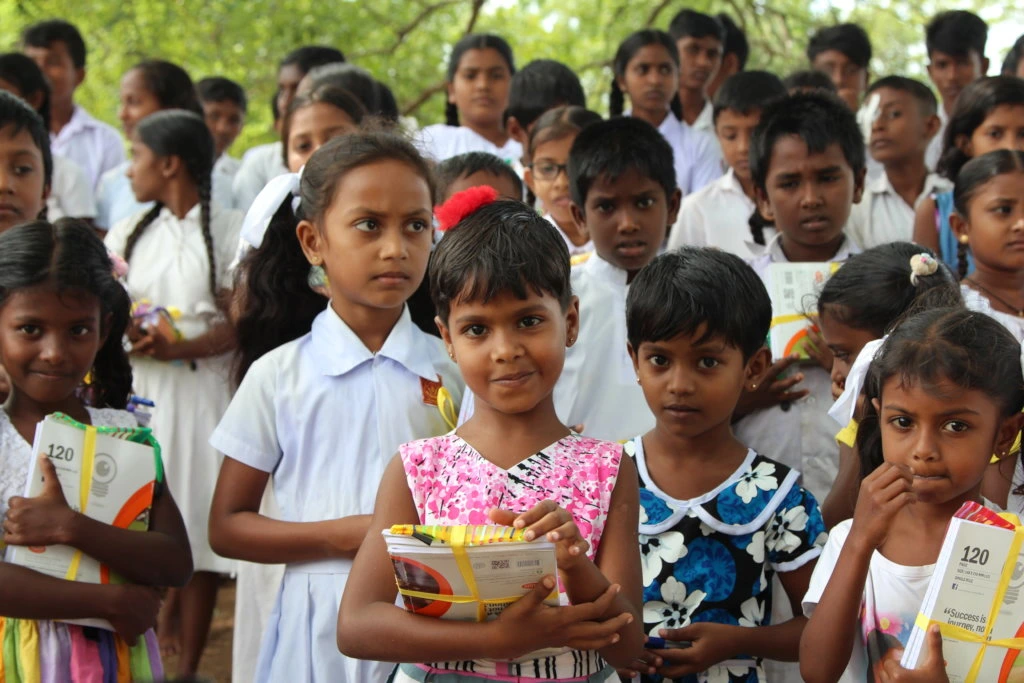
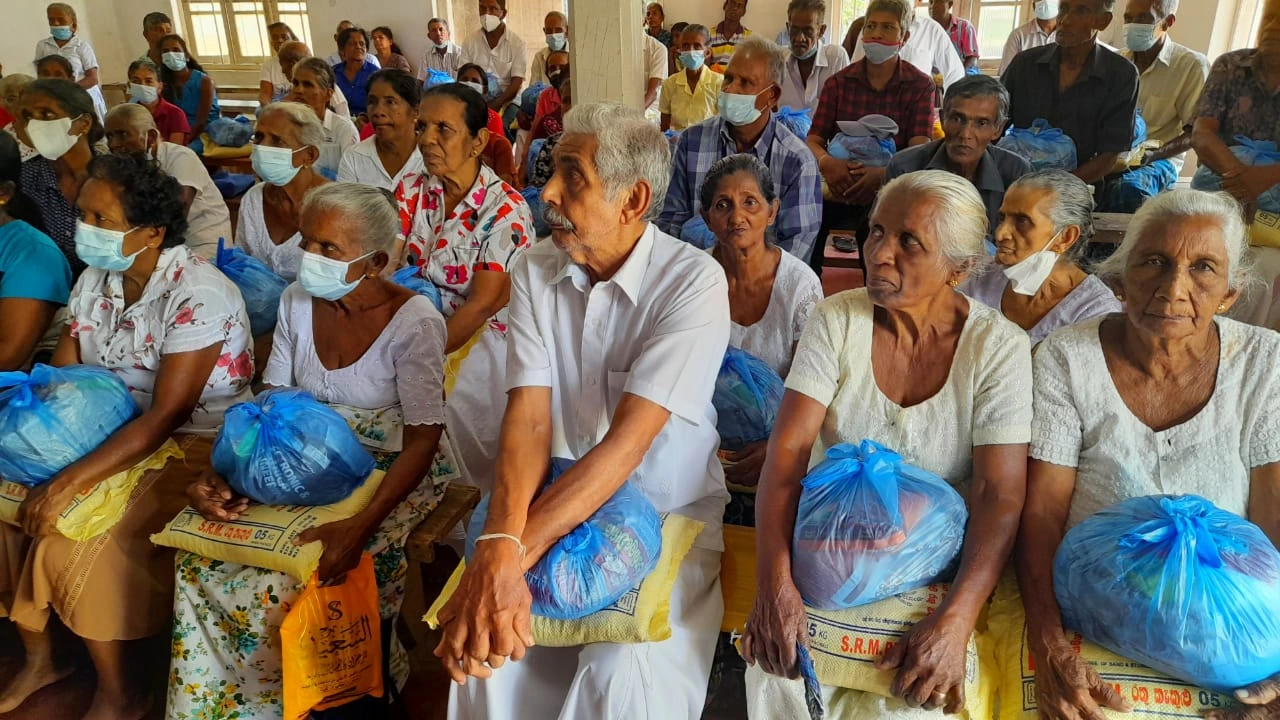
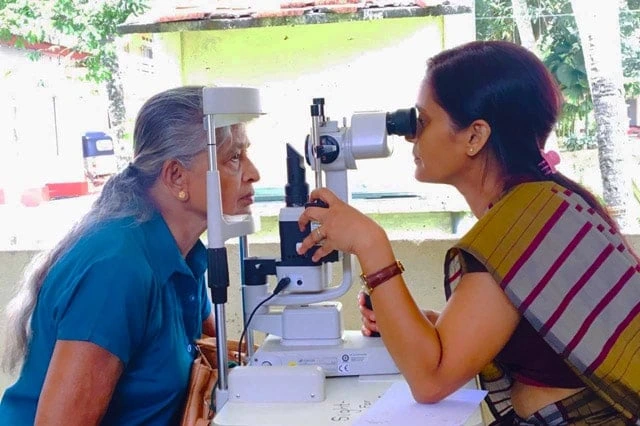
Google Ranked #1, the Heartfelt Expedition is a unique tour that invites tourists to personally engage in charitable events from the perspective of a local donor. Participants will be involved in school initiatives, elderly adoption, and community assistance throughout Sri Lanka.
Discover authentic culture and make a difference by helping local communities.