At SL VOYO, Sri Lanka’s first travel platform, we help travellers discover Sri Lanka through experiences that go beyond basic sightseeing. Beyond its natural beauty and cultural heritage, Sri Lanka is also rich in natural resources. From world-famous gemstones to evolving energy systems, the island’s mineral and energy sectors play an important role in shaping its economy and future development.
Sri Lanka possesses a wide variety of economically valuable minerals. These include gemstones, graphite, ilmenite, limestone, quartz, mica, industrial clays, and mineral sands. Although the country does not have large deposits of fuel minerals, it has significant non-metallic and industrial mineral resources that support manufacturing industries such as ceramics, glass, cement, bricks, and tiles. The only known fuel-related resource is low-grade peat found in areas like Muthurajawela, while there remains potential for petroleum exploration, particularly in the north-western offshore regions.
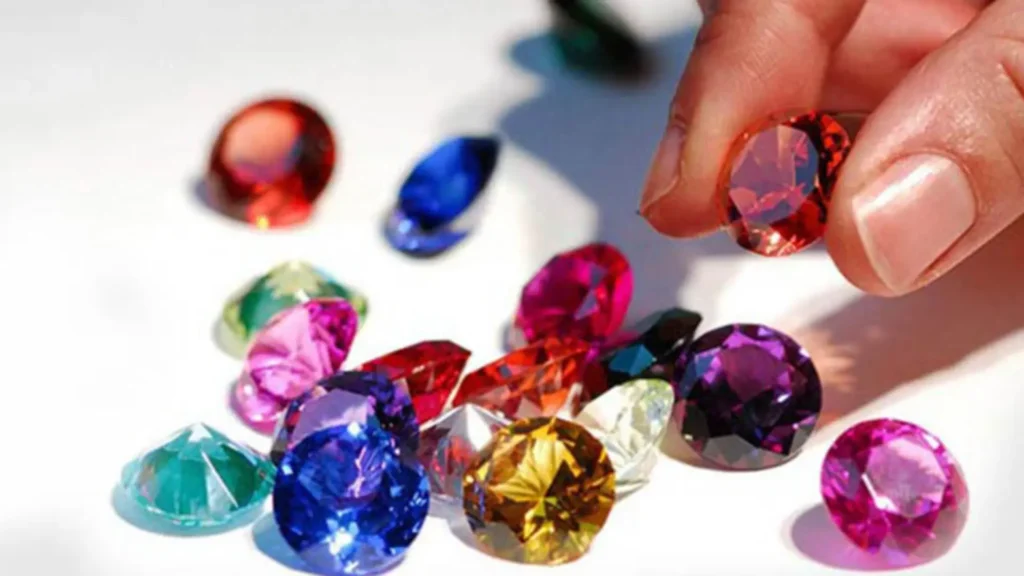
Sri Lanka has been famous since ancient times for its abundance of precious and semi-precious stones, earning the name “Ratna-Dweepa” (Island of Gems). Historical records from travellers like Marco Polo and Ibn Battuta highlight the island’s reputation for producing some of the finest gemstones in the world.
The country is especially known for high-quality stones such as sapphire, ruby, chrysoberyl, spinel, beryl, and topaz. Among these, blue sapphires are considered one of Sri Lanka’s most valuable exports, with the island being one of the world’s leading suppliers. Ratnapura, often called the “City of Gems,” contains the richest gem deposits in the country.
In modern Sri Lanka, the gem industry is regulated by the National Gem and Jewellery Authority (NGJA), ensuring sustainable mining and international trade standards. By 2026, Sri Lanka is focusing on ethical sourcing, traceable gemstones, and luxury branding, strengthening its global position in the high-value gem market.
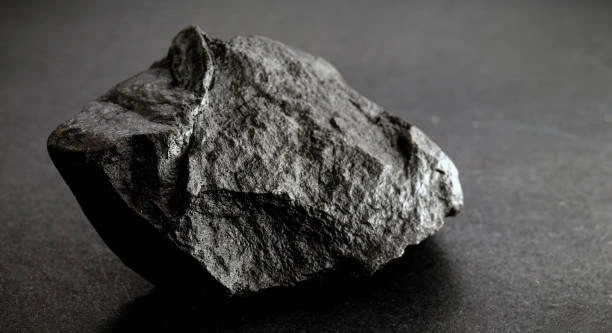
Sri Lanka’s graphite industry is one of the oldest in the world, with mining and exports dating back to the early 19th century. The country is known for producing some of the highest-quality vein graphite globally, found mainly in the western, south-western, and north-central regions.
Other important industrial minerals include ilmenite and monazite, which are found in coastal mineral sands and are sources of titanium and rare earth elements. These minerals are strategically important for modern industries, including electronics and renewable energy technologies.
Additionally, Sri Lanka has abundant deposits of kaolin (white clay), quartz, feldspar, and dolomite, which support the ceramic and glass industries. By 2026, there is growing attention toward value-added mineral processing and export diversification, rather than relying solely on raw material exports.
Mineral resources play a key role in Sri Lanka’s manufacturing sector. Industries such as cement production, ceramics, glass manufacturing, and tile production rely heavily on locally available raw materials.
The ceramic industry, in particular, has developed into a successful export sector, producing items such as sanitary ware, decorative tiles, and electrical insulators. Similarly, quartz and feldspar are widely used in glass and ceramic production.
In 2026, Sri Lanka is increasingly investing in sustainable mining practices, environmental protection, and industrial innovation to ensure long-term growth while preserving natural ecosystems.
Sri Lanka’s energy sector has evolved significantly over time. Traditionally, the country relied heavily on biomass (mainly fuel wood), hydropower, and imported petroleum. Biomass once accounted for nearly half of the country’s energy consumption, especially in rural households.
Hydropower has historically been a major source of electricity, with large projects such as the Laxapana and Mahaweli schemes playing a central role in power generation. However, as demand increased, thermal power—particularly oil-based generation—became more prominent.
By 2026, Sri Lanka is undergoing a major transition toward renewable energy sources, including solar, wind, and small-scale hydro power. The government aims to reduce dependency on imported fuel and move toward a more sustainable and energy-secure future.
Hydropower remains one of Sri Lanka’s most important renewable energy sources, utilizing river systems such as the Mahaweli, Kelani, and Kalu rivers. However, hydroelectric output depends heavily on rainfall, making it vulnerable to climate variability.
As a result, Sri Lanka is rapidly expanding its renewable energy sector. Solar power projects, rooftop solar systems, and wind farms—especially in coastal and northern regions—are becoming increasingly important.
In 2026, the country is targeting a significant increase in renewable energy contribution, aiming for a cleaner energy mix that reduces carbon emissions and supports sustainable development.
Sri Lanka’s petroleum sector has historically depended on imports. The Ceylon Petroleum Corporation (CPC), established in 1961, manages the refining and distribution of petroleum products, with the Sapugaskanda refinery playing a central role.
Demand for petroleum, particularly diesel and fuel oil, continues to grow due to transportation and thermal power generation. However, this dependency on imports creates economic challenges, especially during global price fluctuations.
By 2026, Sri Lanka is focusing on energy diversification, LNG projects, and renewable alternatives to reduce reliance on fossil fuels and improve energy security.
Sri Lanka’s mineral and energy sectors are at a turning point. While the country continues to benefit from its rich natural resources, the future lies in sustainable development, technological advancement, and global competitiveness.
The shift toward ethical mining, renewable energy, and value-added industries is helping Sri Lanka balance economic growth with environmental responsibility. These sectors not only support the economy but also connect deeply with the country’s landscapes and communities.
What is it?
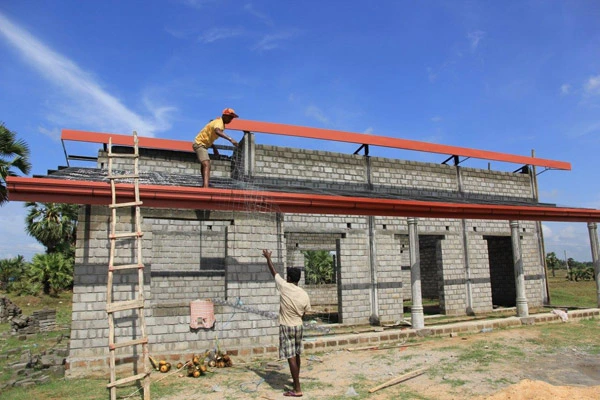
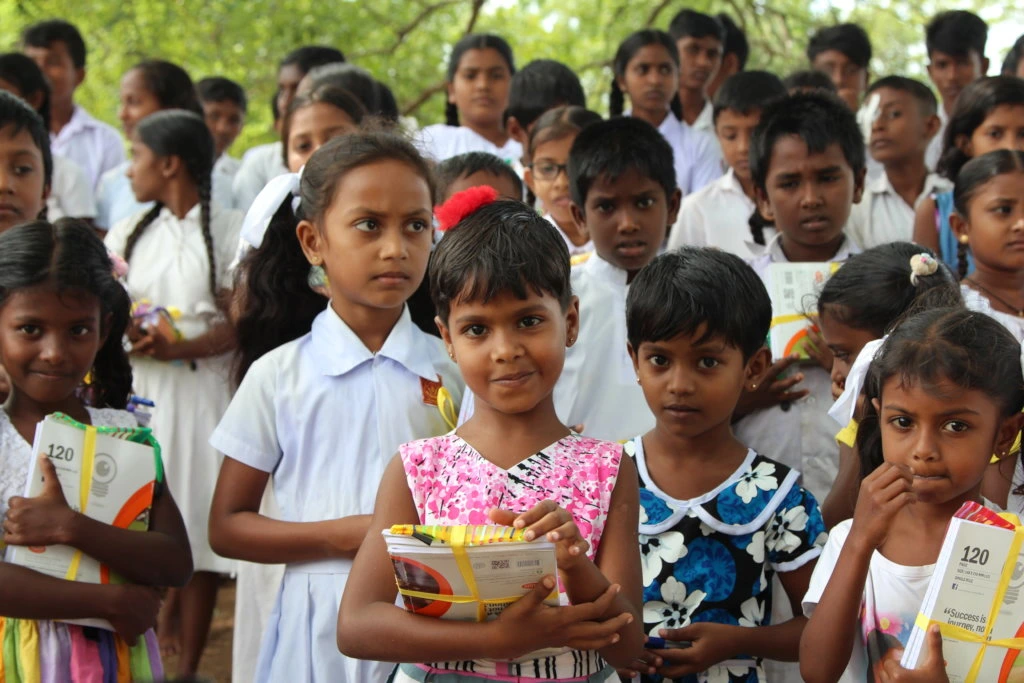
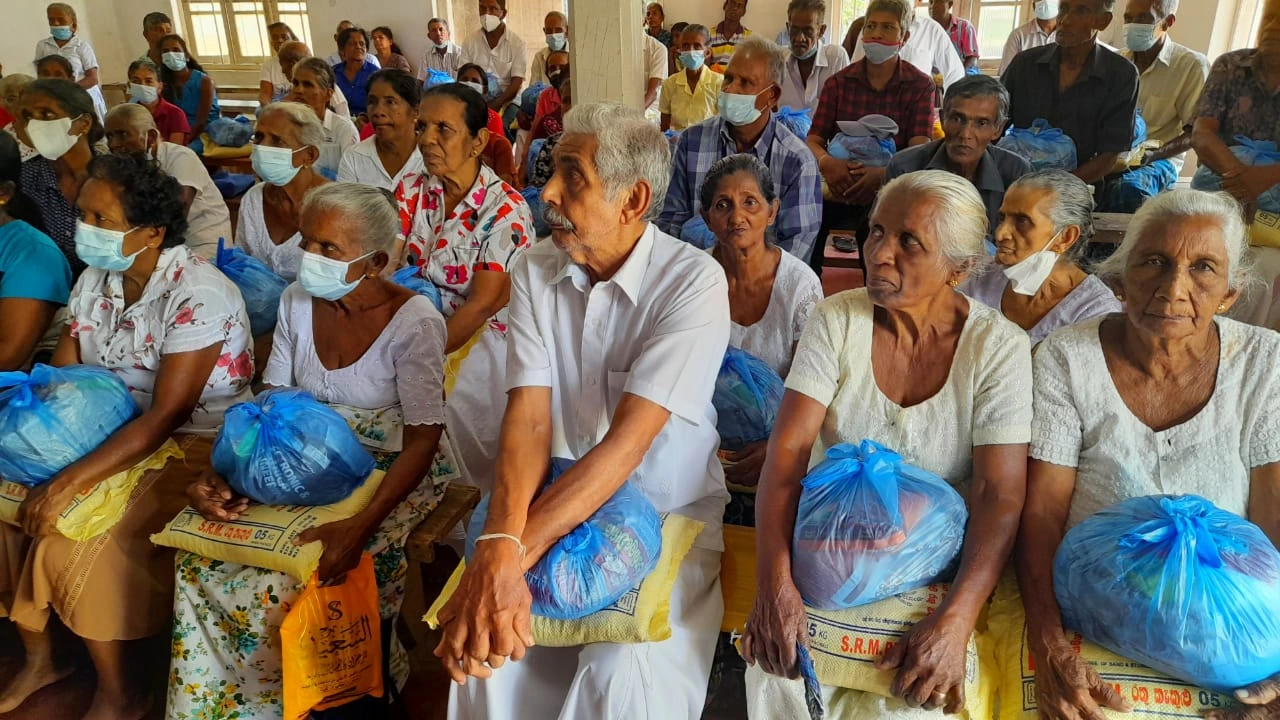
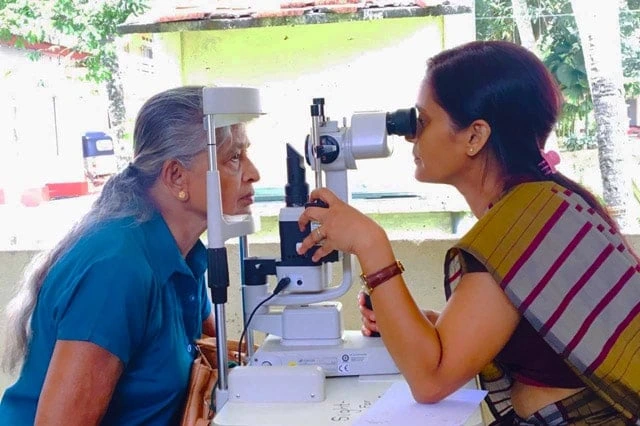
Google Ranked #1, the Heartfelt Expedition is a unique tour that invites tourists to personally engage in charitable events from the perspective of a local donor. Participants will be involved in school initiatives, elderly adoption, and community assistance throughout Sri Lanka.
Discover authentic culture and make a difference by helping local communities.