At SL VOYO, Sri Lanka’s first travel platform, we help travellers discover Sri Lanka through experiences that go beyond basic sightseeing. Whether you are joining our tours or planning your own journey, this is your friendly guide to exploring the island in a simple and meaningful way.
Sri Lanka’s national parks are among the richest wildlife destinations in Asia. From elephants and leopards to rare birds and marine life, these parks offer unforgettable experiences for nature lovers.
National Parks in Sri Lanka are protected areas created to conserve wildlife, ecosystems, and natural landscapes. These parks allow visitors to experience nature while protecting biodiversity for future generations.
Sri Lanka has a wide range of parks across dry zones, rainforests, wetlands, and coastal ecosystems.
Sri Lanka’s conservation history dates back to the early 20th century, when many areas were first declared as sanctuaries and later upgraded to national parks.
These parks were created not only to protect animals like elephants and leopards but also to safeguard water sources, forests, and entire ecosystems. Today, Sri Lanka is considered one of the best places in the world for wildlife safaris due to its high biodiversity within a small area.
Wilpattu National Park, covering over 1,300 km², is the largest national park in Sri Lanka. Located in the north-western part of the island, it stretches inland from the coast and is about 30 km west of Anuradhapura. The name “Wilpattu” comes from the Sinhala words “villu” (natural lakes) and “pattu” (region), referring to the many rain-fed lakes scattered throughout the park.
What makes Wilpattu truly unique is this system of villus—shallow natural lakes that fill with rainwater. These water sources attract wildlife, making them key spots for sightings. The landscape is a mix of dense forest, scrubland, and open grassy areas, creating a balanced ecosystem that supports a wide variety of animals.
The park is home to over 30 species of mammals, including leopards, elephants, sloth bears, spotted deer, wild boar, and water buffalo. Wilpattu is especially known for its elusive leopard population, offering one of the best chances in Sri Lanka to spot these animals in a more natural and less crowded environment compared to Yala.
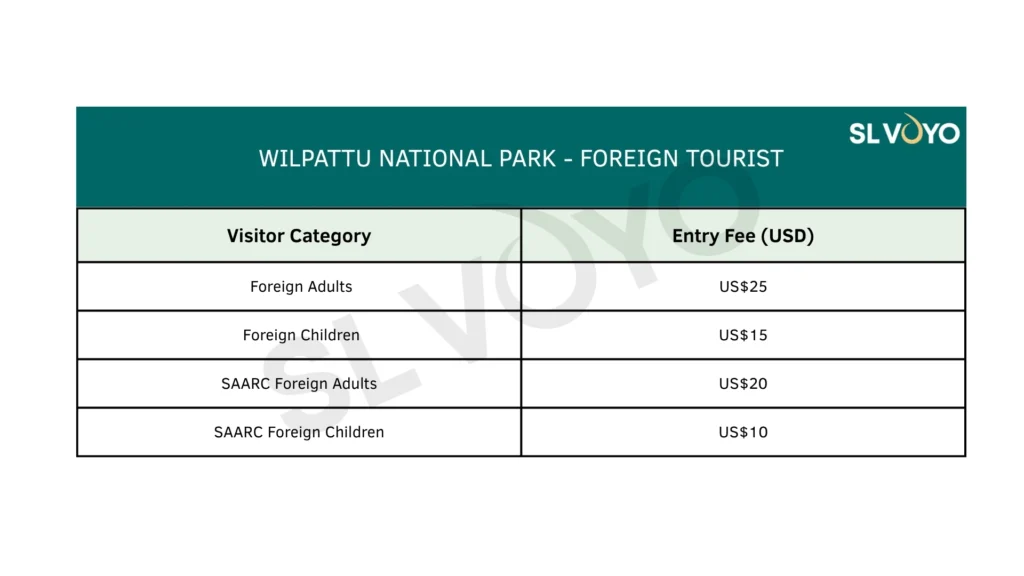
Birdlife in Wilpattu is also impressive, with over 150 species recorded. Visitors can see birds such as painted storks, egrets, hornbills, eagles, and many migratory species during the season. The park’s lagoons and coastal areas also support marine and wetland life, including crocodiles and various fish species.
Historically, Wilpattu has cultural significance as well. It is believed that Prince Vijaya, the first recorded king of Sri Lanka, landed in this region. Ruins of ancient settlements and reservoirs can still be found within the park, adding a layer of history to the wildlife experience.
Compared to other parks, Wilpattu offers a more peaceful and less commercial safari experience. The roads are longer and the forest is denser, which means sightings may take more time—but when they happen, they feel more natural and rewarding.
Ruhuna National Park, commonly known as Yala National Park, is the most famous wildlife destination in Sri Lanka. Located in the south-eastern region of the island, it covers a large protected area made up of forests, grasslands, lagoons, and coastal ecosystems. It is divided into several blocks, with Block 1 being the most visited due to its high wildlife density.
Yala is internationally known for having one of the highest leopard densities in the world, making it one of the best places to spot leopards in their natural habitat. Alongside leopards, the park is home to elephants, sloth bears, crocodiles, spotted deer, wild boar, and water buffalo.

The landscape of Yala is extremely diverse. You will find dry-zone forests, open plains, rocky outcrops, and coastal lagoons all within one park. This variety of habitats allows a wide range of wildlife to thrive. The lagoons and wetlands also attract a large number of birds, making Yala a great destination for birdwatching.
Yala has a long history as well. The area was originally used as a hunting ground during colonial times, and later declared a national park in 1938. Today, it plays a major role in wildlife conservation in Sri Lanka.
The park is also located near Yala East (Kumana), which is more focused on birdlife, especially during nesting seasons. Together, these areas form one of the richest wildlife regions in the country.
One of the key features of Yala is how accessible wildlife is. Due to its open terrain, animals are often easier to spot compared to more forested parks like Wilpattu.
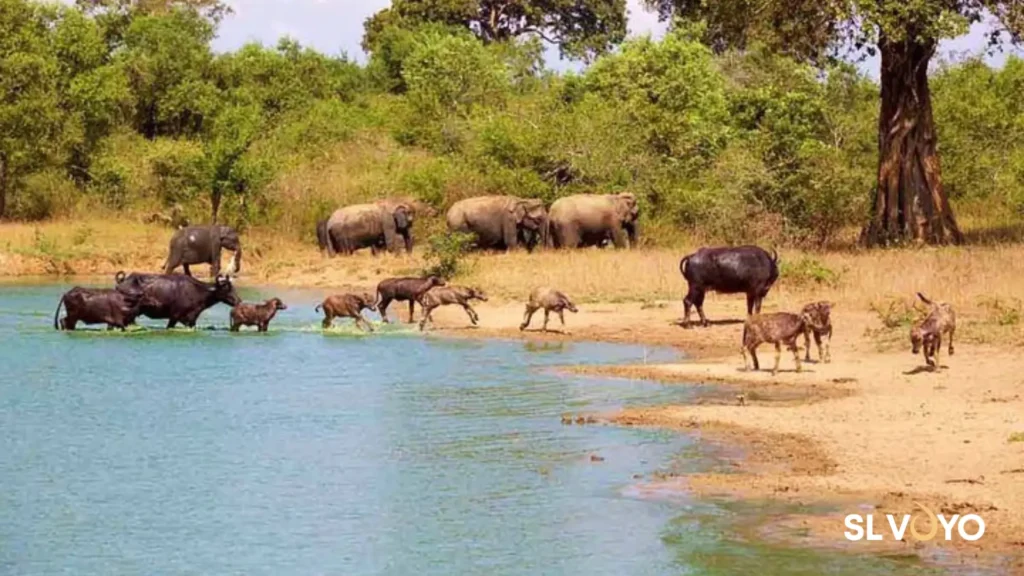
Udawalawe National Park is one of the best places in Sri Lanka to see wild elephants in their natural habitat. Located on the boundary of the Sabaragamuwa and Uva provinces, the park was established in 1972 mainly to protect the catchment area of the Udawalawe Reservoir and provide a sanctuary for displaced wildlife.
The landscape of Udawalawe is very different from dense forest parks. It is made up of open grasslands, scrub jungle, and wide water bodies, giving it a setting similar to African savannas. This open terrain makes wildlife much easier to spot, which is why Udawalawe is considered one of the most reliable parks for safari experiences.
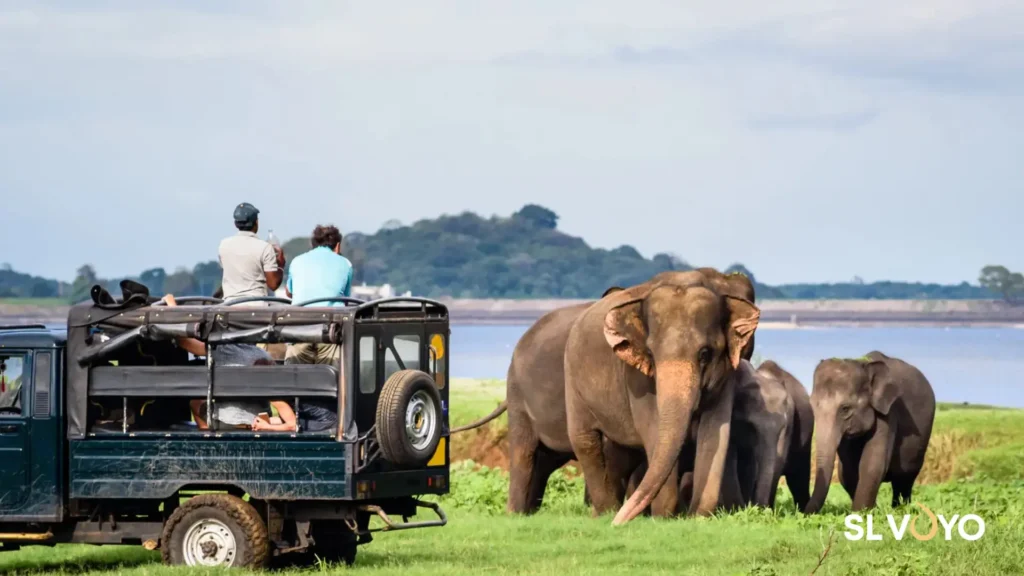
The park is home to a large population of Asian elephants, often seen in herds grazing, bathing, or moving across the plains. Unlike in some other parks, elephant sightings here are almost guaranteed throughout the year. Visitors can observe natural behaviours up close, making it a highlight for many travellers.

In addition to elephants, Udawalawe supports a variety of wildlife including water buffalo, spotted deer, jackals, crocodiles, and occasionally leopards. The park is also rich in birdlife, with species such as eagles, kites, kingfishers, and migratory birds frequently seen near the reservoir and wetlands.
A key feature near the park is the Elephant Transit Home, where orphaned elephant calves are cared for and later released back into the wild. This conservation effort adds educational value to the Udawalawe experience and highlights Sri Lanka’s commitment to wildlife protection.
Udawalawe’s accessibility and consistent sightings make it one of the most beginner-friendly safari parks in Sri Lanka. It is ideal for travellers who want a high chance of seeing wildlife without long waiting times.
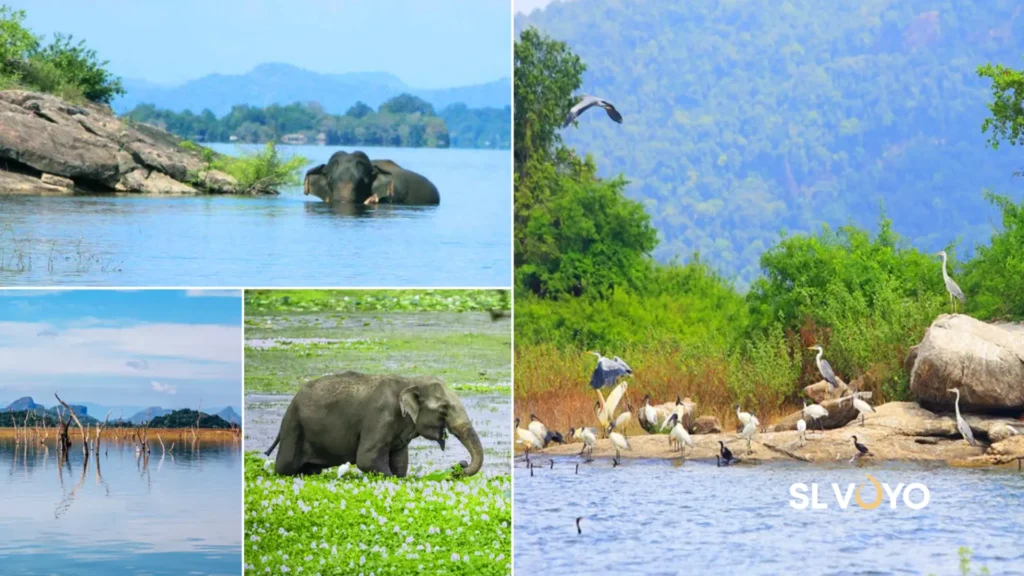
Gal Oya National Park is one of Sri Lanka’s most unique and less-explored wildlife destinations, located in the eastern part of the island near Ampara. Established in 1954, the park was created to protect the Senanayake Samudra, the largest reservoir in Sri Lanka, along with its surrounding ecosystems.
What makes Gal Oya truly special is its boat safari experience, something you won’t find in most other national parks in Sri Lanka. Visitors can travel across the reservoir and witness elephants swimming between islands, which is a rare and unforgettable sight. This alone makes Gal Oya stand out from traditional jeep safari parks.
The park features a diverse landscape of forests, grasslands, and water bodies, supporting a wide range of wildlife. Elephants are the most commonly seen animals, but the park is also home to leopards, sloth bears, deer, wild boar, and crocodiles. The surrounding waters attract a variety of bird species, making it a great location for birdwatching as well.
Gal Oya is also rich in cultural and community significance. It is one of the few places where visitors can learn about the Vedda community, the indigenous people of Sri Lanka, who have lived in harmony with nature for generations. This adds a deeper cultural layer to the experience beyond wildlife.
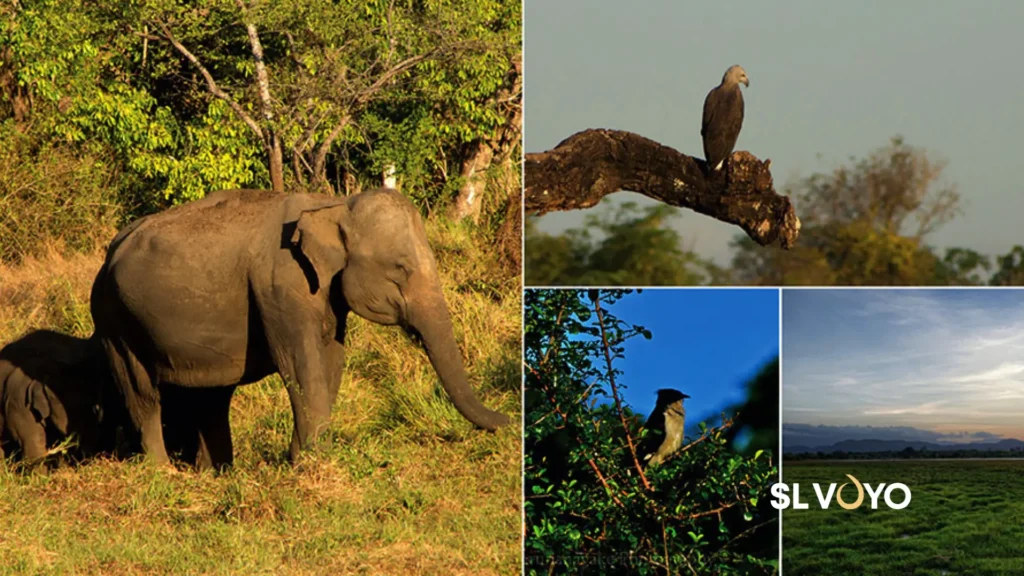
Wasgamuwa National Park is one of Sri Lanka’s most important wildlife reserves, located between the Matale and Polonnaruwa districts. It was declared a national park in 1984, mainly to provide a safe habitat for wildlife displaced by the Mahaweli Development Project.
The park is known for its rich biodiversity and strong elephant population, making it one of the key elephant habitats in Sri Lanka. Large herds of elephants can often be seen moving through the grasslands and along riverbanks, especially during the dry season.
Wasgamuwa’s landscape is made up of dry-zone forests, open plains, and river systems, including the Mahaweli and Amban Ganga. These water sources support a wide variety of animals and create ideal conditions for wildlife to thrive. The mix of forest and grassland allows for both shelter and grazing, making it a balanced ecosystem.
In addition to elephants, the park is home to deer, wild boar, buffalo, jackals, and occasionally leopards and sloth bears. Wasgamuwa is also a great destination for birdwatching, with species such as peacocks, eagles, hornbills, and many endemic birds found within the park.
The park also has historical and cultural significance, with ancient ruins, reservoirs, and temple sites scattered throughout the area. These remains show that the region was once part of a thriving ancient civilization.
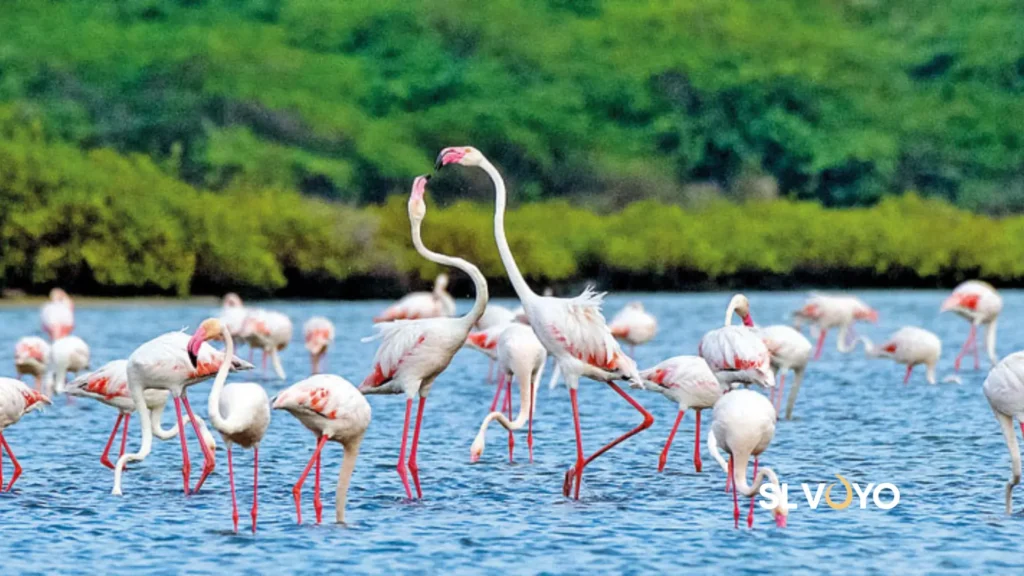
Bundala National Park is one of Sri Lanka’s most important wetland ecosystems, located along the southern coast near Hambantota. It was declared a national park in 1993 and later recognized as a Ramsar Wetland Site, highlighting its global importance for bird conservation.
The park is made up of a unique combination of lagoons, marshes, sand dunes, and coastal scrublands, creating a rich habitat for both resident and migratory birds. Bundala is especially famous for its large flocks of greater flamingos, which migrate here during certain seasons, turning parts of the park into a stunning pink landscape.
In addition to flamingos, Bundala is home to over 200 species of birds, including pelicans, painted storks, egrets, herons, and various migratory species. This makes it one of the best birdwatching destinations in Sri Lanka.
While birdlife is the main highlight, Bundala also supports a range of other wildlife. Visitors may spot elephants, crocodiles, water buffalo, monkeys, and even occasional leopards. The lagoons and wetlands are especially active, with many animals gathering around water sources.
The park’s coastal setting adds another layer of beauty, with views of the ocean, sandy landscapes, and open skies. Compared to parks like Yala, Bundala is much quieter and less crowded, offering a more relaxed safari experience.
One of the key ecological roles of Bundala is its importance as a breeding and feeding ground for birds, as well as its contribution to maintaining coastal and wetland balance in the region.
Kumana National Park, also known as Yala East, is one of Sri Lanka’s most important destinations for birdlife and wetland ecosystems. Located in the south-eastern part of the island near Arugam Bay, the park covers a large area of lagoons, mangroves, and forested land.
Kumana is especially famous for the Kumana Villu, a natural swamp lake that becomes a major nesting and breeding ground for birds during the migratory season. Thousands of birds gather here, including pelicans, painted storks, spoonbills, herons, and cormorants, creating one of the most impressive birdwatching experiences in Sri Lanka.
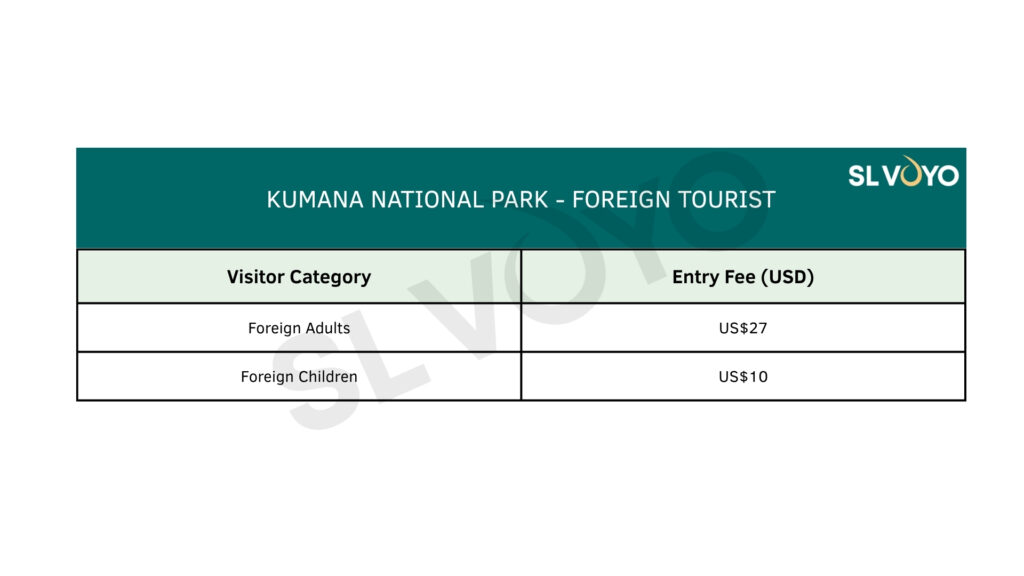
The park’s landscape is a mix of wetlands, dry-zone forests, and coastal habitats, allowing a wide range of wildlife to thrive. While Kumana is best known for birds, it is also home to elephants, crocodiles, deer, wild boar, and even leopards, though sightings of big cats are less frequent compared to Yala.
Historically, Kumana was once part of the larger Yala ecosystem but developed its own identity due to its rich wetland environment. It has long been an important site for conservation, particularly for protecting migratory bird species.
One of the key advantages of Kumana is its peaceful and less crowded atmosphere. Compared to Yala Block 1, the park offers a quieter safari experience, allowing visitors to fully enjoy nature without heavy traffic.
Its location near Arugam Bay, one of Sri Lanka’s top surf destinations, makes it easy to combine wildlife and beach experiences in one trip.
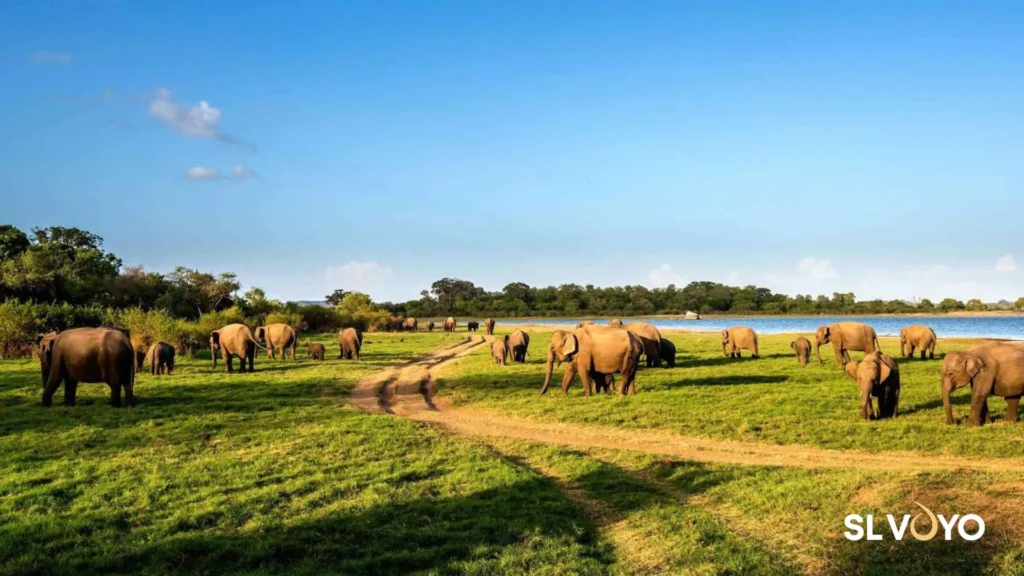
Minneriya National Park is one of Sri Lanka’s most famous wildlife destinations, best known for the spectacular natural event called “The Gathering.” Located in the North Central Province near Polonnaruwa, the park is centered around the ancient Minneriya Tank, a massive reservoir built by King Mahasen in the 3rd century AD.
During the dry season, water levels in surrounding areas decrease, and large numbers of elephants migrate towards the Minneriya Tank in search of water and fresh grass. This results in hundreds of elephants gathering in one place, creating one of the largest elephant gatherings in the world. It is considered one of the most unique wildlife experiences in Asia.
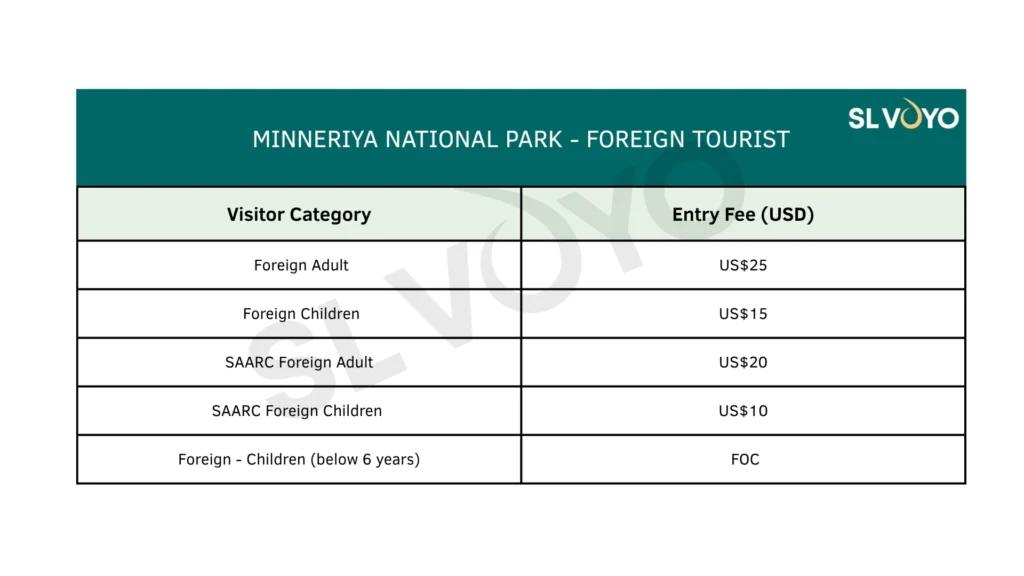
The park’s landscape consists of grasslands, scrub jungle, and wetlands, providing an ideal habitat for elephants and other wildlife. Apart from elephants, visitors can see deer, wild boar, water buffalo, monkeys, and a variety of bird species. The tank itself attracts water birds such as pelicans, storks, and cormorants.
Minneriya is also part of a larger elephant corridor that connects with nearby parks like Kaudulla and Wasgamuwa. Depending on the season, elephants move between these parks, which is why timing your visit is important for the best experience.
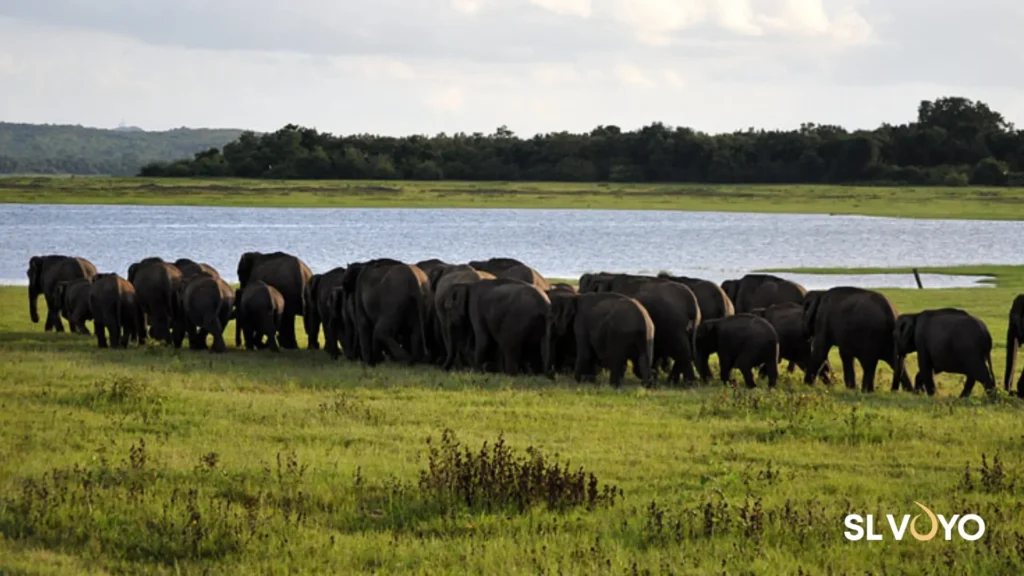
Kaudulla National Park is one of Sri Lanka’s key wildlife destinations, located in the North Central Province near Habarana and Polonnaruwa. Declared a national park in 2002, it plays an important role in protecting the region’s elephant populations and water ecosystems.
The park is centered around the ancient Kaudulla Tank, a large reservoir built by King Mahasen, which continues to support wildlife and surrounding habitats. The combination of grasslands, forests, and wetlands creates an ideal environment for many species to thrive.
Kaudulla is best known for its large elephant herds, often seen grazing near the tank. It is part of the same elephant migration corridor as Minneriya and Wasgamuwa, meaning elephants move between these parks depending on water availability and seasonal changes.
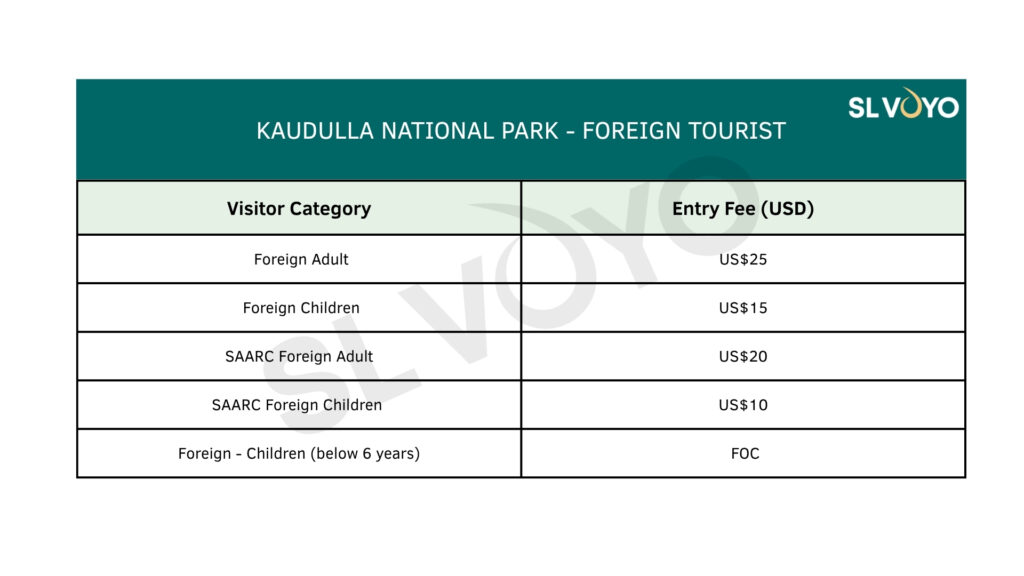
In some years, when water levels in Minneriya are high, elephants gather in Kaudulla instead,creating a similar experience to “The Gathering.” This makes Kaudulla an important alternative for elephant safaris, especially during certain months.
Apart from elephants, the park is home to deer, wild boar, monkeys, and a wide variety of bird species. The wetlands attract birds such as pelicans, storks, and eagles, making it a good destination for birdwatching as well.
Compared to Minneriya, Kaudulla is often less crowded, offering a more relaxed safari experience while still providing excellent wildlife sightings.
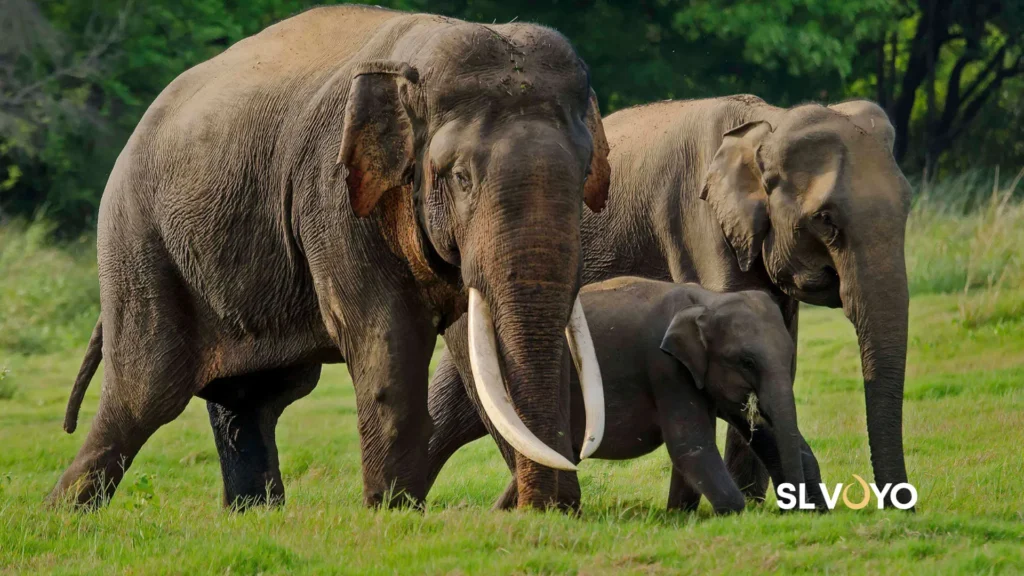
Somawathiya National Park is a unique destination in Sri Lanka where wildlife and spirituality come together. Located along the Mahaweli River in the Polonnaruwa district, the park is known both for its rich natural environment and the sacred Somawathi Chaitya, an important Buddhist site believed to enshrine a relic of the Buddha.
The park is made up of riverine forests, flood plains, and open grasslands, creating an ideal habitat for wildlife. It is especially famous for having one of the largest gatherings of elephants in Sri Lanka, often seen moving freely across the floodplains and near the riverbanks.
Apart from elephants, the park is home to deer, water buffalo, and a variety of smaller mammals. The wetlands and marshy areas attract a large number of birds, making Somawathiya an excellent location for birdwatching. Species such as storks, pelicans, egrets, and migratory birds are commonly seen here.
What makes Somawathiya truly special is the presence of the Somawathi Chaitya, a sacred stupa surrounded by wilderness. Pilgrims visit this site for religious purposes, while travellers experience a rare combination of spiritual calm and natural beauty. The peaceful setting, far from busy tourist areas, adds to its uniqueness.
The park was originally declared a sanctuary and later upgraded to a national park in 1986. It also plays an important role as part of the elephant migration corridor, connecting nearby parks such as Minneriya and Flood Plains.
Unlike more commercial parks, Somawathiya remains quiet, remote, and less developed, making it ideal for travellers looking for a deeper and more meaningful experience.
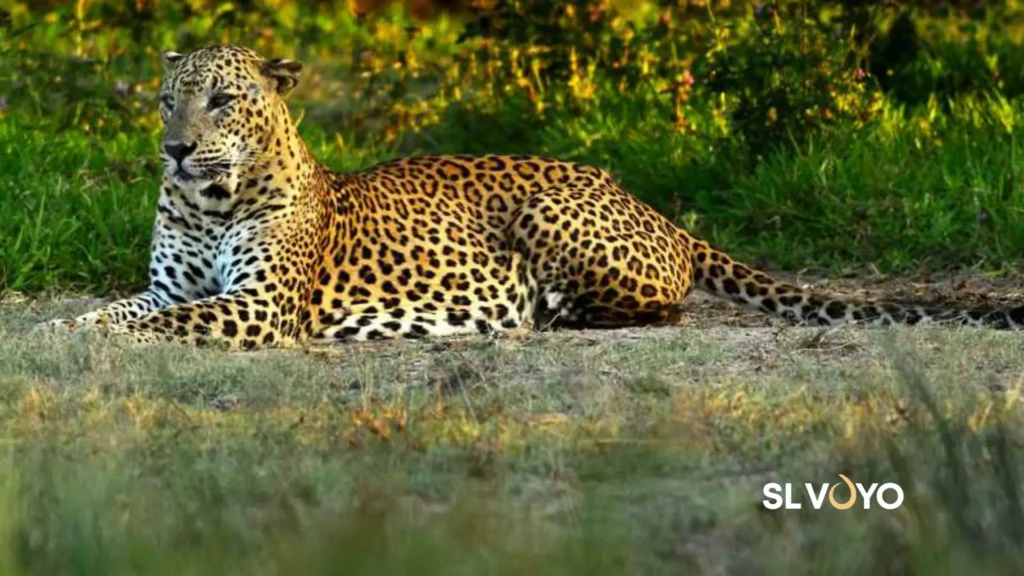
Maduru Oya National Park is one of Sri Lanka’s lesser-known but ecologically important parks, located between the districts of Ampara, Badulla, and Polonnaruwa. The park was established in 1983 mainly to protect the water catchment areas of several reservoirs developed under the Mahaweli Development Program.
The landscape of Maduru Oya is shaped by a network of reservoirs and rivers, including the Maduru Oya itself, along with Rathkinda and Ulhitiya reservoirs. These water bodies play a vital role in sustaining wildlife and maintaining the surrounding ecosystems. The park also features an eight-kilometre-long rocky mountain range, adding to its natural diversity.
Vegetation in the park is typical of Sri Lanka’s dry zone, consisting of tropical dry mixed evergreen forests, open grasslands, and areas of secondary vegetation due to past cultivation. Trees such as weera, buruta, divul, and ehala are commonly found, while open plains are often covered with tall grasses like illuk.
Maduru Oya is home to a wide range of wildlife, including elephants, sloth bears, leopards, deer, jackals, and wild boar. The park is also important for several endemic species such as the slender loris and toque macaque. Its wetlands and reservoirs attract a rich variety of birdlife, including painted storks, pelicans, cormorants, and eagles.
One of the unique aspects of Maduru Oya is its historical significance. Ancient irrigation structures, including a large stone sluice dating back to before the 6th century BC, have been discovered in the area. These structures show the advanced engineering skills of early Sri Lankan civilizations.
Unlike more popular parks, Maduru Oya remains quiet and less crowded, offering a more untouched and natural safari experience. It is ideal for travellers who want to explore wildlife without the busy atmosphere found in places like Yala.
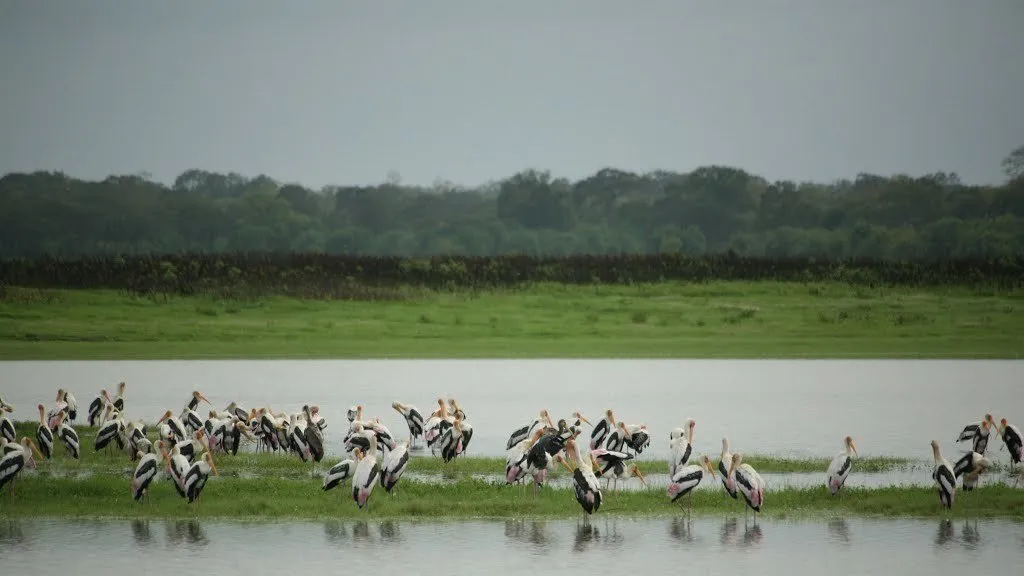
Flood Plains National Park is a unique wetland ecosystem located along the Mahaweli River in Sri Lanka’s North Central Province. Declared a national park in 1984, it plays an important role in protecting seasonal floodplains, grasslands, and riverine habitats that support a wide range of wildlife.
As the name suggests, the park is shaped by seasonal flooding, which creates fertile grasslands and marshy areas. These conditions provide an ideal environment for grazing animals and attract wildlife, especially during dry periods when water becomes limited in surrounding regions.
The park is closely connected with nearby reserves such as Somawathiya and Wasgamuwa, forming part of an important elephant migration corridor. Large herds of elephants frequently move through this area, making it a key habitat for their survival.
Flood Plains National Park is home to elephants, deer, water buffalo, and a variety of smaller mammals. The wetlands also attract a rich diversity of birdlife, including storks, herons, egrets, and migratory species. The presence of the Mahaweli River supports aquatic life and adds to the park’s ecological importance.
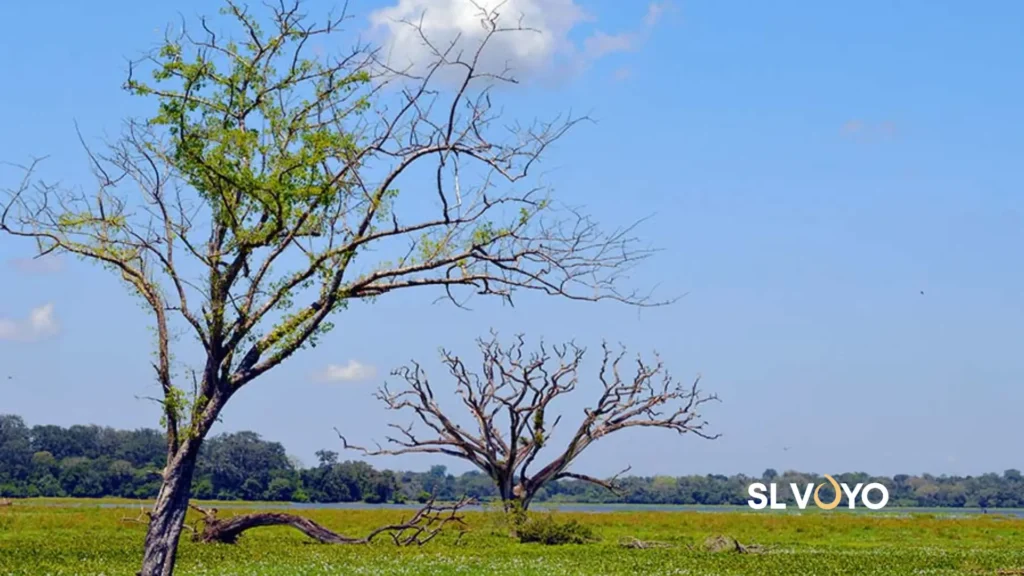
Lahugala Kitulana National Park is one of the smallest yet most important national parks in Sri Lanka, located near Pottuvil in the Eastern Province, close to Arugam Bay. Despite its size, the park plays a vital role in protecting wildlife, especially elephants.
The park is centered around several ancient reservoirs, including Lahugala Tank, Kitulana Tank, and Sengamuwa Tank, which provide a constant water source for animals. The surrounding grasslands are rich in “bera” grass, a favorite food of elephants, making this area a key feeding ground.
Lahugala is particularly known for attracting large herds of elephants, especially during the dry season when animals gather around the tanks. These herds often move between Lahugala and nearby parks such as Kumana, forming part of a wider wildlife ecosystem in the eastern region.
The landscape of the park includes open grasslands, wetlands, and forest patches, creating a simple but highly productive habitat. Apart from elephants, visitors may also see deer, wild boar, monkeys, and a variety of bird species.
Historically, Lahugala Kitulana also has cultural significance, with ancient ruins and religious sites located nearby, showing that the area was once part of an active settlement.
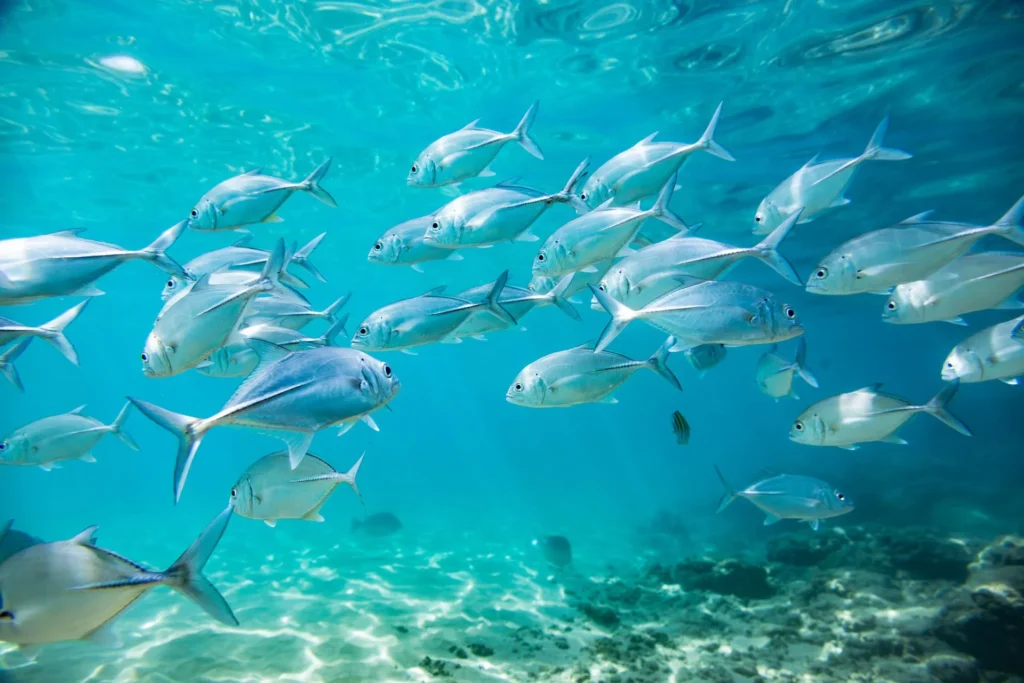
Hikkaduwa National Park is one of Sri Lanka’s most accessible marine national parks, located along the south-west coast near Hikkaduwa town. Unlike traditional wildlife parks on land, this park protects a vibrant coral reef ecosystem, making it a top destination for ocean lovers.
The park is famous for its shallow coral reefs, which are home to a wide variety of marine life. Visitors can easily explore the reef through snorkeling, where colorful fish, sea turtles, and other reef species can be seen in clear, warm waters. It is one of the best places in Sri Lanka for beginners to experience marine biodiversity up close.
The coral formations in Hikkaduwa include both hard and soft corals, creating a natural underwater habitat that supports hundreds of fish species. Parrotfish, butterflyfish, and angelfish are commonly seen, along with occasional sightings of reef sharks and rays.
Hikkaduwa is also known for its resident sea turtles, which are often spotted near the shore. These gentle creatures have become a highlight for visitors, adding to the overall experience of the park.
In addition to its natural beauty, Hikkaduwa plays an important role in marine conservation, helping protect coral reefs that are sensitive to environmental changes such as climate change and human activity.
Because of its location and easy access, Hikkaduwa is one of the most popular marine parks in Sri Lanka. It offers a combination of beach relaxation and underwater exploration, making it perfect for travellers looking for a light and enjoyable experience.
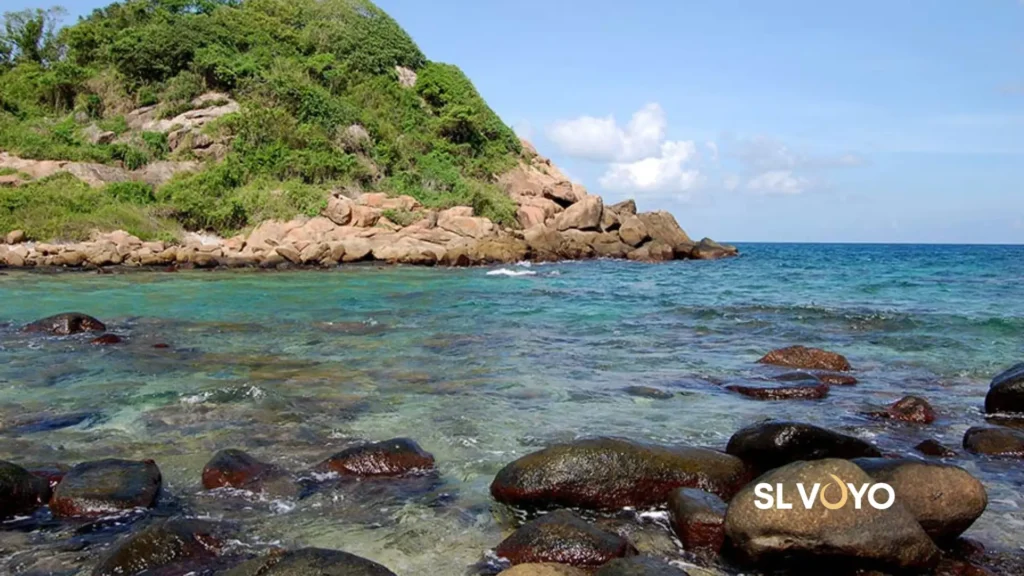
Pigeon Island National Park is one of Sri Lanka’s most beautiful marine national parks, located off the coast of Nilaveli near Trincomalee. It is named after the rock pigeons that inhabit the island and is known for having some of the best coral reefs in the country.
The park consists of two small islands surrounded by clear, shallow waters, making it an ideal location for snorkeling and swimming. The coral reef here is one of the most well-preserved in Sri Lanka, supporting a rich variety of marine life.
Visitors can see hundreds of species of reef fish, including colorful parrotfish, butterflyfish, and angelfish. One of the main highlights is the presence of blacktip reef sharks, which are harmless and often seen swimming in shallow waters. Sea turtles are also commonly spotted, adding to the overall experience.
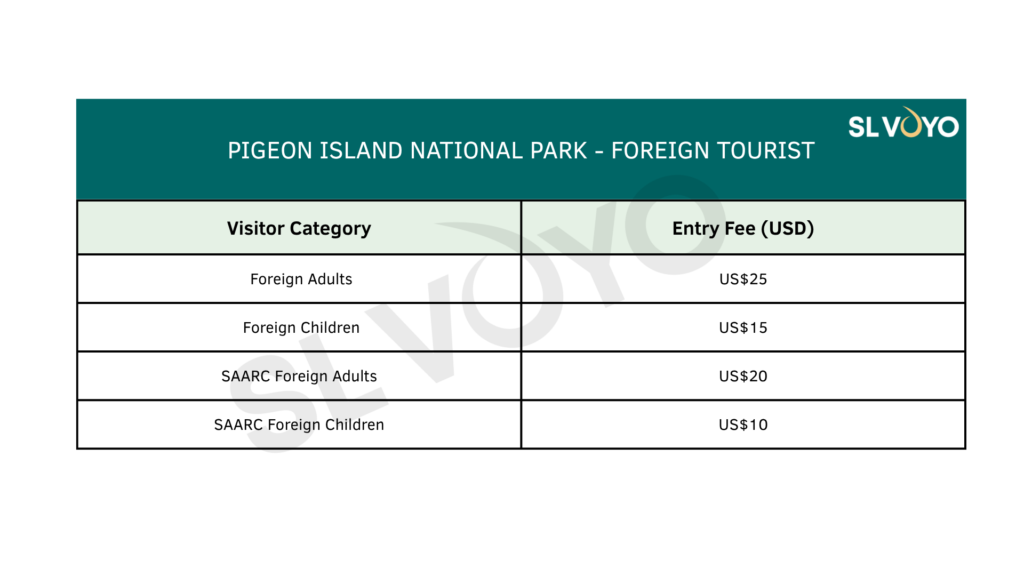
The coral ecosystem includes both hard and soft corals, forming a vibrant underwater landscape. The clarity of the water, especially during the east coast season, allows for excellent visibility, making it one of the top snorkeling spots in Sri Lanka.
Compared to Hikkaduwa, Pigeon Island offers a more pristine and less crowded marine environment, with clearer waters and healthier coral formations. However, access is controlled to protect the ecosystem, and visitors usually reach the island by boat.
The best time to visit is during the east coast season (May to September) when the sea is calm and visibility is at its best.
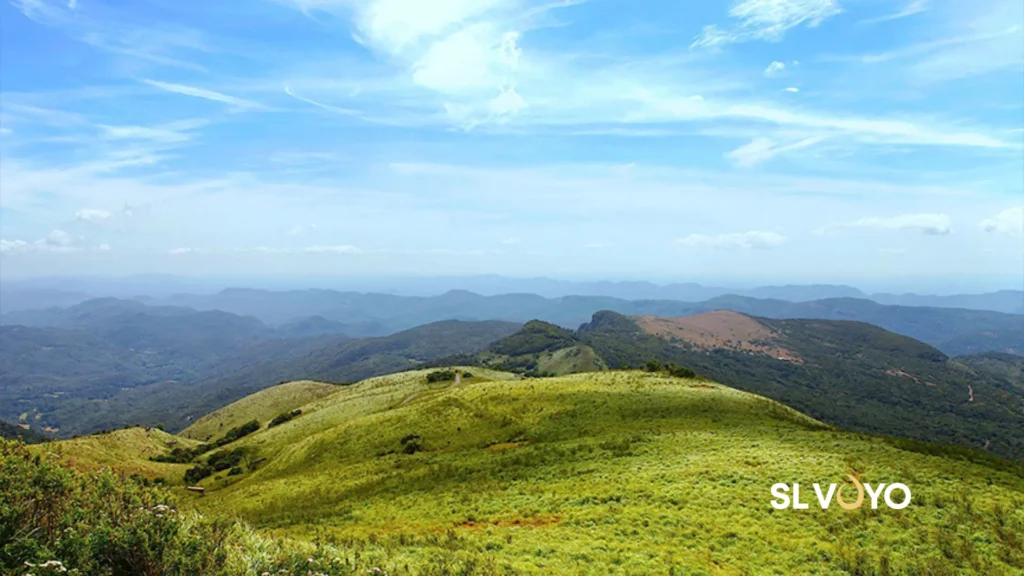
Horton Plains National Park is one of Sri Lanka’s most unique natural landscapes, located in the central highlands near Nuwara Eliya at an elevation of over 2,000 meters. Unlike the dry-zone safari parks, Horton Plains offers a completely different experience with its cool climate, misty surroundings, and open grasslands.
The park is made up of montane grasslands and cloud forests, creating a fragile ecosystem that is home to many endemic species. It was declared a national park in 1988 to protect this rare highland environment and its biodiversity.
One of the most famous features of Horton Plains is World’s End, a dramatic cliff with a drop of nearly 900 meters, offering breathtaking views of the plains below. Nearby is Mini World’s End, a smaller but equally scenic viewpoint. Another highlight is Baker’s Falls, a beautiful waterfall surrounded by lush vegetation.
Horton Plains is also known for its wildlife, although sightings are more subtle compared to other parks. The most commonly seen animal is the sambar deer, often found grazing in the open grasslands. The park is also home to endemic birds, reptiles, and smaller mammals adapted to the cooler climate.
What makes Horton Plains special is that it is one of the few national parks in Sri Lanka where visitors can walk freely along designated trails. This allows for a more personal and immersive experience with nature, rather than exploring by jeep.
The park is also an important water catchment area, feeding major rivers such as the Mahaweli, Kelani, and Walawe, which are vital to the country.
Why These Parks Matter
Sri Lanka’s national parks are not just about wildlife—they protect ecosystems, water sources, and endangered species like elephants and leopards while supporting eco-tourism and local communities.
Through SL VOYO, you can book safaris across the island with ease—we offer access to one of the largest safari networks in Sri Lanka, making your experience smooth and reliable.
Read our Sri Lanka Entrance Fees 2026 blog for the latest ticket prices before your visit.
What to Expect When Visiting
What is it?
Google Ranked #1, the Heartfelt Expedition is a unique tour that invites tourists to personally engage in charitable events from the perspective of a local donor. Participants will be involved in school initiatives, elderly adoption, and community assistance throughout Sri Lanka.
Discover authentic culture and make a difference by helping local communities.