Ramadan in Sri Lanka – A Time of Faith, Reflection, and Community
Table of Contents
At SL VOYO, Sri Lanka’s first travel platform, we help travellers go beyond basic sightseeing and experience the island in a more meaningful way. Whether you are joining our tours or planning your own adventure, here is our friendly guide to Ramadan – a sacred month that recently brought together faith, reflection, and community across Sri Lanka.
The Meaning of Ramadan
Ramadan 2026, which took place from mid-February to mid-March depending on the sighting of the new moon, was a deeply significant time for Muslims worldwide. It marked the revelation of the Holy Quran to Prophet Muhammad and served as a period of spiritual renewal. Across Sri Lanka, the month was observed with devotion and unity.
Following the Islamic Hijri calendar, Ramadan shifts each year, offering a unique experience across seasons. Despite these changes, its essence remains unchanged. It continues to be a time for strengthening faith and reconnecting with spiritual values.
The Practice of Fasting
Throughout Ramadan, Muslims observed fasting from dawn to sunset, refraining from food and drink during daylight hours. This practice encouraged self-discipline, patience, and mindfulness. It was also a time to reflect on one’s actions and strengthen inner resilience.
Each day, the fast was broken at sunset with dates and water, following a long-standing tradition. Families and friends gathered for Iftar meals, creating moments of togetherness and gratitude. These shared meals became a daily highlight of the month.
Prayer, Reflection, and Charity
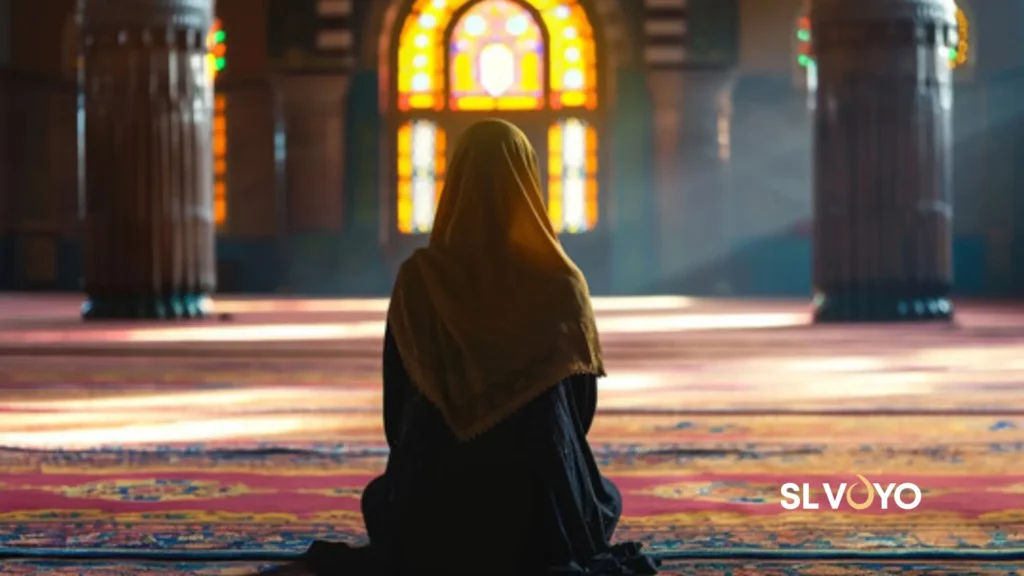
Ramadan was also a time of increased devotion through prayer and reflection. Mosques across Sri Lanka welcomed worshippers for daily prayers and special nightly Taraweeh prayers. Many spent time reading and understanding the Quran more deeply.
Charity remained a central aspect, with Muslims giving Zakat al-Fitr to support those in need. Acts of kindness and generosity were widely practiced throughout the month. This spirit of giving strengthened community bonds and compassion.
Community and Cultural Traditions
In Sri Lanka, Ramadan brought communities together in meaningful ways. Mosques, homes, and public spaces became centres of spiritual activity and social connection. Families gathered, shared meals, and exchanged greetings during this sacred time.
Children learned values such as empathy, patience, and generosity through religious teachings. The atmosphere across the island reflected unity, respect, and devotion. It was a time that reinforced both faith and cultural identity.
The Joy of Iftar and Biriyani
Iftar meals were a cherished part of Ramadan, featuring traditional foods like dates, samosas, kanji, and refreshing drinks. These meals symbolised togetherness and gratitude after a day of fasting. Each evening brought families closer through shared experiences.
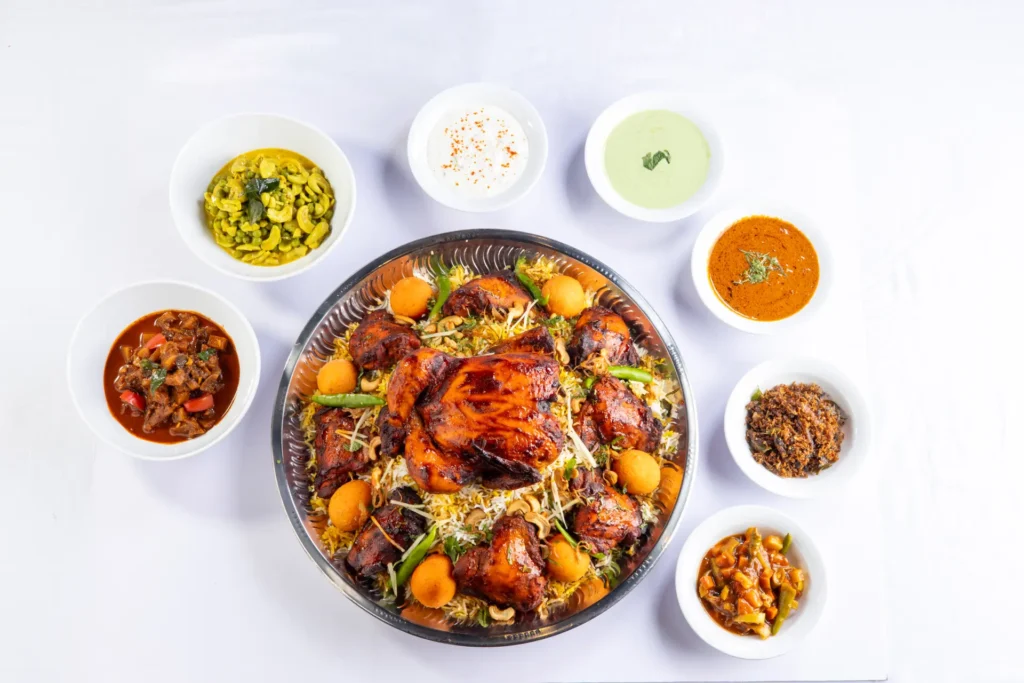
Following the completion of fasting, Biriyani became a highlight of festive gatherings. Rich in flavour and tradition, it was often served in large platters to be enjoyed together. Sweets and desserts added to the celebratory atmosphere.
Eid-ul-Fitr – A Joyful Celebration
The end of Ramadan 2026 was marked by Eid-ul-Fitr in mid-March, a day of joy and gratitude. Special prayers were held in mosques and open spaces, bringing communities together in celebration. The day began with unity and spiritual fulfilment.
Families dressed in new clothes, visited loved ones, and shared festive meals. Gifts and greetings were exchanged, spreading happiness and goodwill. Eid served as a beautiful conclusion to a month of devotion.
A Lasting Spirit of Faith
Although Ramadan has passed, its impact continues to resonate. The values of patience, generosity, and mindfulness remain relevant beyond the month. It leaves behind a renewed sense of purpose and spiritual awareness.
For travellers, witnessing Ramadan in Sri Lanka offers a deeper understanding of the island’s cultural diversity. It is a reminder that faith and community play a powerful role in shaping meaningful experiences.
Table of Contents
Tours you might like
We care about our people. That’s why we offer Heartfelt Expedition
What is it?
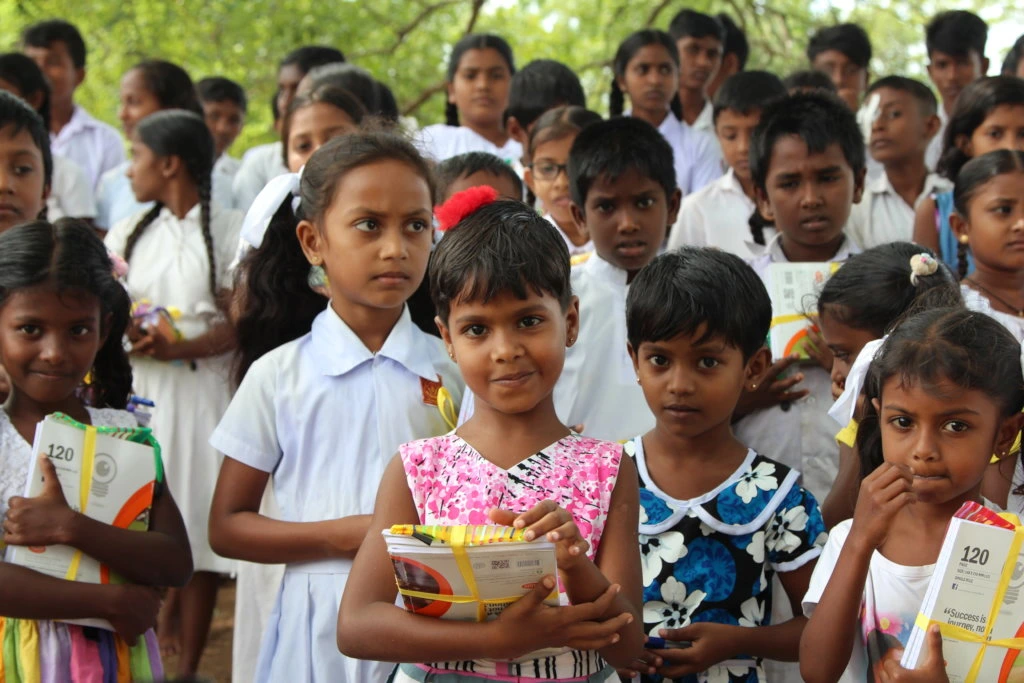
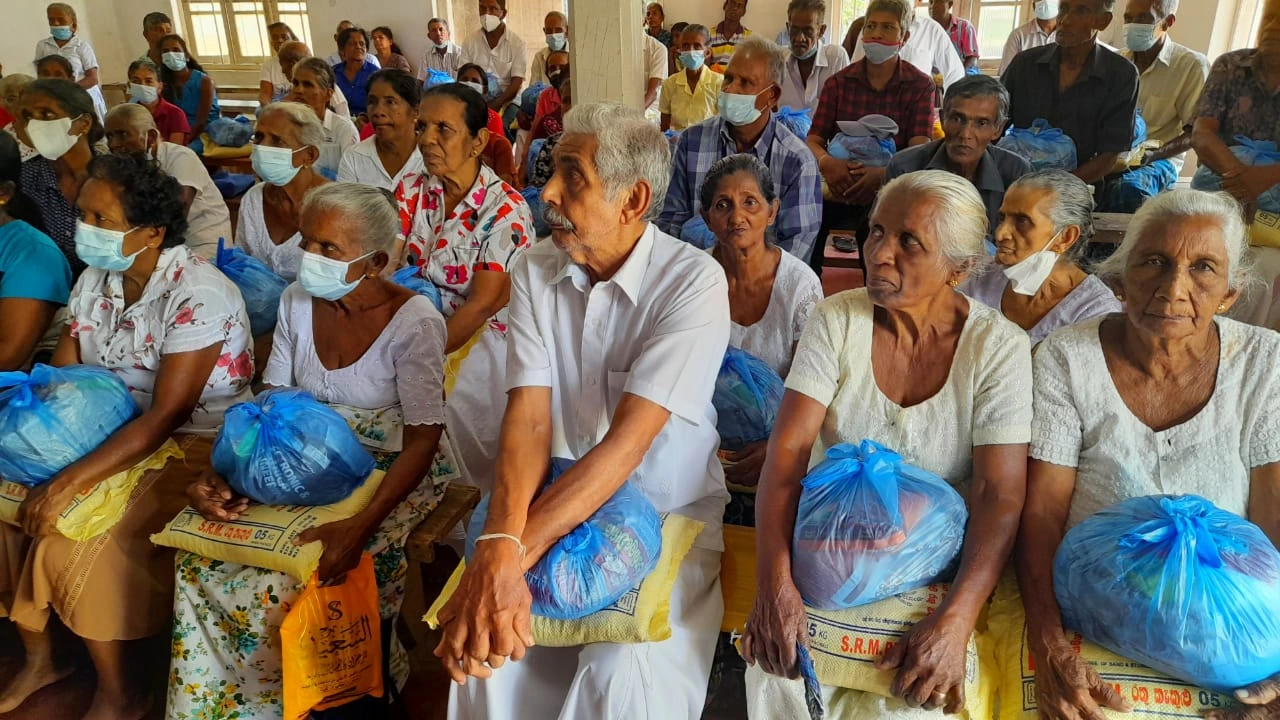
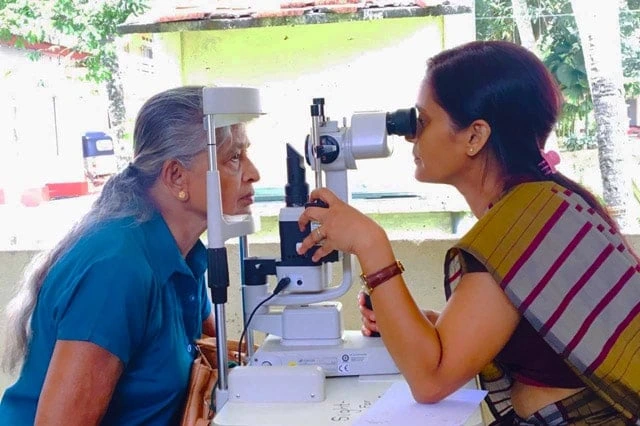
Google Ranked #1, the Heartfelt Expedition is a unique tour that invites tourists to personally engage in charitable events from the perspective of a local donor. Participants will be involved in school initiatives, elderly adoption, and community assistance throughout Sri Lanka.
Discover authentic culture and make a difference by helping local communities.