Seats of Tradition – Sri Lanka’s Story Told Through Furniture
Table of Contents
At SL VOYO, Sri Lanka’s first travel platform, we help travellers go beyond basic sightseeing and experience the island in a more meaningful way. Whether you are joining our tours or planning your own adventure, here is our friendly guide to Sri Lanka’s traditional seating heritage a fascinating story where local craftsmanship, royal traditions and colonial influences come together.
Where Furniture Tells a Story
For furniture enthusiasts, Sri Lanka offers a fascinating journey through centuries of history. Traditional chairs and seats found in old homes, museums and historic buildings reveal how different cultures influenced the way people lived on the island.
Long before modern furniture became common, Sri Lankan craftsmen created seats using locally available timber, cane and other natural materials. Over time, Portuguese, Dutch and British influences introduced new forms and decorative styles, which were adapted by local craftsmen.
The result is a distinctive furniture tradition that combines Sri Lankan craftsmanship with European design.
From Stone Thrones to Wooden Seats
The history of seating in Sri Lanka goes back much further than the colonial period.
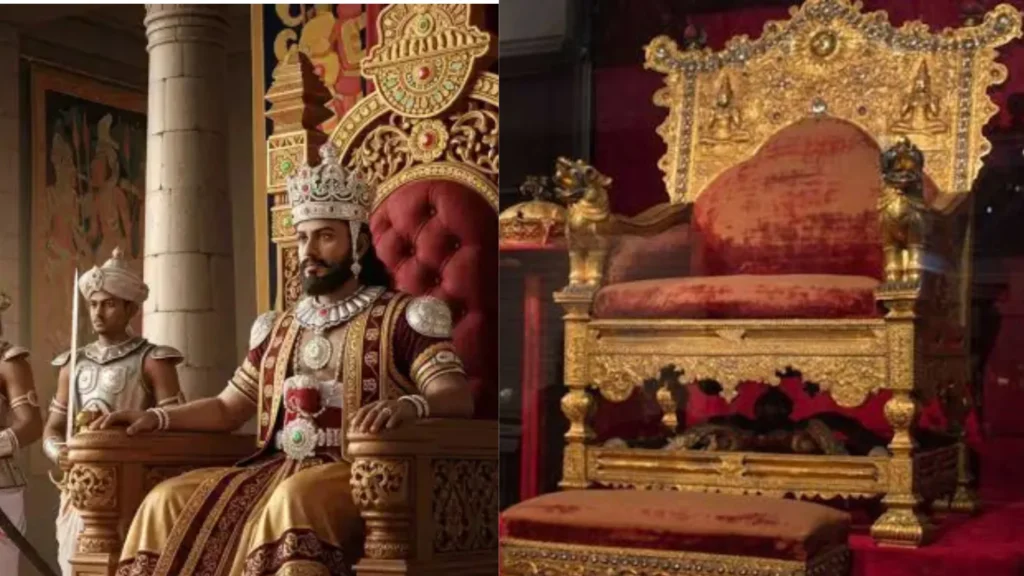
Ancient sites contain examples of elevated stone seats and thrones associated with kings and important figures. One famous example is the stone throne at Sigiriya, traditionally associated with King Kashyapa.
Although the exact history of some surviving seats is difficult to establish, these monuments demonstrate the importance of elevated seating in royal and ceremonial settings.
Wood eventually became an important material for furniture making. Sri Lankan craftsmen had access to valuable hardwoods and developed remarkable skills in carving, shaping and joining timber.
When European Styles Met Sri Lankan Craftsmanship
The arrival of European colonial powers brought new ideas about furniture and interior design.
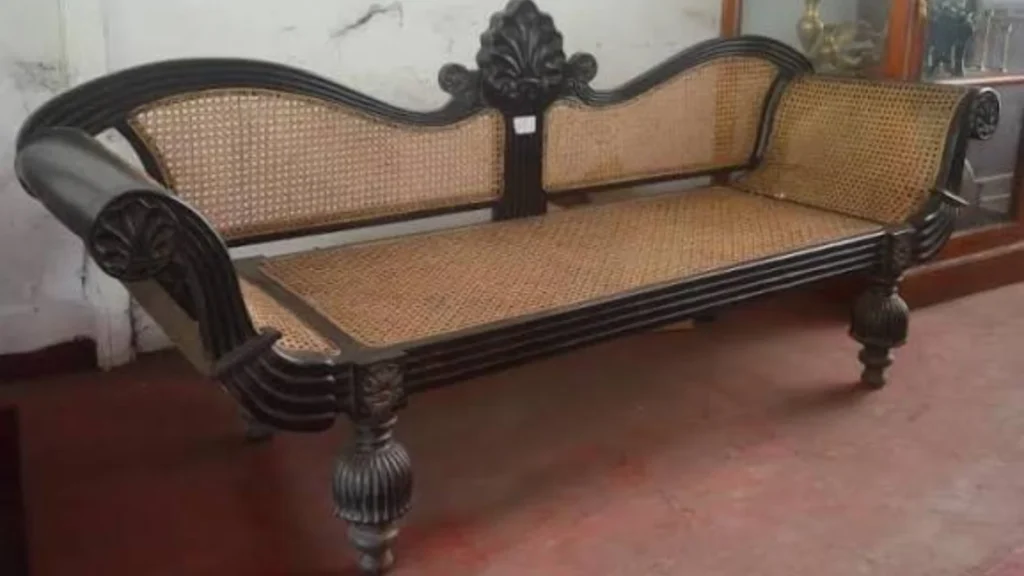
Portuguese, Dutch and later British influences introduced different styles of chairs, couches and day beds. But local craftsmen did not simply reproduce European furniture.
Instead, they adapted these designs using Sri Lankan materials, techniques and decorative traditions.
This created furniture that could look distinctly European at first glance while still carrying details that reflected local craftsmanship.
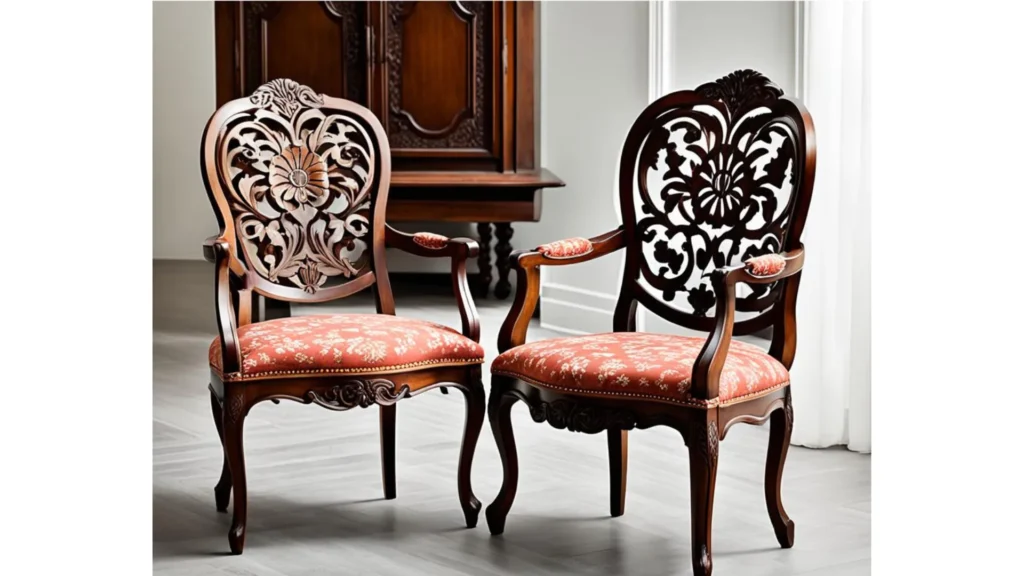
Carved wooden patterns, turned legs, woven cane seats and decorative motifs became characteristic features of many traditional pieces.
The result was a unique meeting point between East and West.
The Beauty of Local Wood and Cane
Sri Lanka’s furniture makers traditionally worked with a variety of local hardwoods, including jak, ebony, calamander and teak.
These materials allowed craftsmen to create furniture that was both strong and highly decorative.
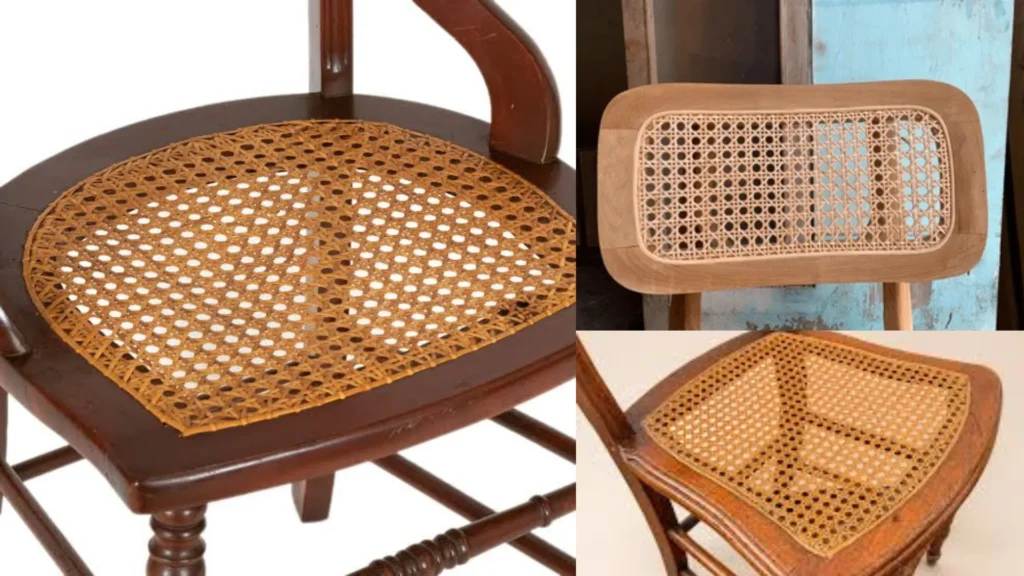
Cane also became an important part of traditional seating. Woven cane backs and seats provided ventilation in Sri Lanka’s warm climate while giving furniture a lighter and more elegant appearance.
Some traditional chairs feature elaborate carved flowers, leaves, shells and turned wooden spindles. Others are much simpler, allowing the natural beauty of the timber to become the main feature.
Each piece required patience and considerable skill, particularly when creating the intricate details found in older furniture.
Furniture That Became Part of Everyday Life
Traditional furniture was not limited to palaces and wealthy colonial homes.
Different forms of seating became part of everyday Sri Lankan life. Chairs, benches, day beds and woven seats were used in homes, offices and public spaces.
Some pieces were designed for practical comfort, while others were made to create an impression of status and refinement.
The tropical climate also influenced furniture design. Open backs, woven cane and raised seating allowed air to circulate more freely, making furniture more comfortable in warm conditions.
This is one reason why traditional Sri Lankan furniture can be appreciated not only for its beauty, but also for the practical knowledge built into its design.
Discover Sri Lanka Through the Details
Sri Lanka’s heritage is often introduced through its temples, forts, palaces and ancient cities. But sometimes history can be found in much smaller things.
A carved chair, an old wooden day bed or a beautifully woven seat can reveal how people lived, worked and interacted with different cultures throughout the island’s history.
At SL VOYO, we believe these details are part of what makes travelling through Sri Lanka meaningful.
Because sometimes, you don’t need to look at a monument to discover history you only need to sit down and look closely.
Table of Contents
Tours you might like
We care about our people. That’s why we offer Heartfelt Expedition
What is it?
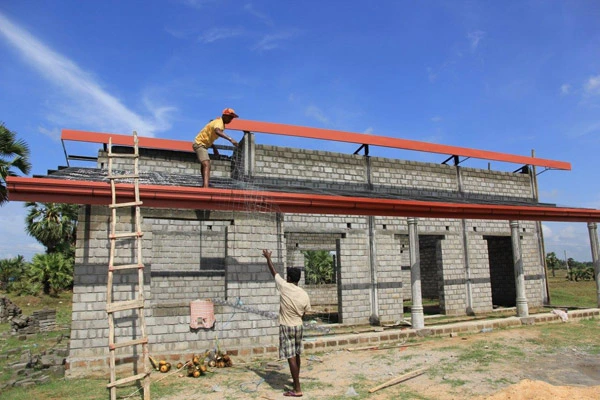
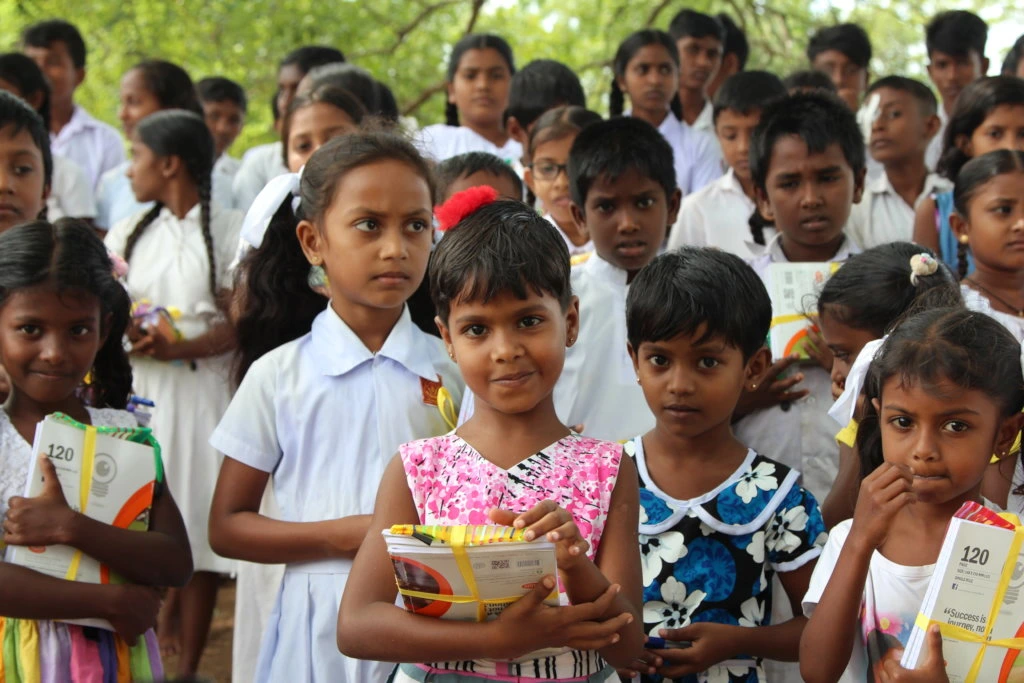
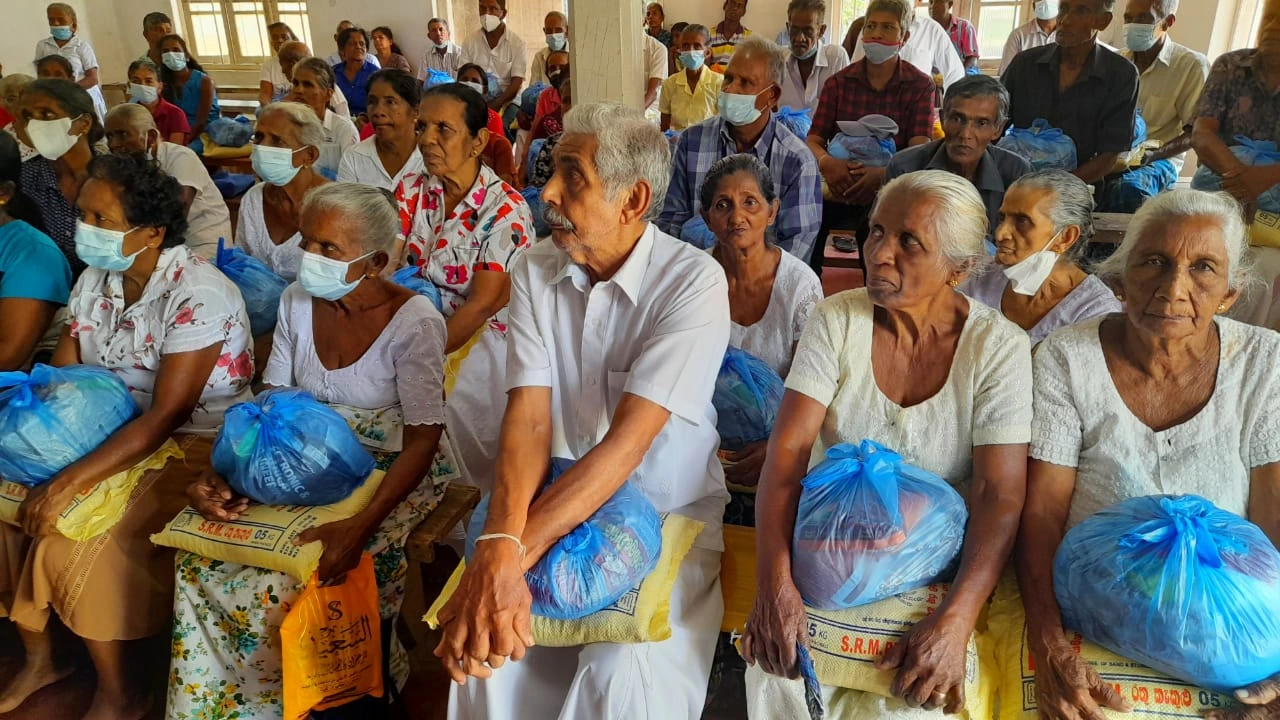
Google Ranked #1, the Heartfelt Expedition is a unique tour that invites tourists to personally engage in charitable events from the perspective of a local donor. Participants will be involved in school initiatives, elderly adoption, and community assistance throughout Sri Lanka.
Discover authentic culture and make a difference by helping local communities.