Sesatha – A Beautiful Symbol of Sri Lankan Heritage
Table of Contents
At SL VOYO, Sri Lanka’s first travel platform, we help travellers go beyond basic sightseeing and experience the island in a more meaningful way. Whether you are joining our tours or planning your own adventure, here is our friendly guide to the timeless beauty of Sri Lanka’s traditional Sesatha.
A Symbol of Tradition and Elegance
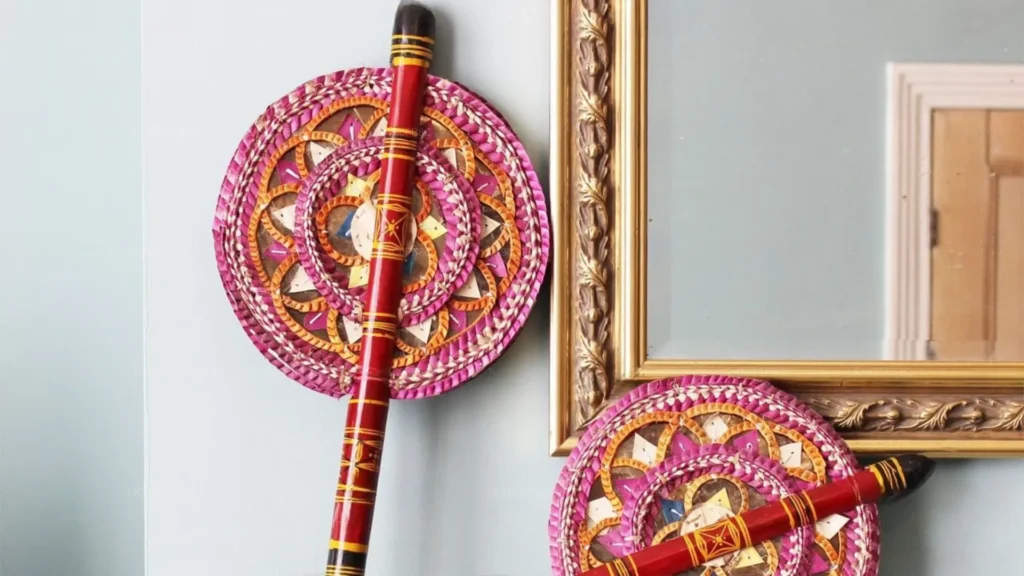
Among Sri Lanka’s many traditional crafts, the Sesatha stands out as one of the island’s most visually striking cultural symbols. Known as a ceremonial fan or sunshade, the Sesatha is admired for its intricate patterns, vibrant colours, and elegant craftsmanship.
For centuries, it has represented prosperity, honour, and cultural pride while remaining deeply connected to Sri Lanka’s artistic heritage.
The Origins of the Sesatha
The history of the Sesatha dates back to ancient Sri Lanka and is closely associated with Buddhist traditions and royal ceremonies. According to historical beliefs, ceremonial fans were used to honour sacred occasions and important figures.
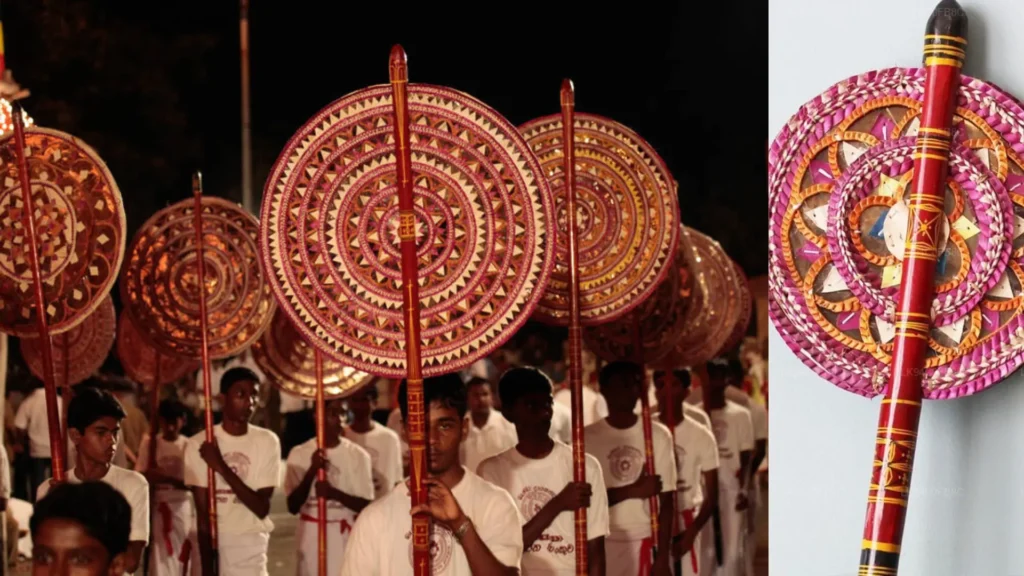
Over time, the Sesatha became a recognised symbol used in cultural processions, temple rituals, and traditional ceremonies across the island.
The Craftsmanship Behind the Beauty
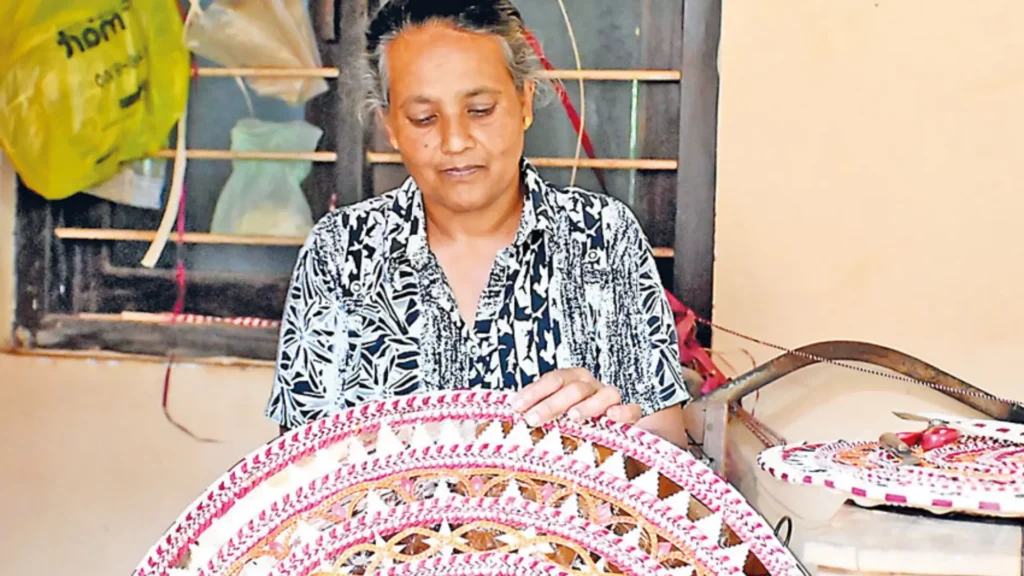
Creating a Sesatha requires exceptional patience, precision, and artistic skill. Skilled artisans carefully weave and assemble the structure using natural materials before decorating it with colourful geometric patterns and traditional motifs.
Each design reflects balance, symmetry, and harmony, transforming the Sesatha into both a ceremonial object and a remarkable work of art.
Vibrant Colours and Natural Materials
One of the most captivating features of the Sesatha is its bold use of colour. Bright reds, yellows, blacks, and gold tones are carefully combined to create striking visual patterns that immediately capture attention.
Traditional artisans often use natural materials and handcrafted pigments to preserve the authenticity of the craft while maintaining its cultural significance.
The Village of Unaweruwa and the Sesatha Tradition
The village of Unaweruwa in Matale is widely recognised for preserving the traditional art of Sesatha making. Generations of artisans in this peaceful village continue to protect and pass down the techniques involved in creating these beautiful ceremonial fans.
Visitors exploring the area can witness the dedication, concentration, and craftsmanship involved in every stage of the process.
More Than Just a Decorative Piece
Although admired for its beauty, the Sesatha carries deep symbolic meaning within Sri Lankan culture. It is often associated with blessings, respect, spirituality, and celebration.
Today, Sesatha designs can still be seen during religious festivals, cultural parades, traditional dances, and important ceremonies, continuing to reflect Sri Lanka’s living heritage.
Preserving Sri Lanka’s Traditional Arts
In a rapidly modernising world, traditional crafts like the Sesatha remain important reminders of Sri Lanka’s artistic identity and cultural history. Supporting local artisans helps preserve these valuable traditions for future generations while keeping centuries-old craftsmanship alive.
The Sesatha continues to inspire admiration not only for its appearance but also for the dedication and cultural pride woven into every piece.
Table of Contents
Tours you might like
We care about our people. That’s why we offer Heartfelt Expedition
What is it?
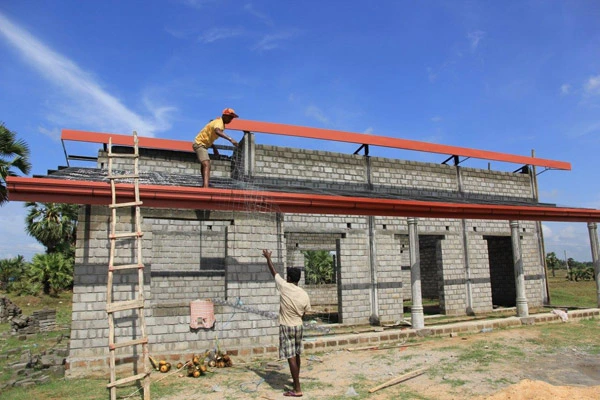
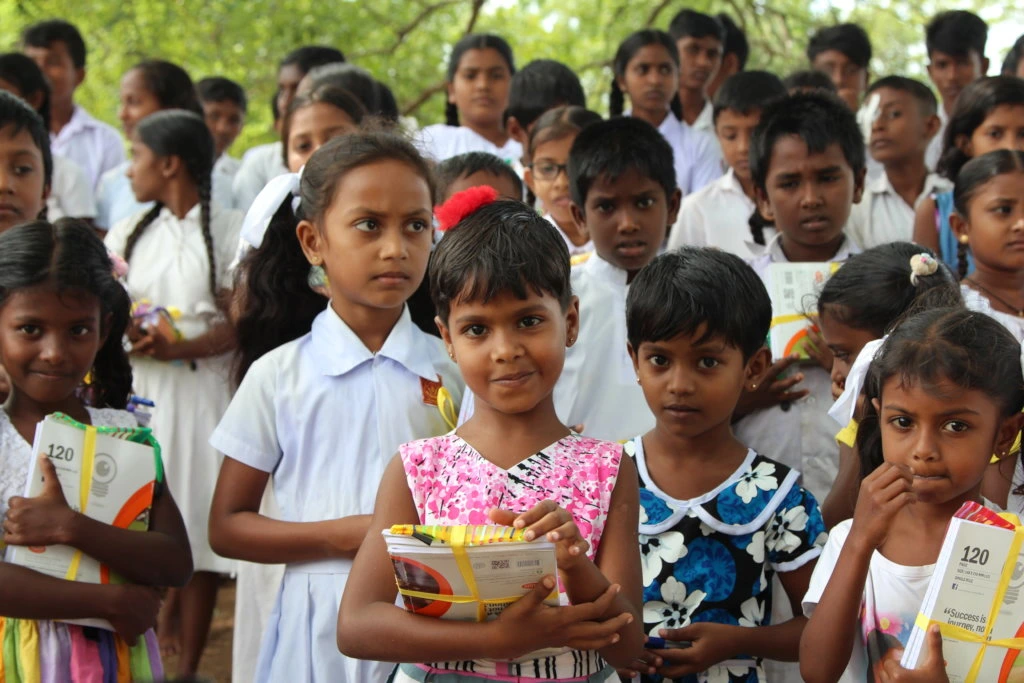
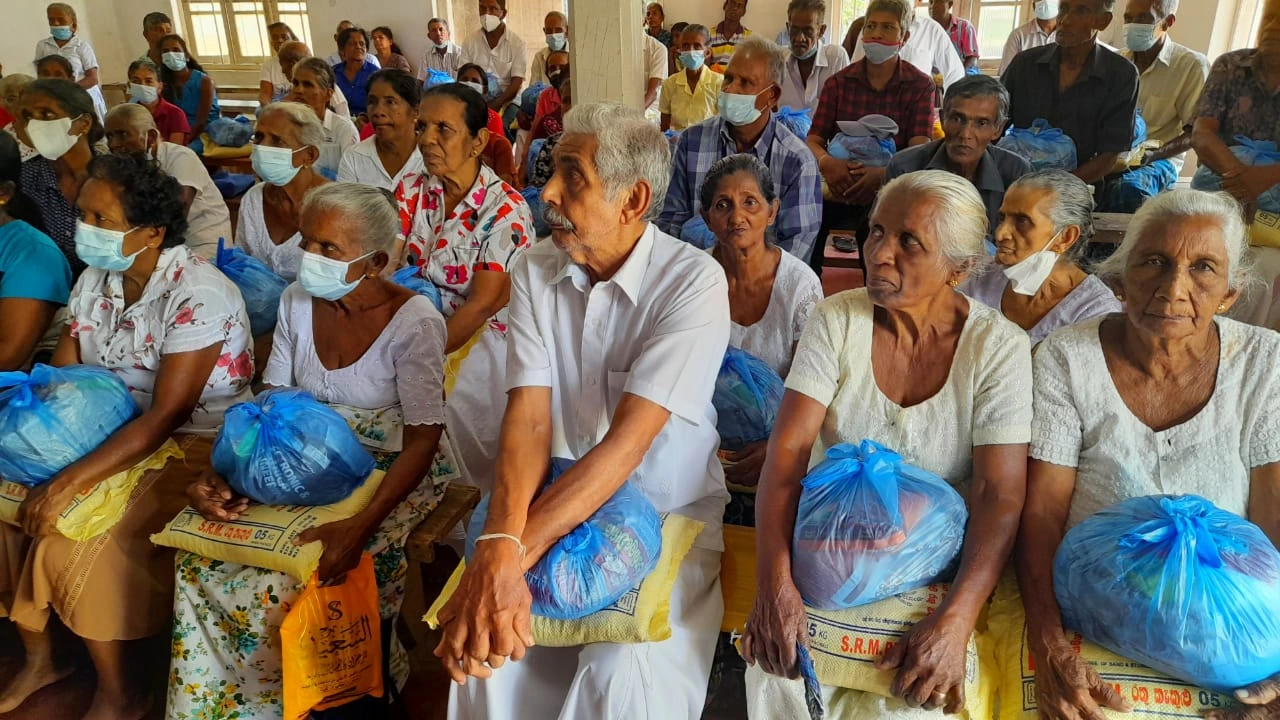
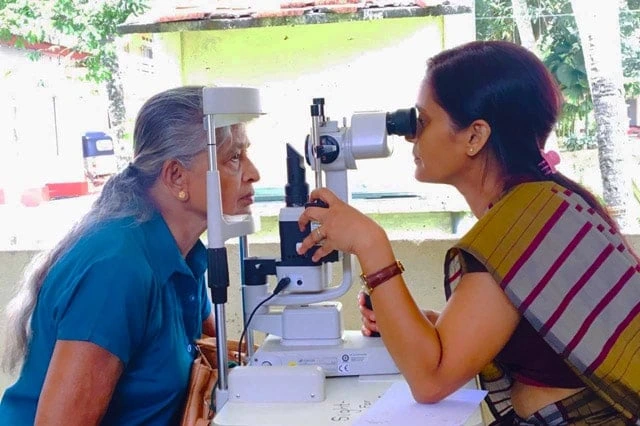
Google Ranked #1, the Heartfelt Expedition is a unique tour that invites tourists to personally engage in charitable events from the perspective of a local donor. Participants will be involved in school initiatives, elderly adoption, and community assistance throughout Sri Lanka.
Discover authentic culture and make a difference by helping local communities.