Sri Lanka Agriculture in 2026: From Ancient Fields to Modern Growth
Table of Contents
At SL VOYO, Sri Lanka’s first travel platform, we help travellers discover Sri Lanka through experiences that go beyond basic sightseeing.
From lush paddy fields to world-famous tea plantations, agriculture is deeply woven into the island’s identity, shaping not only its economy but also its culture, landscapes, and daily life.
Sri Lanka has long been recognized as an agricultural country, with a significant portion of its land dedicated to cultivation. Out of the island’s total land area of approximately 62,705 km², a little over one-third is used for agriculture, while another large portion is covered by forests and wildlife. However, over the decades, forest cover has gradually declined due to population growth and land use changes, dropping from around 70% in 1900 to nearly 25% by the late 20th century. Today, reforestation and sustainable land management have become key priorities in Sri Lanka’s agricultural future.
Rice Cultivation – The Heart of Sri Lanka
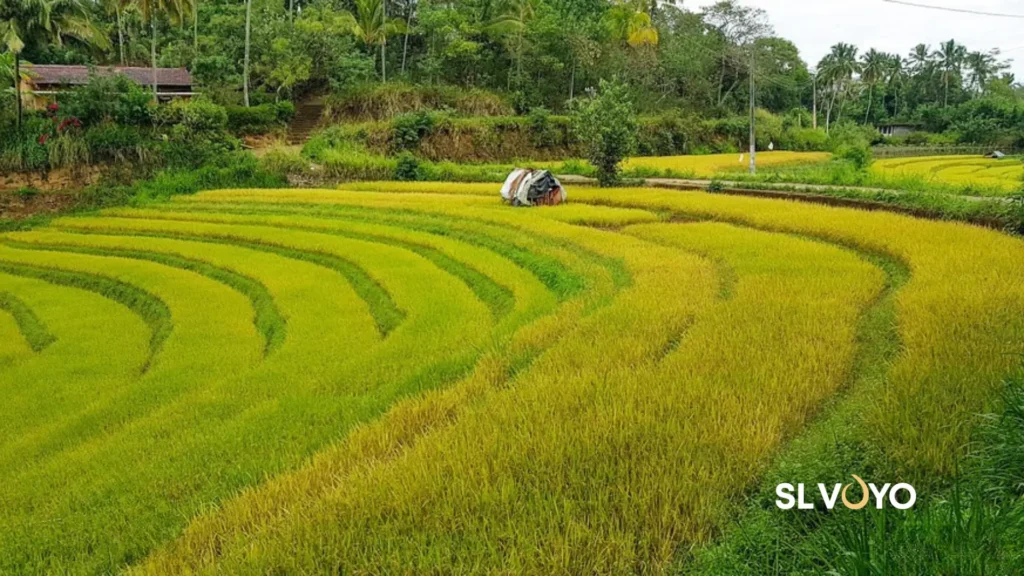
Rice has been cultivated in Sri Lanka from time immemorial and remains the backbone of the country’s agricultural system. At independence, Sri Lanka had a dual agrarian economy consisting of smallholder paddy farmers alongside plantation agriculture introduced during colonial times. Since then, paddy production has grown significantly, supported by irrigation systems, government subsidies, and agricultural programs.
Yields have improved over the decades, increasing from about 30 bushels per acre in the 1950s to over 50 bushels per acre in later years. By the early 2010s, around 1.5 million hectares of land were cultivated with rice, engaging nearly 879,000 farming families and contributing to both employment and national food security.
Tea Industry – Sri Lanka’s Global Identity
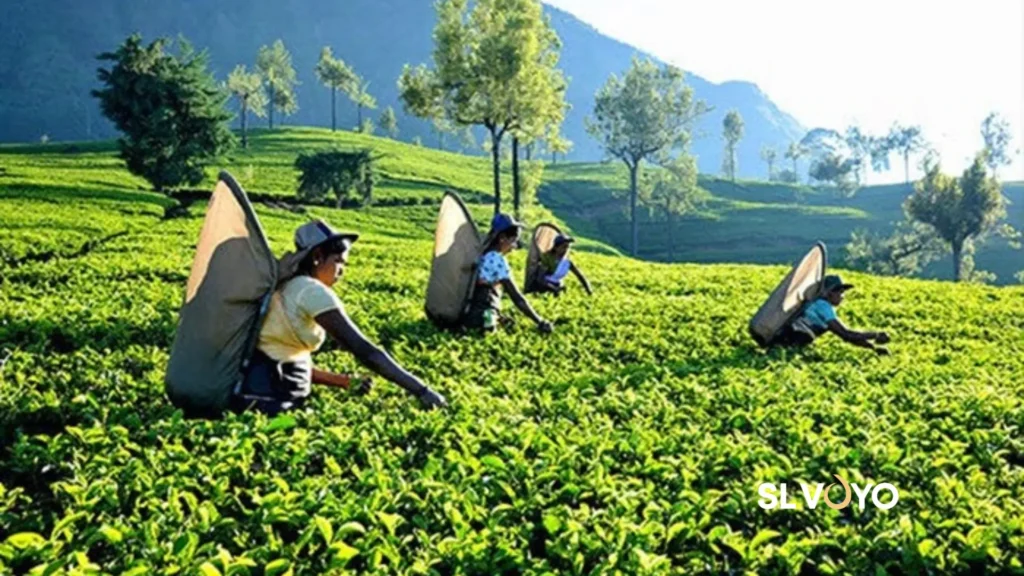
Tea is perhaps the most iconic agricultural product of Sri Lanka. After the collapse of coffee plantations due to disease in the late 19th century, tea cultivation began under pioneers like James Taylor in 1867. Over time, tea became the single product most closely associated with the country.
Tea plantations expanded rapidly, surpassing coffee cultivation by the late 1800s. Even today, tea remains Sri Lanka’s chief agricultural export, historically contributing nearly two-thirds of foreign exchange from agricultural exports. Although the land under tea has reduced slightly since the 1980s, productivity per hectare has increased significantly.
Coconut Cultivation – A Traditional Staple
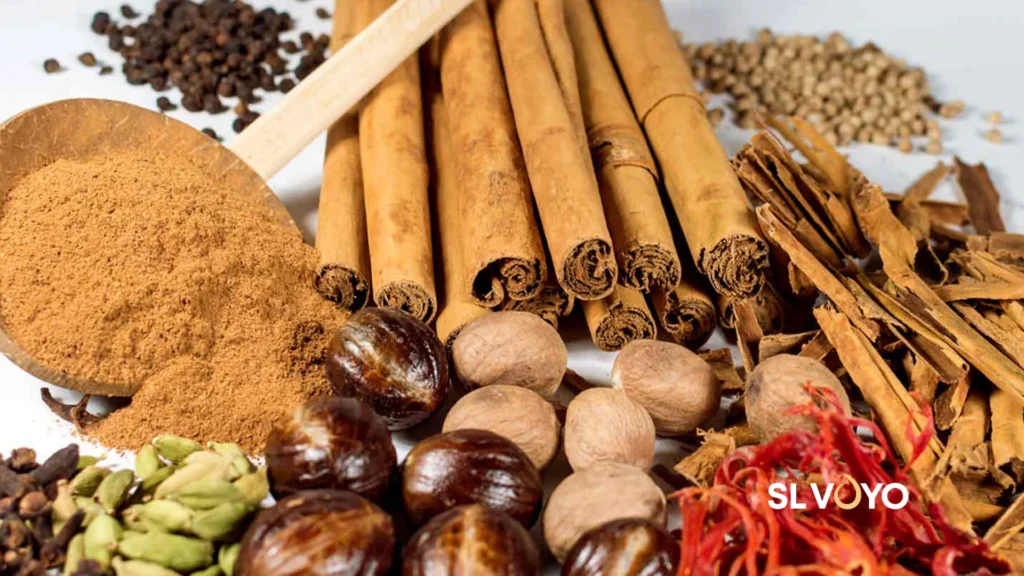
Sri Lanka’s spice trade dates back centuries, even before the arrival of European colonizers. Cinnamon, in particular, has always been one of the island’s most prized exports. Alongside cinnamon, other important spices include pepper, cardamom, cloves, and nutmeg.
Spices are typically grown under mixed cropping systems, especially in the wet zone districts such as Galle, Matara, Ratnapura, and Kalutara. These regions account for a large percentage of the country’s spice production.
Spices – The Original Global Trade of Sri Lanka
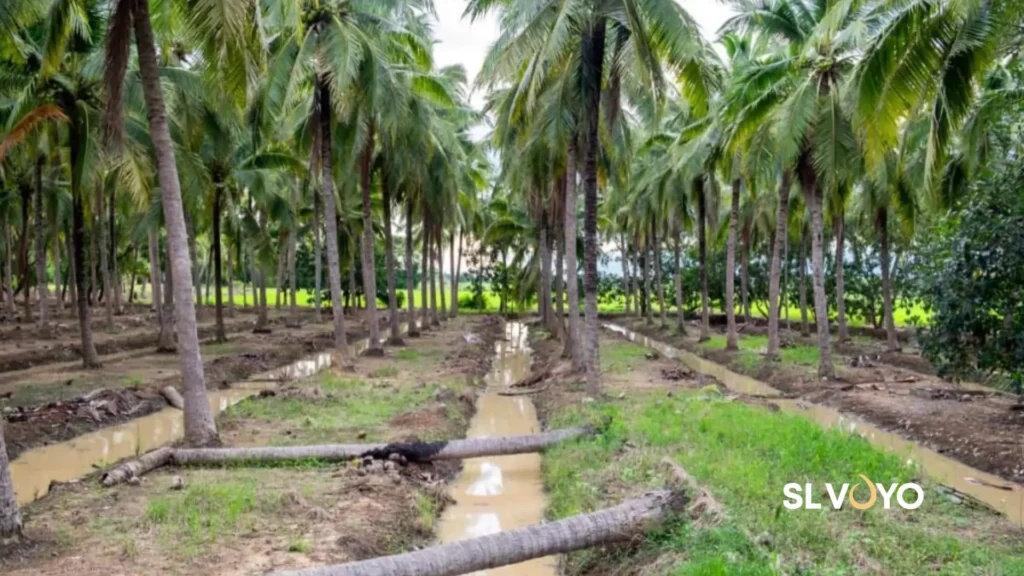
Unlike tea and rubber, coconut has been cultivated in Sri Lanka since ancient times. It plays a vital role in both local consumption and exports. Coconut cultivation is widely spread across the country, especially outside the central highlands, and is a major contributor to rural livelihoods.
Sri Lanka is known for exporting coconut-based products such as copra, coconut oil, desiccated coconut, coconut milk, and cream. However, coconut production is highly sensitive to weather conditions, with yields fluctuating annually.
Rubber Industry – From Plantation to Manufacturing
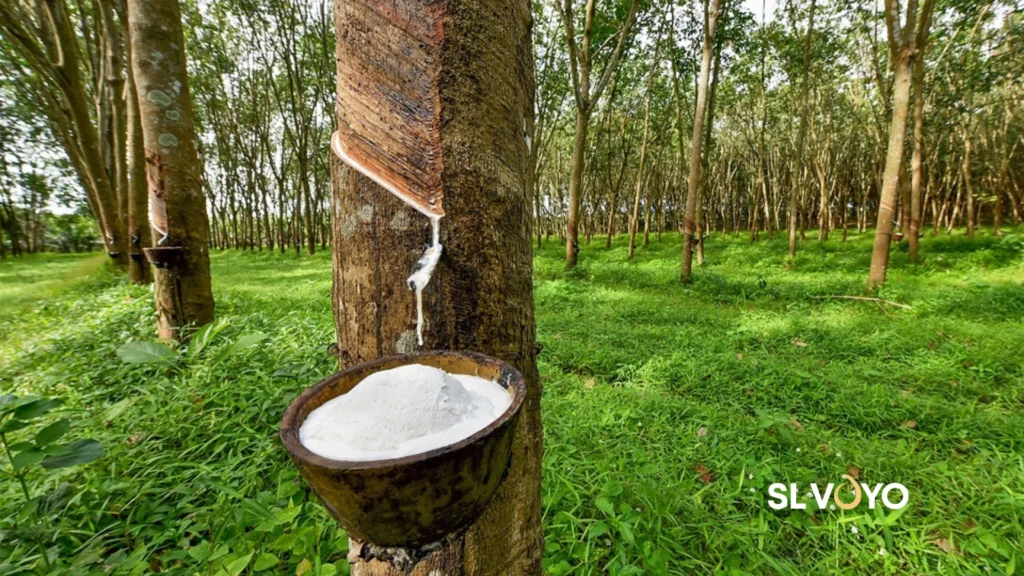
Rubber cultivation in Sri Lanka began during the British colonial era in the late 19th century. Initially planted in areas like Henarathgoda Gardens in Gampaha, the industry expanded as global demand increased.
Today, the rubber sector consists of both plantation farming and manufacturing industries. Sri Lanka has moved beyond exporting raw rubber to producing finished goods such as tires and industrial rubber products, significantly increasing its export value.
Other Crops & Smallholder Farming
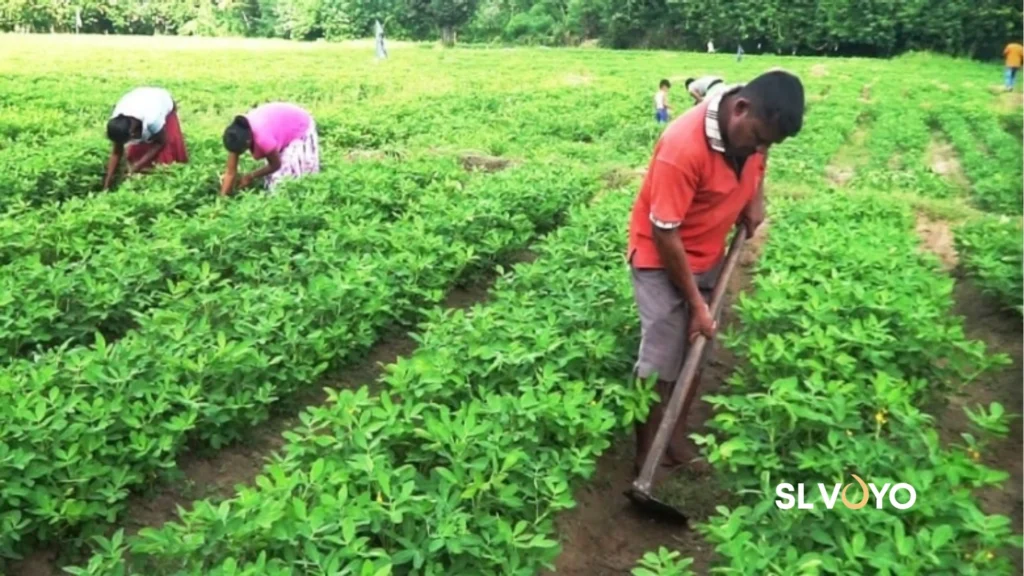
In addition to major plantation and export crops, Sri Lanka cultivates a wide variety of other crops for both local consumption and export. These include vegetables, fruits, chillies, onions, and potatoes, often grown in small quantities by rural farmers. When the government restricts imports of certain food items, domestic production tends to increase, showing how responsive the sector is to national demand.
Smallholder farming plays a crucial role in the agricultural economy. These farmers rely on traditional techniques, local labour, and limited capital, yet contribute significantly to food security. In recent years, export-oriented crops have also been adopted by small-scale farmers, allowing income from the plantation economy to reach local communities through retail trade, transport, and casual labour.
Animal Husbandry
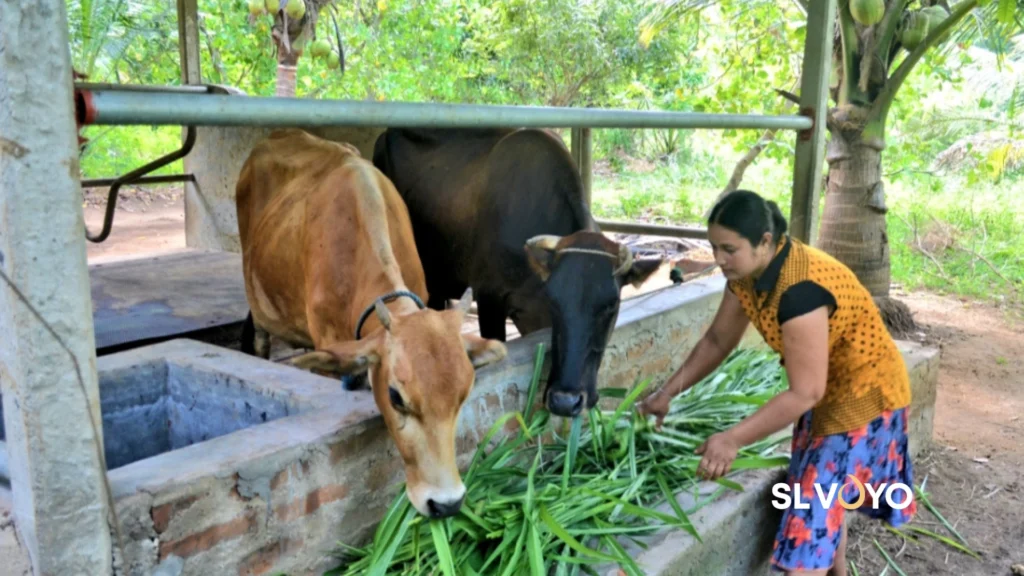
The livestock sector contributes around 10% of Sri Lanka’s agricultural GDP and plays an important role in rural livelihoods. It provides milk, meat, eggs, and other by-products while also supporting employment and household income generation.
Sri Lanka’s livestock population includes cattle, buffalo, goats, sheep, pigs, and poultry. The poultry sector, in particular, has seen rapid growth in recent decades, evolving from backyard farming into a commercial industry. Milk production, supported by organizations like MILCO, continues to expand, although the country still works toward achieving full self-sufficiency.
Fisheries & Aquaculture
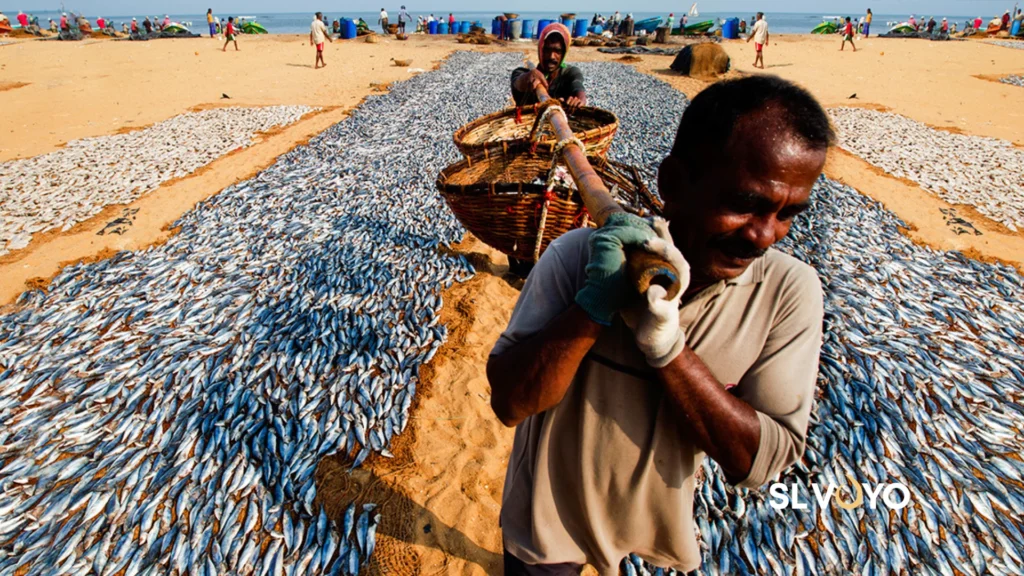
Fishing plays a vital role in the economy, particularly for coastal communities. The industry provides direct employment to over 150,000 people, with many more engaged in related sectors such as fish processing, boat building, and trading.
Sri Lanka’s fishing industry is divided into coastal and offshore fisheries, with offshore fishing becoming one of the fastest-growing sectors in recent decades. The country has access to a vast marine area of approximately 517,000 km², significantly larger than its land area.
Irrigation & Agricultural Infrastructure
Sri Lanka’s agricultural success has always depended on its advanced irrigation systems. The country has hundreds of reservoirs, canals, and irrigation schemes, many dating back to ancient kingdoms like Anuradhapura and Polonnaruwa.
Today, there are over 300 reservoirs and numerous irrigation projects supporting agriculture, especially in the dry zone. Major schemes such as the Mahaweli Development Project have transformed large areas into productive farmland, supporting thousands of farming communities.
Modern Agriculture Trends in 2026
Sri Lanka’s agricultural sector is now entering a transformation phase. Traditional practices are being combined with modern technology to improve efficiency, sustainability, and profitability.
One of the key trends is the shift toward organic and eco-friendly farming, driven by both global demand and environmental concerns. Farmers are also adopting climate-resilient crops to deal with unpredictable weather patterns.
Technology is playing an increasing role, with the introduction of smart irrigation, data-driven farming, and digital marketplaces that connect farmers directly with buyers. Additionally, agro-tourism is becoming popular, allowing visitors to experience farming life, tea plantations, and spice gardens firsthand.
These trends are not only modernizing agriculture but also creating new economic opportunities across the country.
Table of Contents
Tours you might like
We care about our people. That’s why we offer Heartfelt Expedition
What is it?
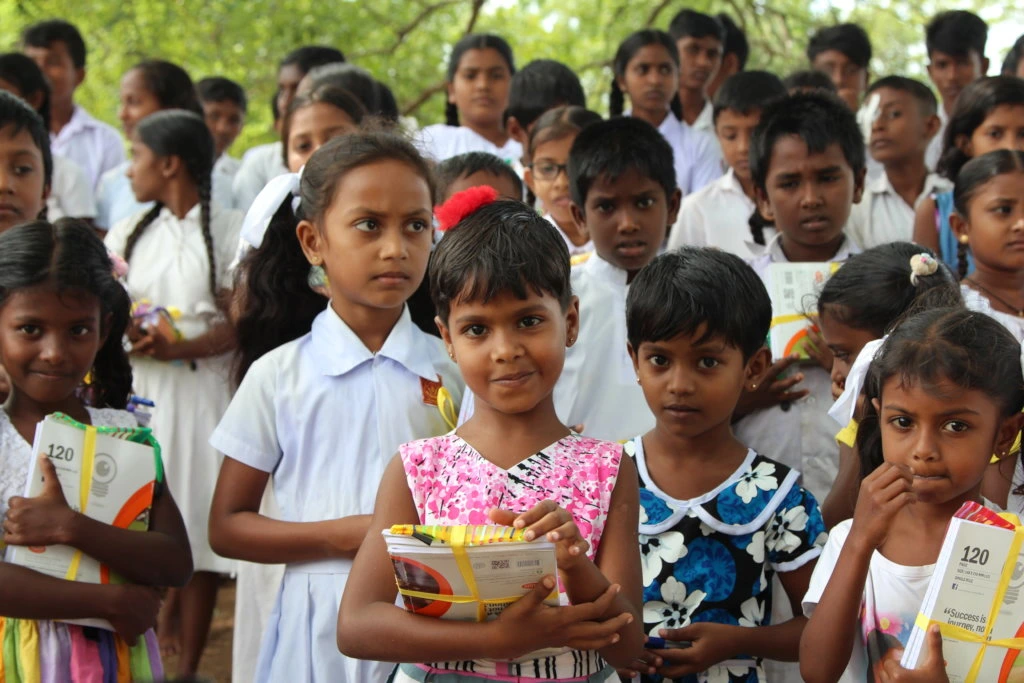
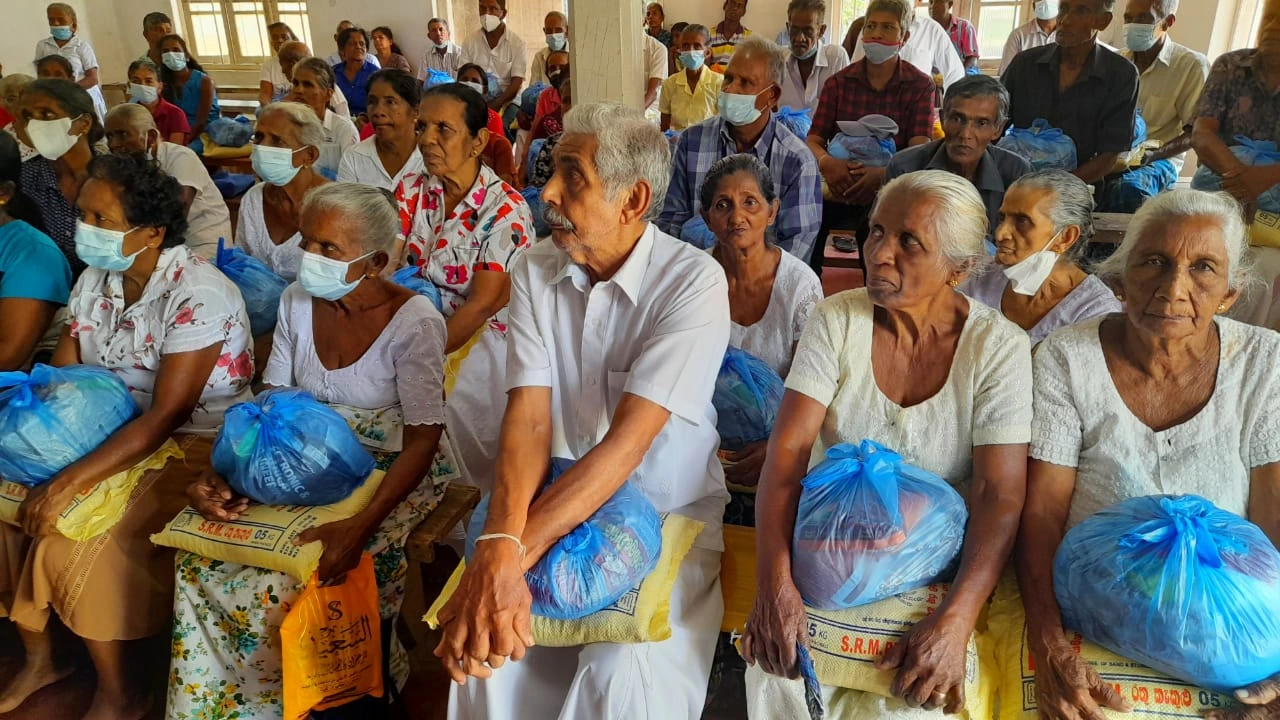
Google Ranked #1, the Heartfelt Expedition is a unique tour that invites tourists to personally engage in charitable events from the perspective of a local donor. Participants will be involved in school initiatives, elderly adoption, and community assistance throughout Sri Lanka.
Discover authentic culture and make a difference by helping local communities.