At SL VOYO, Sri Lanka’s first travel platform, we help travellers go beyond basic sightseeing and experience the island in a more meaningful way. Whether you are joining our tours or planning your own adventure, here is our friendly guide to Sri Lanka’s ancient stupas — sacred monuments that reflect centuries of spirituality, history, architecture, and devotion across the island.
Sacred Landmarks Across the Island
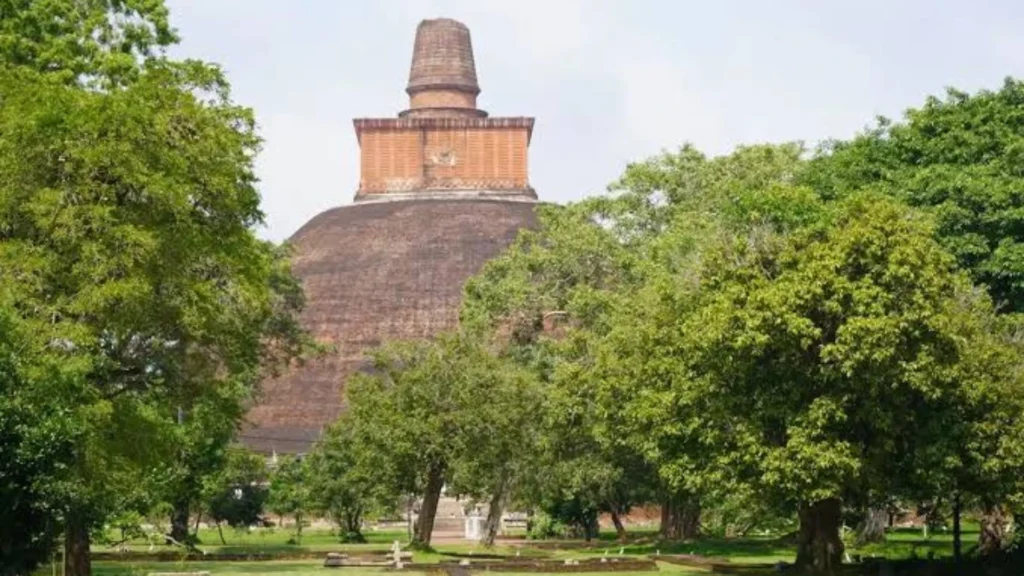
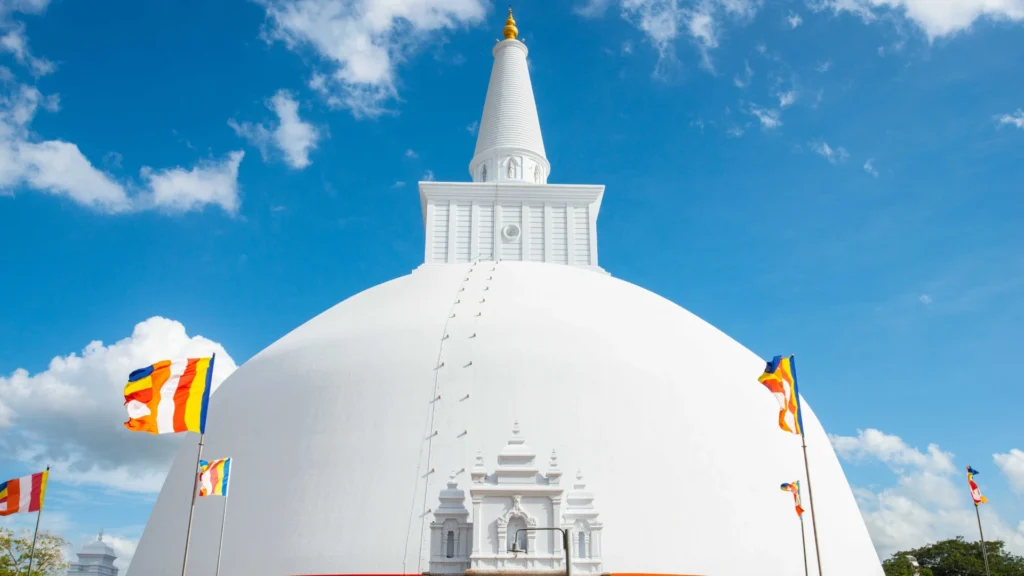
While travelling through Sri Lanka, it is impossible to miss the sight of white dome-shaped stupas rising above forests, villages, and ancient cities. These sacred monuments have become powerful symbols of the island’s Buddhist heritage.
Some stand peacefully in quiet rural landscapes while others dominate the skylines of ancient kingdoms and sacred cities. No matter where they are found, every stupa carries deep spiritual and historical significance.
For centuries, these remarkable structures have inspired pilgrims, travellers, and worshippers alike.
The Meaning Behind the Stupa
The word “stupa” refers to a sacred Buddhist monument traditionally built to preserve relics and honour important spiritual teachings. In Sri Lanka, stupas are also known as dagobas, and they remain central to Buddhist worship and meditation.
Their dome-shaped design symbolises peace, enlightenment, and the path toward spiritual awakening. Many stupas contain sacred relics connected to the Buddha or respected Buddhist monks.
Over time, they became places where communities gathered for worship, meditation, and religious ceremonies.
Ancient Architecture and Engineering
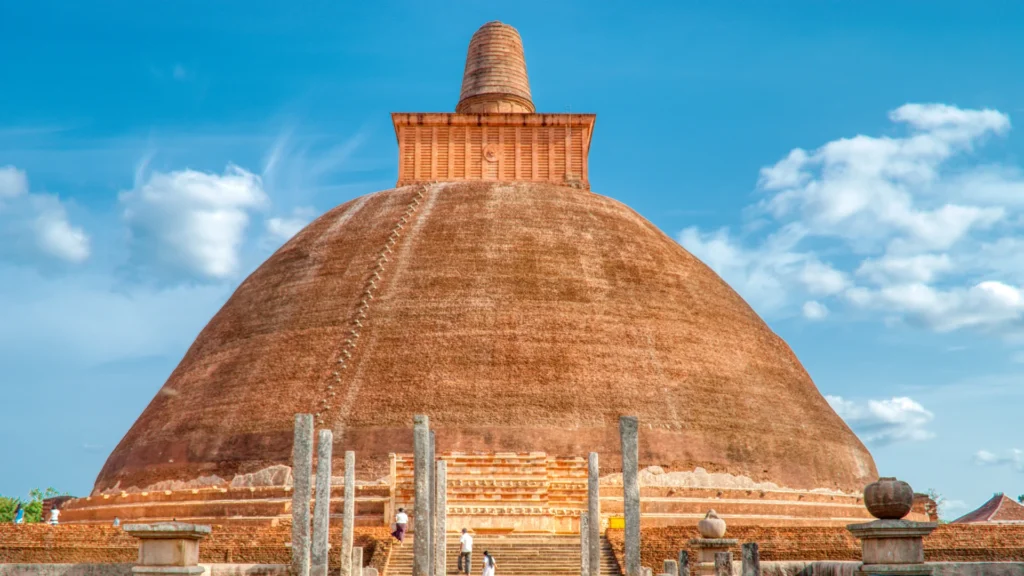
Sri Lanka’s stupas are admired not only for their spiritual value but also for their extraordinary architecture and engineering. Built centuries ago using brick, stone, and plaster, many ancient stupas continue to survive despite the passage of time.
Some of the island’s largest stupas were among the tallest structures in the ancient world, showcasing the remarkable skill of Sri Lanka’s early builders and craftsmen.
Even ruined stupas hidden within forests continue to reveal the scale and ambition of ancient Sri Lankan civilisation.
Stories Hidden Within Sacred Ruins
Every stupa carries stories connected to kings, monks, kingdoms, and acts of devotion preserved through history and legend.
Some were built to celebrate religious achievements while others were constructed to honour sacred relics brought to Sri Lanka centuries ago. Certain unfinished stupas and ruined structures still spark curiosity among historians and archaeologists today.
Walking among these sacred ruins allows visitors to feel deeply connected to the island’s spiritual and cultural past.
Spiritual Peace and Reflection
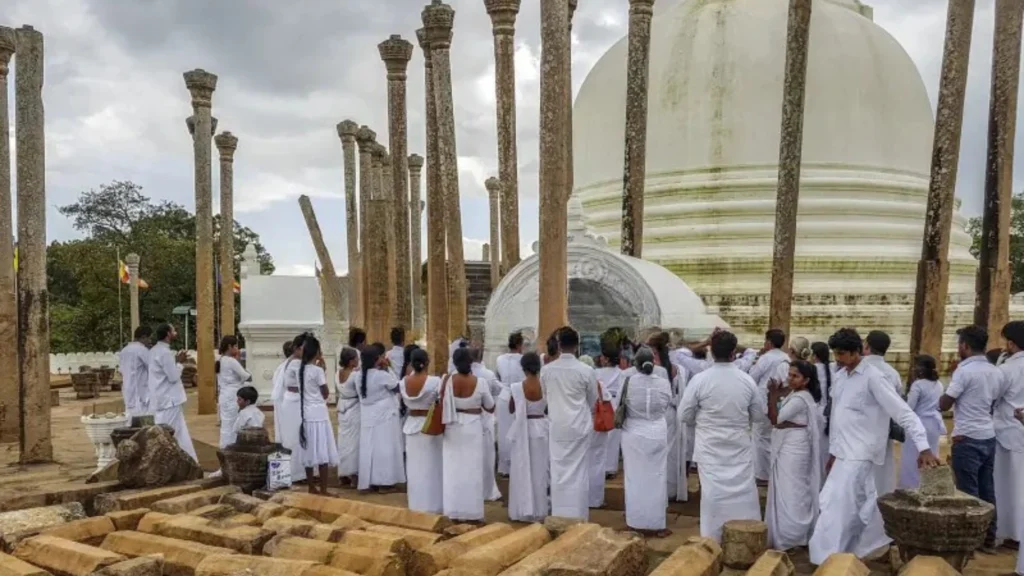
Beyond their architectural beauty, stupas remain places of peace, prayer, and quiet reflection. Worshippers often gather to offer flowers, light oil lamps, and walk slowly around the sacred structures in meditation.
The calm atmosphere surrounding a stupa creates a sense of stillness that many travellers find deeply moving. Surrounded by trees, chanting, and incense, these sacred spaces offer moments of calm away from the noise of modern life.
For many visitors, the spiritual atmosphere becomes one of the most memorable parts of their journey through Sri Lanka.
Preserving Sri Lanka’s Buddhist Heritage
Sri Lanka continues to protect and preserve its ancient stupas as important cultural, religious, and archaeological treasures. Restoration projects and conservation efforts help maintain these sacred monuments for future generations.
Today, stupas remain important symbols of identity, faith, and continuity within Sri Lankan society. They stand as reminders of the island’s rich Buddhist heritage and enduring spiritual traditions.
For travellers interested in history, culture, and spirituality, Sri Lanka’s stupas offer a truly meaningful experience.
Table of Contents
Tours you might like
We care about our people. That’s why we offer Heartfelt Expedition
What is it?
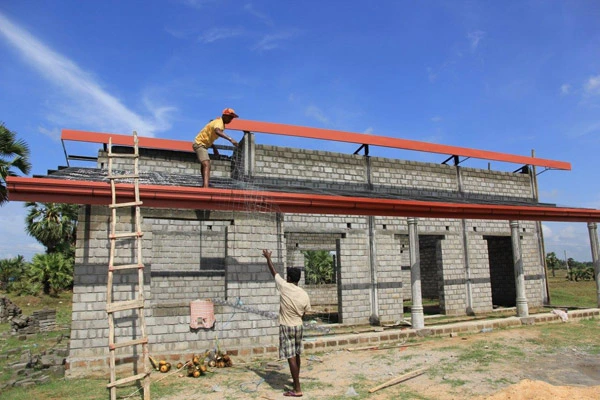
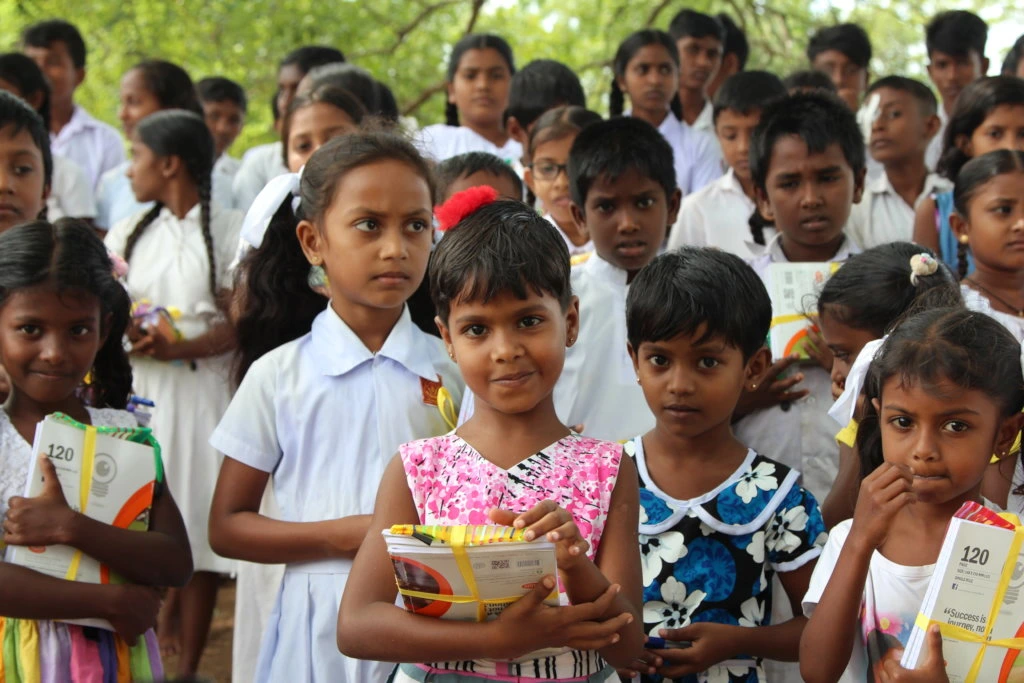
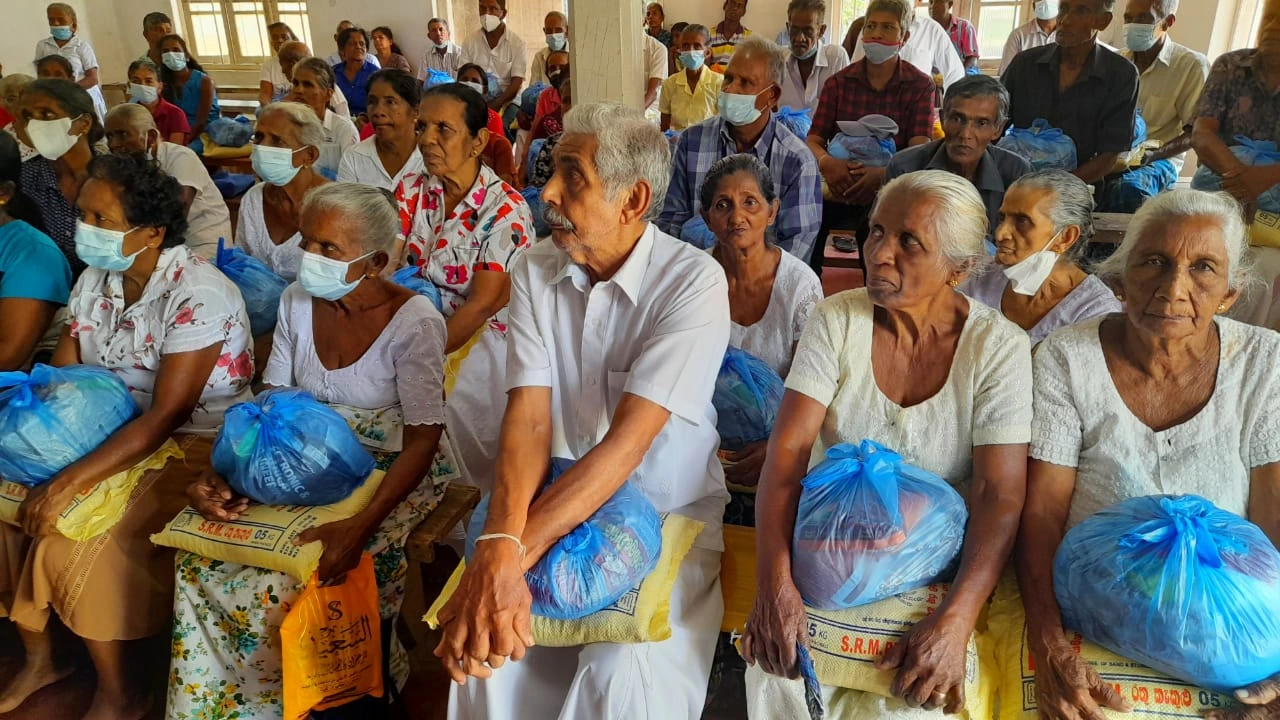
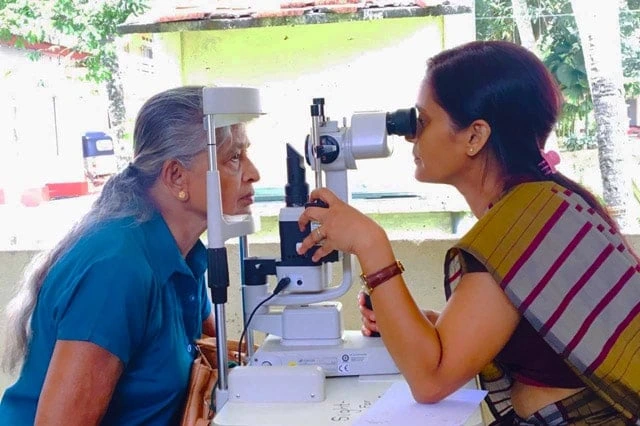
Google Ranked #1, the Heartfelt Expedition is a unique tour that invites tourists to personally engage in charitable events from the perspective of a local donor. Participants will be involved in school initiatives, elderly adoption, and community assistance throughout Sri Lanka.
Discover authentic culture and make a difference by helping local communities.