The Colombo National Museum was completed in 1876. It is one of the few buildings from the British colonial period that is still being used today. The museum has been open to the public for almost 150 years.
After many requests from the Royal Asiatic Society, the Governor of Ceylon, Sir William Gregory, decided to build a national museum. The design work was given to architect J. G. Smithers from the Public Works Department. The building was designed in the Neo-Renaissance Italian style, which was popular in Europe and the United States during the 19th century.
When the museum first opened in January 1877, the building was much smaller than it is today. It was only about one-quarter of the size of the present museum. Later, during the early 20th century, the museum was expanded. Two new wings were added, and by 1933 the building had become much larger.
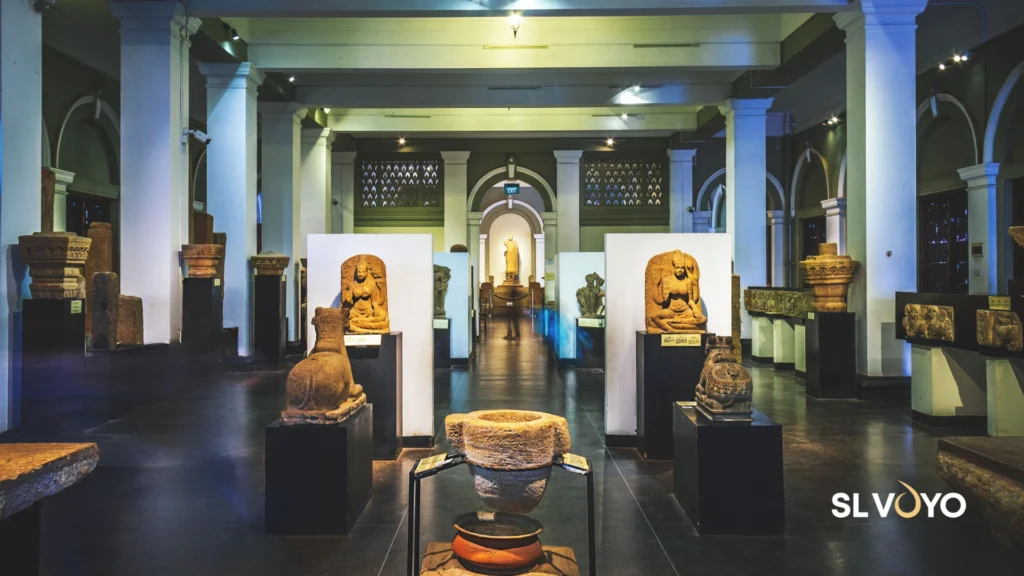
The museum has a ground floor and one upper floor. Inside, there are many halls with different collections. Some of the displays include cloth paintings from the 18th and 19th centuries. Because the museum expanded gradually over time, it does not have one large central hall like many other museums. Instead, it has several medium-sized exhibition halls.
The museum gives visitors a good introduction to Sri Lanka’s history. The entrance hall features the famous Toluvila Samadhi Buddha Statue, which is believed to be one of the best Buddha statues in Sri Lanka. The museum tour usually begins with the Prehistoric and Protohistoric periods, and then continues to the Anuradhapura, Polonnaruwa, and Kandyan periods.
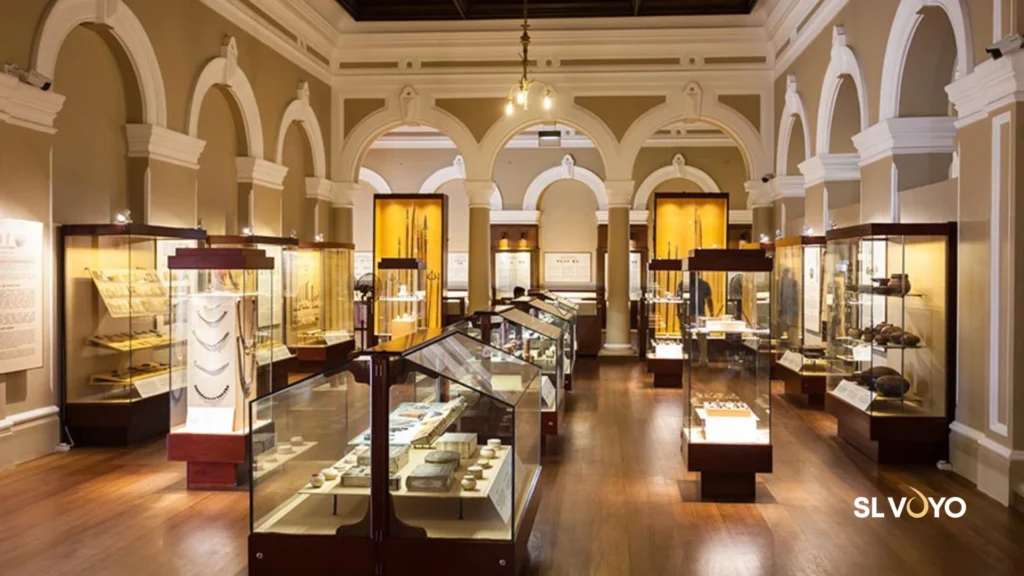
Many exhibits in the Anuradhapura section come from the Late Anuradhapura period. These items show the high level of art and craftsmanship of ancient Sri Lanka. Some special objects include beautifully decorated bronze sandals made for a three-metre-tall Bodhisattva statue, a door knocker, and a head ornament from 9th century Veheragala.
The Polonnaruwa section shows the influence of Hindu culture in ancient Sri Lanka. Visitors can see bronze statues of Parvati and Siva Nataraja from the 11th to 13th centuries. This section also includes a working model of an ancient irrigation system with the biso kotuwa, which helped control water flow from large reservoirs. This model shows the advanced engineering skills of ancient Sri Lankans.
The Kandyan period hall is one of the most popular sections for visitors. It displays the throne, crown, and royal items of Sri Wickrama Rajasingha, the last king of Sri Lanka. These royal objects were taken to the British Museum after the fall of Kandy but were returned to Sri Lanka in 1936. Today they are permanently displayed in Colombo.
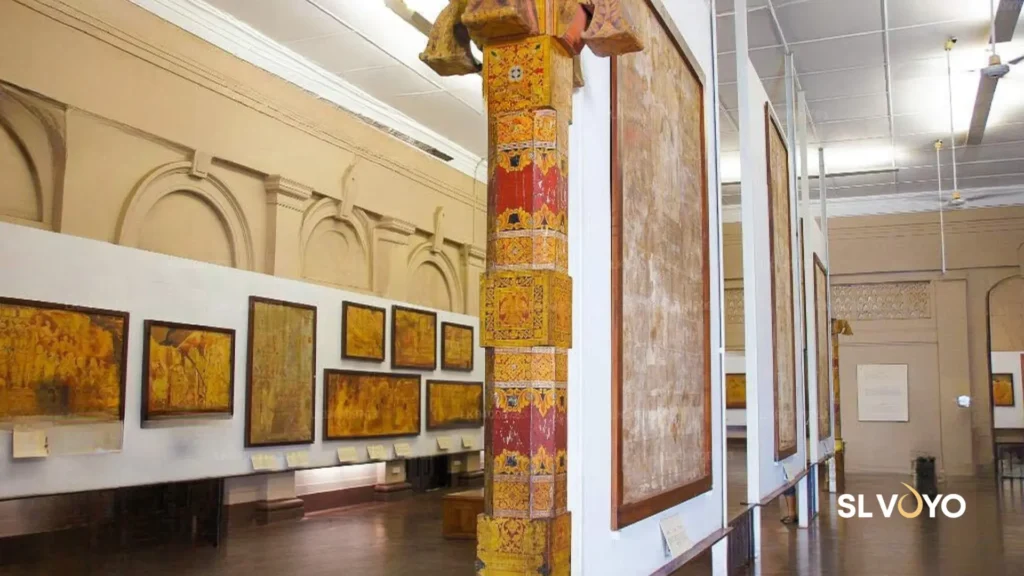
The upper floor of the original building is divided into three main sections: currency, handicrafts, and weapons. This area also shows the beautiful architecture of the museum, including high ceilings and a large wooden staircase with two wings. The Arms and Armaments section displays many types of traditional weapons and firearms. One of the newest exhibits is a Kandyan sword called the Kastane.
Outside the museum, there is a large lawn with wide grassy areas and old banyan trees that provide shade. It is a nice place for visitors to rest after walking around the museum.
What is it?
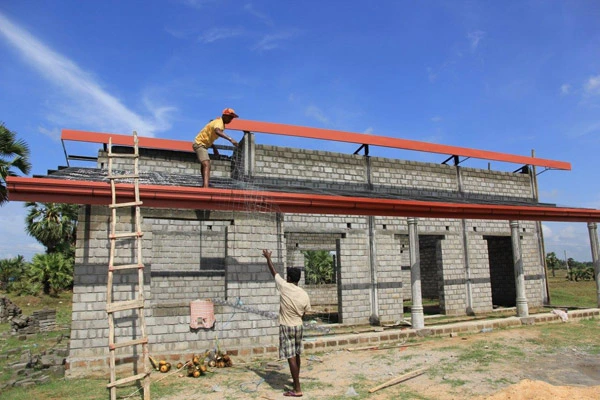
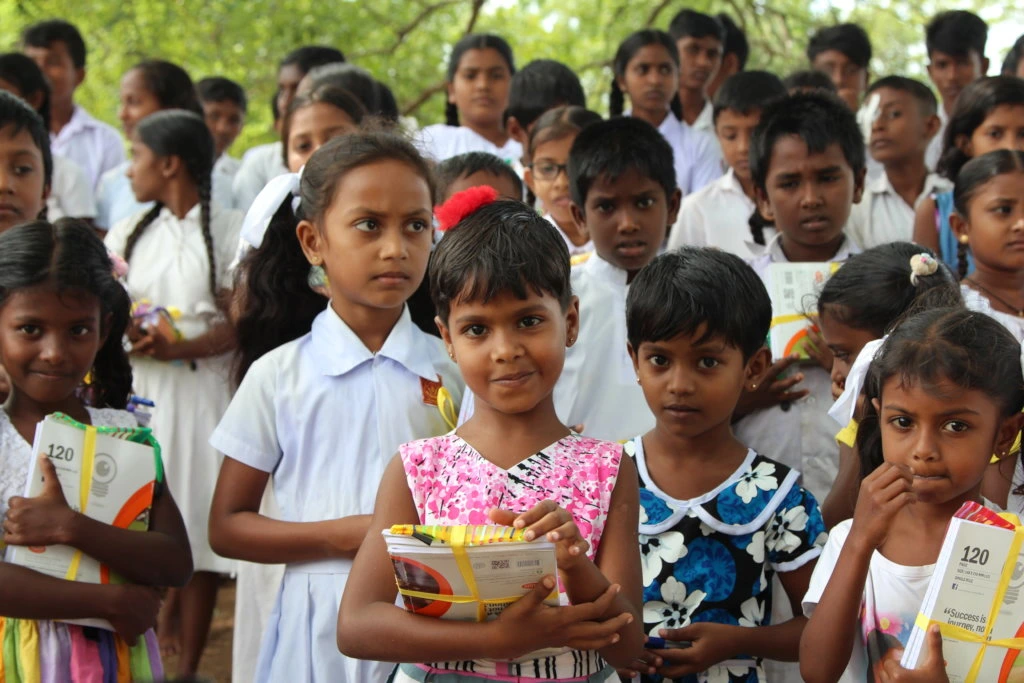
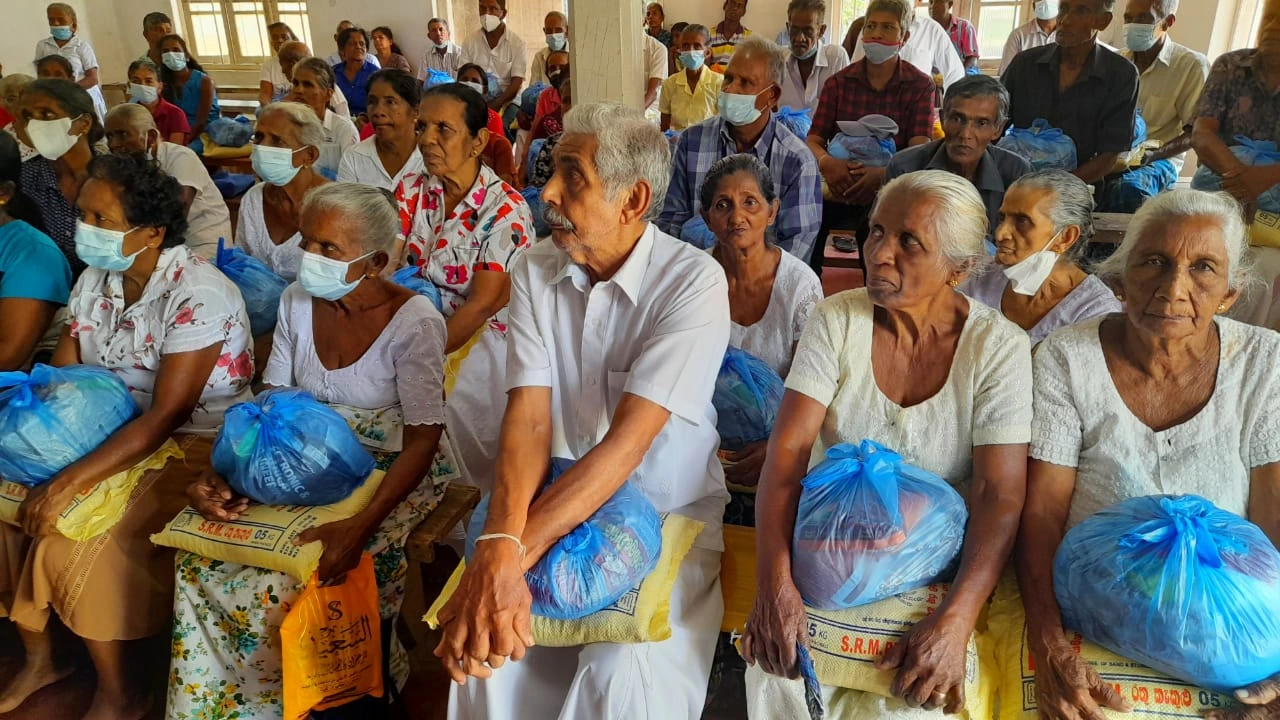
Google Ranked #1, the Heartfelt Expedition is a unique tour that invites tourists to personally engage in charitable events from the perspective of a local donor. Participants will be involved in school initiatives, elderly adoption, and community assistance throughout Sri Lanka.
Discover authentic culture and make a difference by helping local communities.