At SL VOYO, Sri Lanka’s first travel platform, we help travellers go beyond basic sightseeing and experience the island in a more meaningful way. Whether you are joining our tours or planning your own adventure, here is our friendly guide to the traditional pottery villages of Kelani.
A Craft Shaped by Tradition
Along the peaceful banks of the Kelani River, pottery remains one of Sri Lanka’s oldest surviving crafts. In small village workshops surrounded by greenery, skilled artisans continue traditions passed down through generations, carefully transforming simple clay into beautiful handmade creations.
Pottery has long been an important part of Sri Lankan life. From clay pots and water filters to decorative items and cooking vessels, these handcrafted pieces were once found in almost every household across the island.
Today, although modern alternatives have become common, the ancient craft of pottery still survives through the dedication of a few passionate craftsmen.
The Art of the Potter’s Wheel
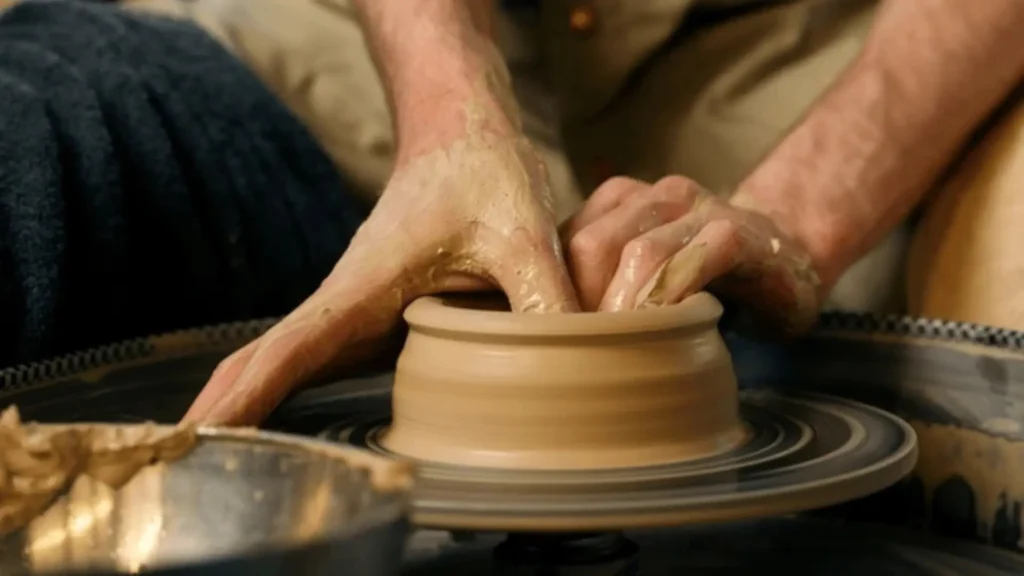
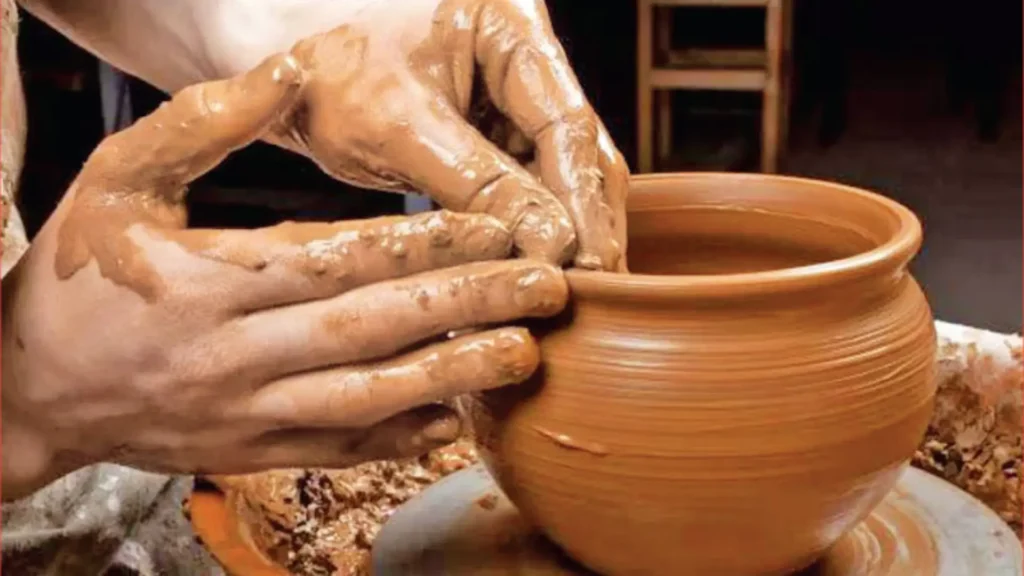
Creating pottery begins with preparing the clay. The raw clay is softened, kneaded, and carefully shaped before being placed on the spinning wheel. With years of experience guiding their hands, potters skillfully mould the clay into graceful forms while the wheel spins steadily beneath them.
Watching a potter at work is almost hypnotic. Every movement is precise, controlled, and deeply connected to tradition. A simple lump of clay slowly transforms into a perfectly balanced vessel within minutes.
Each piece carries the unique touch and personality of its maker.
From Clay to Masterpiece
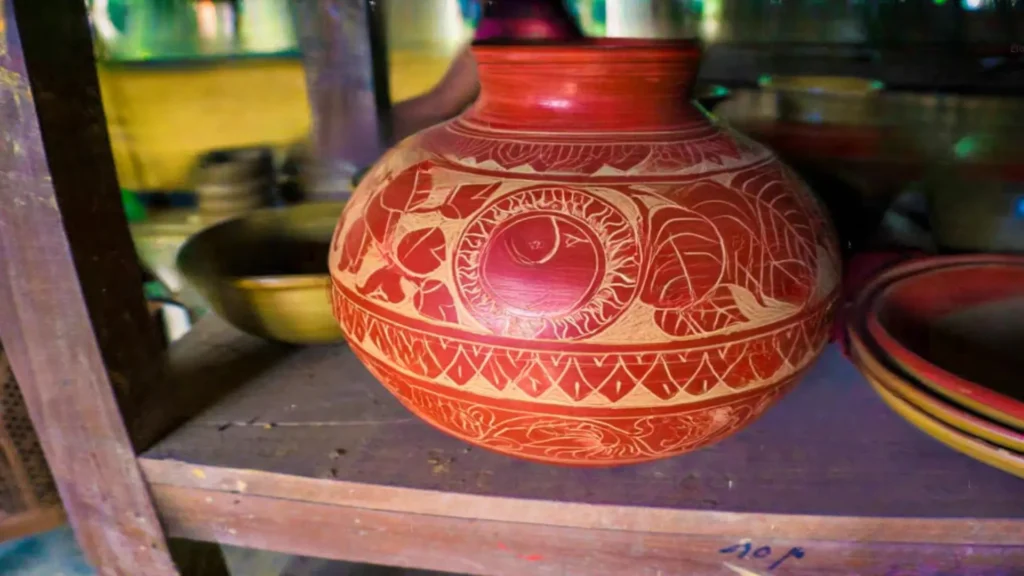
Once the pottery is shaped, it is left to dry naturally before moving on to decoration and firing. Some pieces are painted with earthy colours and traditional patterns, while others are engraved with delicate hand-drawn designs.
The pots are then carefully baked in traditional kilns using controlled heat. This process hardens the clay and gives the pottery its final strength and appearance.
The warm earthy tones and handcrafted details reflect the beauty of Sri Lanka’s rural craftsmanship.
Life Along the Kelani River
The pottery villages near the Kelani River are simple, peaceful places where daily life moves at a slower pace. Many workshops are attached to family homes, allowing knowledge and skills to be shared from one generation to the next.
For these craftsmen, pottery is not simply a profession — it is a way of preserving culture, heritage, and identity. Despite the challenges of modernisation, they continue their work with patience and pride.
Visitors to these villages often leave with a deep appreciation for the artistry hidden within everyday objects.
Preserving Sri Lanka’s Handmade Heritage
Traditional pottery is more than just craftsmanship; it is a reflection of Sri Lanka’s rural heritage and creative spirit. Supporting local artisans helps preserve these ancient skills for future generations while also sustaining small village communities.
Exploring the pottery villages of Kelani offers travellers a chance to witness authentic Sri Lankan craftsmanship up close and connect with the island’s living traditions.
The beauty of handmade pottery lies not only in the finished product, but also in the stories, patience, and human touch behind every piece.
Table of Contents
Tours you might like
We care about our people. That’s why we offer Heartfelt Expedition
What is it?
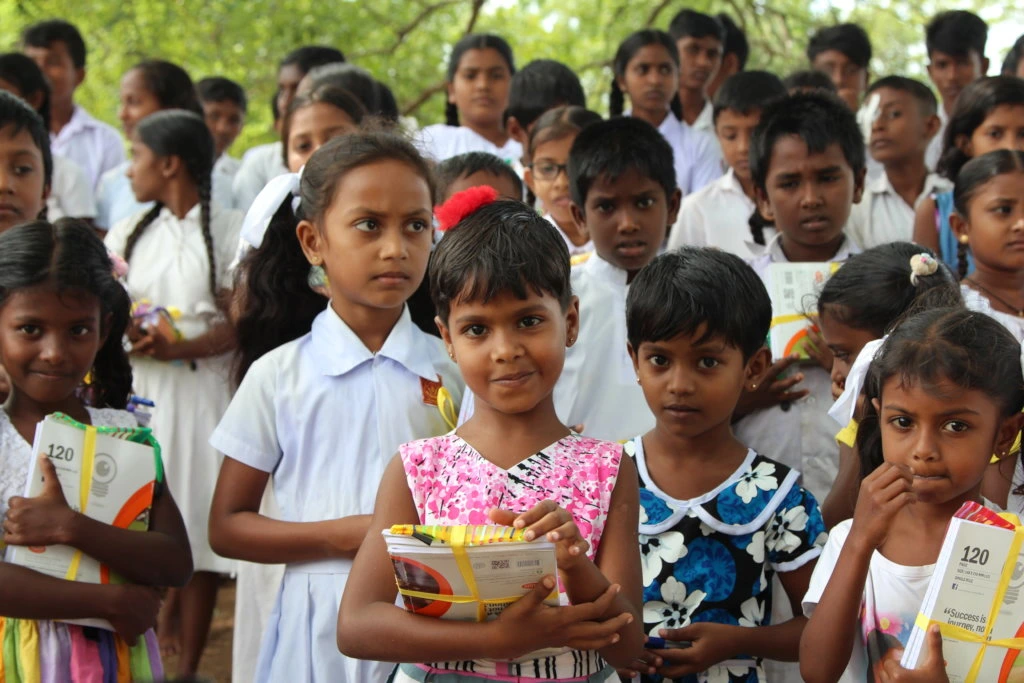
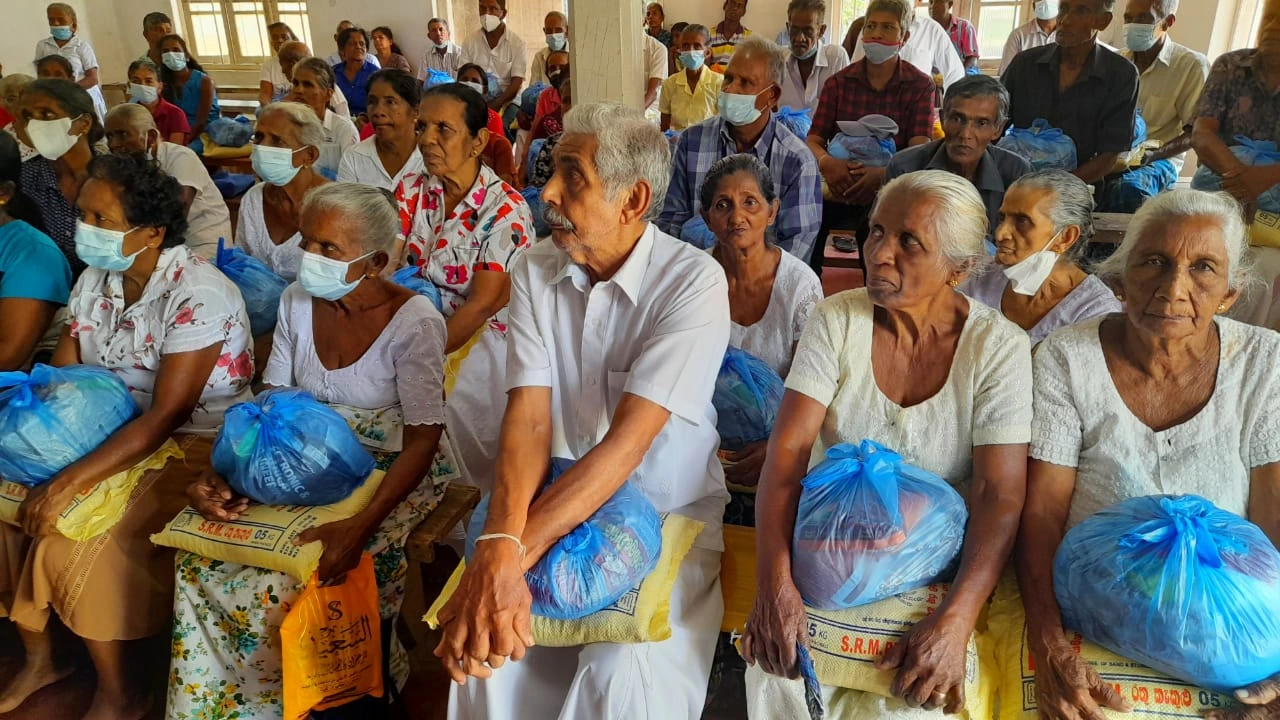
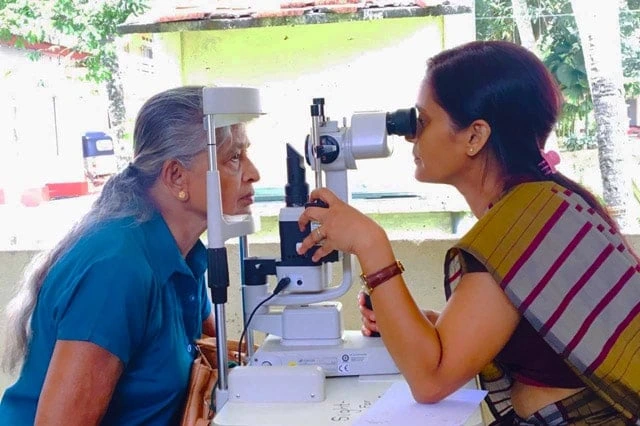
Google Ranked #1, the Heartfelt Expedition is a unique tour that invites tourists to personally engage in charitable events from the perspective of a local donor. Participants will be involved in school initiatives, elderly adoption, and community assistance throughout Sri Lanka.
Discover authentic culture and make a difference by helping local communities.