The Timeless Art of Traditional Sri Lankan Wood Carvings
Table of Contents
At SL VOYO, Sri Lanka’s first travel platform, we help travellers go beyond basic sightseeing and experience the island in a more meaningful way. Whether you are joining our tours or planning your own adventure, here is our friendly guide to exploring the intricate world of Sri Lanka’s traditional wood carving artistry.
A Legacy Carved Through Generations
Sri Lanka’s traditional wood carving heritage dates back centuries and remains one of the island’s most admired forms of craftsmanship. Skilled artisans have carefully preserved these artistic traditions by passing techniques and designs down through generations.
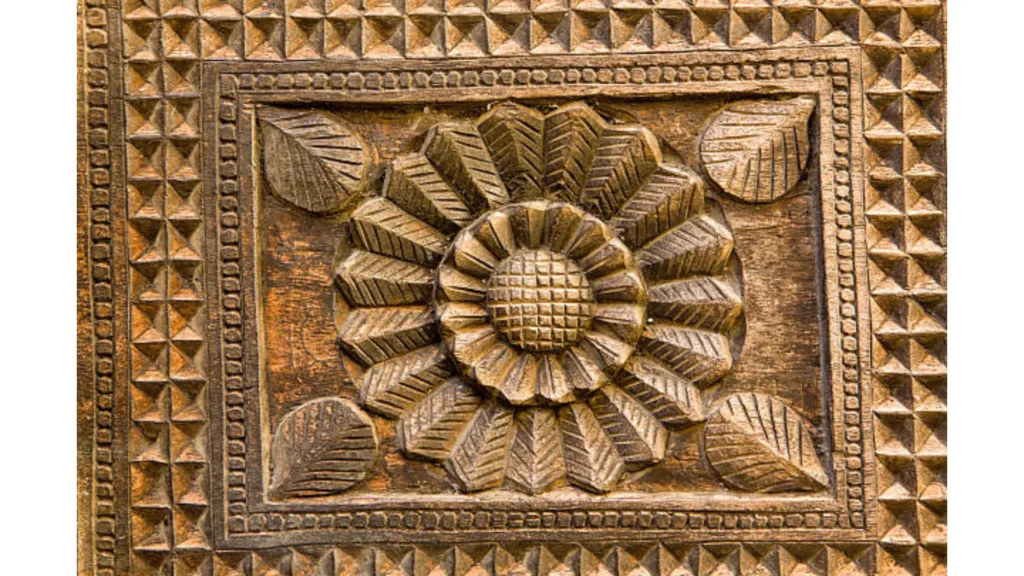
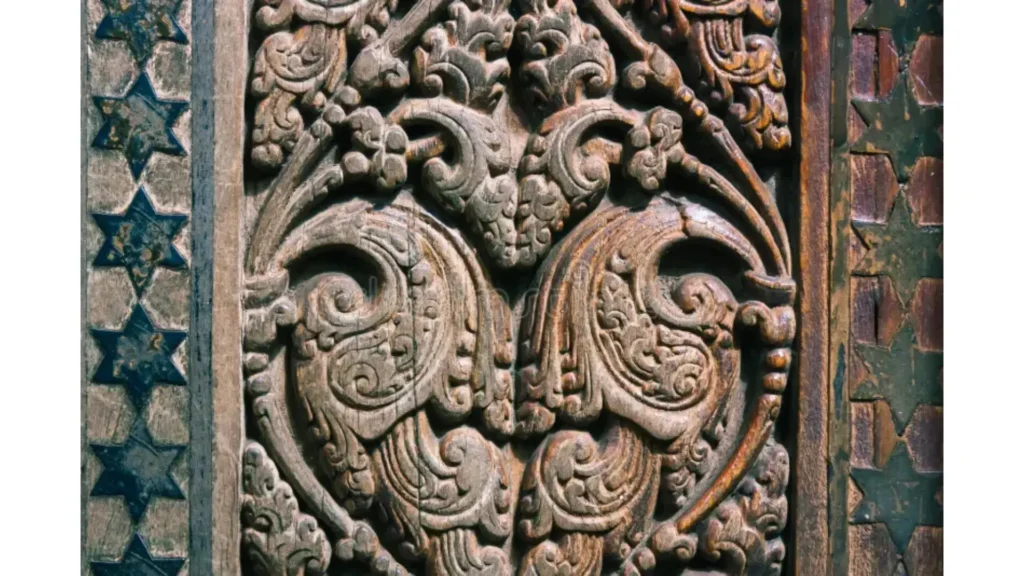
From temple entrances and palace walls to ancient furniture and decorative panels, wood carvings have long been used to display beauty, spirituality, and cultural identity. Each carving reflects remarkable attention to detail and the deep creativity of Sri Lankan craftsmen.
Even today, these timeless carvings continue to showcase the island’s rich artistic heritage.
Symbols, Patterns, and Sacred Meanings
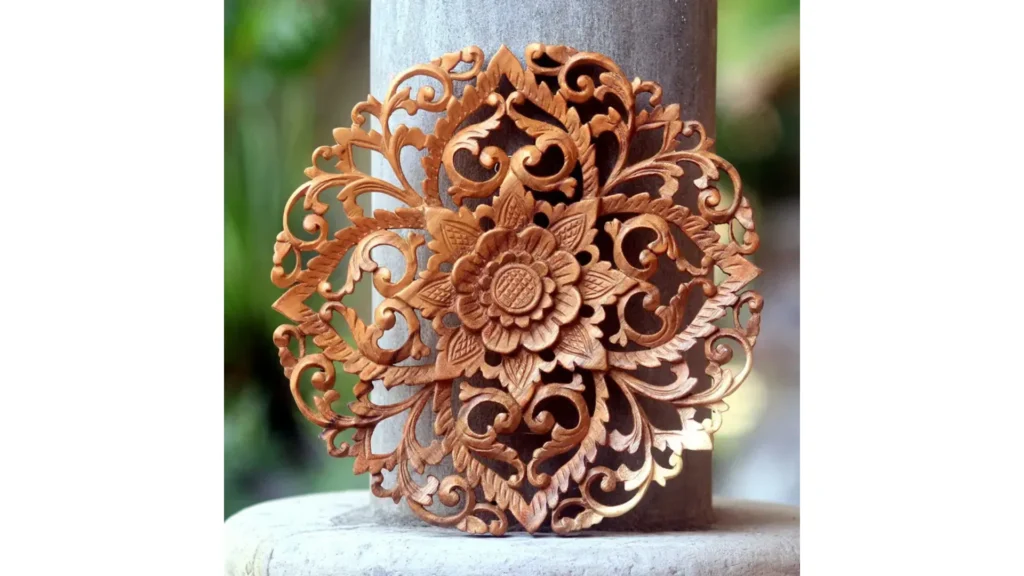
Sri Lankan wood carvings often feature symbolic designs inspired by religion, nature, mythology, and daily life. Floral patterns, lotus designs, birds, vines, and sacred symbols are commonly used to decorate temples and historical buildings.
Many carvings carry deeper spiritual meanings connected to prosperity, purity, wisdom, and protection. The famous swan motif, known locally as Hansa Puttuwa, symbolises elegance and spiritual purity, while floral patterns represent harmony and beauty.
These artistic symbols help preserve stories and cultural beliefs that have remained important throughout Sri Lanka’s history.
The Influence of Temples and Ancient Kingdoms
Sri Lanka’s ancient kingdoms played an important role in developing the island’s wood carving traditions. Royal palaces, temples, audience halls, and religious structures were beautifully decorated with detailed carvings created by master craftsmen.
Many of the finest examples can still be seen today in historical cities such as Kandy, Anuradhapura, Polonnaruwa, and Dambulla. Temple doors, pillars, ceilings, and windows often display extraordinary craftsmanship that continues to impress visitors from around the world.
These carvings not only served decorative purposes but also reflected the spiritual devotion and artistic excellence of the time.
The Skill Behind the Craftsmanship
Creating traditional wood carvings requires patience, precision, and years of experience. Skilled craftsmen carefully shape hardwood using specialised tools to create intricate patterns and smooth finishes entirely by hand.
The process can take days or even weeks depending on the complexity of the design. Every curve, detail, and texture is crafted with care, transforming simple pieces of wood into remarkable works of art.
Many artisans continue to use traditional carving methods that have remained unchanged for generations.
Preserving Sri Lanka’s Artistic Heritage
Today, Sri Lanka’s wood carving traditions remain an important part of the island’s cultural heritage. Local artisans, cultural organisations, and heritage sites continue working to preserve these ancient skills for future generations.
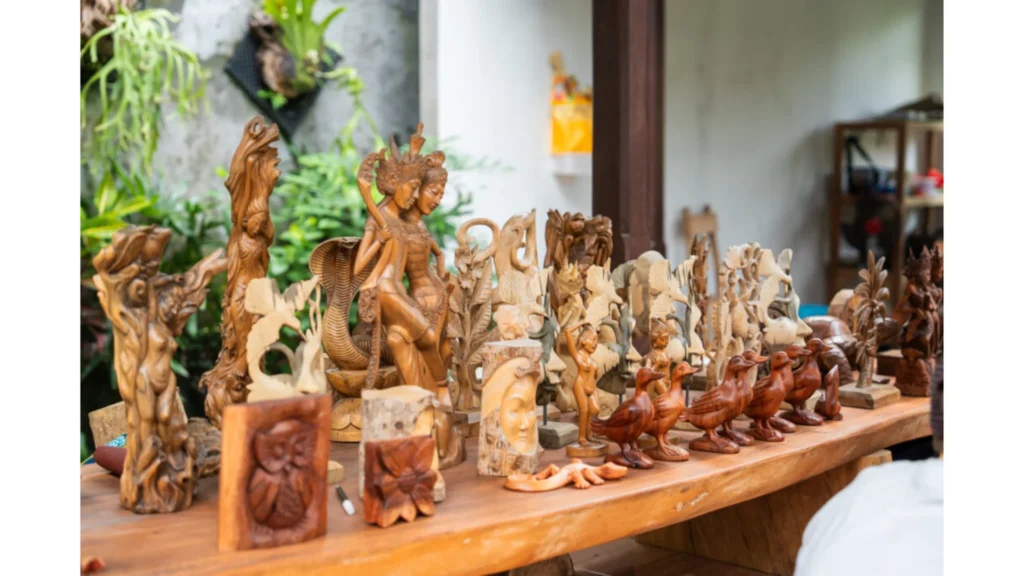
Travellers exploring Sri Lanka often discover beautiful wood carvings inside temples, cultural centres, traditional homes, and handicraft workshops. Purchasing handcrafted carvings also helps support local artisans and preserve traditional craftsmanship.
These artistic traditions continue to connect modern Sri Lanka with its rich historical and cultural roots.
Discover Sri Lanka’s Traditional Arts with SL VOYO
At SL VOYO, we believe travel should uncover the stories, traditions, and craftsmanship that make Sri Lanka truly unique. Sri Lanka’s traditional wood carvings offer visitors a deeper understanding of the island’s artistic excellence, spiritual heritage, and timeless cultural identity.
Let SL VOYO guide you through Sri Lanka’s artistic treasures, cultural wonders, and unforgettable heritage experiences.
Table of Contents
Tours you might like
We care about our people. That’s why we offer Heartfelt Expedition
What is it?
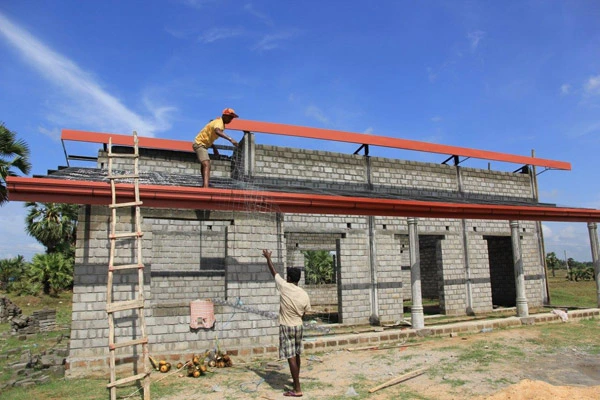
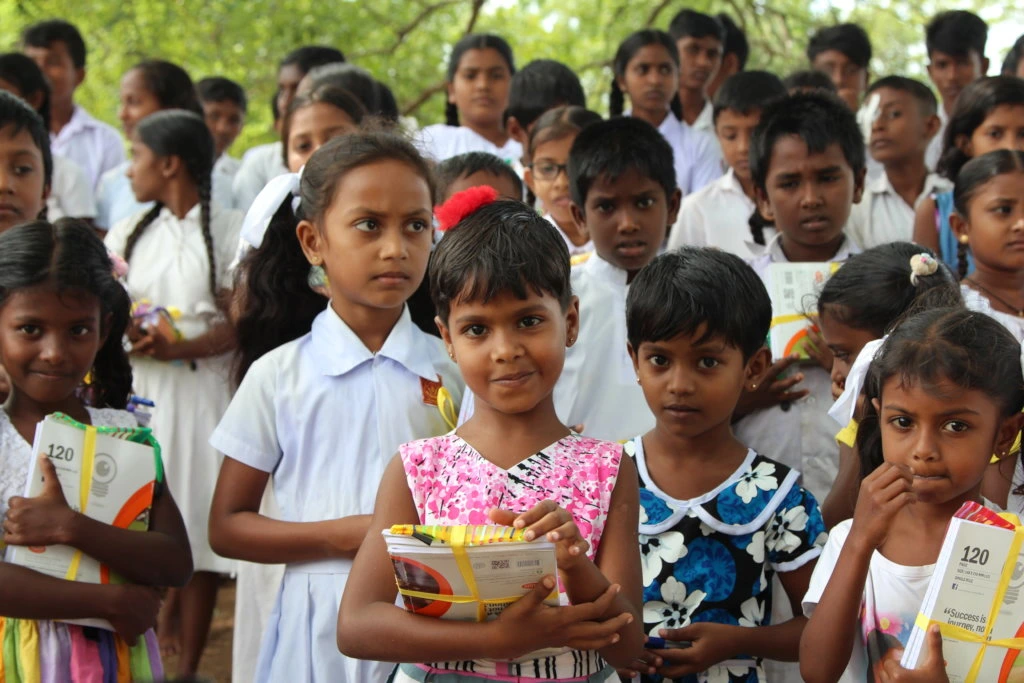
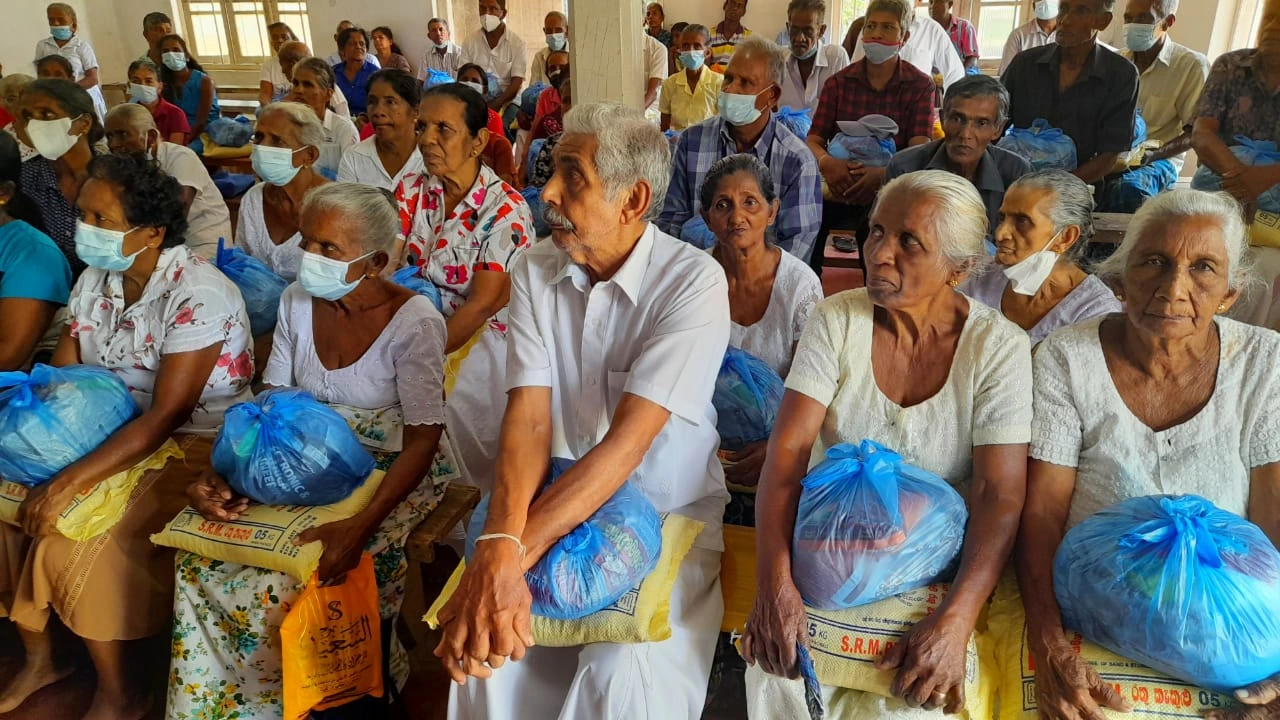
Google Ranked #1, the Heartfelt Expedition is a unique tour that invites tourists to personally engage in charitable events from the perspective of a local donor. Participants will be involved in school initiatives, elderly adoption, and community assistance throughout Sri Lanka.
Discover authentic culture and make a difference by helping local communities.